Sign up with brands, testing panels, and footwear review sites to join wear-testing.
I’ve spent years working with shoe brands and joining wear-testing panels. This guide explains how to join a shoe wear-testing program step by step, what companies want, how to apply, how to test properly, and how to turn testing gigs into trusted reviews or steady side income. Read on for practical tips, examples from my experience, and a clear path to getting accepted.

Why join a shoe wear-testing program?
Joining a shoe wear-testing program gives you early access to new models, free or discounted shoes, and a chance to shape product design. You can learn what makes good cushioning, fit, or durability, and you get paid or rewarded for honest feedback. If you like trying shoes and writing short reports, a testing program is a great fit.
Benefits include:
- Early access to prototypes and upcoming releases.
- Free shoes, stipends, or store credit.
- Real influence on design and fit before public launch.
- Experience that strengthens reviews or a footwear resume.
Companies also value real-world testers because lab tests miss daily use variables like weather, commute, or user gait. That insight is why brands run wear tests and why your feedback matters.

Types of shoe wear-testing programs
Shoe wear-testing programs come in many formats. Knowing which type fits you helps you focus applications.
Common types:
- Brand-run panels: Direct recruitment by shoe companies to test prototypes or production samples.
- Retailer testing: Big retailers recruit testers to evaluate fit and return rates.
- Independent testing platforms: Third-party sites gather testers and share products from multiple brands.
- Clinical or lab-supported studies: Universities or research firms run formal tests for biomechanics and injury prevention.
- Influencer or content-based programs: Brands send shoes to reviewers with established audiences.
Each program differs in commitment, compensation, and reporting detail. Brand panels often require longer, structured reports. Retail or platform gigs can be simpler and more frequent.
How to find and qualify for programs
Finding programs takes searching and persistence. Use several channels together.
Where to look:
- Brand websites: Check career or community pages for “product testing,” “testers,” or “athlete programs.”
- Social media: Follow brands, product managers, and testing hashtags.
- Retailer or platform sign-ups: Join dedicated testing platforms and retailer panels.
- Local running clubs and specialty stores: Stores sometimes recruit local testers for feedback.
- University or clinical listings: For formal studies, check research participant calls.
How to qualify:
- Provide clear fit and activity information: shoe size, arch type, mileage, and activity (walking, running, hiking).
- Showcase credible experience: short reviews, photos, or a blog boost acceptance.
- Be honest about availability: many programs ask for weekly logs or at least a month of testing.
- Remote or local: some programs require visits for measurements or gait analysis.
If you need to, create a simple tester profile document with photos, activity history, and past test reports to upload when applying. That speeds up qualifying.

How to apply: step-by-step
Applying is a mix of preparation and clear communication. Follow these steps.
- Prepare your tester profile
- List shoe sizes, activities, weekly mileage, and any foot issues.
- Include short samples of writing or photos of worn shoes for credibility.
- Search and shortlist programs
- Target 5–10 programs that match your activity and availability.
- Prioritize panels that ask for honest feedback over influencer-only perks.
- Submit a tailored application
- Answer screening questions directly. Use simple, factual sentences.
- Emphasize availability and specific experience relevant to the program.
- Follow up politely
- If you do not hear back in two weeks, send a short, polite follow-up message.
- Prepare for onboarding
- Read testing guidelines carefully. Note reporting deadlines and preferred formats.
Keep your answers short and factual during application. Brands appreciate testers who can report clearly and reliably.
What brands look for
Brands want reliable, clear, and diverse testers. They value both consistency and representative use cases.
Key attributes brands seek:
- Consistency: testers who follow testing protocols and meet deadlines.
- Clear reporting skills: the ability to describe fit, comfort, and failures in plain language.
- Activity relevance: runners for running shoes, hikers for hiking shoes, and casual users for lifestyle shoes.
- Demographic and biomechanical variety: different ages, weights, foot shapes, and gait patterns help brands test broadly.
- Honesty: candid reports that include issues and suggestions.
Avoid overselling yourself. Brands prefer someone who will point out flaws as well as strengths.

How to test and report effectively
Good testing is simple, repeatable, and honest. Your reports should be useful and concise.
Testing best practices:
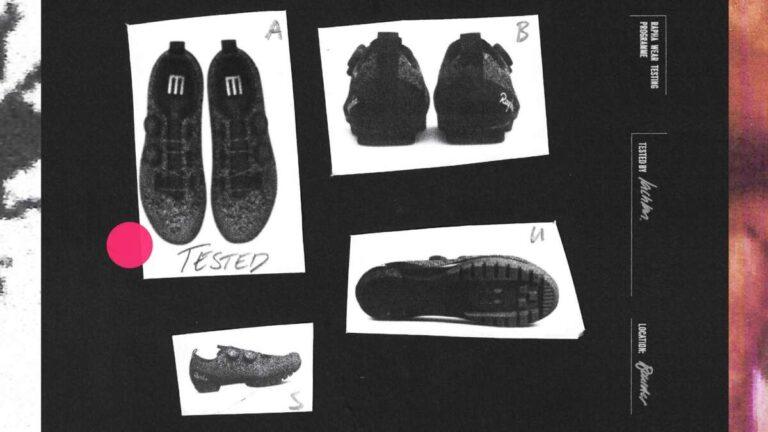
- Start with baseline photos: inside, outside, tread, and wear areas.
- Log consistent use: time, distance, terrain, and weather.
- Test over time: short-term impressions and long-term durability notes.
- Use consistent metrics: rate cushioning, fit, stability, and traction on a 1–5 scale.
- Note anomalies: blisters, seam failures, slippage, or unusual wear patterns.
Reporting tips:
- Lead with a short summary: one sentence with your main verdict.
- Use clear headings and bullet points for quick reading.
- Include photos and short video clips for visual evidence.
- Be specific: say “heel slippage on downhill runs” rather than “it didn’t fit well.”
- Offer constructive suggestions: where materials or shape could improve.
Clear reports build trust and increase your chances of being invited to future panels.
Compensation, perks, and limitations
Compensation varies widely. Expect a mix of rewards and responsibilities.
Typical compensation:
- Free or discounted shoes.
- Cash stipends or gift cards.
- Early access and exclusive prototypes.
- Recognition in product credits for larger studies.
Limitations to expect:
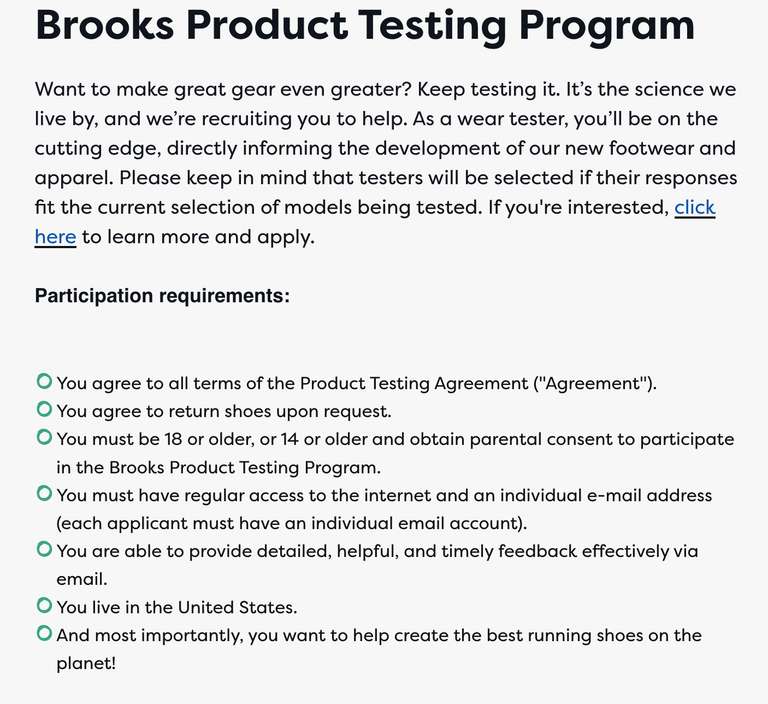
- You may need to return prototypes after testing.
- Confidentiality agreements are common.
- Reports can be detailed and time-consuming.
- Not all programs pay; many offer product only.
Set realistic expectations before applying. If you depend on payment, target paid programs and clarify payment terms up front.

My personal experience and lessons learned
I’ve tested dozens of pairs across brands and formats. Here are honest lessons from my experience.
What worked:
- Clear, short reports earned repeat invites. Brands liked a one-paragraph summary plus a bullet list of issues.
- Photos and small video clips removed ambiguity and sped up review decisions.
- Honest negative feedback with suggested fixes improved my credibility.
Mistakes I made:
- Signing up for too many programs at once caused missed deadlines.
- Overpromising availability led to a few rejections later.
- Skipping baseline photos made durability issues hard to prove.
Practical tips:
- Keep a testing notebook or simple spreadsheet for dates and mileage.
- Limit active tests to two at a time to maintain quality.
- Respect NDAs and be punctual—reliability is the most valuable trait.
These practices made my testing more enjoyable and turned one-off invites into steady opportunities.
Frequently Asked Questions of how to join a shoe wear-testing program
How long do shoe wear-testing programs usually last?
Programs vary from one-week quick tests to multi-month durability studies. Typical consumer wear tests run four to eight weeks with regular check-ins.
Do I need a social media following to join?
Not always; many brand panels value honest, repeatable testing over social reach. A strong tester profile and clear reports can be enough.
Will I have to sign a non-disclosure agreement?
Some programs require NDAs for prototypes or pre-release models. Read terms carefully and ask about sharing restrictions before accepting.
How often will brands ask for updates?
Most programs request weekly or biweekly updates, plus a final report at the end of the test. Formal studies may request daily logs for certain metrics.
Can wear-testing become paid work?
Yes. Consistent, professional reporting can lead to paid testing, freelance review gigs, or long-term brand partnerships. Treat initial unpaid tests as opportunities to build credibility.
Conclusion
Joining a shoe wear-testing program is about preparation, clear communication, and reliable reporting. Build a concise tester profile, apply to programs that match your activity, and focus on honest, repeatable feedback. Start small, collect photos and notes, and treat each test as both a learning chance and a demonstration of professionalism. If you enjoy shoes and helping products improve, take the first step today: create your tester profile, apply to two programs, and begin testing with clear, simple reports. Leave a comment or share your tester wins to connect with other testers and brands.

Madison Clark is a footwear expert and the voice behind MyStyleGrid.com. She specializes in honest shoe reviews, style tips, and practical guides to help readers find the perfect pair for any occasion. With years of experience in blogging and content creation, Madison makes footwear knowledge simple, stylish, and easy to follow.