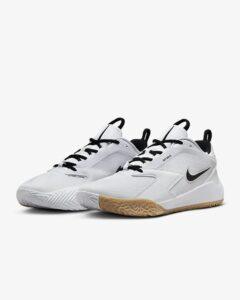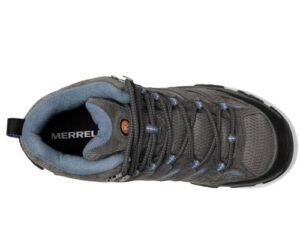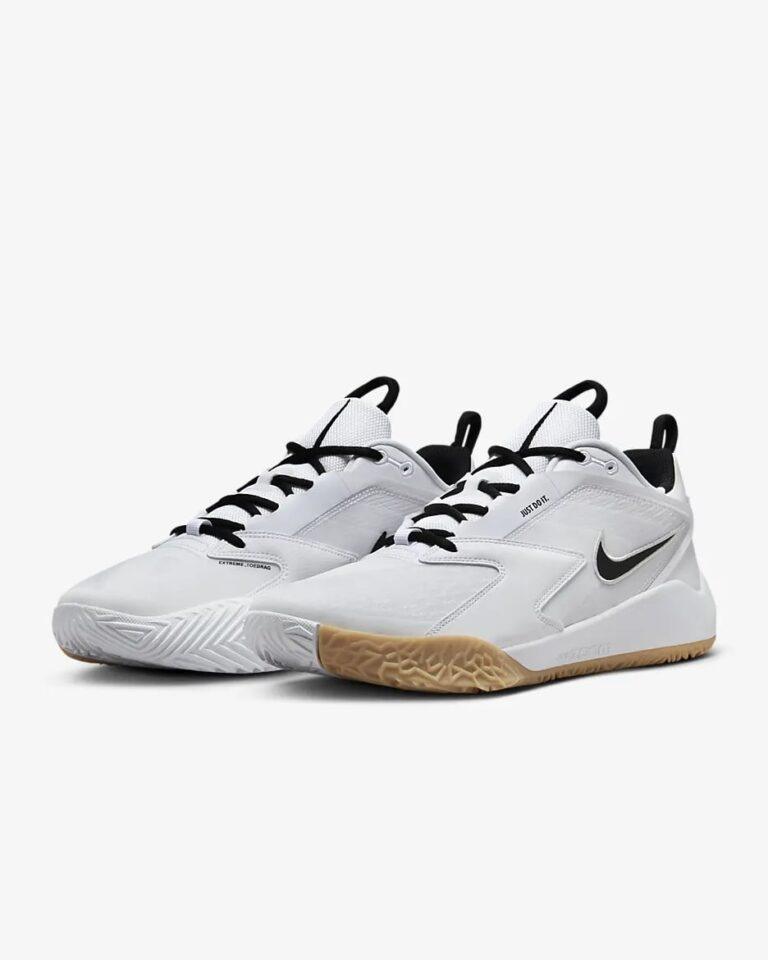
Good volleyball shoes are lightweight, stable shoes with strong grip, soft cushioning, and fast court feel.
If you’ve ever jumped for a block or landed hard after a spike, you already know how much your shoes matter. I’ve seen players go from slipping and sore to quick and confident just by switching to the right pair. In this guide, I’ll break down what are good volleyball shoes, what features actually matter, and how to choose a pair that fits your play style, your feet, and your budget.

What are good volleyball shoes?
Good volleyball shoes are built for the exact demands of the game. They help you move side to side, stop fast, jump high, and land safely on indoor courts. Unlike running shoes, they are made for short bursts of speed, hard cuts, and quick recovery between plays.
The best volleyball shoes usually have these traits:
- Strong traction for indoor courts
- Stable base to help with balance and landing
- Light build so you can move fast
- Cushioning that absorbs impact without feeling slow
- Good fit that locks your foot in place
- Breathable upper to keep your feet cooler during long matches
I’ve noticed many beginners make one simple mistake: they buy shoes based on looks or brand hype instead of court performance. That often leads to slipping, heel pain, or shoes that wear out too fast. What are good volleyball shoes? They are the ones that match your movement, protect your joints, and let you play with confidence.
:extract_cover():upscale()/2024/10/22/852/n/1922729/0ac0ad9612b939a1_netimgVwJk6l.webp)
Why volleyball shoes are different from other athletic shoes
Volleyball is full of explosive movement. You jump, land, shuffle, and change direction in a split second. That means the shoe has to do more than just feel comfortable.
Running shoes are designed to move forward in a straight line. Volleyball shoes are designed for:
- Lateral movement
- Quick stops
- Frequent jumping
- Controlled landings
- Better court grip
If you wear the wrong shoe, your body does more work than it should. Over time, that can lead to foot pain, ankle stress, or poor performance. Good volleyball shoes help reduce that risk while giving you better control on the court.
Key features that make volleyball shoes good
When people ask what are good volleyball shoes, I always tell them to look past the label and check the details. The best pair usually checks most of these boxes.
Traction
Court grip is one of the most important features. Volleyball shoes need a rubber outsole that grips indoor floors well without leaving marks. Good traction helps you stop cleanly and push off fast.
A great test is simple: if you feel like you’re sliding during defensive moves, the traction is probably not strong enough for serious play.
Cushioning
Volleyball puts a lot of force into your feet, knees, and ankles. That’s especially true for hitters and middle blockers who jump often. Cushioning helps absorb impact when you land.
Still, more cushion is not always better. Too much softness can make you feel slow or unstable. The sweet spot is a shoe that feels soft enough for comfort but firm enough for control.
Stability
Stability is huge in volleyball. You are constantly moving side to side and landing on one foot sometimes. A good shoe should keep your foot from rolling around inside the shoe.
Look for:
- Wide base
- Firm heel support
- Midfoot support
- Sidewall reinforcement
In my own experience, shoes with weak side support often feel fine during warm-up but become a problem in real matches. That’s when you notice your foot sliding inside the shoe during hard cuts.
Fit
Fit can make or break a volleyball shoe. Even the best shoe will feel bad if it is too tight, too loose, or too narrow. Your toes should have enough room to spread, but your heel should feel secure.
A proper fit should feel snug, not cramped. If your heel lifts too much or your toes hit the front on jumps, the shoe is not right for you.
Weight
Light shoes help you move faster and feel less tired. That matters during long rallies and full tournaments. But the lightest shoe is not always the best one.
A very light shoe may sacrifice support or cushioning. The goal is balance: light enough for speed, strong enough for the demands of the game.
Breathability
Volleyball matches can get hot fast. Breathable mesh uppers help reduce heat and moisture. That makes your feet more comfortable and may help reduce blister risk.
If you play in a warm gym or train for long hours, breathability becomes even more important.
What are good volleyball shoes for different player types?
Not every player needs the same kind of shoe. The best choice depends on your position, style, and body needs.
For hitters and blockers
If you spend a lot of time jumping, choose shoes with stronger cushioning and impact protection. These players usually benefit from:
- Extra heel and forefoot cushioning
- Good ankle support
- Stable landing platform
For liberos and defensive players
Liberos often need speed and quick reaction. A lighter shoe with great traction and close court feel is usually a smart pick.
Look for:
- Flexible build
- Light weight
- Fast side-to-side movement
- Strong grip for quick digs
For all-around players
If you play multiple positions, you need a balanced shoe. That means decent cushioning, solid traction, and enough support for both jumping and movement.
This is usually the safest choice for most high school and club players.
How to choose the right volleyball shoes for your feet
When people ask what are good volleyball shoes, the answer should always include foot shape and comfort. A shoe can have top-tier performance features, but if it does not fit your foot, it is the wrong shoe.
Know your foot shape
Some players have wide feet, and some have narrow feet. Others need more arch support. If you have a wider foot, avoid shoes that squeeze the toes too much. If you have a low or high arch, comfort can change a lot depending on the midsole shape.
Try them on the way you play
Do not just walk in them. If possible, test them with quick side steps, light jumps, and short stops. That gives you a much better idea of how the shoe feels on court.
Check these fit points
- Toe room: about a thumb’s width is a common guide
- Heel lock: your heel should stay in place
- Midfoot hold: the center of the shoe should feel secure
- Forefoot flex: the front should bend naturally with your foot
One mistake I made early on was choosing a shoe that felt great sitting still but terrible during jump reps. The lesson was simple: volleyball shoes should be tested like volleyball shoes, not like casual sneakers.
Common mistakes to avoid when buying volleyball shoes
A lot of players spend good money on the wrong shoe. Here are the most common mistakes I see.
- Buying running shoes for volleyball: they are not built for lateral movement.
- Choosing style over function: flashy shoes do not always perform well.
- Ignoring fit: comfort matters just as much as performance.
- Going too soft: too much cushioning can hurt stability.
- Using worn-out shoes too long: traction and support wear down over time.
- Not thinking about position: a libero and a middle blocker often need different things.
If your shoes are flat, slippery, or packed out, they may be holding back your game more than you think.
Materials and build quality that matter
The build of the shoe tells you a lot about how it will perform. Durable rubber outsoles, reinforced uppers, and strong stitching usually last longer under volleyball stress.
Good materials often include:
- Non-marking rubber outsole
- Mesh upper with support overlays
- Foam midsole for shock absorption
- Reinforced toe area for drag and toe protection
This is where trustworthy brands often stand out. Top volleyball models from companies like ASICS, Mizuno, Adidas, Nike, and Under Armour usually spend more attention on court-specific construction than general sports shoes.
Signs your volleyball shoes are no longer good
Even good volleyball shoes do not last forever. Once the support breaks down, your risk of discomfort and poor movement goes up.
Watch for these signs:
- Outsole grip is fading
- Cushioning feels flat or dead
- Shoe feels loose in the heel
- Side support feels weak
- You start getting foot or knee discomfort after practice
If your shoes look okay but feel tired, trust that feeling. In many cases, the shoe has already lost enough structure to affect performance.
Best practices for making volleyball shoes last longer
Good shoes are an investment, so treat them that way.
- Use them only for indoor volleyball when possible
- Clean the soles regularly so dust does not reduce grip
- Let them dry fully after sweaty sessions
- Rotate between pairs if you play a lot
- Avoid wearing them on rough outdoor surfaces
I’ve found that one of the easiest ways to extend shoe life is simple care. When players keep their shoes for gym use only, the traction and midsole usually last much longer.
What experts and studies suggest about court shoes
Sports medicine and footwear research consistently show that court shoes need lateral support, shock absorption, and traction suited for multi-directional movement. That matters in volleyball because the game combines jumping, landing, and rapid shifts more than straight-line running.
Experts also point out that no shoe can prevent every injury. Good volleyball shoes reduce risk and improve performance, but they work best when paired with proper landing mechanics, strength training, and enough recovery.
Frequently Asked Questions of what are good volleyball shoes
What makes volleyball shoes better than basketball shoes?
Volleyball shoes are usually lighter and designed for quicker court movement and faster transitions. Basketball shoes can have more ankle support or heavier cushioning, but they are not always as agile for repeated jumping and fast shuffles.
Can I use running shoes for volleyball?
Running shoes are not ideal for volleyball because they are made for forward motion, not side-to-side movement. They often lack the lateral stability and court traction needed for safe play.
How should volleyball shoes fit?
They should feel snug in the heel and midfoot, with a little room in the toe area. A good fit keeps your foot secure without squeezing it or causing numbness.
Are expensive volleyball shoes always better?
Not always. A higher price can mean better materials or better support, but the best shoe is the one that fits your foot and matches your playing style. Comfort and stability matter more than price alone.
How often should I replace volleyball shoes?
That depends on how much you play, but many players need a new pair once traction or cushioning starts to fail. If you notice slipping, flat cushioning, or discomfort, it may be time to replace them.
Conclusion
What are good volleyball shoes? They are shoes that help you move fast, land safely, and stay stable through every rally. The best pair fits your foot well, grips indoor courts, and gives you the right mix of cushioning and support for your position.
If you remember just one thing, make it this: the right volleyball shoes should feel like part of your game, not a distraction. Take your time, test your options, and choose the pair that helps you play with more control and confidence. If this guide helped, keep exploring more volleyball gear tips and share your questions or experience in the comments.

Rubel Miah is the Senior Editor at MyStyleGrid.com, where he brings a sharp editorial eye and an unshakable love for fashion to everything he does. A true style addict, Rubel lives and breathes trends, from streetwear to high fashion, and has a knack for turning inspiration into impactful stories. With years of experience in fashion journalism and digital media, he curates content that empowers readers to express themselves through style. When he’s not editing features or forecasting the next big thing, you’ll find him hunting down vintage pieces or capturing street style moments around the city.