Yes — most snowboard boot liners can be washed, but follow the right methods to prevent shrinkage or damage.
I’ve spent years testing gear and fixing ride-day problems, so I know when washing liners helps and when it harms. This article covers whether can you wash snowboard boot liners, which liners tolerate cleaning, step-by-step washing and drying methods, deodorizing tips, common mistakes, and when to replace liners. Read on for clear, practical guidance you can use after a long season or a soggy day on the mountain.
Can you wash snowboard boot liners? Short answer and risks
Can you wash snowboard boot liners is a common question for riders. The short answer: yes, many liners are washable, but methods vary by material and construction. If you wash liners improperly, you risk shrinking foam, separating glued seams, or damaging insulation.
I’ll walk you through how to check your liner, choose the safe cleaning option, and dry liners so they keep fit and performance. These steps protect comfort, hygiene, and board feel while avoiding costly mistakes.
Which liners are safe to wash and which are not
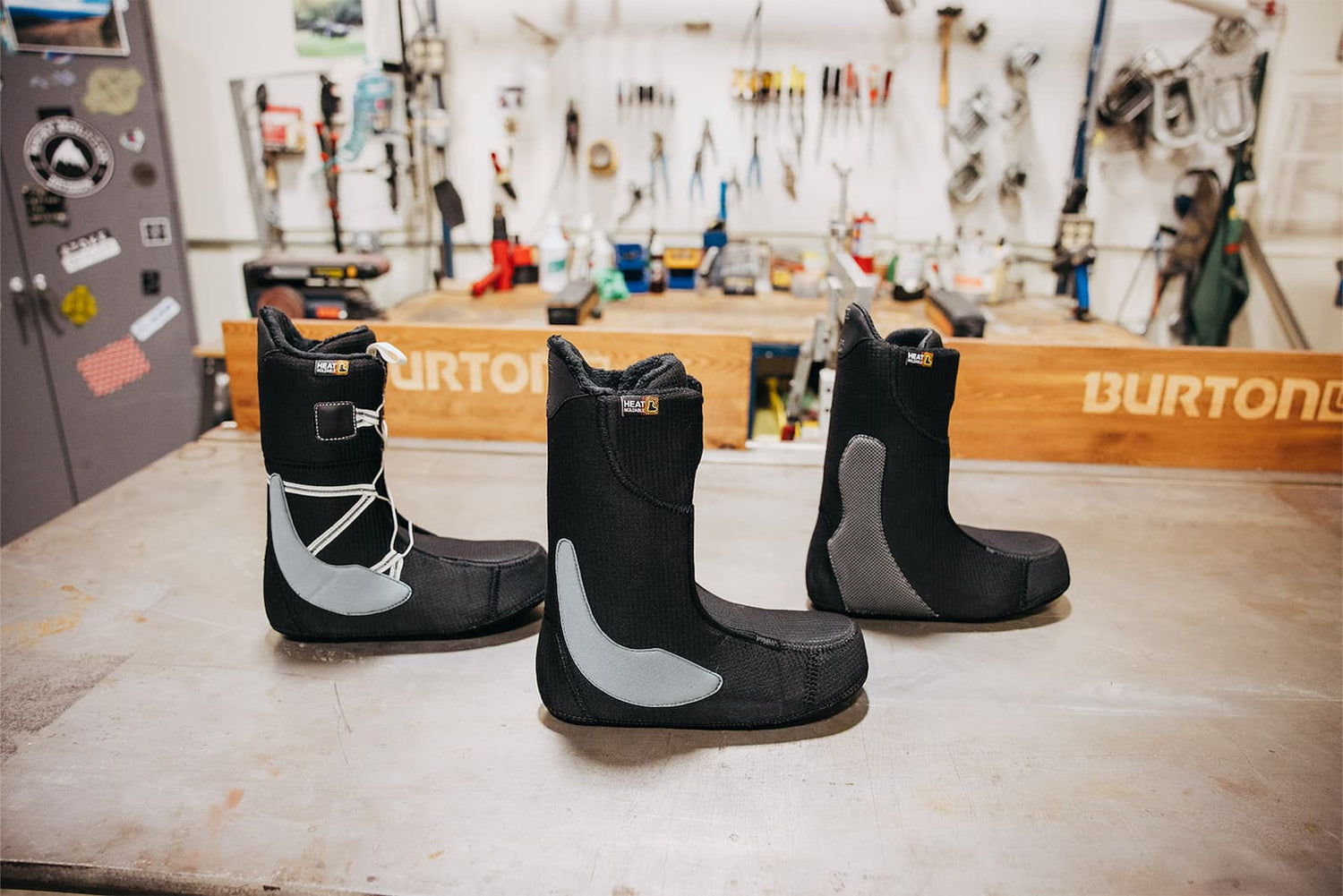
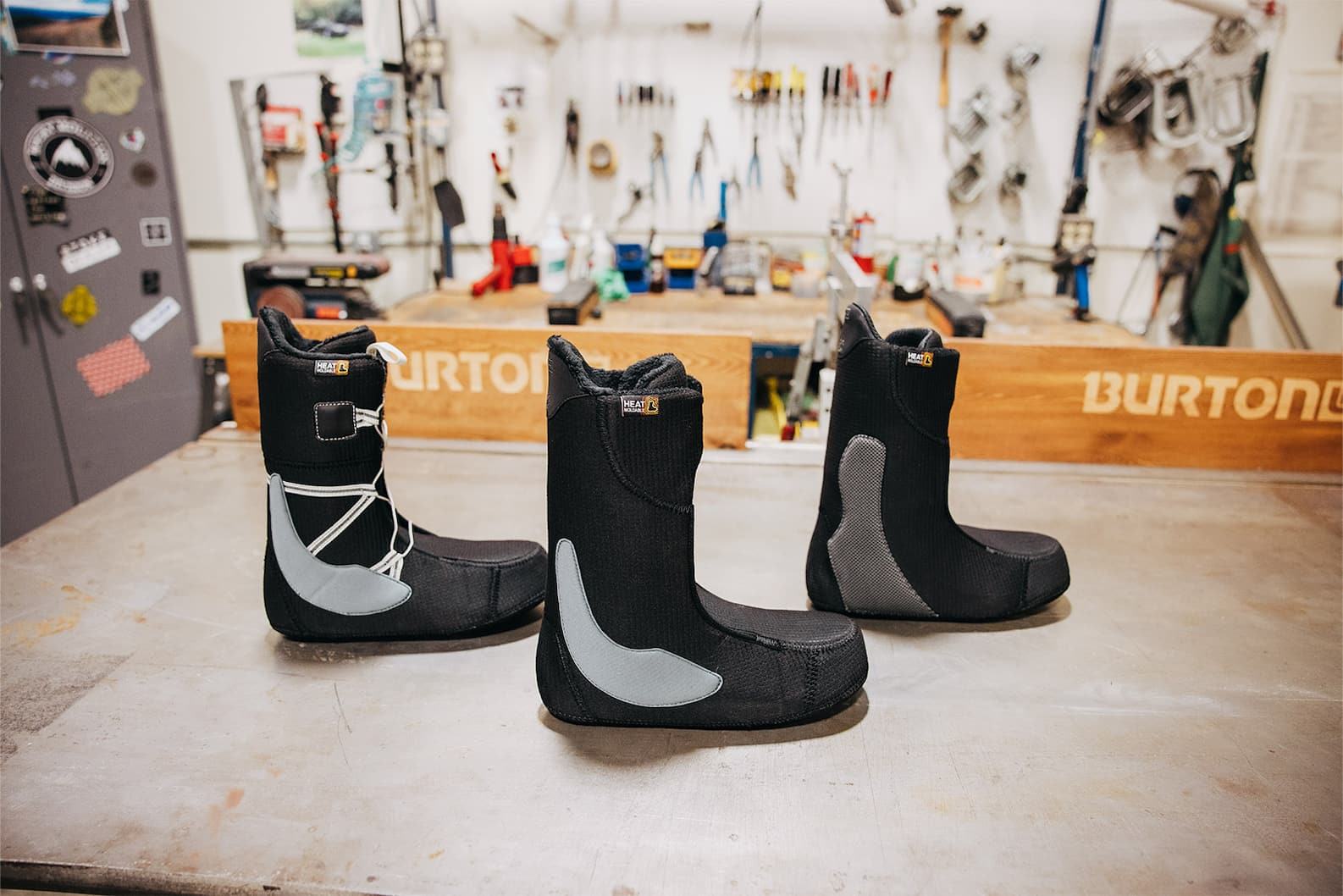
Not all liners are made the same. Some are fully removable and machine-safe; others rely on glued layers or sensitive foams.
- Molded foam liners
- Often heat-formed or glued. Machine washing can warp them or weaken glue.
- Fabric and synthetic liners
- Many are durable and designed for cleaning. Check tags or manufacturer guidance.
- Heated or battery-backed liners
- Never submerge or machine-wash. Spot clean externally and remove electronics first.
- Removable, non-molded liners
- These are the easiest to clean and usually the safest to wash by hand or machine on a gentle cycle.
Always inspect for tags or printed care instructions. If instruction is missing, assume delicate handling is required. When in doubt, opt for gentle hand washing.
How to prepare liners for washing
Good prep reduces risk. Follow these steps before you clean.
- Remove liners
- Take liners out of the shells. Remove footbeds if possible and any detachable tongue or liners.
- Check for electronics or heat elements
- Remove or isolate batteries and wiring. If unsure, treat as non-washable.
- Brush and shake out debris
- Remove grit, snow, and loose dirt with a soft brush or by hand.
- Spot-test a hidden area
- Use warm water and mild soap on an inner seam to check colorfastness or glue reaction.
Spending 5–10 minutes on prep saves damage later.
Washing methods: hand wash, machine wash, and quick clean
Choose a method that matches liner construction.
- Hand wash (most recommended)
- Use cool to lukewarm water and mild detergent. Gently squeeze and rub areas that need cleaning. Rinse fully to remove soap.
- Machine wash (only for confirmed machine-safe liners)
- Use a front-load washer or a mesh laundry bag on a gentle cycle with cold water and mild detergent. No spin-dry or high heat.
- Quick clean (on-mountain or same-day)
- Use disinfectant sprays or wipes designed for footwear, or a diluted vinegar solution to control odor between washes.
If you’re asking can you wash snowboard boot liners in a machine, know the rule: only if the liner label explicitly allows it or the liner is simple fabric without glued components.
Drying liners safely
Drying is as important as washing. Heat is the main enemy.
- Air-dry at room temperature
- Stuff liners with paper towels to keep shape. Replace paper as it soaks.
- Avoid direct heat
- Do not use a dryer, radiator, or hair dryer on high heat. Heat can warp foam.
- Use indirect airflow
- Place liners near a fan or in a well-ventilated room. Position them upside down to let water drain.
- Remove insoles separately
- Dry insoles flat and replace liners on the feet only when fully dry.
Drying can take 24–48 hours depending on conditions. Rushing increases the risk of odor and damage.

Deodorizing and removing odor safely
Cleaning a liner doesn’t guarantee a fresh smell. Try these safe deodorizing steps.
- Baking soda
- Sprinkle inside dry liners and let sit overnight, then shake out.
- White vinegar spray
- Mix one part vinegar to four parts water and lightly mist. Air dry fully.
- Specialized shoe deodorizers
- Use enzyme-based sprays or powder designed for footwear.
- Freeze method
- Place liners in a plastic bag and freeze overnight to slow or kill odor-causing bacteria. Let thaw and dry before use.
Avoid harsh chemicals that can break down liner fabric or foam.

Maintenance tips to extend liner life
Care extends comfort and saves money. Small steps go far.
- Dry liners after every wet day
- Never store damp liners in a closed bag.
- Rotate multiple liners if you ride often
- Rotating helps liners fully dry and reduces wear.
- Re-heat mold only when recommended
- If you re-mold liners, follow maker instructions to avoid over-heating.
- Replace insoles yearly or when compressing occurs
- Insoles wear faster than shells and affect fit.
Keeping liners clean and dry prevents breakdown and reduces bad smells.
Common mistakes to avoid
Avoid these pitfalls that ruin liners fast.
- Using hot water or a dryer
- Heat is the quickest way to warp foam and delaminate glues.
- Using bleach or harsh detergents
- These strip fabrics and weaken adhesives.
- Skipping the prep step
- Leaving debris or electronics in place risks damage during washing.
- Washing glued or heat-molded liners in a machine
- This causes separation and shape loss.
Stay conservative when uncertain. Gentle methods protect performance.

When to replace liners instead of washing
Sometimes washing isn’t the answer. Replace liners if you see:
- Permanent compression or loss of support
- Old foam won’t rebound to original fit.
- Delamination or torn seams
- Structural failures can’t be fixed with cleaning.
- Persistent odor after safe cleaning
- Bacterial colonies deep in foam may be irreversible.
- Warped shape after improper drying
- If fit changes, comfort and control suffer.
Knowing when to replace saves time and preserves your ride quality.
My real-world experience and lessons learned
I’ve cleaned dozens of liners after long seasons and a few mistakes taught me key lessons. Once I machine-washed a pair of lightly glued molded liners; they lost heel support and became unusable. After that, I always check labels and prefer hand washing.
One winter I used paper towels and a fan to dry liners overnight between shifts. That kept them fresh and extended liner life. I learned that small, consistent care beats rare deep cleans.
My practical tips: always check maker instructions, remove electronics, use cool water and mild soap, and never rush drying.
PAA-style quick questions
Can you wash snowboard boot liners in a washing machine? Only if the manufacturer or care label says machine-washable. Otherwise choose hand washing to avoid damage.
How often should you wash liners? Wash liners when visibly soiled or when odor persists despite spot cleaning. Light deodorizing after each use helps reduce full washes.
Will washing liners change fit? Improper washing or high heat drying can change liner shape and fit. Proper, gentle cleaning usually preserves fit.
What is the best detergent for liners? Use a mild, non-bleach detergent or soap designed for outdoor gear to protect fabrics and adhesives.
Can you use a dryer to speed up drying? No. Heat from a dryer can warp foam and break glues — always air-dry at room temperature.