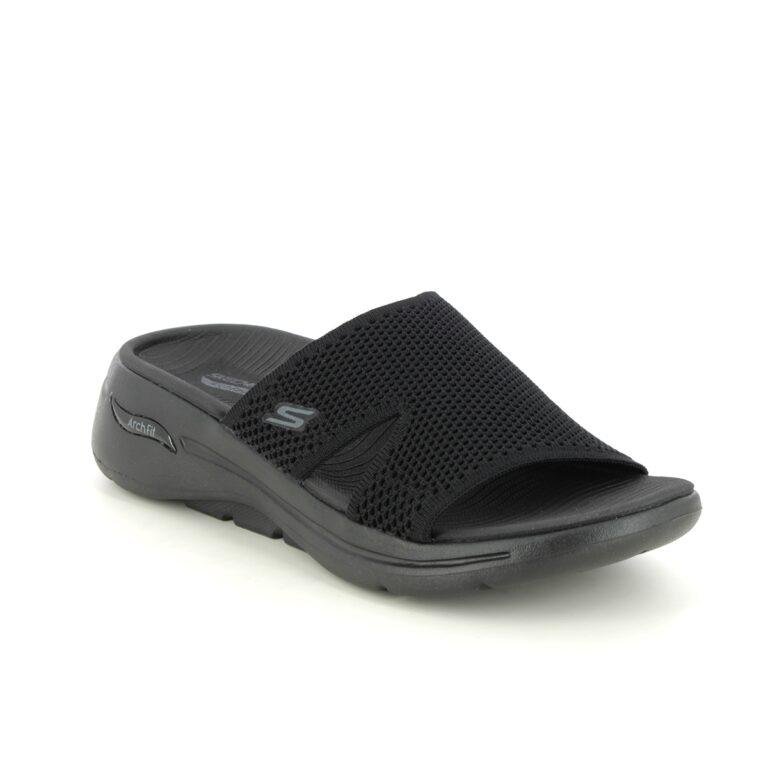
Sandals can be good for your feet when they fit well, support your arch, and suit the activity.
Are sandals good for your feet? The honest answer depends on the sandal, your foot shape, and how long you wear them. Supportive sandals can keep feet cool and comfortable, while thin, loose, or poorly fitted pairs may cause pain. This guide explains the benefits, risks, best styles, and simple ways to choose sandals with confidence.
Are sandals good for your feet?
Yes, sandals can be good for your feet in the right situation. They may allow air to reach the skin, reduce heat, and provide comfort during warm weather. Some sandals also offer firm arch support, cushioned soles, and secure straps.
However, not every sandal supports healthy foot movement. A flat flip-flop may offer little shock absorption. A loose sandal may make your toes grip the sole with every step. Over time, this can strain the toes, arches, ankles, and lower legs.
The key question is not only “Are sandals good for your feet?” It is also “Are these sandals right for my feet and this activity?”
For example:
• Supportive walking sandals can work well for errands and travel.
• Water sandals can protect feet near pools, beaches, and locker rooms.
• Dress sandals may be fine for short events but less suitable for long walks.
• Flip-flops are useful for brief trips but often lack support for all-day wear.

Benefits of wearing sandals
Well-made sandals can offer several foot health benefits. Their value depends on the design and your personal needs.
Better airflow
Open footwear lets air move around your feet. This may help reduce sweat and moisture. Dry skin is less likely to soften and rub inside the shoe.
Good airflow can also feel helpful in hot climates. Still, sandals do not prevent all skin problems. You should wash and dry your feet well, especially between the toes.
Less pressure on the toes
Some sandals have a wide front. This gives the toes more room to spread. A roomy toe area may feel better than a narrow shoe that pushes the toes together.


This matters for people with bunions, hammertoes, or sensitive toes. The sandal should not press on a bump or rub the skin.
Easy movement
Light sandals can feel less restrictive than closed shoes. They may work well for short walks, casual use, and relaxing at home.
A flexible sole can support natural movement. Yet a sole that bends too easily may not protect the foot on hard ground.
Useful support options
Many modern sandals include features once found only in athletic shoes. These may include:
• Contoured footbeds
• Arch support
• Heel cups
• Shock-absorbing midsoles
• Adjustable straps
• Firm heel counters
These features can improve comfort and help the foot stay in a stable position. They do not guarantee that a sandal will suit everyone.

When sandals may be bad for your feet
Sandals can cause problems when they force the foot to work too hard. The most common issue is poor support.
Flip-flops and toe gripping
Many flip-flops stay on the foot with one narrow strap. To keep them from slipping, you may curl or grip your toes. This small action can repeat hundreds or thousands of times during a long day.
Toe gripping may contribute to:


• Sore toes
• Tight calf muscles
• Arch pain
• Heel pain
• Tired feet
Flip-flops are not always harmful. They can be useful in a public shower or for a short walk. They become less suitable for long walks, driving, hiking, or standing all day.
Thin, flat soles
A very thin sole gives little cushioning from concrete, tile, or pavement. It may also offer poor protection from sharp objects and hot surfaces.
Flat sandals are not automatically bad. Some people tolerate them well for short periods. The problem begins when the sole does not match your foot or activity.
Loose or unstable straps
A sandal that slides around can change how you walk. You may shorten your stride, twist your foot, or tighten your toes to stay secure.
The sandal should hold your foot without squeezing it. Adjustable straps are often better than a fixed, loose design.
Excessive height
High wedges and platform sandals may increase pressure on the front of the foot. They can also make the ankle less stable.
Falls and ankle sprains are more likely when the heel is high and the base is narrow. If you wear elevated sandals, choose a wide, stable base and walk carefully.
Which sandals provide the best foot support?
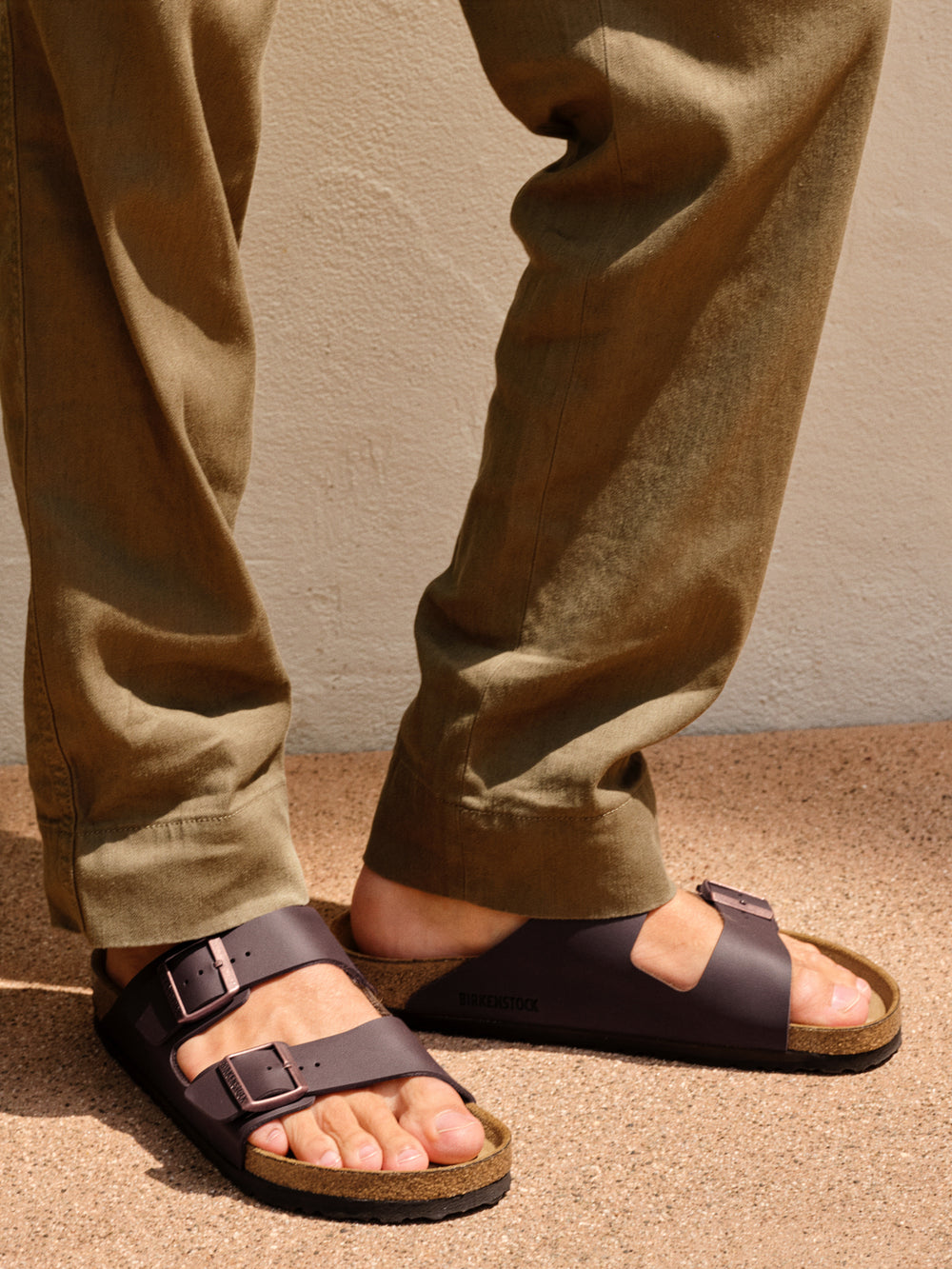
The best sandals for your feet should match your shape, comfort needs, and planned activity. Look for a design that feels stable from the first step.
Features to look for
Choose sandals with:


• A firm but comfortable sole
• A cushioned footbed
• Moderate arch support
• A heel cup or stable heel area
• Adjustable straps
• A wide and comfortable toe box
• A sole that does not twist easily
• Good traction under the foot
The sandal should bend near the ball of the foot, not in the middle. This allows normal toe movement while keeping the arch supported.
Features to limit
Use caution with sandals that have:
• One thin strap
• A completely flat, hard sole
• A narrow toe area
• A slippery bottom
• A loose heel


• Excessive height
• Rough seams or hard edges
A sandal can look stylish and still be poorly designed. Fashion should not require daily foot pain.
Sandals for walking
Walking sandals should feel closer to a walking shoe than a beach flip-flop. They need cushioning, grip, and secure straps.
Try walking around a store for several minutes. Pay attention to heel movement, toe gripping, rubbing, and pressure under the arch. If discomfort starts in the store, it will likely worsen after several hours.
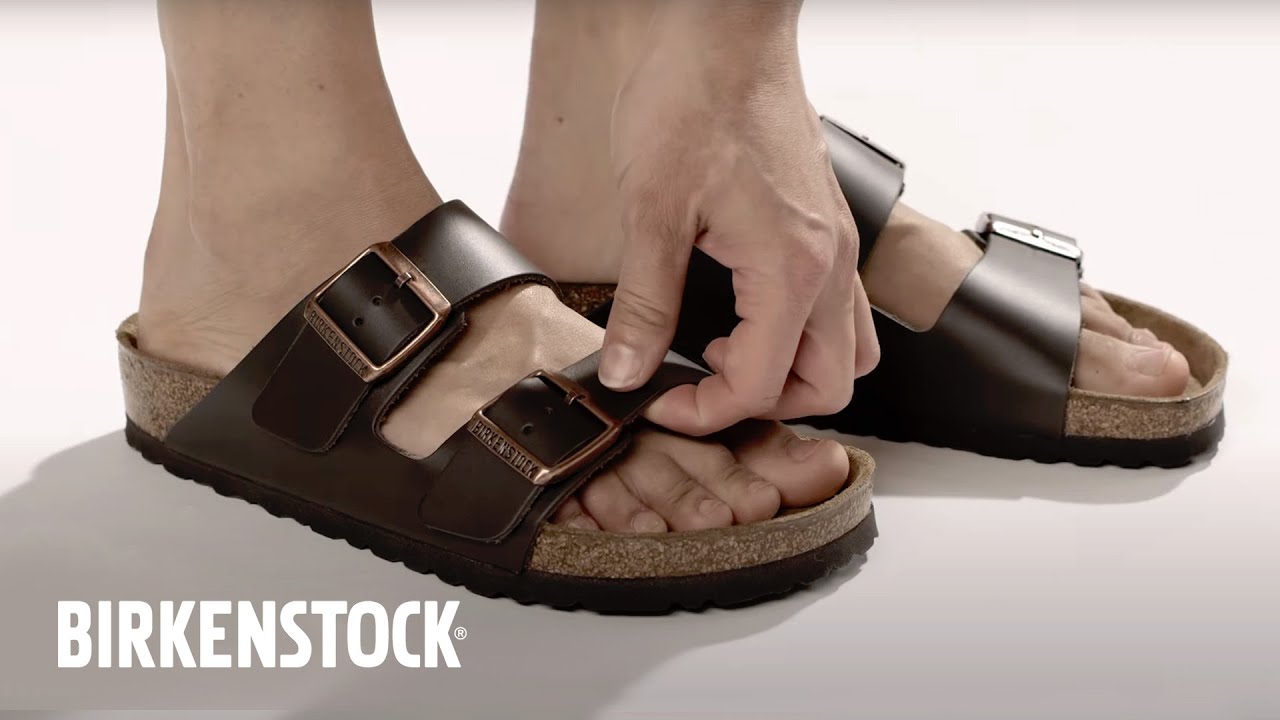
Are sandals good for people with foot problems?
The answer is different for each condition. Sandals may help some people, but they are not a treatment for foot disease.
Plantar fasciitis
People with plantar fasciitis often need a stable sole and good cushioning. Very flat sandals may increase strain under the heel and arch.
A supportive sandal with a contoured footbed may feel better. However, ongoing heel pain should be checked by a health professional.
Bunions
A wide toe box can reduce pressure on a bunion. Avoid straps that cross directly over the bump or squeeze the front of the foot.
Sandals cannot reverse a bunion. They may simply reduce irritation during daily activity.
Diabetes
People with diabetes may have reduced feeling in their feet. Open sandals can expose the skin to cuts, burns, and small objects.
A person with diabetes should ask a medical professional about suitable footwear. Check the feet each day for redness, blisters, cuts, or swelling.
Flat feet
Some people with flat feet feel comfortable in flexible sandals. Others need more structure and arch support.
Comfort is useful information, but it is not the only measure. Watch for repeated pain, fatigue, or ankle strain after wearing a pair.
Arthritis
Soft cushioning and adjustable straps may help people with arthritis. A sandal that is easy to fasten can also reduce hand strain.
Avoid stiff straps that press on swollen joints. A podiatrist can suggest options if pain limits walking.

How to choose sandals that support healthy feet
Use this simple fitting process before buying a new pair.
1. Measure both feet
Feet can differ in length and width. Measure both while standing, since the feet spread under body weight.
Choose the size that fits the larger foot. Your toes should not hang over the front or touch the end.
2. Check the toe area
Your toes should rest naturally. They should not curl, overlap, or press against each other.
There should be enough room to move the toes slightly. A wide toe box is often more comfortable than a pointed front.
3. Test the straps
Walk, turn, and climb a few steps if possible. The sandal should stay on without toe gripping.
Straps should feel secure but not leave deep marks. Adjustable straps can help manage small changes in foot swelling.
4. Inspect the sole
Try to bend the sandal near the ball of the foot. If it folds in half with little effort, it may not provide enough support for long walks.
Also check the tread. Good traction lowers the chance of slipping on wet or smooth surfaces.
5. Wear them gradually
Do not wear new sandals for a full day at once. Start with 20 to 30 minutes at home.
Look for hot spots, redness, rubbing, or pain. Stop if these signs appear. A blister is a warning, not a normal part of breaking in footwear.
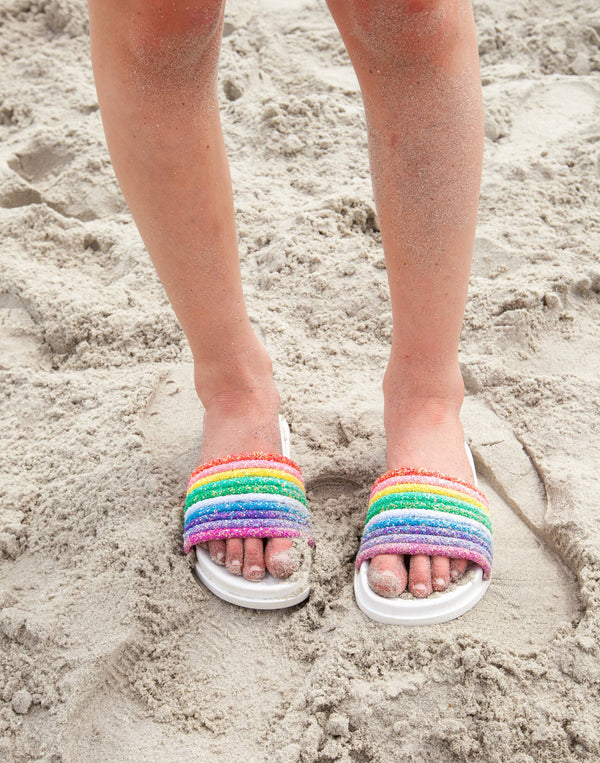
How long should you wear sandals?
There is no single time limit for everyone. Your feet, the sandal, and the activity all matter.
Supportive sandals may work for several hours of walking. Less supportive sandals may be better for short trips. Alternate footwear if your feet feel tired.
A useful approach is to change shoes during long days. For example, wear walking sandals for sightseeing and switch to a supportive closed shoe when your feet need more protection.
Avoid wearing sandals for demanding activities unless they are designed for them. Hiking, sports, yard work, and long city walks may require shoes with stronger protection and stability.
One practical lesson is simple: do not wait for pain to tell you a sandal is unsuitable. Early signs include toe tension, burning under the foot, heel soreness, and ankle fatigue.

Common mistakes to avoid
Many sandal problems come from small habits rather than serious foot conditions.
Avoid these common mistakes:
• Wearing flip-flops for all-day walking
• Buying a pair that is too small
• Ignoring rubbing or pressure
• Choosing style over stability
• Wearing worn-out soles
• Walking long distances without a gradual increase
• Wearing sandals with poor grip on wet surfaces
• Assuming a high price means better support
Replace sandals when the sole becomes uneven, smooth, cracked, or compressed. An uneven sole can change how your foot and ankle absorb force.
If pain continues after changing footwear, seek medical advice. Foot pain may come from tendon problems, nerve irritation, arthritis, injury, or another condition that sandals cannot fix.
Sandals versus sneakers: which is better?
Neither option is always best. Sneakers usually provide more protection, cushioning, and stability. Sandals often provide better airflow and easier use in hot weather.
Sneakers may be better for:
• Long-distance walking
• Running and exercise
• Uneven ground
• Cold weather
• Foot protection
Sandals may be better for:
• Short casual walks
• Warm weather
• Pool areas and beaches
• Indoor use
• People who prefer an open design
The best choice depends on the task. Think of footwear as a tool. You would not use beach gear for a mountain trail, and your feet also need the right tool for the job.
When to see a foot specialist
Most mild sandal-related discomfort improves after changing footwear and reducing activity. Some symptoms need professional attention.
Contact a health professional if you have:
• Severe or lasting pain
• Repeated blisters or open sores
• Numbness or tingling
• Swelling that does not improve
• A sudden change in walking ability
• Signs of infection
• Foot pain linked to diabetes
A podiatrist can assess your walking pattern, foot structure, and footwear needs. They may recommend exercises, inserts, therapy, or a different type of shoe.
Research on footwear and foot pain is useful, but comfort studies do not prove that one sandal is perfect for every person. Individual fit remains important.
Frequently Asked Questions
Are sandals good for your feet every day?
Supportive sandals may be fine for daily use if they fit well and match your activities. Avoid wearing poorly supported sandals for long walks or extended standing.
Are flip-flops bad for your feet?
Flip-flops are not always bad, but many provide little arch support, cushioning, or heel stability. They are best for short use, such as walking around a pool or beach.
What are the best sandals for walking?
The best walking sandals have secure adjustable straps, a cushioned footbed, a stable sole, good traction, and enough toe room. Try them on and walk before buying.
Can sandals cause plantar fasciitis?
Sandals with thin, flat soles may aggravate plantar fasciitis in some people. A supportive design may feel more comfortable, but persistent heel pain needs professional evaluation.
Should sandals have arch support?
Many people find moderate arch support comfortable, especially during long periods of walking. The right amount depends on your foot shape and personal comfort.
Can I wear sandals if I have bunions?
You may be able to wear sandals with a wide toe box and soft, well-placed straps. Avoid designs that press on the bunion or force the toes together.
How do I know if sandals fit correctly?
Your heel should stay in place, your toes should not hang over the edge, and your foot should not slide from side to side. You should also be able to walk without gripping the sandal with your toes.
Conclusion
So, are sandals good for your feet? They can be, when they offer a secure fit, a stable sole, enough cushioning, and room for natural toe movement. Thin flip-flops, loose straps, and high unstable designs are less suitable for long walks or daily standing.
Choose sandals for the activity, introduce them slowly, and treat pain or rubbing as useful feedback. Compare supportive styles, check your fit, and ask a foot specialist for advice if symptoms continue. Share your favorite sandal tips or explore more footwear guides to make your next step more comfortable.

Madison Clark is a footwear expert and the voice behind MyStyleGrid.com. She specializes in honest shoe reviews, style tips, and practical guides to help readers find the perfect pair for any occasion. With years of experience in blogging and content creation, Madison makes footwear knowledge simple, stylish, and easy to follow.