Reef sandals can be good for short walks, but comfort depends on the model, fit, support, and walking surface.
Are Reef sandals good for walking? The honest answer is yes for casual, low-impact walks, beach trips, errands, and travel days, but not every pair is built for long distances. Reef makes many styles, from simple flip-flops to cushioned slides and sandals with heel straps. Understanding the differences can help you choose a pair that feels comfortable instead of leaving your feet sore.
Are Reef sandals good for walking?
Reef sandals can be good for walking when they fit well and provide enough cushioning, grip, and foot stability. They are often comfortable for walks around a resort, boardwalk, pool, beach, or neighborhood.
However, Reef sandals are not all designed for the same purpose. A soft flip-flop may feel great for a few minutes but offer little support after several miles. A more structured sandal with a contoured footbed and secure straps is usually a better choice for extended walking.
The most important factors are:
• Cushioning under the heel and ball of the foot
• A footbed that supports your natural arch
• A secure upper that keeps the sandal attached to your foot
• A sole with enough grip for the surface
• Room for your toes to move without sliding forward
In simple terms, Reef sandals can work well for light walking, but they may not replace walking shoes for daily exercise or long city tours.
:max_bytes(150000):strip_icc()/vwt-frankie4-womens-thompson-gabrielle-applebury-7-a28aa77227c04761872cf1a33e060552.jpeg)
What makes a Reef sandal comfortable for walking?
A walking-friendly sandal should support your foot without feeling stiff. Think of the sandal as a small platform. If the platform bends, slips, or lacks padding, your foot must do more work with every step.
Cushioning
Cushioning helps reduce the feel of hard pavement, tile, and packed ground. Reef uses different foam and rubber materials across its product range, so comfort can vary by model.
A cushioned footbed may help during short walks and casual travel. Still, very soft foam is not always better. If the foot sinks too deeply, the sandal can feel unstable and may cause extra work for your calves and ankles.
Arch support
A contoured footbed can spread pressure more evenly across the sole. This may feel helpful if you have tired feet or mild arch discomfort.
Many basic flip-flops have a flat footbed. Flat sandals are not automatically harmful, but they may become uncomfortable during long walks, especially for people who already deal with plantar fascia pain, heel pain, or overpronation.
Heel security
A heel strap is one of the clearest signs that a sandal may handle more walking. It reduces the need to grip the sandal with your toes.
Flip-flops often make the toes curl slightly to keep the shoe in place. That small movement may not bother you for a quick trip. Over many miles, though, it can contribute to fatigue in the toes, arch, and lower leg.
Sole grip
A rubber outsole can provide traction on dry pavement and many outdoor surfaces. Even so, wet tile, moss, smooth rocks, and oily ground can be slippery.
Before wearing Reef sandals on a long trip, check the tread. A worn sole may look fine but provide much less grip than it did when new.

When are Reef sandals good for walking?
Reef sandals are often a good choice for short and casual walks. They can be useful when you want something lighter and cooler than closed shoes.
Good uses include:
• Walking from a hotel room to the pool
• Strolling along a beach or boardwalk
• Running a quick errand
• Walking around a warm-weather market
• Wearing after a workout or at a campsite
• Taking a short walk on a mostly level path
Reef sandals may also work well during travel when you need shoes that are easy to remove. Some models are water-friendly, which makes them practical for vacations near pools, lakes, and beaches.
The answer to “are Reef sandals good for walking?” becomes less favorable when the route is long, steep, uneven, or fast-paced. A three-mile stroll on flat pavement is not the same as a full day of sightseeing on hills and concrete.
For long walks, choose the most supportive Reef style you can find. A sandal with a heel strap, firm footbed, padded straps, and a textured outsole will usually perform better than a thin, loose flip-flop.

Benefits of wearing Reef sandals for walking
Reef sandals have several practical benefits. These advantages explain why many people use them for warm-weather walking.
They keep feet cool
Open sandals allow air to move around the foot. This can reduce the warm, damp feeling that often occurs inside sneakers during summer.
Better airflow may also help people who dislike wearing closed shoes in hot weather. However, open footwear does not prevent sun exposure, cuts, or insect bites.
They are lightweight
Many Reef sandals are easy to pack and carry. Their lower weight can be useful on vacations, camping trips, and beach days.
Light footwear may also feel less tiring during short walks. But a low weight should not come at the cost of poor stability.
They are easy to clean
Many casual sandals can be rinsed after contact with sand, salt water, or dirt. This makes them practical for outdoor use.
Always follow the care instructions for the specific model. Some materials may crack, shrink, or lose their shape if exposed to high heat.
They offer casual style
Reef sandals come in many colors and designs. They can match shorts, swimwear, casual pants, and summer dresses.
This style benefit matters because people are more likely to wear shoes that suit their daily routine. The best sandal is useful, comfortable, and easy to wear.
They can be convenient for travel
A pair of Reef sandals can serve several roles on a trip. You may wear them at the beach, pool, hotel, and casual restaurants.
Still, travelers who expect to walk several miles each day should pack a second pair of supportive walking shoes.
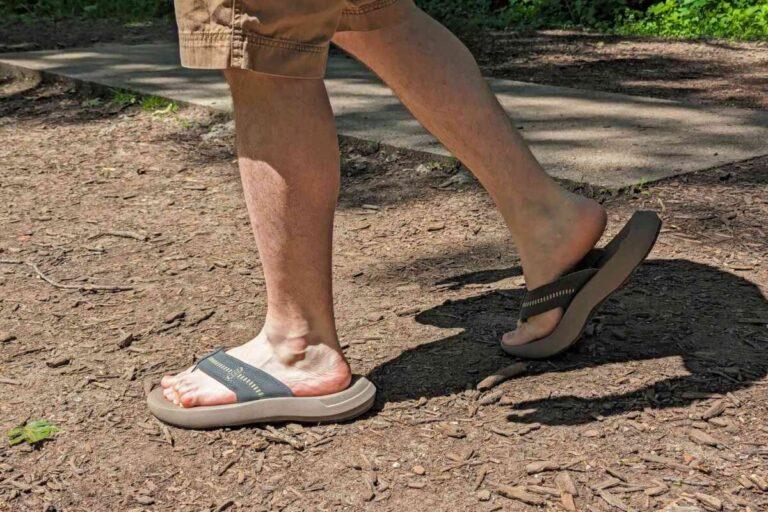
:max_bytes(150000):strip_icc()/tal-comfortable-mens-sandals-may-24-test-reef-swellsole-cruiser-adam-gray-11-58b0eac1030447019526b42c84922d23.jpeg)
Limitations of Reef sandals for long walks
The question “are Reef sandals good for walking?” requires some caution because sandals expose the foot to several common problems.
Limited support in simple styles
Basic flip-flops often have a flat sole and a narrow strap. They may not control foot movement as well as a walking shoe.
This does not mean every flip-flop causes injury. It means the foot may become tired sooner when the sandal lacks structure.
Less protection
Open footwear leaves the toes and sides of the foot exposed. A dropped item, sharp shell, hot pavement, or rough trail can cause injury.
Sandals also offer less protection from stones and debris than closed shoes.
Greater risk of rubbing
Straps can rub when your feet sweat or swell. Long walks may turn a small pressure point into a painful blister.
New sandals should be tested at home first. Do not make your first long walk a full day at a theme park.
Less stability on uneven ground
Loose sandals can slide on gravel, grass, stairs, or sloped paths. Your ankle may also move more when the sole twists easily.
For trails, steep streets, and rocky areas, hiking shoes or trail sandals with stronger straps are usually safer.
Possible foot fatigue
A flat or flexible sole may make the feet work harder. Some people notice soreness in the heel, arch, calves, or lower back after walking in unsupportive sandals.
If pain continues after you stop wearing them, consider speaking with a podiatrist or other qualified health professional.

How to choose the best Reef sandals for walking
If you want Reef sandals for walking, use this simple checklist before buying.
1. Check the fit
Your heel should stay on the footbed. Your toes should not hang over the front edge.
There should be a small amount of space around the toes, but the foot should not slide from side to side. Walk on a firm floor and notice whether your foot moves inside the sandal.
2. Look for a secure strap
A sandal that stays attached with little effort is usually more comfortable. Adjustable straps are useful because feet can swell during hot days or long walks.
A heel strap is especially helpful if you plan to walk more than a mile or two.
3. Test the footbed
The footbed should feel supportive, not painfully hard. It should also avoid sharp edges or pressure points.
Stand in the sandals for several minutes. Then walk, turn, and climb a few stairs if possible.
4. Bend the sole
A good casual walking sandal should flex near the front of the foot. It should not fold completely in half with little resistance.
A sole that twists excessively may provide less stability. A sole that is extremely stiff may feel uncomfortable if it does not match your stride.
5. Inspect the outsole
Look for a textured rubber outsole. Deeper patterns may provide better grip on outdoor surfaces.
Remember that no casual sandal is slip-proof. Use extra care on wet floors and smooth rocks.
6. Match the sandal to your plans
Choose a simple pair for the pool or quick errands. Choose a more structured pair for sightseeing, travel, and longer walks.
If you have diabetes, reduced foot sensation, or a history of balance problems, ask a health professional for personalized footwear advice.

Tips for walking comfortably in Reef sandals
Even supportive sandals need a short break-in period. Start with 15 to 30 minutes at home or on a short, flat walk.
Use these practical tips:
• Apply a small amount of anti-chafing balm to areas that rub
• Keep toenails trimmed to reduce pressure at the front
• Avoid wearing new sandals for an all-day trip
• Carry lightweight sneakers if you expect to walk for hours
• Let wet sandals dry naturally instead of placing them near strong heat
• Replace sandals when the tread is smooth or the footbed is visibly compressed
• Stop walking if you feel sharp pain, numbness, or a hot spot
One lesson many walkers learn too late is that comfort at minute ten does not guarantee comfort at hour six. Test the sandals for the type of walking you actually plan to do.
For example, a pair may feel excellent during a short beach walk but cause heel soreness during a full day in a city. The surface, distance, pace, and weather all affect how your feet respond.
Reef sandals compared with walking shoes
Walking shoes usually provide more protection, heel security, and control than casual sandals. They also tend to reduce the amount of dirt, water, and debris that reaches the foot.
Reef sandals have an advantage in hot weather because they are open, light, and easy to remove. They may also dry faster after a splash.
Here is a simple comparison:
• Reef flip-flops: Best for short walks, showers, pools, and beach use
• Structured Reef sandals: Better for casual walking and travel
• Walking shoes: Better for long distances, daily exercise, and hard pavement
• Hiking sandals: Better for uneven outdoor routes when they include strong straps and a durable outsole
The right choice depends on the task. Asking “are Reef sandals good for walking?” is similar to asking whether a bicycle is good for travel. It depends on the distance, terrain, and purpose.
Signs your Reef sandals are not right for you
Your sandals may not be a good walking match if you notice:
• Toe gripping
• Heel slipping
• Repeated blisters
• Arch or heel pain
• Numbness or tingling
• Ankle wobbling
• Knee, hip, or back discomfort
• Pain that lasts after removing the sandals
Mild tiredness after a long day can be normal. Sharp pain is not something to ignore.
Try adjusting the straps, changing the walking surface, or reducing the distance. If the problem continues, switch footwear and seek professional advice.
Frequently Asked Questions
Are Reef sandals good for walking all day?
Some structured Reef sandals may work for a full day if they fit well and provide strong cushioning and stability. Basic flip-flops are usually better for short walks than all-day sightseeing.
Are Reef flip-flops good for long walks?
Reef flip-flops can be comfortable for short, flat walks, but they often lack heel support and arch structure. For long walks, select a sandal with a secure strap or wear supportive walking shoes.
Can you hike in Reef sandals?
Some Reef sandals may handle easy, dry paths, but casual flip-flops are not suitable for hiking. Rocky, steep, wet, or uneven trails require footwear with stronger traction, protection, and foot security.
Are Reef sandals good for people with flat feet?
They may be comfortable if the model has a supportive, contoured footbed and a secure fit. People with flat feet and ongoing pain should ask a podiatrist to recommend suitable footwear.
Do Reef sandals cause plantar fasciitis?
Reef sandals do not automatically cause plantar fasciitis, but flat and unsupportive styles may worsen symptoms in some people. If heel pain develops or continues, stop using the sandals for long walks and seek medical guidance.
How long does it take to break in Reef sandals?
Many pairs feel comfortable right away, but straps may need a few short wears to soften. Start with brief walks and increase use gradually to reduce rubbing and blisters.
Are Reef sandals good for beach walking?
They can be useful for casual beach walking, especially when the sole has good grip and the straps stay secure. Be careful on hot sand, sharp shells, wet rocks, and areas with strong waves.
Conclusion
So, are Reef sandals good for walking? Yes, they can be a good option for short walks, beach trips, pool areas, errands, and casual travel. For longer distances, choose a structured model with cushioning, arch support, secure straps, and a grippy outsole.
Do not judge a sandal only by how soft it feels in the store. Walk in it, check how well it stays on your foot, and match it to the distance and surface you expect to cover. If you plan a long trip, pack supportive walking shoes as a backup and explore more footwear guides before making your choice.

Madison Clark is a footwear expert and the voice behind MyStyleGrid.com. She specializes in honest shoe reviews, style tips, and practical guides to help readers find the perfect pair for any occasion. With years of experience in blogging and content creation, Madison makes footwear knowledge simple, stylish, and easy to follow.