Yes, many vision insurance plans help pay for prescription sunglasses, but coverage rules and limits vary widely.
Can you get sunglasses with vision insurance? Usually, yes, if the sunglasses include prescription lenses. Standard plans often treat them as prescription eyewear, while nonprescription sunglasses are less likely to qualify. This guide explains allowances, lens rules, copays, exclusions, and smart ways to lower your out-of-pocket cost.
Can You Get Sunglasses With Vision Insurance?
In many cases, you can get prescription sunglasses with vision insurance. The key detail is the prescription. Most plans cover eyewear that helps correct vision, such as nearsightedness, farsightedness, or astigmatism.
Regular sunglasses with plain lenses usually do not qualify. They protect your eyes from sunlight, but they do not correct your vision. Some plans may offer limited protection benefits, but this is not common.
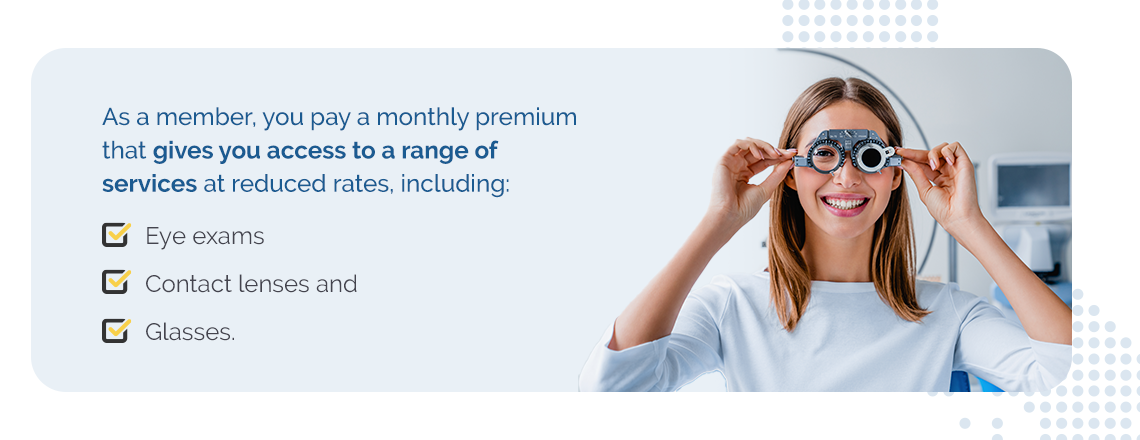
Vision insurance often works through one of these options:
• An annual frame and lens allowance
• A fixed copay for lenses
• A discount on frames or lens upgrades
• Coverage for prescription sunglasses instead of regular eyeglasses
• A separate benefit for contact lenses
For example, your plan may give you a $150 frame allowance each year. You could use that amount toward prescription sunglasses, regular glasses, or both, depending on the plan rules.

How Prescription Sunglasses Coverage Usually Works
The answer to “can you get sunglasses with vision insurance” depends on how your plan defines covered eyewear. Most policies cover the basic prescription lens but charge more for special features.
A typical vision insurance benefit may include:
• A routine eye exam once every 12 or 24 months
• A lens benefit after a small copay
• A frame allowance every 12 or 24 months
• Discounts on lens coatings and upgrades
• A contact lens allowance instead of glasses
Prescription sunglasses may use your frame allowance. The lenses may count as your covered pair for that benefit period. In other words, buying sunglasses may mean you cannot also receive a fully covered pair of clear eyeglasses during the same period.
Some insurers cover prescription sunglass lenses but not the tinted color. Others cover a basic tint but charge extra for polarized lenses, mirror coatings, or specialty colors.
Always review the benefit summary before ordering. A quick call to the insurer can prevent an unwelcome bill.
What Types of Sunglasses Does Vision Insurance Cover?
Vision insurance is most likely to cover prescription sunglasses. These sunglasses contain lenses made to match your current prescription.
Covered options may include:
• Prescription single-vision sunglasses
• Prescription bifocal sunglasses
• Prescription progressive sunglasses
• Prescription lenses with a basic tint
• Prescription lenses in an approved frame
Nonprescription sunglasses are less likely to receive coverage. This includes most fashion sunglasses, sports sunglasses without a prescription, and sunglasses purchased only for style.
Photochromic lenses can be a special case. These lenses darken in sunlight but may stay fairly clear inside a car because windshields block much of the ultraviolet light. Your plan may cover them as an eyeglass lens upgrade, but you may need to pay the difference.
Polarized lenses can also cost extra. They reduce glare from roads, water, and snow. They are useful for driving and outdoor activities, but many vision plans treat polarization as an optional upgrade.

Can You Use Vision Insurance for Nonprescription Sunglasses?
Usually, you cannot use standard vision insurance for nonprescription sunglasses. These products do not correct vision, so they may not fit the plan’s definition of prescription eyewear.
There are a few possible exceptions:
• Your plan may offer a general eyewear discount
• A retailer may apply a member-only coupon
• Your employer may provide a separate wellness benefit
• You may use a flexible spending account for eligible eye care products
• A medical plan may cover protective eyewear for a diagnosed condition
Flexible spending account rules can be strict. Prescription sunglasses may qualify as a medical expense when they correct your vision. Plain sunglasses often do not qualify unless a medical professional recommends them for a specific condition.
Health savings account rules can also depend on the product and your medical need. The Internal Revenue Service sets the tax rules, so check current guidance or ask a qualified tax professional before using these funds.
Vision Insurance Versus Medical Insurance for Sunglasses
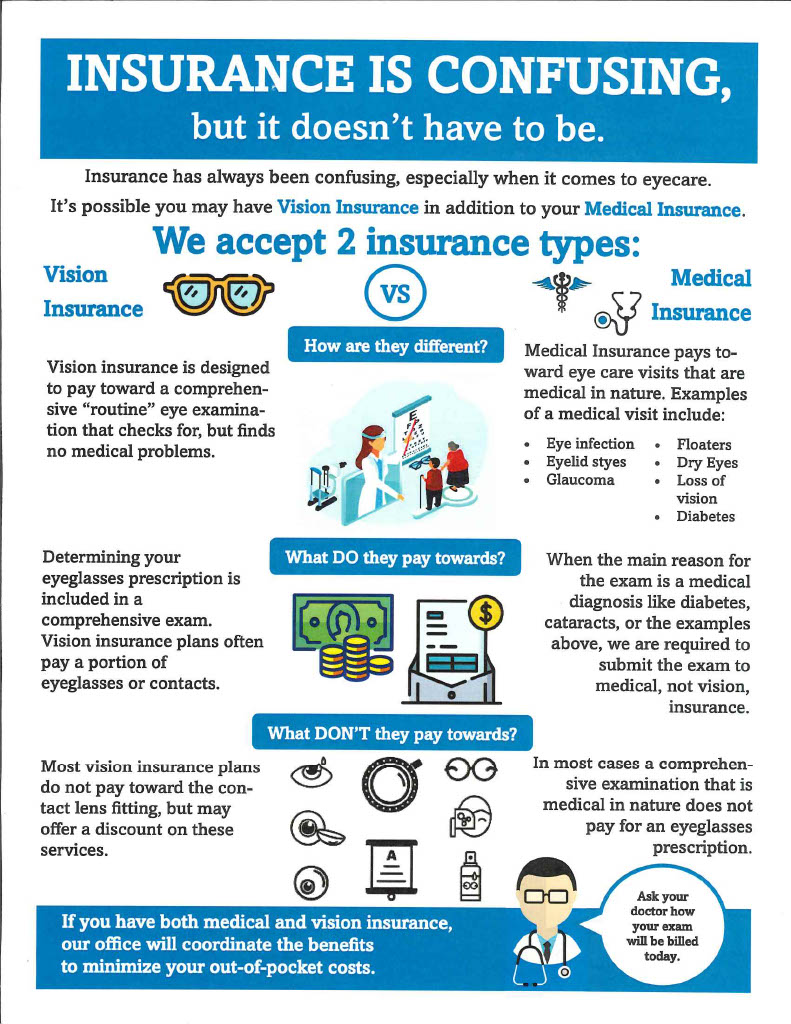
Vision insurance and medical insurance serve different purposes. Vision insurance generally helps with routine exams, glasses, contact lenses, and related discounts.
Medical insurance may help when sunglasses are part of treatment for a medical eye problem. Examples can include:
• Severe light sensitivity linked to a diagnosed condition
• Recovery after certain eye procedures
• Eye protection after an injury
• Special glasses prescribed for a medical disorder
• Protective eyewear for a work-related injury
Medical plans usually do not cover ordinary prescription sunglasses simply because they are convenient. The claim may require a diagnosis, medical documentation, and a specific prescription.
If you have an eye disease or severe light sensitivity, ask your ophthalmologist or optometrist what type of documentation is needed. The provider can also explain whether your medical plan or vision plan is the better place to start.
How to Check Whether Your Plan Covers Sunglasses
Instead of guessing, use a simple checklist. Plan documents can be hard to read, but these questions usually reveal the answer quickly.
-
Ask whether prescription sunglasses are covered.
-
Confirm whether the benefit applies to the frame, lenses, or both.
-
Check your frame and lens allowance.
-
Ask whether sunglasses replace your regular glasses benefit.
-
Confirm the benefit frequency, such as once each year.
-
Ask about copays for single-vision, bifocal, or progressive lenses.
-
Check the cost of tinting, polarization, and mirror coatings.
-
Confirm whether the optical store is in network.
-
Ask whether online purchases qualify for reimbursement.
-
Request a written estimate before placing the order.
A useful question is: “If I use my benefit for prescription sunglasses, what will I pay today, and what benefit will I have left?” This wording helps the representative explain the full cost.
In-Network and Out-of-Network Rules
Your answer to “can you get sunglasses with vision insurance” may change based on where you shop. In-network providers have agreed to contracted prices with your insurer. This often makes your allowance go further.
Out-of-network purchases may still qualify, but you may need to pay the full amount first. You then submit a claim for partial reimbursement. The repayment may be lower than the amount you paid.
Before visiting an optical store, check:
• The provider directory on your insurer’s website
• Whether the specific location accepts your plan
• Whether the optometrist and optical shop use the same network
• The deadline for submitting an out-of-network claim
• Whether online retailers are eligible
Network information can become outdated. It is wise to call the store and insurer on the same day. This small step can save time and reduce billing surprises.
How Much Do Prescription Sunglasses Cost With Insurance?
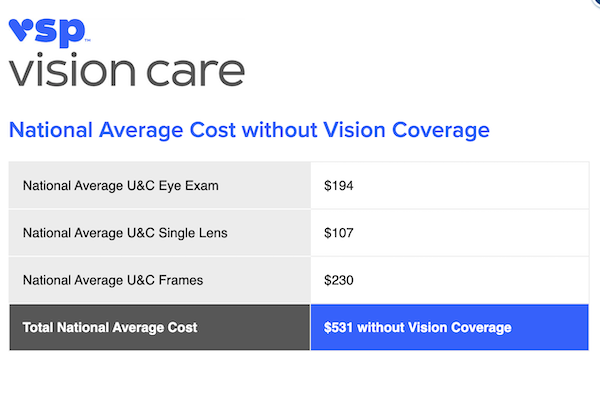
The cost depends on your plan, prescription, frame, and lens choices. Some people pay only a copay. Others use an allowance and pay the remaining balance.
Here is a simple example:
• Frame price: $180
• Insurance frame allowance: $130
• Basic lens copay: $25
• Polarization upgrade: $60
• Estimated amount you pay: $135
The numbers differ by plan and retailer. A high frame allowance does not always mean the entire purchase is free. Lens upgrades can quickly add to the final price.
Ask for two prices: one with basic covered lenses and one with your preferred upgrades. This makes it easier to decide whether polarization or a premium coating is worth the added cost.
Are Prescription Sunglasses Worth Using Your Benefit?
Prescription sunglasses can be a smart use of vision insurance, especially if you spend time outdoors or drive often. They let you see clearly while reducing bright light and ultraviolet exposure.
The benefits include:
• Clear vision outdoors
• Less squinting in bright light
• Better comfort while driving
• Reduced glare with polarized lenses
• Protection from ultraviolet radiation
The main limitation is that you may use the benefit on one pair instead of regular glasses. If your clear glasses are old or damaged, consider which pair you need most.
A practical approach is to buy prescription sunglasses when your clear glasses still work well. If both pairs are worn out, compare the total price of buying one covered pair and one discounted pair.
Common Mistakes to Avoid
People often assume that any sunglasses purchase will qualify. That assumption can lead to denied claims or unexpected charges.
Avoid these mistakes:
• Buying plain sunglasses before checking the policy
• Assuming polarization is covered
• Forgetting that sunglasses may use the regular eyewear allowance
• Shopping at an out-of-network retailer without checking reimbursement
• Ordering with an expired prescription
• Ignoring lens thickness or progressive lens fees
• Failing to ask about return rules
• Using a discount and insurance benefit together without confirming eligibility
One lesson worth remembering is that the frame price is only part of the purchase. The lens type, tint, prescription strength, and coatings often determine the final bill.
Tips for Saving Money on Prescription Sunglasses
If your plan offers limited coverage, you still have ways to reduce the cost.
• Choose a frame within your allowance.
• Select basic prescription lenses first.
• Compare the price of polarized lenses at different providers.
• Ask whether the retailer offers a lens upgrade discount.
• Use an in-network optical shop when possible.
• Compare insurance pricing with the store’s self-pay price.
• Check whether your benefit resets at the end of the plan year.
• Use an eligible FSA or HSA only after confirming the tax rules.
• Consider a second pair discount for clear glasses.
Do not assume insurance is always the cheapest option. Some retailers offer low-cost complete prescription sunglasses. Compare the insured price, cash price, and final price after upgrades.
Prescription Sunglasses for Driving and Outdoor Use
Prescription sunglasses can improve comfort on the road, but lens choice matters. Polarized lenses are helpful because they reduce reflected glare from pavement, cars, and water.
However, polarization is not ideal for every situation. It can make some digital screens harder to read. Some drivers also prefer nonpolarized lenses for certain dashboard displays.
Tint color matters too:
• Gray usually keeps colors close to natural.
• Brown can improve contrast in many outdoor settings.
• Green may reduce glare while preserving comfortable color balance.
• Yellow or amber can increase contrast but may not suit bright daytime driving.
Tint should never be so dark that it reduces safe visibility. For driving, choose lenses designed for daytime use and follow your eye care professional’s advice.
What to Bring to the Optical Appointment
Bring your insurance card and a list of questions. If you have an older pair of sunglasses, bring them too. The optician can check the frame size and show you similar options.
You may also want to bring:
• Your current prescription
• Details about your daily activities
• Your preferred frame style
• Information about glare or light sensitivity
• Your budget for upgrades
Tell the optician whether you drive, fish, ski, play sports, or work outside. These details help match the lens design to your life rather than selling you features you do not need.
A good optical professional should explain what your plan covers before you approve the order. If the price changes at checkout, ask for an itemized explanation.
Can You Get Sunglasses With Vision Insurance if You Have a Strong Prescription?
Yes, you may be able to get them, but a strong prescription can increase the cost. High prescriptions may need thinner lenses, special designs, or smaller frames.
Your insurance may cover a standard lens allowance while you pay for high-index material. Ask whether the plan has a maximum lens benefit or a discount for premium materials.
The best frame is often smaller and well centered over your eyes. This can reduce lens thickness and improve appearance. Your optician can recommend a frame that fits the prescription and your face.
Frequently Asked Questions
Can you get sunglasses with vision insurance without a prescription?
Usually, no. Most vision plans cover sunglasses only when they contain prescription lenses, although some plans offer eyewear discounts for nonprescription products.
Does vision insurance cover polarized prescription sunglasses?
It may cover the prescription lens but not the polarization upgrade. Many plans classify polarized lenses as an optional feature that requires an extra payment.
Can prescription sunglasses replace regular glasses under insurance?
Often, yes. Many plans let you choose prescription sunglasses instead of regular eyeglasses during the benefit period, but you may not receive both as fully covered pairs.
Can you get sunglasses with vision insurance from an online store?
Some plans allow online purchases, while others require an in-network provider. Check reimbursement rules, prescription requirements, and claim deadlines before ordering online.
Are transition lenses covered by vision insurance?
Transition, or photochromic, lenses may be partly covered as prescription lenses. The light-changing feature is often treated as an upgrade, so you may pay an additional charge.
Can an HSA or FSA pay for prescription sunglasses?
Prescription sunglasses may qualify when they correct vision, but plan rules and tax requirements apply. Confirm eligibility with your benefits administrator before using HSA or FSA funds.
Does medical insurance cover prescription sunglasses?
Medical insurance may help when sunglasses are medically necessary for an eye condition or recovery. It generally does not cover ordinary prescription sunglasses for routine outdoor use.
Conclusion
So, can you get sunglasses with vision insurance? In most cases, yes, when the sunglasses have prescription lenses. Your plan may cover the basic frame and lenses, while you pay for polarization, special tints, thinner materials, or other upgrades.
Check your allowance, benefit period, provider network, and lens rules before shopping. Then compare the insurance price with the retailer’s cash price. With a little planning, you can protect your eyes, see clearly, and avoid paying more than necessary. Review your benefits today and ask your eye care provider for an itemized estimate before placing your order.

Rubel Miah is the Senior Editor at MyStyleGrid.com, where he brings a sharp editorial eye and an unshakable love for fashion to everything he does. A true style addict, Rubel lives and breathes trends, from streetwear to high fashion, and has a knack for turning inspiration into impactful stories. With years of experience in fashion journalism and digital media, he curates content that empowers readers to express themselves through style. When he’s not editing features or forecasting the next big thing, you’ll find him hunting down vintage pieces or capturing street style moments around the city.