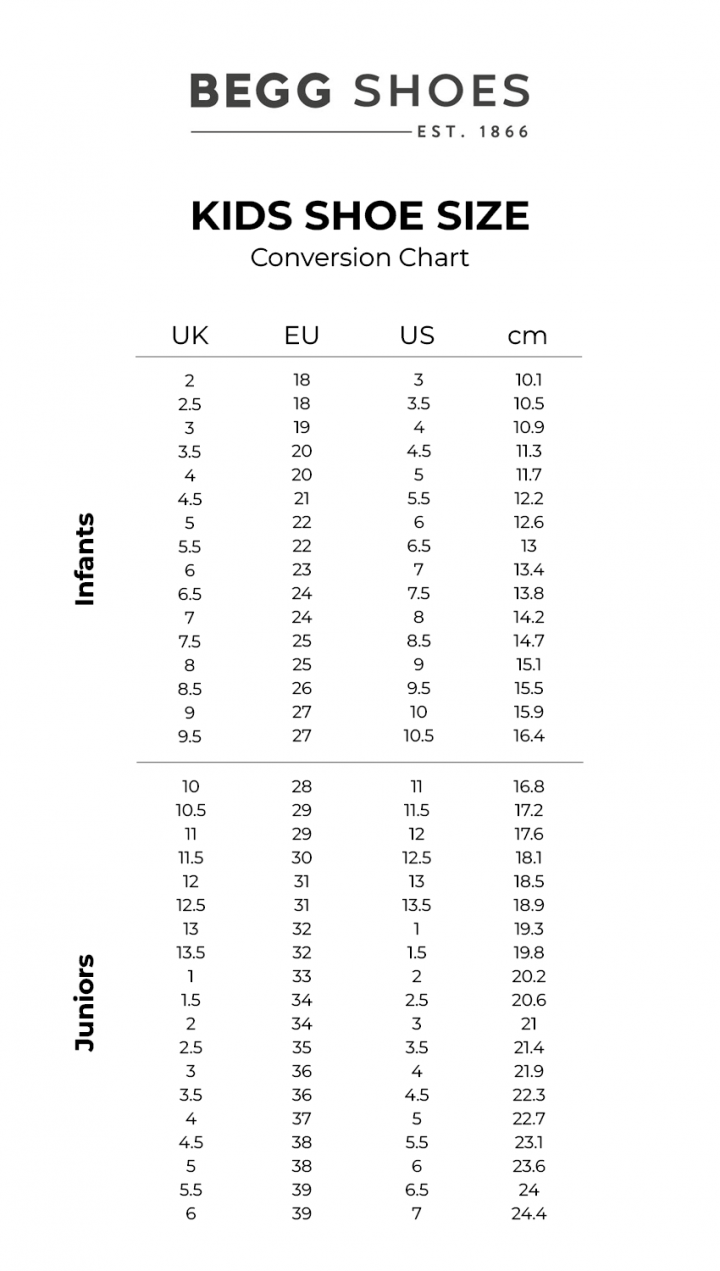
EU size 33 in kids’ shoes usually equals about a US kids’ 1.5Y, but brand charts can vary.
If you are wondering what size is 33 in kids shoes, the key detail is that size 33 usually refers to European sizing. It commonly fits a child with a foot length of about 20.5 to 21 centimeters, yet the best choice depends on the brand, shoe shape, and the child’s measured foot. This guide explains the conversion, fit, measuring steps, and common mistakes so you can buy with confidence.
What size is 33 in kids shoes?
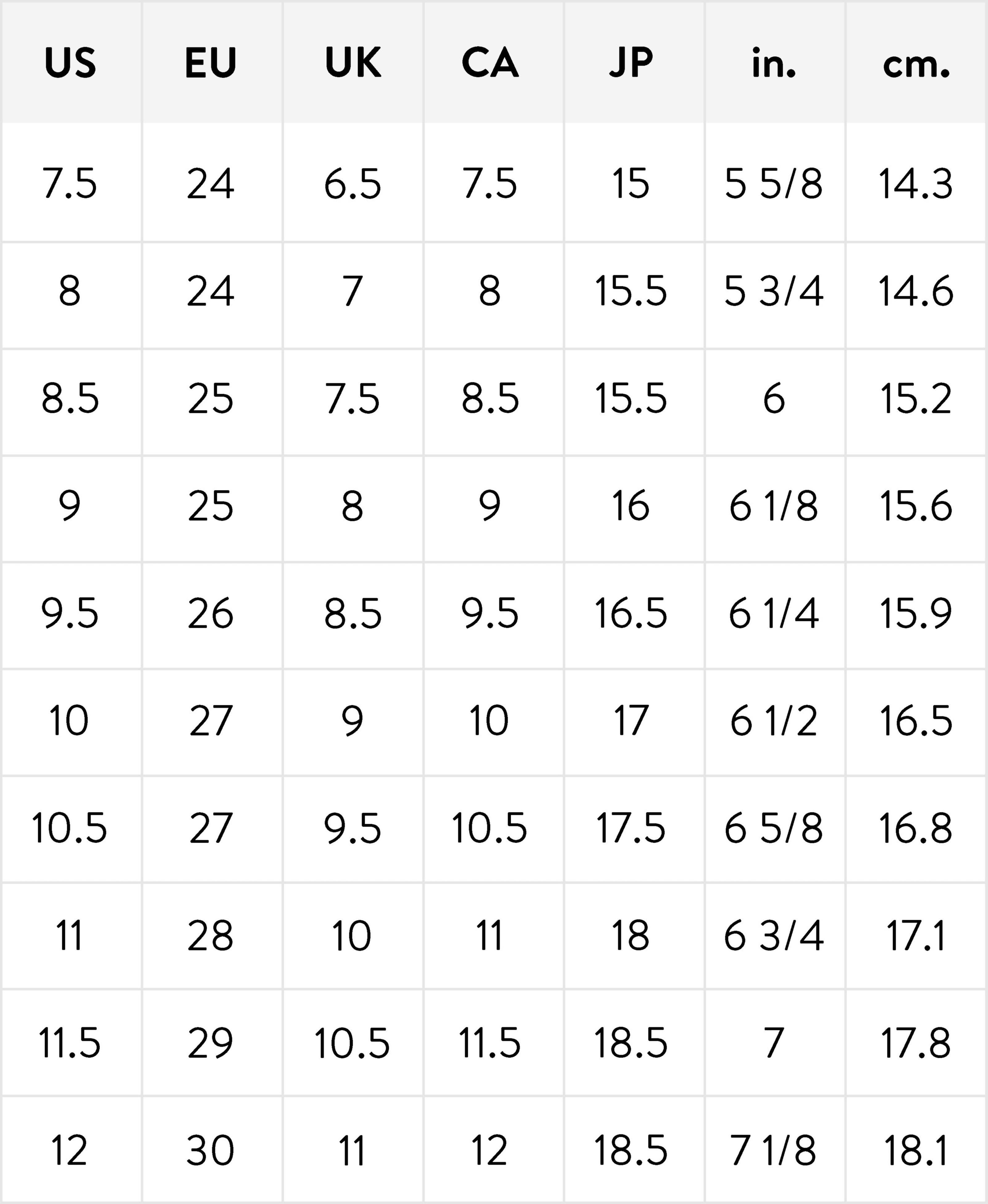
In most popular conversion charts, EU kids’ shoe size 33 equals approximately a US 1.5Y youth size. It may also appear as a US 1Y or 2Y, depending on the brand and the shape of the shoe.
The most useful answer to what size is 33 in kids shoes is this:
| Shoe sizing system | Approximate equivalent |
|---|---|
| European | 33 |
| US kids or youth | 1Y to 2Y |
| Common US estimate | 1.5Y |
| UK kids | About 1 |
| Foot length | About 20.5 to 21 cm |
| Foot length in inches | About 8.1 to 8.3 inches |
European sizes use a different scale from US sizes. They are not based on the same number system, so an EU 33 does not mean a US size 33. The “Y” after a US size means youth, which is often used for older children and preteens.
When asking what size is 33 in kids shoes, remember that the conversion is only a starting point. A child with wide feet may need a wider version, while a child with a narrow foot may need a snugger design.
EU 33 kids’ shoe size conversion
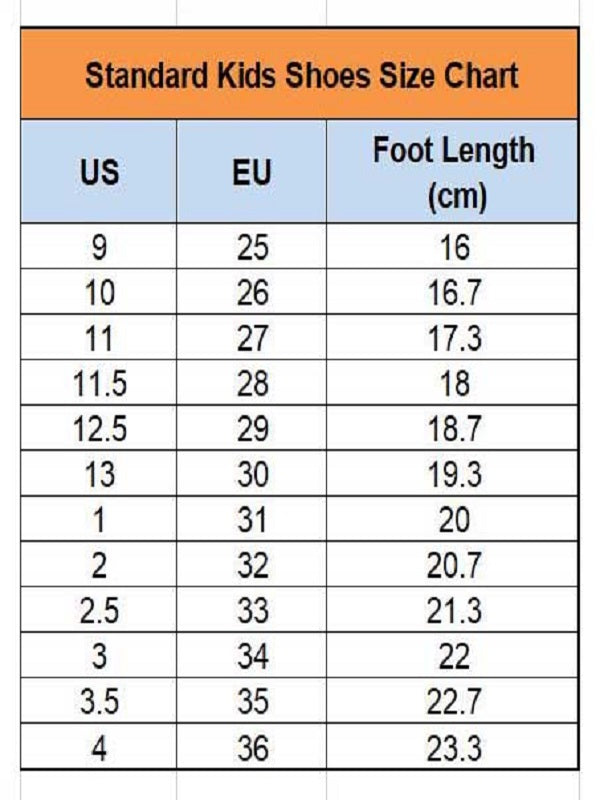
European shoe sizes are often used by brands from Europe and by many international footwear companies. An EU 33 usually sits near the start of the US youth range.
A simple conversion looks like this:
• EU 32: Usually around US 13.5 to 1Y
• EU 33: Usually around US 1 to 2Y
• EU 34: Usually around US 2 to 3Y
• EU 35: Usually around US 3 to 4Y
These ranges overlap because shoe brands do not use one universal shape or fit system. A running shoe may feel different from a school loafer, even when both show EU 33 on the label.
For this reason, the answer to what size is 33 in kids shoes should include the child’s foot measurement. The number on the box matters, but the inside length of the shoe matters more.
Why conversions are not exact
Shoe size charts are estimates. They can differ because of:
• Different measuring systems
• Brand-specific size charts
• Toe shape and shoe design
• Width and volume
• Thick or thin socks
• Extra space built into children’s shoes
Some brands list EU 33 as US 1.5Y. Others list it as US 1Y or US 2Y. Always check the chart for the exact brand before ordering online.
How long is a size 33 kids’ shoe?
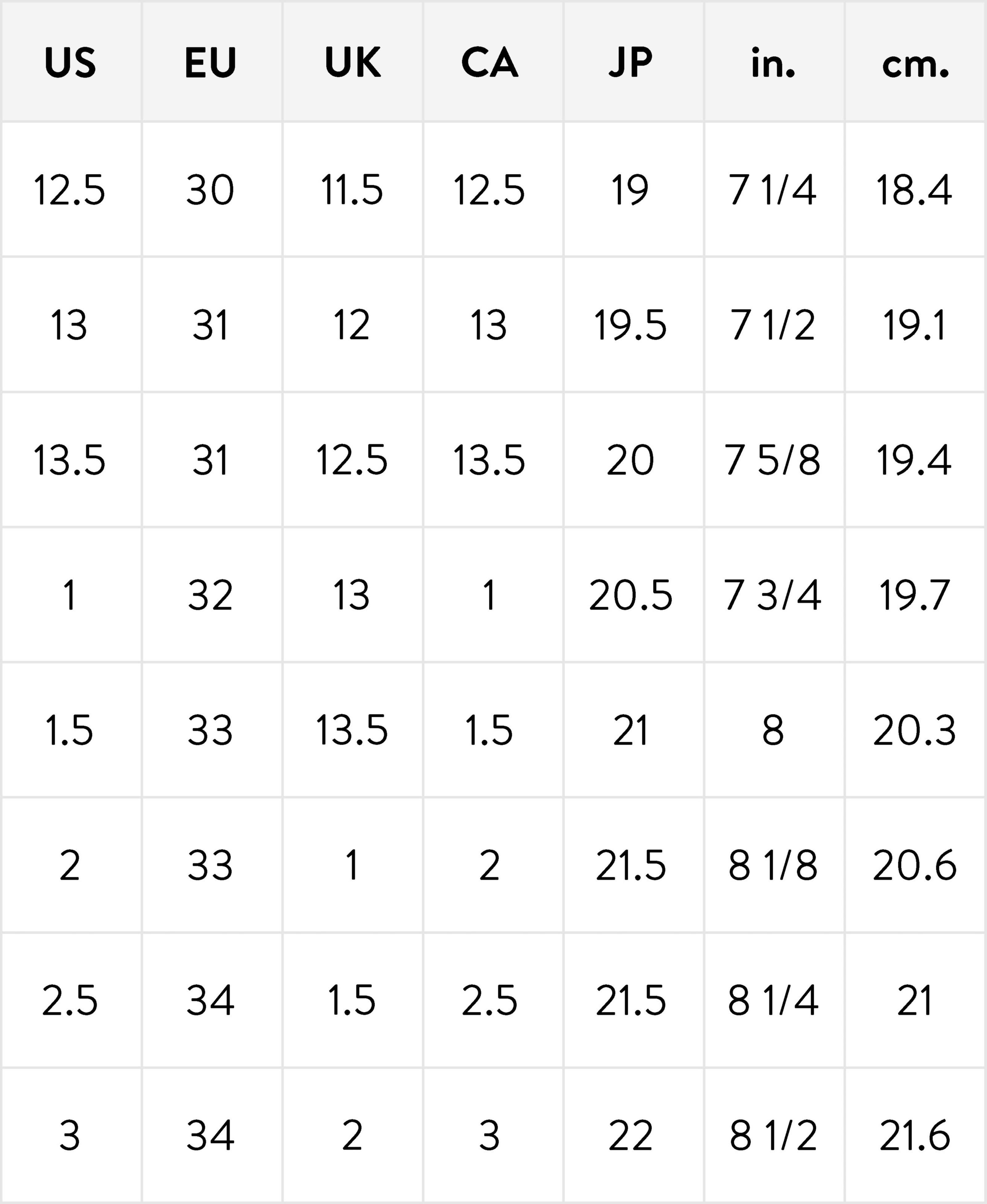
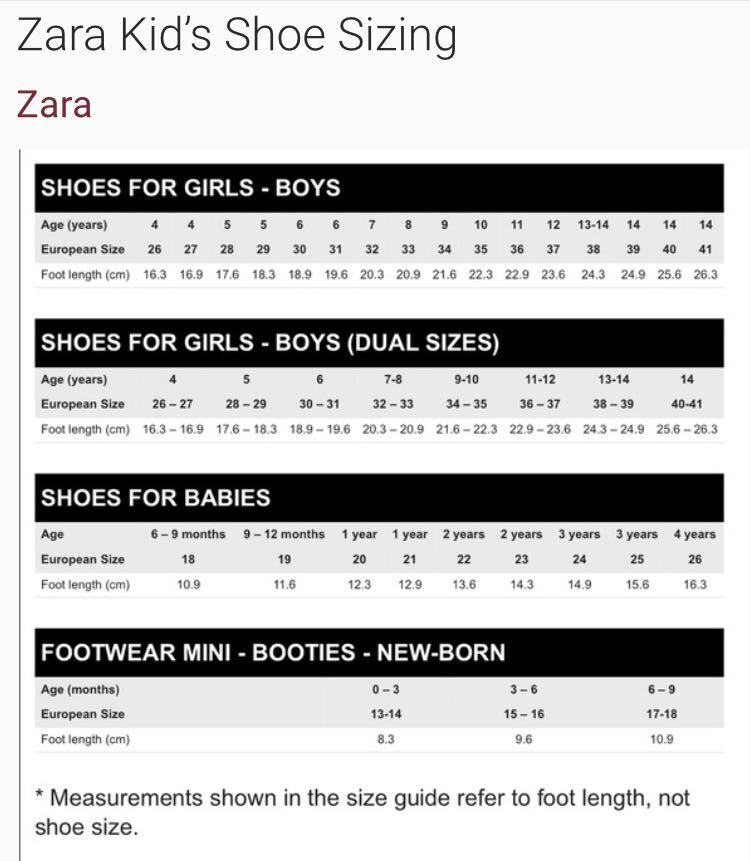
An EU 33 shoe generally suits a foot that measures about 20.5 to 21 centimeters long. That equals roughly 8.1 to 8.3 inches.
The shoe itself will usually be longer than the child’s foot. Children need some room in front of their toes for walking, running, and normal foot movement. A useful allowance is about 10 to 15 millimeters, or around half an inch, for many everyday shoes.
This means a child with a foot length near 20.5 centimeters may fit EU 33 well. However, the right amount of space depends on the shoe type:
• Sneakers need room for movement and socks.
• Soccer or cleated shoes often need a closer fit.
• Boots may need extra room for thick socks.
• Sandals should hold the foot securely without letting it slide.
• Dress shoes should not press on the toes.
The answer to what size is 33 in kids shoes cannot be based on length alone. Width, arch shape, and the child’s comfort also affect the fit.
How to measure a child’s feet for EU size 33
Measuring at home is simple. It is also more reliable than guessing by age because children’s feet grow at different speeds.
Follow these steps
- Place a sheet of paper on a hard floor.
- Have the child stand on the paper while wearing the socks used with the shoes.
- Keep the heel lightly against a wall.
- Mark the end of the longest toe.
- Measure from the wall edge to the toe mark.
- Repeat with the other foot.
- Use the measurement from the larger foot.
- Add about 10 to 15 millimeters of growing and movement room.
Measure both feet because it is normal for one foot to be slightly larger. Some children have a difference of several millimeters, and that can affect comfort.
A practical fitting lesson is to measure late in the day. Feet can swell slightly after normal activity, so an evening measurement often gives a more realistic result. This small step can prevent the common mistake of buying shoes that feel fine in the morning but become tight later.
What the measurement may indicate
• About 20.0 cm: EU 32 may be closer.
• About 20.5 to 21.0 cm: EU 33 may be suitable.
• About 21.0 to 21.5 cm: EU 34 may offer better room.
These figures are guides, not strict rules. The brand’s own chart should always take priority.
How should EU 33 kids’ shoes fit?
A properly fitted EU 33 shoe should feel secure without squeezing the foot. The heel should stay in place, and the toes should be able to move freely.
Use these fit checks:
• There should be a small space between the longest toe and the front of the shoe.
• The widest part of the foot should sit comfortably in the widest part of the shoe.
• The heel should not lift heavily when the child walks.
• The upper should not create red marks or pressure points.
• The child should be able to walk, bend, and run without changing their stride.
• Both shoes should feel comfortable, not just the larger or smaller foot.
Do not rely only on a child saying the shoe feels fine. Young children may not notice pressure until they have worn the shoes for hours. Check the feet after use for redness, blisters, or sore areas.
When deciding what size is 33 in kids shoes, fit is more important than age. Two children of the same age may need different sizes, and one child may need different sizes in different brands.
The thumb test
Remove the insole if possible and have the child stand on it. Check the space between the longest toe and the end of the insole. About a thumb’s width can be reasonable, but the exact amount depends on the child’s thumb and the shoe design.
This test works best when combined with walking and standing checks. A shoe can have enough length but still be too narrow or too loose.

Is size 33 the same in every kids’ shoe brand?
No. EU sizing is more consistent than many US size systems, but it is not perfectly identical across brands. Materials, lasts, toe boxes, and manufacturing choices can change the fit.
For example, one brand may design EU 33 for a narrow foot, while another may make the same marked size with more room across the toes. Athletic shoes may also use different internal measurements than casual shoes.
Before buying, review: