Measure a child's foot by tracing both feet, measuring length and width, then add room for growth.
I have measured feet for hundreds of kids as a parent and a shoe fitter. This guide explains exactly how to measure kids feet for shoes with clear steps you can do at home or in store. I blend hands-on tips, common pitfalls, and sizing logic so you buy shoes that fit, protect little feet, and last through growth spurts.
Why accurate measurement matters
A good fit keeps a child comfortable. It also supports healthy foot growth and prevents blisters and posture issues. Knowing how to measure kids feet for shoes helps you choose the right size, avoid returns, and get better wear from each pair.
When to measure kids feet for shoes
Kids grow fast. Check feet before buying new shoes and often after growth spurts. Common times to measure include:
- Before buying any new pair.
- Every 2–3 months for toddlers under age 2.
- Every 3–4 months for preschoolers.
- Every 4–6 months for older kids, or when shoes feel tight.
Measuring regularly helps you use the step-by-step method to measure kids feet for shoes and avoid buying shoes that are too small.
Tools you need
You can measure with simple items. Gather:
- A piece of paper large enough for the foot.
- A pencil or pen that makes a thin line.
- A ruler or tape measure with centimeters.
- A hard, flat floor surface.
- Socks like the ones your child will wear with the shoe.
Having the right tools makes learning how to measure kids feet for shoes fast and accurate.
Step-by-step method to measure at home
Follow these steps slowly and gently.
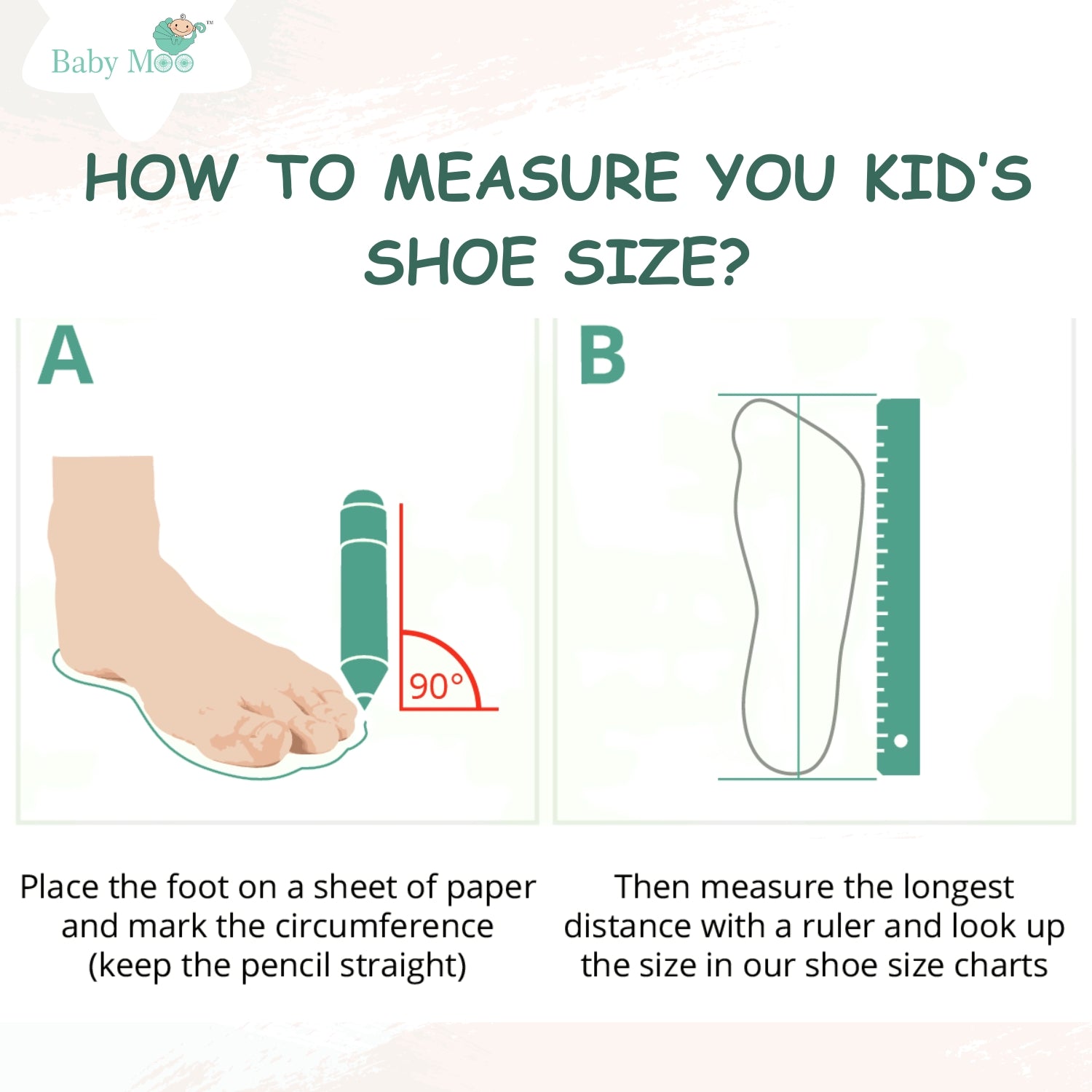
- Prepare the space. Place paper on a hard floor against a wall. Have your child stand on the paper with the heel against the wall.
- Trace carefully. Keep the pencil vertical and trace the outline of the foot. Do both feet. Feet are often slightly different sizes.
- Measure length. Use a ruler to measure from the wall (heel) to the longest toe in centimeters. Record both feet.
- Measure width. Mark the widest points across the ball of the foot and measure that distance.
- Add growth allowance. Add 1 to 1.5 centimeters to the longer foot measurement for toe room and growth. This is the length you’ll look for on a size chart.
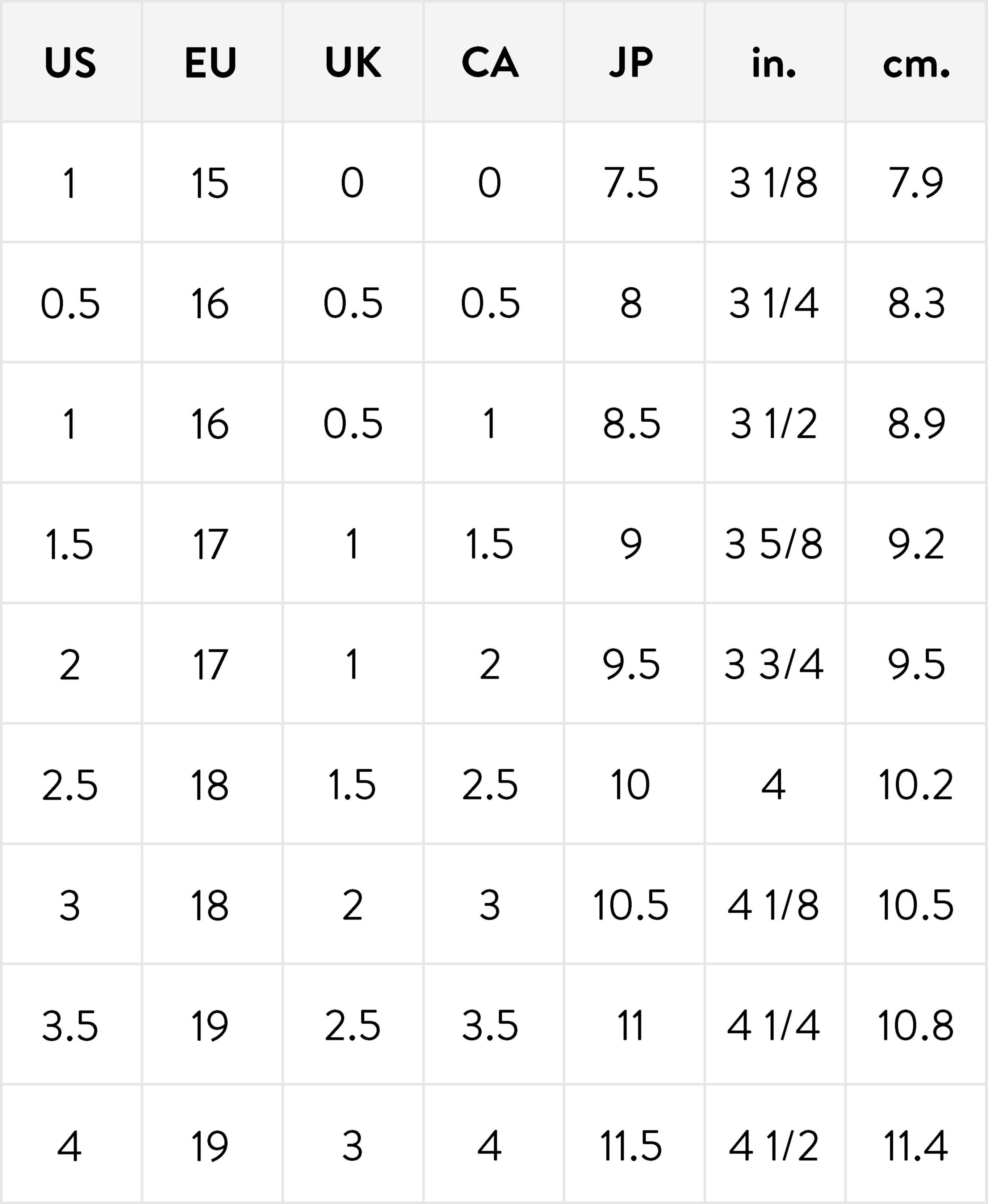
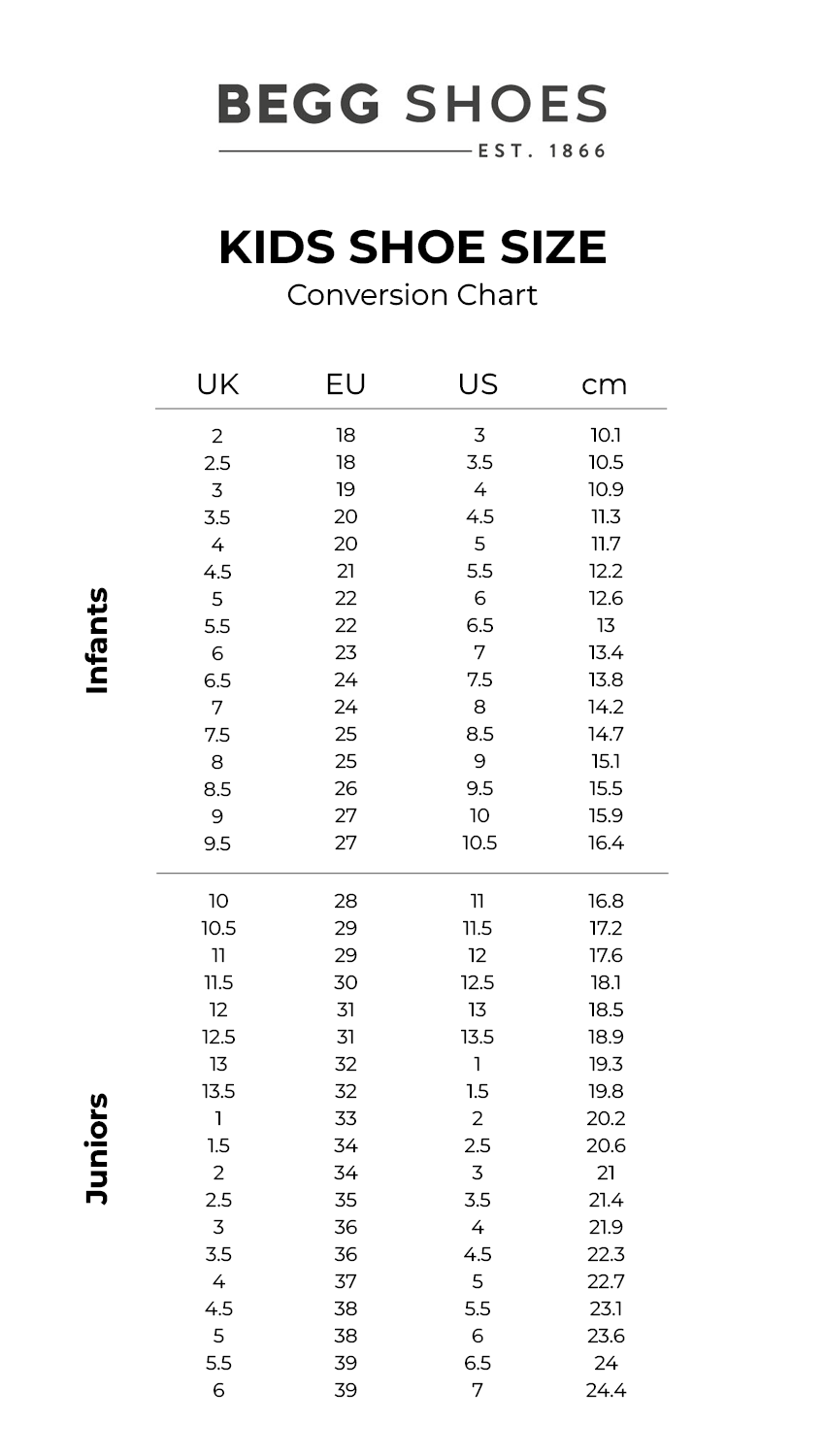
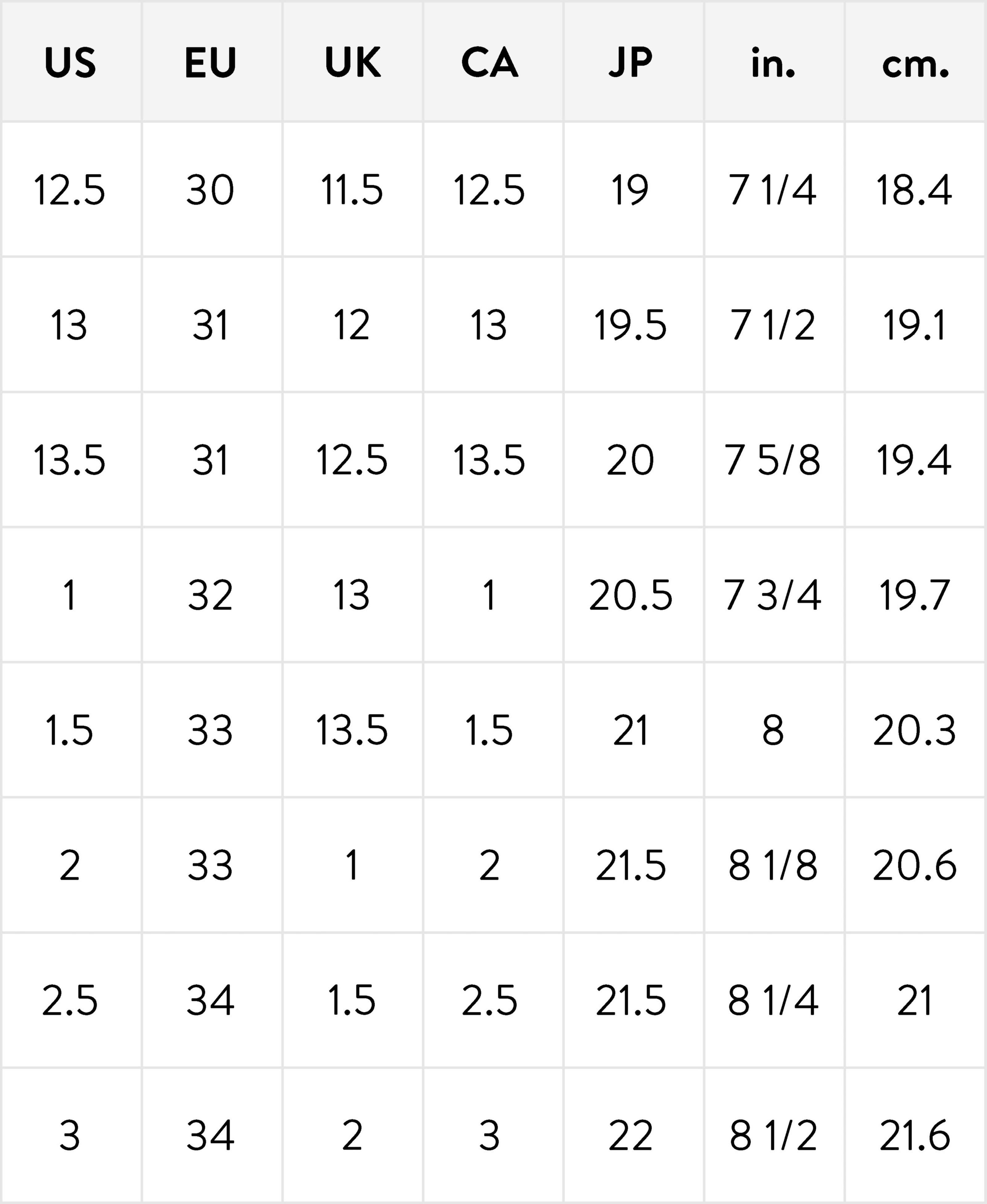
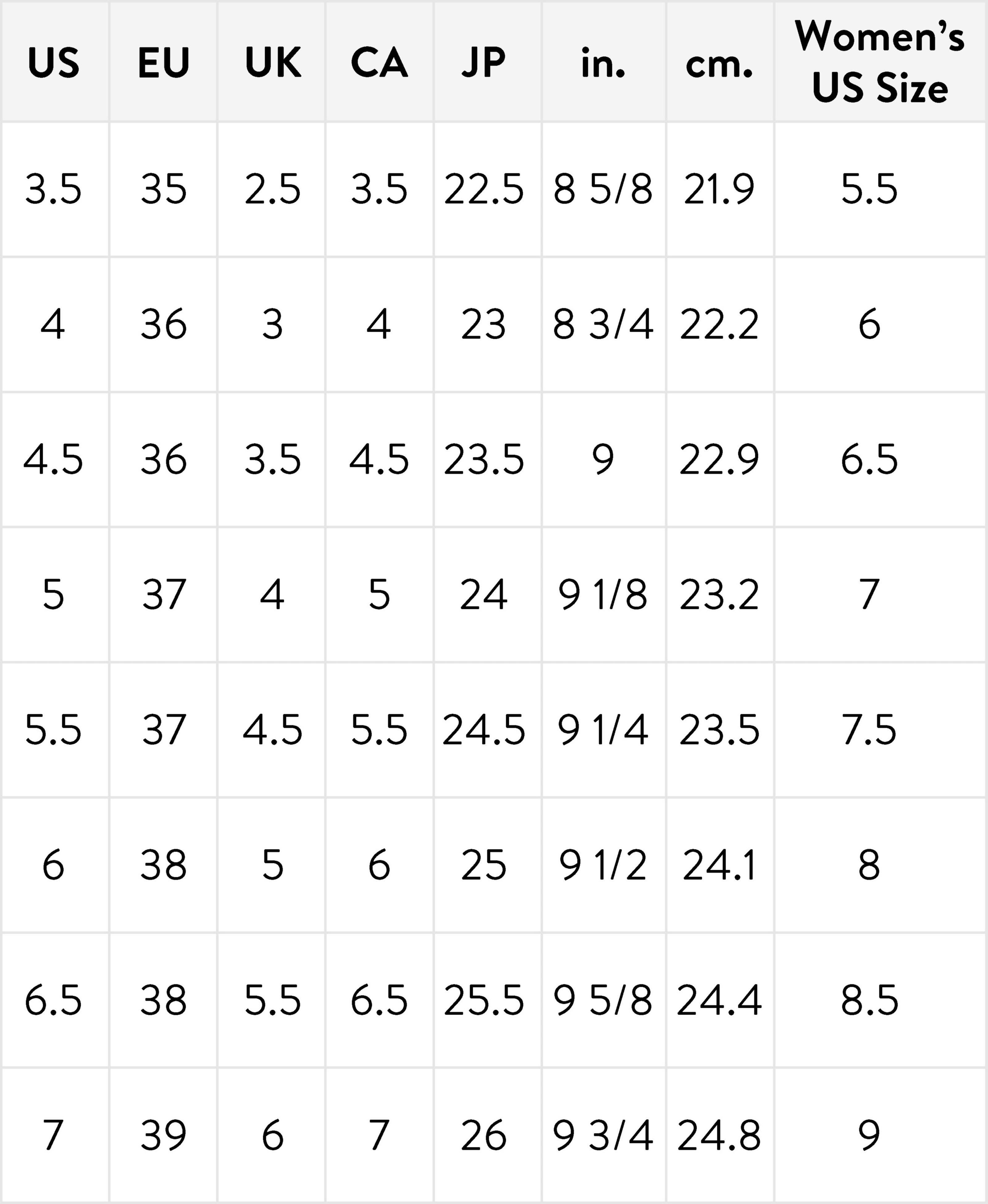
- Compare to a size chart. Use the shoe brand’s chart and match the final centimeter value to the nearest size.
- Try shoes on. Shoes should fit with the recommended allowance and feel snug but not tight. Walk a few steps and check the heel and toe.
These steps show exactly how to measure kids feet for shoes at home. Measure both feet and use the larger measurement when choosing size.
Measuring width and special fit notes
Length isn’t the only measure. Width matters for comfort and support.
- Measure width by tracing the widest part and measuring in centimeters.
- If a shoe brand runs narrow or wide, use that info when ordering.
- For very wide or very narrow feet, try shoes with adjustable closures or wide-fit options.
Including width in your process makes how to measure kids feet for shoes complete and practical.

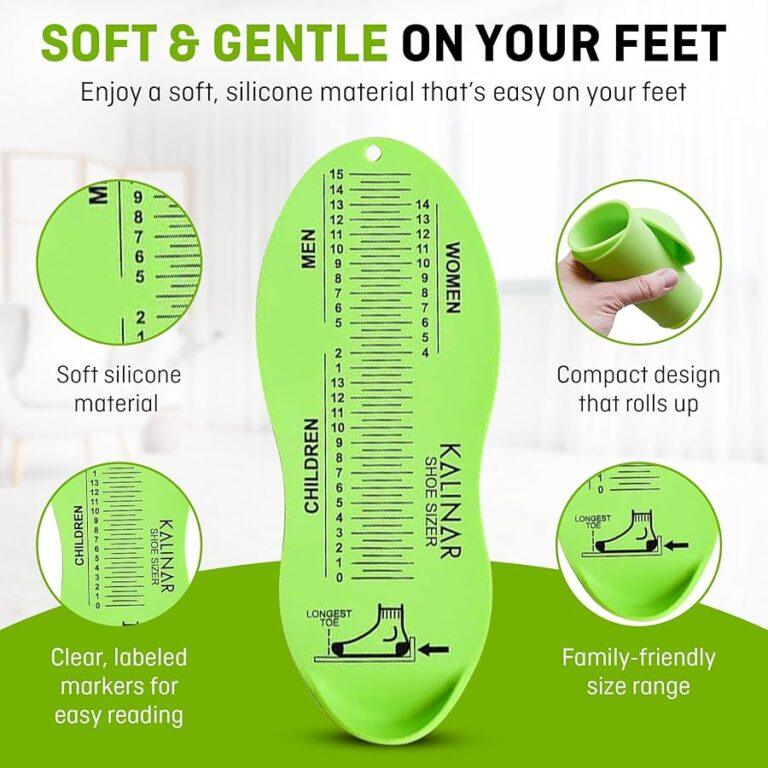
Measuring in-store with a Brannock-style device
A Brannock device measures length and width quickly. Ask a trained staff member to help. Key points:
- Stand with weight evenly on both feet during measurement.
- The fitter will measure both feet and suggest sizes based on the larger foot.
- Try on both shoes and walk for at least a minute to check fit.
Using a device in-store complements your at-home method for measuring kids feet for shoes.
Common mistakes and how to avoid them
Avoid these pitfalls.
- Measuring while the child sits. Always measure standing with weight on the foot.
- Only measuring one foot. Always measure both and use the larger size.
- Forgetting growth room. Kids need extra length for movement and growth.
- Using old shoes as the only guide. Old shoes stretch or compress over time and can mislead you.
- Ignoring socks. Measure with the socks they will wear with the new shoes.
Fix these mistakes to improve how to measure kids feet for shoes and make better buys.
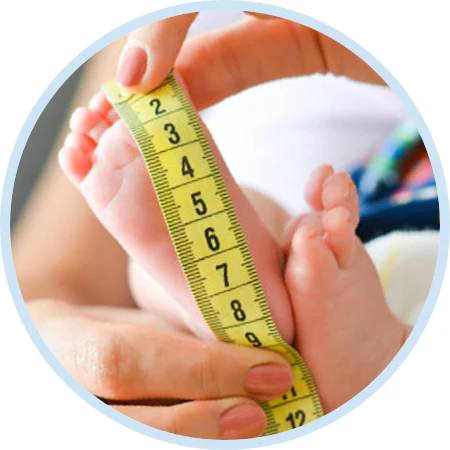
How to choose the right shoe after measuring
Use the measurement to guide a final decision.
- Allow about 1–1.5 cm of space in front of the longest toe.
- Ensure the heel sits snugly without slipping.
- Check that the shoe width matches the foot width.
- Prefer flexible soles for toddlers and supportive soles for active kids.
- Choose breathable materials and adjustable closures for a customizable fit.
These practical checks turn the raw measure into a comfortable shoe fit.

Growth rates and when to size up
Growth varies, but general patterns help.
- Infants: expect rapid growth. Remeasure every 4–6 weeks.
- Toddlers (1–3 years): remeasure every 2–3 months.
- Preschool (3–5 years): remeasure every 3–4 months.
- School-age kids: every 4–6 months or when shoes feel tight.
Knowing growth patterns helps you use how to measure kids feet for shoes to pick the best timing for purchases.
My real-world tips and lessons learned
I once bought shoes based on brand size alone and the child outgrew them in weeks. After that I started measuring both feet every visit and keeping a simple record with date and centimeters. Small habits that saved time and money:
- Keep a photo or note of the last measurement in your phone.
- Buy one size up when between sizes, using the growth allowance.
- Try shoes on late in the day; feet swell slightly after activity.
These tips come from real fits and returns in my experience measuring kids feet for shoes.
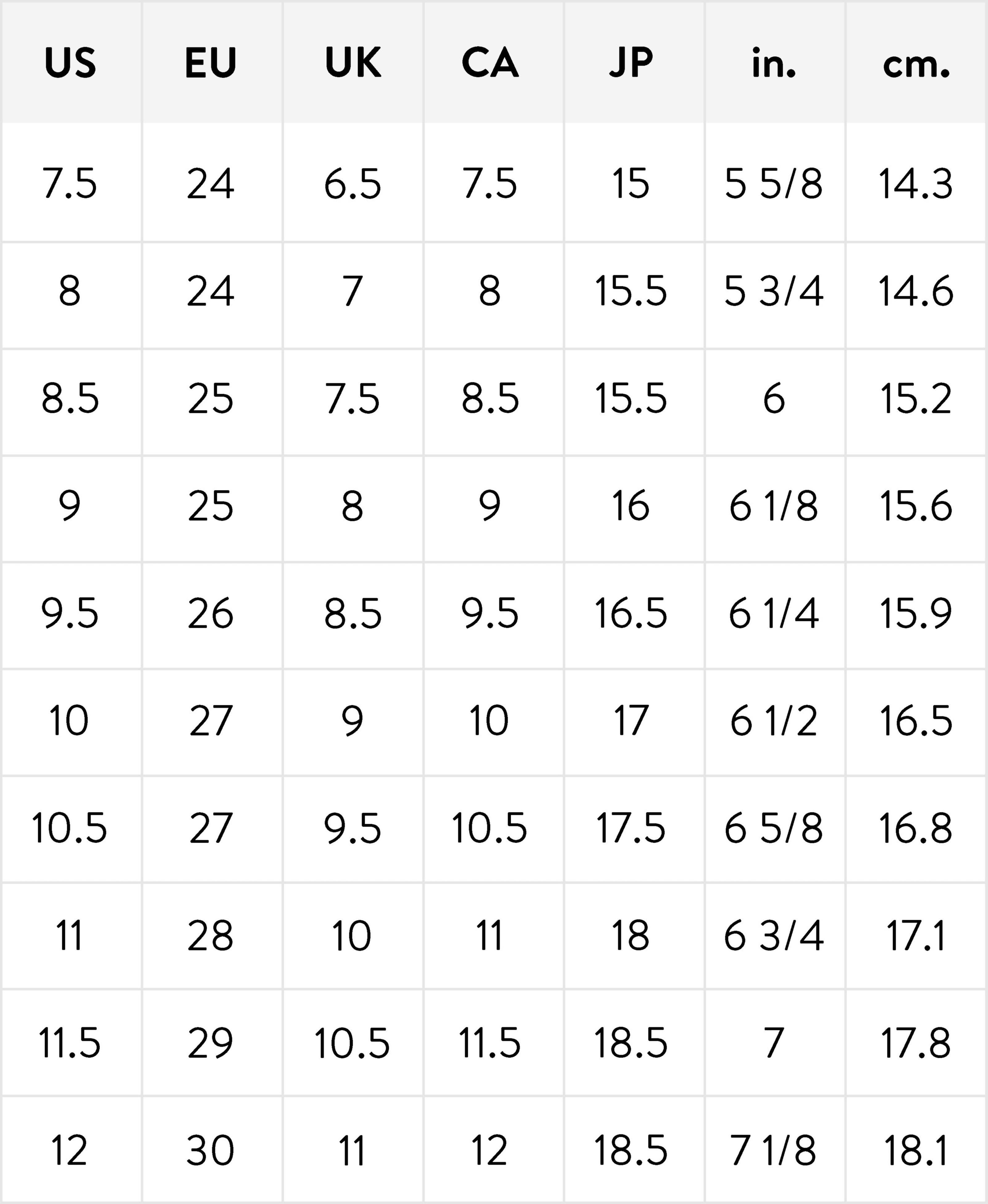
Sizing charts and conversions
Size charts differ by brand and region. Key ideas:
- Use centimeters as your base measurement. It is the most reliable unit.
- Convert to US sizes only after you confirm the brand chart.
- If a brand lists Mondopoint or internal length, match your measured cm to that scale.
Relying on centimeters makes how to measure kids feet for shoes accurate across brands.
Caring for shoes and checking fit over time
After purchase, watch how shoes behave.
- Check toes have room at the front after a week of wear.
- Look for tight marks, red skin, or blisters as signs of poor fit.
- Rotate shoes to extend life and let materials rest.
- Replace shoes when the sole wears unevenly or the fit changes.
Care checks help ensure the measurement you used keeps producing good fits.
Frequently Asked Questions of how to measure kids feet for shoes
How much space should I leave in front of the toes?
Leave about 1 to 1.5 centimeters of space between the longest toe and the shoe tip. This small allowance supports growth and comfort.
Do I measure with or without socks?
Measure with the socks your child will wear with the shoes for the most accurate fit. Thin athletic socks are common for many shoe types.
Which foot do I use if sizes differ?
Use the larger foot measurement when choosing a size. Feet often differ slightly and the larger one needs to fit comfortably.
Can I use an old shoe to measure size?
You can measure the insole length of an old shoe, but check the result against a fresh foot measurement. Old shoes can stretch or compress and give misleading sizes.
How often should I remeasure my child's feet?
Remeasure every 2–3 months for toddlers and every 3–6 months for older kids. Also remeasure after sudden growth spurts or if shoes feel tight.
Conclusion
Measuring kids feet for shoes is simple with a clear routine. Trace both feet, measure length and width in centimeters, add 1–1.5 cm for growth, and use the larger foot when choosing size. Try shoes on and check for toe room, heel fit, and comfort. Start measuring today and make better, safer shoe choices for your child. If this guide helped, try measuring now, save your measurements, and leave a comment with your best fit tip.

Madison Clark is a footwear expert and the voice behind MyStyleGrid.com. She specializes in honest shoe reviews, style tips, and practical guides to help readers find the perfect pair for any occasion. With years of experience in blogging and content creation, Madison makes footwear knowledge simple, stylish, and easy to follow.