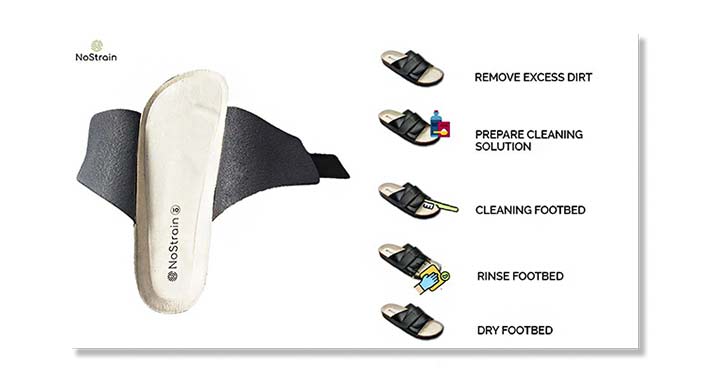
Clean footbeds with mild soap, a soft brush, and air drying in sun or shade.
I’ve cleaned hundreds of pairs of sandals over the years and know what works for every footbed type. This guide walks you through exactly how to clean sandals footbed safely and effectively. You’ll learn simple daily care, step-by-step deep cleaning, stain removal tips, and how to extend the life of your sandals. Expect practical examples, tools to keep on hand, troubleshooting answers, and real-life tips I learned the hard way.
Why regular cleaning matters
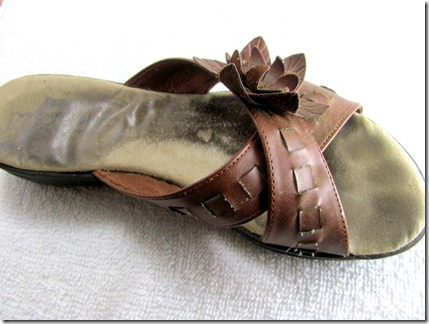
A clean footbed keeps sandals smelling fresh and prevents bacteria, fungi, and fast wear. Learning how to clean sandals footbed protects your feet from irritation and extends the life of the shoe. Regular care also keeps colors and textures looking good. Small, simple steps now avoid costly replacements later.

Know your footbed material before you start
Different footbed materials need different care. Knowing the material is the first step in how to clean sandals footbed without damage.
- Leather footbeds: absorb oils and need gentle cleaners and conditioning.
- Suede or nubuck footbeds: delicate and require brushing and minimal moisture.
- Cork footbeds: porous and benefit from gentle scrubbing and occasional sealing.
- Synthetic and rubber footbeds: usually tough and can handle stronger cleaners.
- Fabric or microfiber footbeds: can be spot-cleaned or hand-washed carefully.
Take a moment to check tags, product pages, or feel the surface. When in doubt, test a cleaner on a small, hidden area first.
Tools and supplies you’ll need
Gather simple items you probably already have at home. These make how to clean sandals footbed easy and fast.
- Soft-bristled brush: a toothbrush or suede brush works well.
- Mild dish soap or gentle laundry detergent: non-bleach, pH-neutral.
- White vinegar: for odor and mild stain lift.
- Baking soda: for deodorizing.
- Microfiber cloths or cotton rags: for wiping and drying.
- Warm water in a bowl or spray bottle.
- Leather conditioner or protector: for leather footbeds.
- Cork sealer: for cork footbeds after deep cleaning.
I keep a small kit in my closet. It saves time and prevents impulse use of harsh cleaners that ruin materials.

How to clean sandals footbed — step-by-step
Follow these short, clear steps to clean most footbeds. Use the method that matches the material.
- Pre-clean check
- Remove loose dirt by tapping sandals together or brushing.
- Remove straps (if removable) and check seams for glue looseness.
- Basic cleaning for everyday maintenance
- Mix a few drops of mild soap with warm water.
- Dip the brush into the mix and gently scrub the footbed in small circles.
- Wipe with a damp cloth and let air dry.
- Deodorize and freshen
- Sprinkle baking soda over the footbed and leave overnight.
- Tap off powder the next day and brush residual particles away.
- Quick spot-cleaning
- For sweat marks or dirt spots, use a 1:1 mix of white vinegar and water on a cloth. Dab gently and blot dry.
- Leather-specific care
- Use minimal water. Wipe with a damp cloth and mild soap.
- Dry in shade. Apply leather conditioner once dry to restore oils.
- Suede or nubuck care
- Brush dry dirt with a suede brush.
- For stains, use a small amount of white vinegar on a cloth, then brush when dry.
How to clean sandals footbed well means matching technique to material. A wrong step can change texture or color, so be gentle.

Deep cleaning and stain removal
When basic cleaning won’t cut it, use targeted deep-cleaning steps.
-
Grease and oil stains
- Sprinkle baking soda to absorb oil. Let sit for several hours, then brush off.
- Use a dish soap paste (soap + water) to lift grease; rinse carefully.
-
Stubborn odors or mildew
- Mix 1 part white vinegar with 2 parts water. Lightly mist the footbed, let sit 10 minutes, then blot and air dry in shade.
- For heavy mildew on cork or fabric, repeat treatment and let dry fully in sunlight if safe for material.
-
Ink or dye stains
- Test rubbing alcohol on a hidden area. Dab gently and rinse. Avoid on leather unless manufacturer allows.
-
Stain-specific cleaners
- Use a suede cleaner for suede footbeds and a leather cleaner for leather. Follow instructions closely.
I once tried a bleach mix on a synthetic footbed and ruined the color. That taught me to always test and use the mildest effective method.

Drying, conditioning, and storage
Proper drying and storage prevent damage and odors. Learning how to clean sandals footbed includes aftercare.
-
Drying
- Air dry at room temperature or in indirect sun.
- Avoid hot dryers or close heat; they warp cork and dry out leather.
-
Conditioning
- Use a leather conditioner sparingly after cleaning, especially on older leather footbeds.
- Cork sealers help cork footbeds repel moisture after deep cleaning.
-
Storage
- Store sandals in a cool, dry place.
- Use shoe bags or boxes to keep dust off and avoid stacking heavy items on top.
Regular light care beats rare deep scrubs. I condition leather sandals twice a season. They last years longer.
Common problems and quick fixes
Here are short solutions to frequent issues you’ll see when learning how to clean sandals footbed.
-
Persistent smell after cleaning
- Sprinkle baking soda and leave overnight, then brush off. Repeat weekly until gone.
-
Footbed color fades
- Avoid harsh detergents and sunlight drying. Condition leather to keep pigment and flexibility.
-
Glue separation or lifting straps
- Clean area gently and use a shoe adhesive. For valuable shoes, see a cobbler.
-
White salt stains in winter
- Wipe with a damp cloth and a little white vinegar, then air dry.
People also ask: Will soap damage leather footbeds? Use very mild soap and little water. Heavy soaking or harsh detergents will dry leather and cause cracks. Will vinegar ruin cork? Vinegar works in light dilution, but do not soak cork; rinse and dry well.

Frequently Asked Questions of how to clean sandals footbed
What is the safest daily routine to keep footbeds clean?
Wipe footbeds with a damp cloth after use and air them well. Use a soft brush once a week and baking soda for odors monthly.
Can I put sandals with cork footbeds in the washing machine?
No, washing machines can delaminate cork and ruin adhesives. Hand-clean cork footbeds with mild soap and minimal water.
How often should I deep-clean footbeds?
Deep-clean every 2–3 months for frequent wear. Clean sooner if you notice stains, strong odors, or mildew.
Is it okay to use bleach on synthetic footbeds?
Avoid bleach. It can fade colors and weaken materials. Use mild soap or a dedicated synthetic cleaner instead.
How do I remove sweat stains from leather footbeds?
Wipe with a damp cloth and mild soap. Dry in shade and apply leather conditioner once fully dry to restore oils.
Can baking soda damage footbeds?
Baking soda is safe as a deodorizer and mild abrasive when used sparingly. Brush off thoroughly and avoid heavy scrubbing on delicate materials.
My sandals smell even after cleaning. What next?
Repeat deodorizing with baking soda and use a vinegar-water mist for odors. If the smell persists, consider replacing insoles or seeking professional cleaning.
Conclusion
Regular care and the right methods make a big difference in how to clean sandals footbed. Match your approach to the material, use mild cleaners, and dry properly to keep sandals fresh and long-lasting. Start with small weekly steps, treat stains quickly, and you’ll avoid bigger problems later. Try the tips above on one pair this week and see the results—then keep a simple care kit on hand. If this helped, leave a comment, share your cleaning tip, or subscribe for more gear care guides.

Rubel Miah is the Senior Editor at MyStyleGrid.com, where he brings a sharp editorial eye and an unshakable love for fashion to everything he does. A true style addict, Rubel lives and breathes trends, from streetwear to high fashion, and has a knack for turning inspiration into impactful stories. With years of experience in fashion journalism and digital media, he curates content that empowers readers to express themselves through style. When he’s not editing features or forecasting the next big thing, you’ll find him hunting down vintage pieces or capturing street style moments around the city.