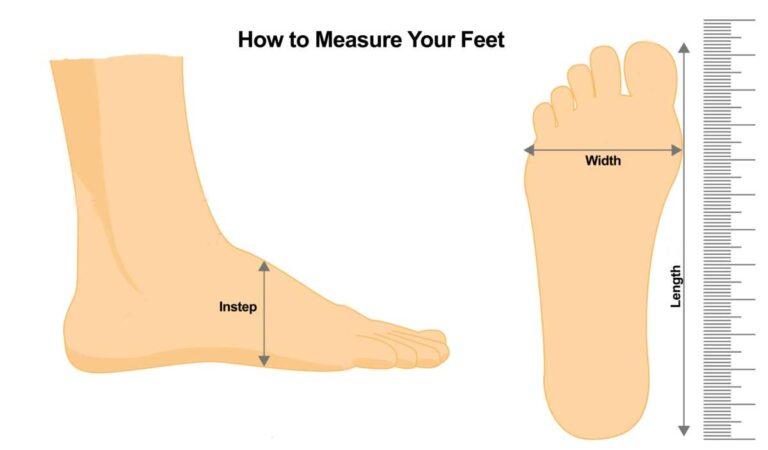
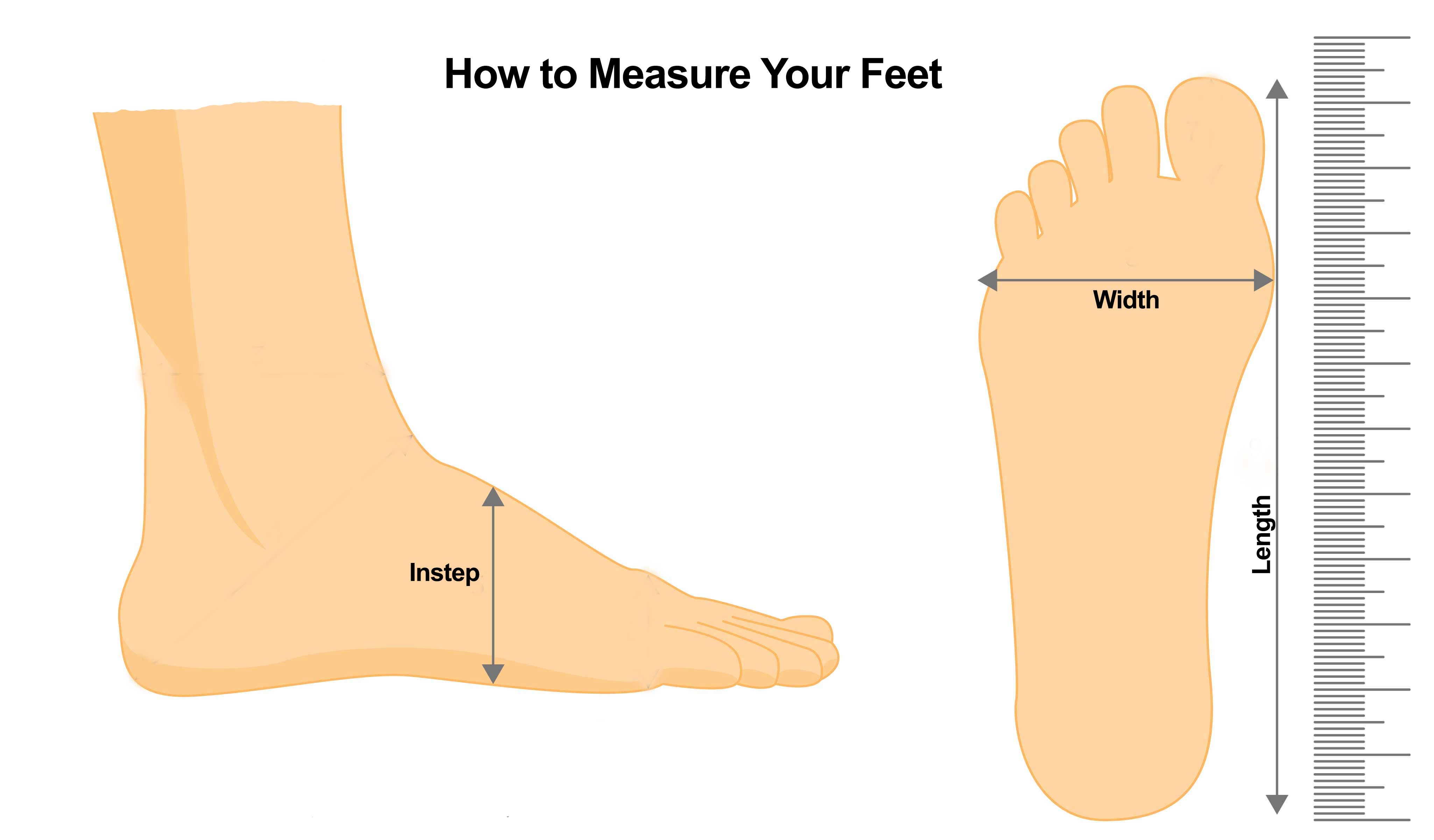
Measure shoe width by tracing your foot and measuring the widest point across the ball.
I’ve helped hundreds of people find shoes that fit comfortably, and I’ll walk you through exactly how to measure width for shoes so you get a precise fit every time. This guide covers simple at-home methods, the device pros use, how to read width labels, common mistakes, and real-world tips from my experience fitting feet of all shapes. Read on and you’ll never guess your shoe width again.
Why accurate shoe width matters
Shoes that are the wrong width cause discomfort, blisters, and long-term foot problems. Knowing how to measure width for shoes helps you pick footwear that supports walking, running, or standing comfortably all day.
A correct width reduces pressure points and improves balance. It can also prevent bunions, corns, and calluses. For athletes, correct width improves performance and reduces injury risk.
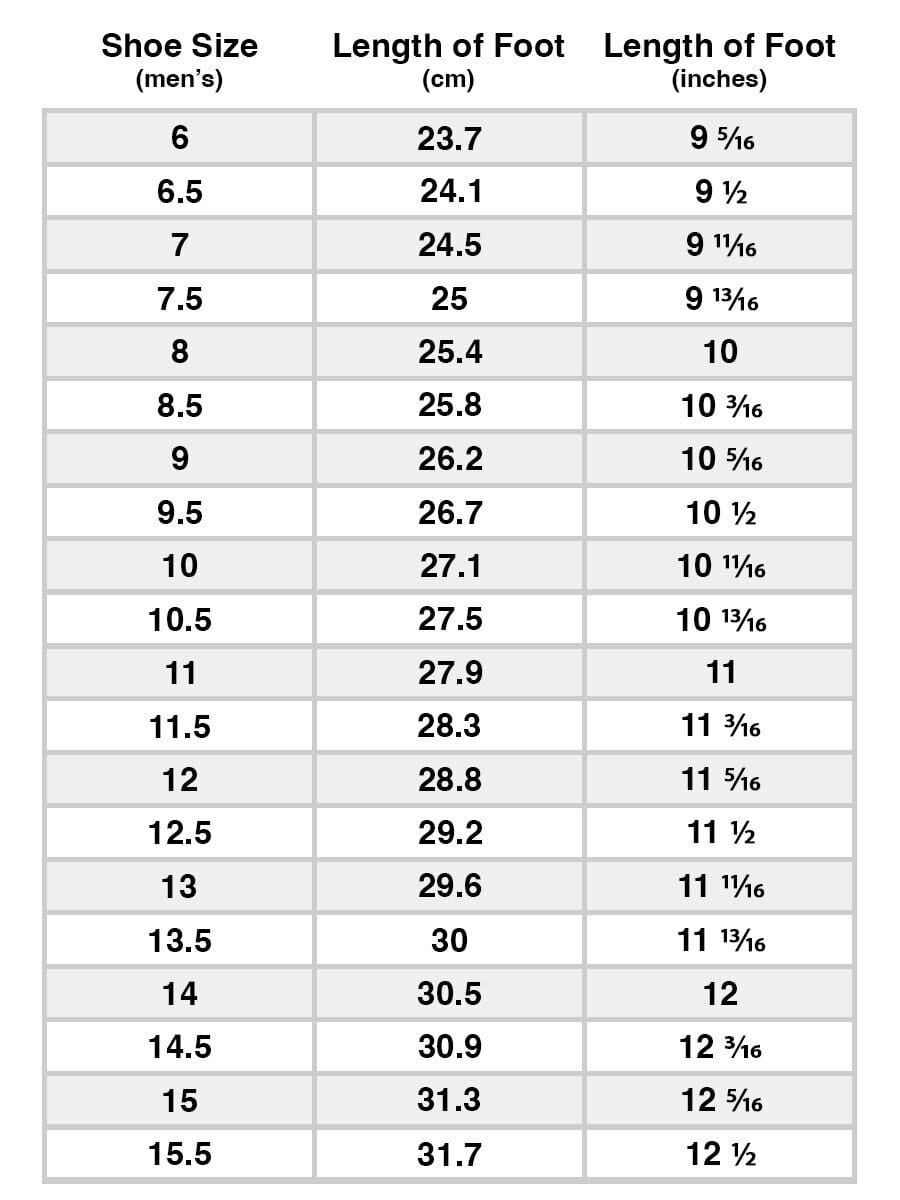
Tools you need to measure width for shoes
You need a few simple tools to measure width for shoes accurately at home or in a store.
- Paper or cardboard for tracing
- Pencil or pen with a fine tip
- Ruler or measuring tape (preferably in inches and millimeters)
- A flat surface and a chair
- Socks you typically wear with the shoes
Optional professional tool:
- Brannock device or shoe measuring gauge for faster, standardized measures
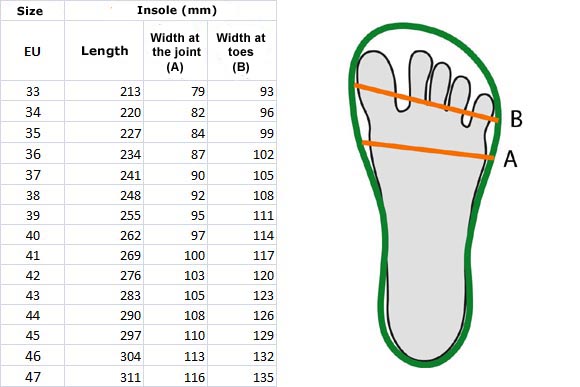
Step-by-step: how to measure width for shoes
Below are three reliable methods. Use the one that fits your situation. Always measure both feet and use the larger measurement.
Method 1 — Standing trace (best at home)
- Place a sheet of paper on a flat floor against a wall.
- Stand with your heel touching the wall and weight evenly on both feet.
- Trace the outline of your foot with the pen vertical to the paper.
- Mark the two widest points across the ball of the foot.
- Measure the straight-line distance between those two marks in inches or millimeters.
- Repeat for the other foot and use the larger number when choosing width.
This is the most practical for most people learning how to measure width for shoes at home. Keep lines short and measure twice for accuracy.
Method 2 — Seated trace (quick, less load bearing)
- Sit with your foot flat and apply gentle, even pressure.
- Trace the foot and measure the widest point as above.
- Add about 2–4 mm for standing to account for foot spread under weight.
This is helpful if standing is painful or difficult.
Method 3 — Brannock device (industry standard)
- Place your heel in the device and align the foot.
- Read the width index where the widest part of the foot lines up.
- The Brannock provides both length and width in standardized letters or numbers.
If you can get to a store with a Brannock device, this delivers repeatable, trusted results. Shoe fitters use it every day.
After measuring, compare the raw width in inches or millimeters to the brand’s width chart. Remember the phrase how to measure width for shoes: measure the widest point across the ball while standing, then convert.
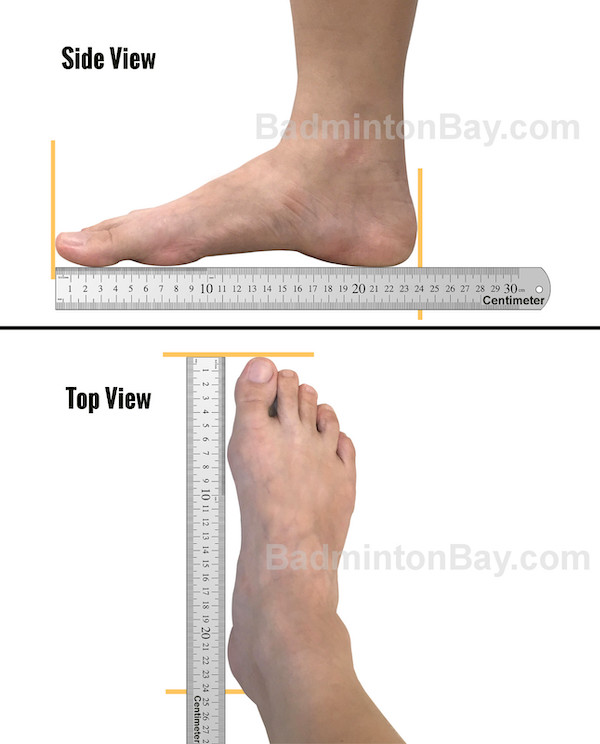
How to read width measurements and convert sizes
Shoe width labels vary by region and brand. Knowing how to measure width for shoes is only half the job — you must convert that number to a label the brand uses.
Common labels:
- Narrow, Medium (Standard), Wide, Extra Wide
- Letters: B, D, E, EE (men often use D as standard; women often use B)
- Numeric widths in some European systems
Conversion tips:
- Measure in millimeters for precision. Many fit charts convert mm to width letters.
- Always use the shoe brand’s chart when available. Sizes differ by maker.
- If one foot is wider, choose the width for the larger foot.
Practical example:
- A foot measuring about 4 inches across the ball might be a medium for one brand and narrow for another. Trust brand charts.
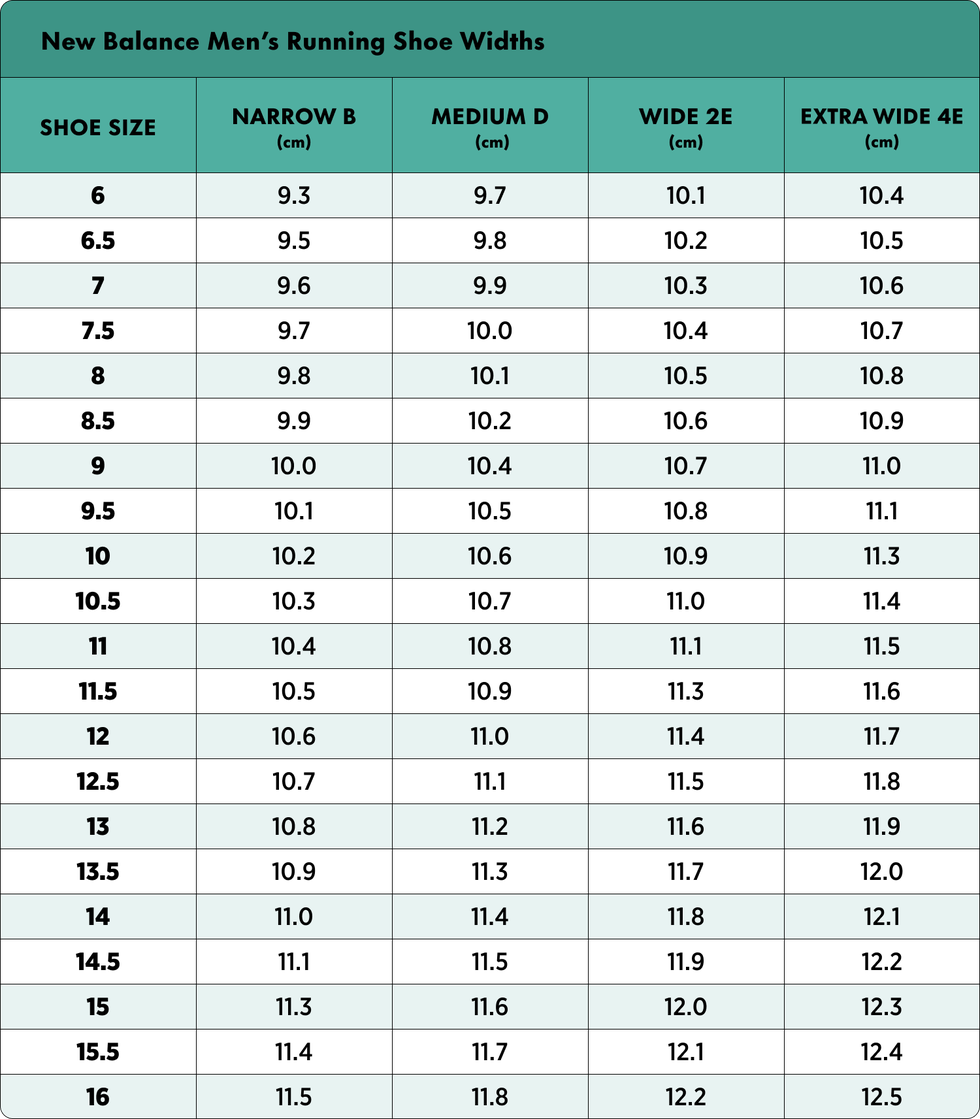
Tips for different foot types and conditions
Different feet need different handling. Here’s how to measure width for shoes based on common needs.
- Wide feet: Measure standing, add no reduction. Consider wide or extra-wide options.
- Narrow feet: Check heel fit and consider half sizes or snugger models.
- High instep: Measure both width and girth; some shoes offer adjustable straps or laces.
- Kids: Measure often; children’s widths change quickly. Measure both feet every 3 months.
- Orthotics or inserts: Measure while wearing your insert; the interior width changes.
If you have medical issues like bunions or diabetes, consult a specialist for tailored shoe advice. Measuring helps, but expert fitting is sometimes essential.

Common mistakes to avoid when you measure width for shoes
Learning from mistakes will save you time and pain.
- Measuring while barefoot but buying shoes for thick socks — match sock thickness.
- Tracing while seated only — standing measurements are more accurate for width.
- Ignoring the larger foot — always fit to the larger foot.
- Relying on length alone — correct width matters as much as length.
- Skipping brand charts — sizes vary across manufacturers.
A few simple corrections prevent repeat returns and sore feet.

Personal experience: lessons from fitting feet
I’ve measured dozens of feet in stores and clinics. Here are honest lessons from that work.
- People underestimate how much their feet spread under weight. I always measure standing.
- Many repeat buyers report comfort improves after switching to correct width, even if length stays the same.
- One client thought pain was from arch support; it was tight width causing pressure. After choosing the right width, the pain eased in days.
- Mistakes I made: relying on shoe length only. That taught me to always measure width too.
When you practice how to measure width for shoes a few times, you’ll be fast and accurate.
PAA-style quick questions
Can I measure shoe width at home?
Yes. Use a standing trace, mark the widest points, and measure the straight-line distance between them. Measure both feet and use the larger value.
How often should I measure shoe width?
Measure whenever you buy new shoes, after major weight change, or every 6–12 months for children. Feet can change with age and activity.
Do I measure width barefoot or with socks?
Measure wearing the socks you plan to wear with the shoes. Thicker socks add meaningful width.
Frequently Asked Questions of how to measure width for shoes
How do I convert my measurement to shoe width letters?
Measure the ball width in millimeters and check the brand’s width chart. Conversion varies, so use the manufacturer’s chart for best accuracy.
Which foot should I measure first?
Measure both feet and record each. Fit shoes to the larger foot’s measurements to avoid tightness.
Is there a universal standard for shoe width?
There is no single universal standard across all brands. Devices like the Brannock provide a widely used reference, but brand charts differ.
Can I use the same width for all shoe types?
Not always. Running shoes, dress shoes, and boots fit differently. Measure and try on each style since width needs vary by design.
What if my feet are different widths?
Fit to the larger foot. If the difference is large, consider one-size inserts, custom orthotics, or brands that sell mixed-width pairs.
Conclusion
Measuring shoe width is simple and powerful. Trace your foot while standing, measure the widest point, compare to brand charts, and choose the width that fits the larger foot. Doing this prevents pain and improves comfort for daily life or sport.
Take action today: measure both feet, note your width, and use that number when shopping. If you found this guide helpful, try the method now and leave a comment with your results or questions.

Rubel Miah is the Senior Editor at MyStyleGrid.com, where he brings a sharp editorial eye and an unshakable love for fashion to everything he does. A true style addict, Rubel lives and breathes trends, from streetwear to high fashion, and has a knack for turning inspiration into impactful stories. With years of experience in fashion journalism and digital media, he curates content that empowers readers to express themselves through style. When he’s not editing features or forecasting the next big thing, you’ll find him hunting down vintage pieces or capturing street style moments around the city.