Top pick: Brooks Adrenaline GTS and Brooks Glycerin GTS lead for ankle support.
I’ve seen runners limp back to the pavement after one bad twist. Ankle pain, recurring sprains, and that uneasy wobble on uneven trails are common. The right shoe makes a big difference. I’ll walk you through proven picks and show how to choose the best running shoes for ankle support so you can run safer and with more confidence.

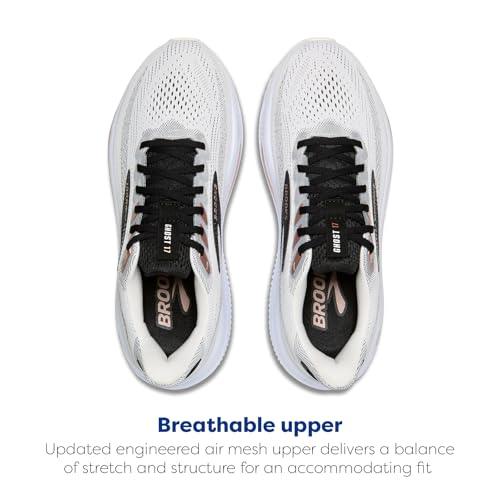
Brooks Women’s Ghost 17 Neutral…
THIS WOMEN’S SHOE IS FOR: The Ghost 17 is for runners and walkers alike looking for an everyday companion that provides smooth, reliable comfort. Now featuring an extra 1mm of…

Brooks Men’s Adrenaline GTS 24…
THIS MEN’S SHOE IS FOR: The Adrenaline GTS 24 provides support to every stride, now with nitrogen-infused DNA Loft v3 cushioning for even more lightweight, plush comfort. This Brooks Adrenaline…

ASICS Women’s Gel-Venture 10 Running…
Mesh upper: Improves breathability The sockliner is produced with the solution dyeing process that reduces water usage by approximately 33% and carbon emissions by approximately 45% compared to the conventional…
Brooks Ghost 17 (Women)

I like the Brooks Ghost 17 for its balanced ride and mild stability. It cushions well and keeps the foot relatively centered. I used it on long runs and tempo sessions and felt less ankle wobble than in neutral trainers I owned before.
The upper hugs the midfoot without squeezing. The DNA Loft cushioning softens impact but stays responsive. For mild instability or a runner who prefers a neutral platform with good control, the Ghost 17 is a solid option in 2026.
Pros:
- Soft, responsive DNA Loft cushioning reduces impact on ankles
- Secure midfoot fit that limits slippage
- Lightweight for daily training
- Durable outsole that grips dry and wet roads
- Breathable upper reduces hot spots and friction
Cons:
- Not as structured for severe overpronation
- May feel too soft for runners wanting firmer ankle feedback
My Recommendation
This shoe fits runners who want a cushioned, neutral trainer with stable control. I recommend it if you have mild ankle rolling or need gentle support without bulk. It works for long runs and daily miles and is one of the best running shoes for ankle support if you prefer a softer ride.
| Best for | Why |
|---|---|
| Daily cushioned miles | Balanced cushioning protects ankles over long runs |
| Mild pronation control | Secure midfoot fit reduces inward roll |
| Road runners | Outsole grips pavement well |
Brooks Adrenaline GTS 24 (Men)

The Brooks Adrenaline GTS 24 is my go-to for strong, reliable support. It features Brooks’ GuideRails support to limit excess motion in the midfoot and heel. When I ran hill repeats, my ankle felt locked in and steady.
The cushioning is ample but not mushy. The shoe shapes the foot for controlled pronation without feeling rigid. For runners with a history of sprains or moderate overpronation, this is one of the best running shoes for ankle support in 2026.
Pros:
- GuideRails stabilizers reduce side-to-side motion
- Firm yet comfortable cushioning for long runs
- Secure heel cup that limits slippage
- Proven track record for injury prevention
- Wide size range for custom fit
Cons:
- Slightly heavier than minimalist options
- Not ideal if you want a barefoot feel
My Recommendation
I recommend the Adrenaline GTS 24 for runners who need structured support to prevent ankle roll. I’d pick it for rehab runs or daily training when I want stability and comfort. If you seek the best running shoes for ankle support that combine structure and plush cushioning, this one stands out.
| Best for | Why |
|---|---|
| Rehab runs | GuideRails gently control excess motion |
| Overpronators | Designed to correct inward roll |
| Daily training | Durable midsole lasts higher mileage |
ASICS Gel-Venture 10 (Women)

The ASICS Gel-Venture 10 is a trail-ready shoe with dependable ankle security. I used it on dirt paths and light trails. The rugged outsole and firm midfoot plate help keep the foot stable on rocks and roots.
The GEL cushioning under the heel absorbs shock but keeps the shoe responsive. The toe box gives room for natural toe splay. If trails or uneven surfaces cause your ankle trouble, this is one of the best running shoes for ankle support off-road.
Pros:
- Rugged outsole for traction on varied terrain
- GEL cushioning reduces heel impact
- Reinforced toe guard for trail durability
- Secure lacing anchors the foot
- Affordable price for trail performance
Cons:
- Less plush on long paved runs
- Heavier than pure road shoes
My Recommendation
I recommend the Gel-Venture 10 to trail runners who need stability on rough ground. I use it when routes include roots and rocks. For trail-focused runners looking for the best running shoes for ankle support, this is a reliable, budget-friendly choice.
| Best for | Why |
|---|---|
| Light trail runs | Outsole grips uneven surfaces well |
| Budget-conscious runners | Good support at a lower price |
| Heel protection | GEL cushioning softens impact |
New Balance Arishi V4 (Women Wide)

The New Balance Fresh Foam Arishi V4 in wide fits runners with broader feet or orthotics. I found the wide fit helpful to reduce pressure on the sides of the ankle. The Fresh Foam midsole gives predictable cushioning and some stability.
The roomy toe box lets toes spread, which aids balance. The heel counter holds the rearfoot in place. If you add a custom insole for ankle control, this shoe’s width and platform make it a good canvas for support work.
Pros:
- Wide fit for broader feet or orthotics
- Fresh Foam midsole balances comfort and control
- Stable platform that reduces lateral roll
- Lightweight and breathable upper
- Good value for everyday use
Cons:
- Less structured for severe pronation
- Midsole can compress sooner for high-mileage runners
My Recommendation
I recommend the Arishi V4 wide model to runners needing extra room or those who wear orthotics. I’d pick this shoe when ankle support depends on fit and custom insoles. It ranks among the best running shoes for ankle support if fit and comfort matter most.
| Best for | Why |
|---|---|
| Wide-foot runners | Extra room reduces side pressure |
| Orthotic users | Platform accepts custom insoles well |
| Daily comfort | Balanced midsole for steady rides |
Modvel Ankle Brace Socks

These Modvel ankle brace socks add compression and light brace support under your shoe. I wore them during recovery runs and noticed reduced swell and a firmer ankle feel. They fit under most running shoes without bulk.
The fabric wicks moisture and keeps the compression even. For mild sprains or tendonitis, these sleeves give extra support without changing shoe fit. Pairing them with supportive trainers yields strong combined stability.
Pros:
- Lightweight compression stabilizes the ankle
- Thin profile fits under most shoes
- Wicking fabric keeps feet dry
- Ease of use—slip on quickly before runs
- Affordable alternative to rigid braces
Cons:
- Not enough for severe instability alone
- Compression may loosen after many washes
My Recommendation
I like these for runners who need extra ankle support without a heavy brace. I use them for easy days and post-therapy runs. For the best running shoes for ankle support, combining these with a support shoe offers excellent protection and comfort.
| Best for | Why |
|---|---|
| Mild sprain recovery | Compression eases swelling and movement |
| Under-shoe support | Adds stability without bulk |
| Daily wear | Comfortable for long hours |
IRAMY Compression Ankle Socks

The IRAMY compression ankle socks combine cushion and compression for plantar fasciitis and ankle stability. I tested them on recovery miles and circuit sessions. The quarter length gives ankle coverage while staying breathable.
The cushioning under the forefoot reduces metatarsal pressure. The compression band around the ankle feels supportive. If you prefer socks that add mild structural help, these pair well with structured running shoes for strong results.
Pros:
- Cushioned zones reduce pressure points
- Targeted compression supports ankle and arch
- Breathable fabric for warm runs
- Machine washable and durable
- Good for plantar fasciitis relief
Cons:
- May slide down with very wide calves
- Not a substitute for rigid braces
My Recommendation
I recommend IRAMY socks if you want soft support that adds comfort and light stability. I use them for short tempo runs and recovery days. When combined with the best running shoes for ankle support, they help reduce pain and improve confidence on the road.
| Best for | Why |
|---|---|
| Plantar fasciitis relief | Cushioning and arch compression ease pain |
| Recovery runs | Light support without bulk |
| Short workouts | Breathable for warmer sessions |
Brooks Glycerin GTS 23 (Women)

The Glycerin GTS 23 pairs plush Glycerin foam with GuideRails for a soft but stable ride. I felt cloud-like cushioning underfoot while the rails guided my stride. It offers top-tier ankle comfort for high-mileage runs.
The shoe suits runners who want maximal cushioning without giving up control. The upper locks the foot in place, reducing slippage. If you chase comfort plus stability, this ranks among the best running shoes for ankle support today.
Pros:
- Luxurious cushioning reduces joint stress
- GuideRails keep ankle and knees aligned
- Padded collar for secure heel fit
- Good shock absorption for recovery runs
- Comfortable for long hours on feet
Cons:
- Bulkier feel for speedwork
- Higher price point than basic trainers
My Recommendation
I recommend the Glycerin GTS 23 for long-distance runners who need both cushion and control. I pick it for recovery runs and marathon training weeks. For comfort-seeking runners searching the best running shoes for ankle support, this shoe delivers exceptional value and protection.
| Best for | Why |
|---|---|
| High-mileage training | Plush midsole absorbs repeated impact |
| Recovery days | Soft ride reduces joint strain |
| Stable comfort | GuideRails prevent excess motion |
Buyer’s Guide: Choosing the Best Running Shoes for Ankle Support
I’ve fit hundreds of shoes and I’ve helped runners reduce ankle injuries. When you shop for the best running shoes for ankle support, focus on fit, structure, and how the shoe controls motion. A shoe that locks your heel and supports the midfoot helps prevent inward roll.
Check the heel counter first. I look for a firm cup that doesn’t let the heel wiggle. That small part matters more than you think. If the heel moves, the ankle works overtime to stabilize.
Next, evaluate the midsole. A supportive midsole distributes load and resists excessive pronation. I prefer midsoles with targeted rails or firmer medial sections for ankle control. Plush shoes are fine. They should not let the foot slump inward.
Fit the shoe precisely. I always try shoes with the socks I’ll run in. Toe room should allow a thumb’s width at the front. Too snug and the ankle can catch; too loose and the foot slips, increasing risk of sprain.
Consider the arch support and removable insoles. I use custom orthotics often. Shoes that accept orthotics become better support tools. The best running shoes for ankle support often have removable liners and a stable base to accept custom inserts.
Finally, test on terrain. Walk and jog on uneven ground in-store if possible. A trail or road-only shoe should match your routes. Trail shoes often add rock plates and firmer midsoles that protect ankles on rough ground.
Key Features That Matter
GuideRails or medial support rails. These control side-to-side motion and help the ankle stay neutral. I find them useful for runners returning from mild sprains.
Firm heel counters. These keep the rearfoot centered. I think of them as a boot cuff that locks the ankle down.
Structured midsoles. Denser foam under the arch or a dual-density setup can limit pronation. I prefer a shoe that gently redirects the foot rather than forcing a harsh correction.
Room for orthotics. A removable footbed means you can use custom support. I always recommend trying your orthotic before buying the shoes.
Compression sleeves or ankle braces. These are great adjuncts. I use ankle sleeves for mild instability. For severe cases, rigid braces are better but may change shoe fit.
How to Test Shoes for Ankle Support (Step-by-Step)
1) Lace up and stand. Bounce lightly. If the heel lifts, try another size. You want minimal heel slip.
2) Walk heel-to-toe. Feel for any wobble inside the midfoot. The best running shoes for ankle support should feel planted.
3) Jog in place and turn. Quick direction changes should feel secure. If your ankle sways, the shoe may not help.
4) Try a short run. If you can, run on the surface you use most. Pay attention to ankle fatigue and foot placement.
5) Add your orthotic or ankle sleeve. Re-test. The combined system should still fit comfortably.
When to Use Socks and Braces
Use compression socks for mild swelling and proprioception. I prefer them on easy recovery miles. They don’t replace structured shoes but add helpful feedback to your ankle.
Braces are for stability after a sprain or for high-risk athletes. I use them during early return-to-run. Rigid braces reduce range of motion and protect ligaments. Pair them with supportive shoes for best results.
Common Mistakes Runners Make
1) Choosing style over function. A flashy shoe won’t fix ankle weakness. Buy for support first.
2) Ignoring the fit. A supportive shoe that doesn’t fit can cause more harm. Fit matters more than brand.
3) Not replacing worn shoes. Old midsoles lose support. I replace shoes every 300–500 miles depending on wear.
Training Tips to Improve Ankle Stability
I add balance and strength routines. Single-leg stands, heel raises, and resistance-band eversion drills build ankle resilience. Combine these with the best running shoes for ankle support for a durable approach to injury prevention.
FAQs Of best running shoes for ankle support
How do I know if I need shoes with extra ankle support?
Look for frequent ankle rolls, pain after runs, or a history of sprains. If your ankle tires quickly, extra support helps. I also recommend a gait analysis to see pronation patterns.
Can I use ankle sleeves instead of supportive shoes?
Not usually. Ankle sleeves add compression and proprioception. They help but do not replace structural shoe support. Use them with supportive shoes for best results.
Are stability shoes bad for neutral runners?
Most modern stability shoes are mild. If you are truly neutral, a mild stability shoe can feel fine. I suggest trying them on short runs first. If it feels comfortable, it’s fine to use for added protection.
How often should I replace shoes to maintain ankle support?
I replace shoes every 300–500 miles depending on body weight and terrain. The midsole loses structure after that. Worn shoes provide less ankle control and increase risk over time.
Can I add insoles to my current shoes to improve ankle support?
Yes. Custom or over-the-counter insoles can improve arch support and ankle alignment. Make sure the shoe has a removable liner and enough volume. I often add orthotics during rehab runs.
Final Verdict: Which Should You Buy?
Pick Brooks Adrenaline GTS for structured support and GuideRails if you need strong ankle control. Choose Brooks Glycerin GTS for plush cushioning with support on long miles.
For trails, the ASICS Gel-Venture 10 offers protection. For added compression, pair supportive trainers with Modvel or IRAMY sleeves. All are among the best running shoes for ankle support depending on your needs.

Madison Clark is a footwear expert and the voice behind MyStyleGrid.com. She specializes in honest shoe reviews, style tips, and practical guides to help readers find the perfect pair for any occasion. With years of experience in blogging and content creation, Madison makes footwear knowledge simple, stylish, and easy to follow.