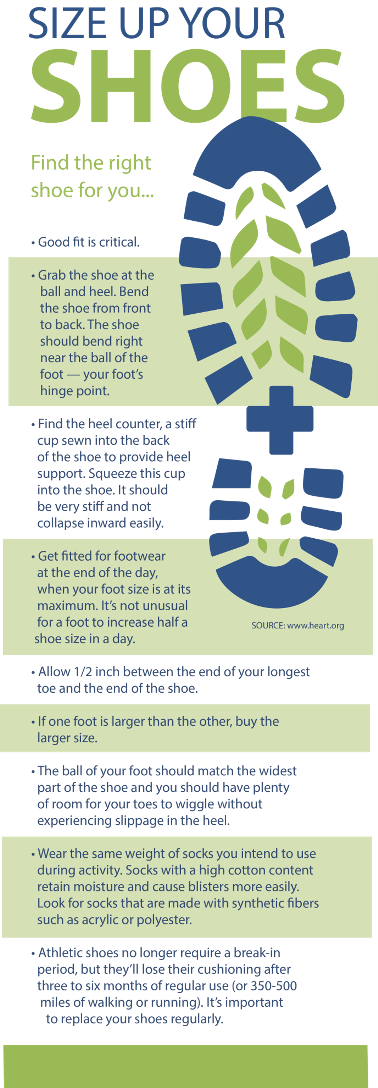
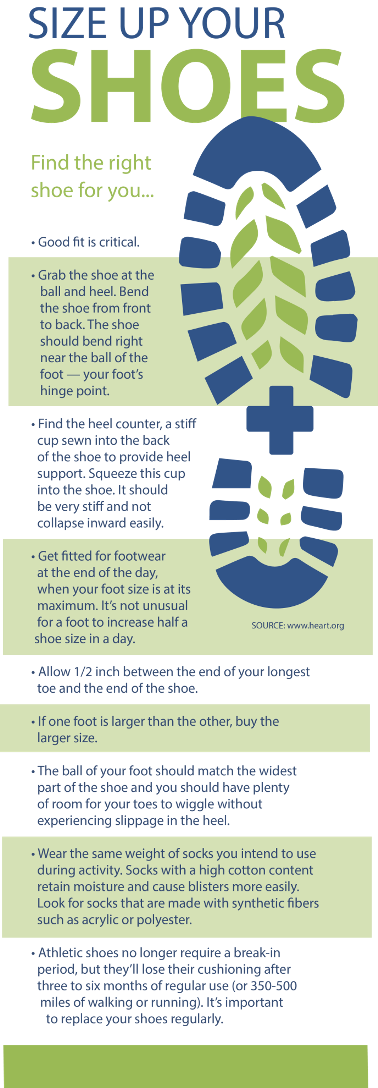
About 20 to 50 miles is typical to break in most running shoes.
I’ve tested shoes for years and helped runners find the right fit. In this guide I’ll explain how many miles to break in running shoes, why it matters, and exactly what to do so your shoes feel great and last longer. Read on for clear, practical steps and honest advice from real-world testing.
Why the break-in period matters
Breaking in shoes protects your feet and your training plan. New shoes have stiff midsoles, firm uppers, and glue points that need gentle use to settle. If you skip the break-in you may get blisters, hot spots, or odd gait patterns that lead to pain.
Key reasons to break in shoes
- Comfort improves as materials soften and mold to your feet.
- Cushioning stabilizes after a few runs and gives more consistent feel.
- Risk of injury drops when your body adapts gradually to new support.
My experience: I once raced in brand-new trainers and fought hot spots for the whole race. Since then I always log steady break-in miles. Small effort up front saves weeks of soreness later.
How many miles to break in running shoes
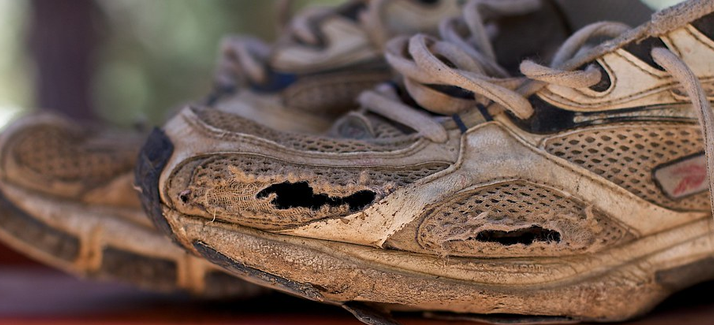
There is no single magic number, but the usual range is 20 to 50 miles. Lighter, more flexible shoes often need fewer miles. Firmer, motion-control or highly-cushioned models may need more. Think of the break-in window as a gradual process, not a single workout.
Practical guidelines
- Trail shoes and stiff stability shoes: plan 30 to 50 miles.
- Road trainers and neutral shoes: plan 20 to 40 miles.
- Racing flats and minimal shoes: plan 10 to 30 miles, starting gently.
Why the range varies
- Materials: thick foam takes longer to compress. Leather or synthetic uppers need time to soften.
- Rider weight and stride: heavier runners and stronger striders compress foam faster.
- Previous shoe type: switching from very cushioned shoes to firmer shoes may require a longer adapt period.
My test notes: I logged 25 miles with a new neutral trainer before I felt confident for tempo runs. With a maximal cushioned shoe I waited 40 miles before long runs. Tailor the numbers to your shoes and body.
Factors that affect how many miles to break in running shoes
Many variables change the break-in timeline. Knowing them helps you set expectations.
Materials and construction
- Foam type influences how quickly cushioning settles.
- Upper materials affect fit and friction that can cause blisters.
- Outsole stiffness changes how the shoe flexes underfoot.
Runner-specific factors
- Body weight alters foam compression speed.
- Foot shape affects pressure points and where the shoe must adapt.
- Running surfaces change wear patterns and how quickly shoes loosen.
Training and use
- Walks and short runs speed the upper softening without heavy impact.
- Long runs load foam more and accelerate midsole settling.
- Cross-training can help adapt while reducing repetitive stress.
Evidence and industry practice show that these factors matter. Trust the shoe and your body. If something hurts persistently, adjust your approach.
How to break in your running shoes: step-by-step
A simple plan helps you get the feel right and avoid injury. Follow this progressive routine.
First week: gentle introduction
- Wear the shoes for short walks and easy runs of 2 to 4 miles.
- Alternate new shoes with an old, trusted pair for recovery days.
Weeks two and three: build load
- Increase run length by 1 to 2 miles every few runs.
- Add moderate efforts only if comfort is consistent.
Weeks four and beyond: test performance
- Include a tempo or long run once shoes feel fully comfortable.
- Use this time to confirm fit, support, and cushioning under race pace.
Extra tips
- Use thinner socks at first to detect hotspots, then move to your race socks once comfort is proven.
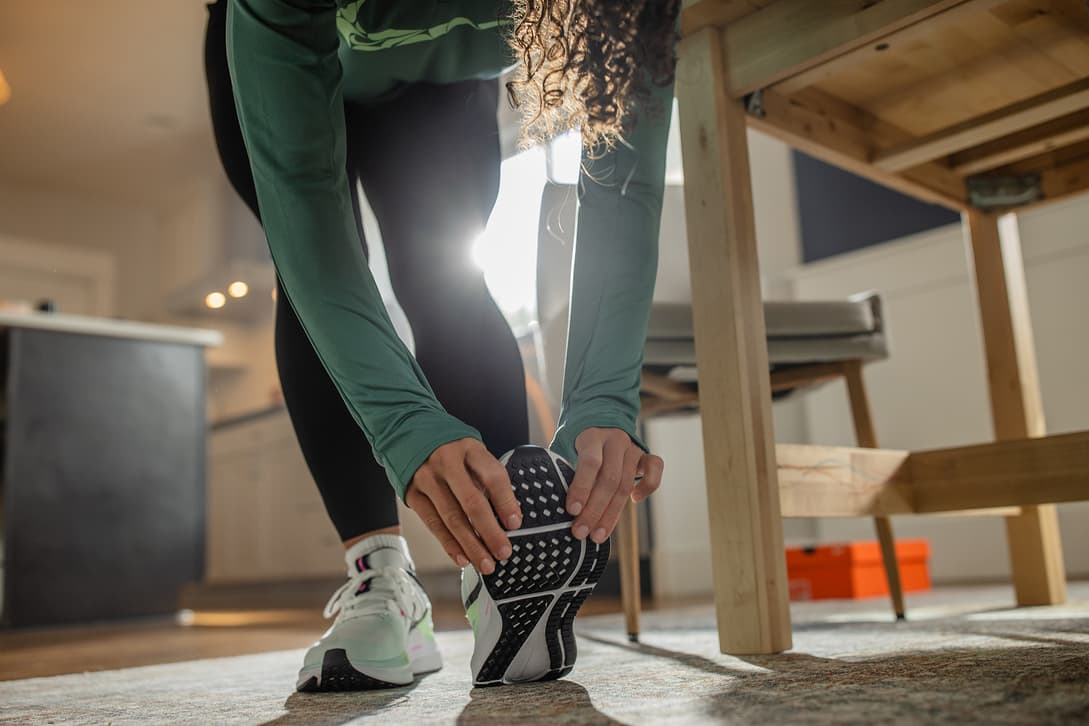
- Try heel and forefoot rock tests at home to see where the shoe flexes.
- If blisters appear, stop and treat; don’t push through until resolved.
My favorite trick: start with two to three shorter runs over varied surfaces. This gives uppers time to shape and foam time to compress without full load.

Signs your shoes are properly broken in
Watch for these clear signs that your shoes are ready for regular use.
Comfort signals
- No new hot spots or persistent rubs after a run.
- Consistent cushioning feel across runs.
- Natural, smooth gait without unusual hip or knee soreness.
Performance signals
- Stable stride at tempo pace.
- Predictable rebound and energy return.
- No unexpected lateral wobble or midfoot collapse.
Longevity signals
- Even outsole wear pattern beginning to appear.
- Midsole compression is steady and not suddenly over-soft.
If you do not see these signs after 50 miles, reassess the shoe fit or model. Not every shoe will work for every runner.
Common mistakes and how to avoid them
Avoid these errors to break in shoes well and safely.
Common mistakes
- Jumping straight to long runs in new shoes. This raises blister and injury risk.
- Ignoring minor pain and continuing to train hard.
- Switching both shoes and training type at once, which confuses adaptation.
How to avoid them
- Stagger new shoe use with an old pair.
- Use short recovery runs to test comfort.
- Track progress and be ready to swap back if problems persist.
I once ignored a small inside ankle rub. It turned into a week off. Now I treat even small issues as early warnings.

Frequently Asked Questions of how many miles to break in running shoes
How long does it take to break in running shoes?
Most runners need about 20 to 50 miles to feel the shoe settle and be comfortable for all runs. The exact time varies with shoe type and runner traits.
Can I race in new running shoes?
It’s best to avoid racing in brand-new shoes. Race only after you’ve logged at least 20 miles and confirmed there are no hotspots or fit issues.
Do minimalist shoes need fewer break-in miles?
Often yes. Minimalist and racing shoes usually need 10 to 30 miles, but you should introduce them gradually to adapt your muscles and tendons.
Will break-in reduce shoe lifespan?
Proper break-in does not reduce lifespan. It helps the shoe perform predictably and can prevent uneven wear caused by poor initial fit.
What if shoes never feel right after 50 miles?
If discomfort persists after 50 miles, consider a different size, width, or model. Some shoes simply do not match certain foot shapes.
Conclusion
Breaking in your shoes matters. Aim for roughly 20 to 50 miles as a starting rule, then adjust based on your shoe type, weight, and comfort. Use a staged plan of short runs, gradual mileage increases, and attentive care. That small, patient investment gives you more comfort, better performance, and fewer injuries down the road. Try this approach with your next pair and share what you learn—leave a comment, subscribe for more shoe tests, or ask a question about your specific model.

Rubel Miah is the Senior Editor at MyStyleGrid.com, where he brings a sharp editorial eye and an unshakable love for fashion to everything he does. A true style addict, Rubel lives and breathes trends, from streetwear to high fashion, and has a knack for turning inspiration into impactful stories. With years of experience in fashion journalism and digital media, he curates content that empowers readers to express themselves through style. When he’s not editing features or forecasting the next big thing, you’ll find him hunting down vintage pieces or capturing street style moments around the city.