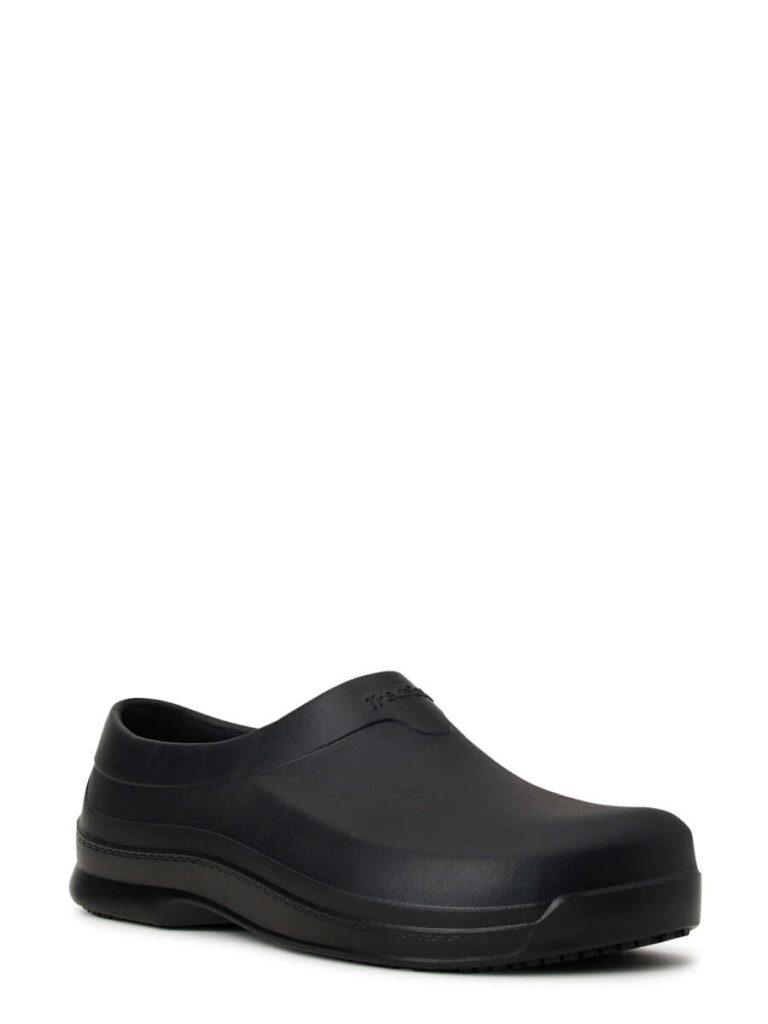
Slip resistant shoes are footwear designed to grip slick surfaces and reduce the chance of slips and falls.
If you’ve ever walked across a wet kitchen floor, a greasy restaurant line, or a polished hospital hallway, you already know how fast one small slip can turn into a big problem. Slip resistant shoes are built for exactly that kind of moment. They matter for safety, comfort, and confidence, and knowing how they work can help you choose the right pair for work or daily life.

What Are Slip Resistant Shoes?
Slip resistant shoes are shoes made with special soles that help increase traction on surfaces that are wet, oily, greasy, or otherwise slick. They are common in jobs where floors can be hard to trust, like food service, healthcare, hospitality, manufacturing, and cleaning. The main idea is simple: more grip, less slipping.
The outsole, which is the bottom part of the shoe, usually has tread patterns and rubber compounds designed to channel liquid away and keep more of the sole in contact with the floor. That does not mean the shoe is “slip proof.” No shoe can eliminate all risk. But a good pair can lower the odds a lot.
In my experience, people often confuse slip resistant with heavy-duty or waterproof. They are not the same thing. A shoe can be dry, light, and still offer strong traction, which is why slip resistant shoes are such a smart choice in many real-world settings.

How Slip Resistant Shoes Work
Slip resistant shoes work by improving friction between the shoe and the ground. When a floor has water, oil, soap, or food residue on it, the wrong sole can slide over the surface like a skate. A slip resistant sole is shaped and made to fight that effect.
Most designs use rubber or rubber-like materials that stay flexible and “bite” into the floor better than harder plastics. The tread pattern also matters. Grooves help push liquid out from under the shoe so the outsole can touch the floor more evenly.
A few factors affect performance:
- Rubber compound: Softer, specially blended rubber often grips better on slick floors.
- Tread design: Channels and ridges help move liquid away.
- Surface contact: More even contact often means better traction.
- Floor type: Tile, metal, concrete, and wet wood all behave differently.
One thing I learned while comparing work shoes is that a sole may feel grippy in your hand but still perform poorly on a real floor. Testing matters more than appearance.
What Makes a Shoe Slip Resistant?
A shoe is usually slip resistant because of the sole, not because of the upper part of the shoe. The top can be leather, mesh, synthetic material, or something else. The real traction comes from the outsole and how it is built.
Key features often include:
- Oil-resistant rubber for kitchens and industrial spaces
- Deep tread patterns for moving liquid away
- Wide contact zones for better stability
- Flexible soles that adapt to the floor
- Certification or testing claims from the manufacturer
Some shoes are tested against industry methods to measure slip resistance. These tests can help, but they are not perfect predictions of how a shoe will feel in every setting. That is why it helps to think about your actual work environment before buying.
Slip Resistant Shoes vs. Non Slip Shoes
People often use these terms like they mean the same thing. In everyday conversation, they usually do. In practice, both terms refer to shoes meant to reduce slipping, but the exact performance can vary by brand and testing method.
Here is the simple difference:
- Slip resistant shoes: Designed to reduce slipping on slick surfaces.
- Non slip shoes: A common marketing term with the same general idea.
- Slip proof shoes: Not a reliable term, because no shoe can guarantee zero slips.
If a brand says a shoe is non slip, that does not automatically mean it will perform well everywhere. Always check the sole design, the intended use, and user reviews from people in similar jobs.
Who Needs Slip Resistant Shoes?
Slip resistant shoes are useful for many people, not just restaurant workers. If your day includes wet floors, greasy spots, or fast movement, they can be a smart safety upgrade.
Common users include:
- Restaurant and kitchen staff
- Nurses and medical workers
- Hotel and housekeeping staff
- Grocery and warehouse employees
- Construction and maintenance workers
- Delivery drivers
- Anyone walking in rainy or icy conditions
I have seen people ignore this until they take one bad fall. After that, they usually become much more selective. A good pair can save you from injuries, lost work time, and a lot of stress.
Benefits of Slip Resistant Shoes
Slip resistant shoes offer more than just traction. They can improve how safe and stable you feel during a long shift or busy day.
Main benefits include:
- Lower fall risk on slick floors
- Better balance and steadier steps
- More confidence while moving quickly
- Less fatigue in some cases, especially with supportive designs
- Better workplace safety compliance in many jobs
For workers in fast-paced environments, that confidence matters. When your footing feels secure, you can focus on the job instead of worrying about the next step.
What Slip Resistant Shoes Do Not Do
It is important to be realistic. Slip resistant shoes help, but they do not make dangerous surfaces harmless. They are one part of safety, not the whole solution.
They do not:
- Stop all falls
- Work equally well on every surface
- Replace good cleaning habits
- Fix poor walking technique
- Last forever without wear
I always tell people to think of them like car tires. Good tires help a lot, but if the road is icy and you drive carelessly, the risk is still there. Same idea here.
How to Choose the Right Pair
Choosing the right slip resistant shoes depends on where and how you use them. A kitchen worker needs different features than someone in a warehouse or clinic. The best pair is the one that fits your surface, your shift, and your comfort needs.
Look for:
- Trusted traction claims backed by testing
- Rubber outsoles made for slippery floors
- Good arch support and cushioning
- A secure fit that does not slide on your foot
- Water resistance if you work around spills
- Easy-to-clean materials for messy jobs
A mistake I have seen a lot is people buying the grippiest shoe they can find and ignoring fit. If a shoe is too loose, your foot moves inside it, and that can hurt comfort and stability. The best shoe gives you grip and a locked-in feel.
Best Materials in Slip Resistant Shoes
Material matters a lot. The outsole is the star, but the whole shoe affects performance and comfort.
Common materials include:
- Rubber outsoles: Often the best choice for traction
- Leather uppers: Durable and easy to clean
- Synthetic uppers: Often lightweight and flexible
- Mesh panels: Helpful for breathability, though not always ideal for wet work
- Foam midsoles: Add cushioning for long hours
If you work in a hot kitchen, breathability may matter as much as grip. If you work around spills, easy cleaning may matter more. Matching the material to the job is the smart move.
How to Test Slip Resistance Before You Buy
You can learn a lot before you spend your money. The goal is to find shoes that match your real-world conditions.
Try this:
- Read the sole description and look for slip resistance testing.
- Check whether the shoe is made for wet, oily, or dry floors.
- Look at tread depth and pattern.
- Read reviews from people in similar jobs.
- Try them on and walk on a safe, smooth surface.
- Pay attention to heel slip, toe space, and overall stability.
If possible, shop during a time when your feet are already a little swollen, like after a long day. That gives you a more realistic fit. Comfort matters just as much as traction.
Common Mistakes People Make
A lot of slip resistant shoe problems come from poor choices, not poor shoes. I have seen people blame the shoe when the issue was really fit, wear, or floor condition.
Common mistakes include:
- Buying based on looks only
- Assuming “non slip” means perfect traction
- Wearing worn-out soles too long
- Ignoring the kind of floor you work on
- Choosing the wrong size or width
- Forgetting that dirt and oil reduce traction
Even the best shoe loses grip when the sole is packed with grease or the tread is worn smooth. Clean your shoes often and replace them when the outsole starts to flatten.
How Long Do Slip Resistant Shoes Last?
There is no single answer because it depends on use, material, and care. A worker in a busy kitchen may wear out a pair much faster than someone who uses the shoes only now and then.
Signs it may be time to replace them include:
- Worn tread
- Flattened soles
- Cracks in the outsole
- Less grip on familiar floors
- Discomfort that was not there before
In my experience, people wait too long to replace them because the shoes still “look fine.” But tread wear can reduce traction before visible damage becomes obvious. That is one of the easiest safety mistakes to avoid.
Care Tips for Better Traction
Good care helps shoes stay effective longer. It also keeps dirt and grease from ruining traction.
Use these simple habits:
- Wipe off oil, water, and food residue after each shift
- Clean the outsole regularly
- Let shoes dry fully before the next use
- Rotate pairs if you wear them daily
- Check the tread every few weeks
This is one of those small habits that pays off quietly. A clean sole can perform far better than a dirty one, even if both shoes are the same model.
Frequently Asked Questions
What are slip resistant shoes used for?
Slip resistant shoes are used to help prevent slips and falls on wet, greasy, or slick surfaces. They are especially common in restaurants, hospitals, hotels, and warehouses.
Are slip resistant shoes the same as non slip shoes?
In most everyday use, yes, they mean almost the same thing. Both terms describe shoes designed to improve traction, but actual performance still depends on the sole design and the surface you walk on.
Can slip resistant shoes prevent all falls?
No, they cannot prevent every fall. They reduce risk, but you still need to walk carefully, keep floors clean, and replace worn shoes when needed.
How do I know if shoes are slip resistant?
Look for slip resistance claims from the manufacturer, plus details about the sole material and tread design. Reviews from people in similar jobs can also help you judge real-world performance.
Do slip resistant shoes work on all surfaces?
Not equally. Some shoes perform better on wet tile, while others are better for oil, concrete, or outdoor use. That is why it helps to match the shoe to your environment.
Conclusion
Slip resistant shoes are a practical safety tool for anyone who deals with slick floors, fast movement, or long hours on their feet. The right pair can improve traction, reduce fall risk, and make your workday feel more secure. Just remember that fit, sole design, and proper care all matter as much as the label.
If you are choosing a pair, focus on your real work conditions, not just the marketing. Pick shoes with strong traction, a comfortable fit, and a sole built for your environment. Take the next step by comparing a few options, checking the tread, and choosing the pair that helps you move with confidence.

Rubel Miah is the Senior Editor at MyStyleGrid.com, where he brings a sharp editorial eye and an unshakable love for fashion to everything he does. A true style addict, Rubel lives and breathes trends, from streetwear to high fashion, and has a knack for turning inspiration into impactful stories. With years of experience in fashion journalism and digital media, he curates content that empowers readers to express themselves through style. When he’s not editing features or forecasting the next big thing, you’ll find him hunting down vintage pieces or capturing street style moments around the city.