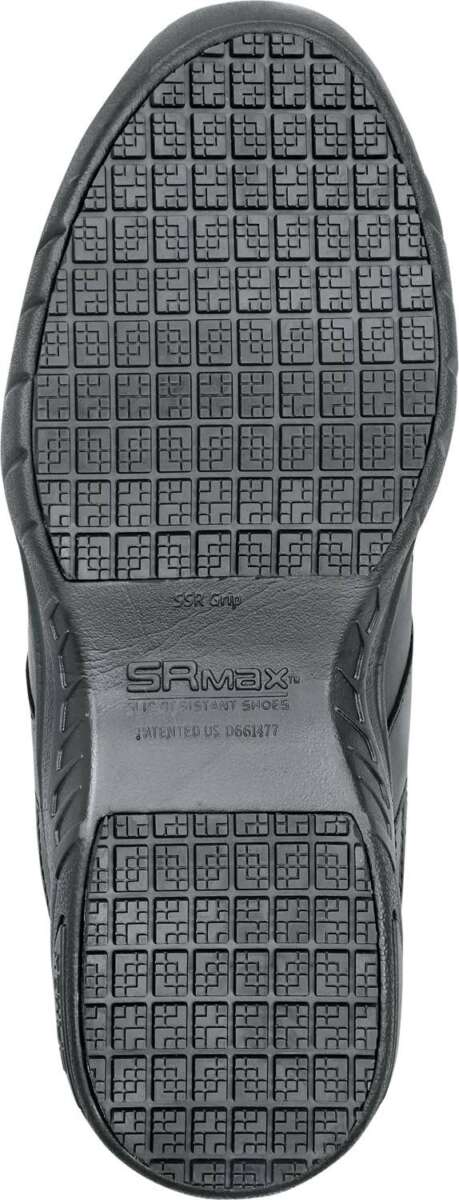
Non slip shoes have deep treads, sticky rubber soles, and textured, oil-resistant outsoles.
I’ve studied and tested many work shoes and casual options, so I can quickly show what do non slip shoes look like and why those visual cues matter. This guide breaks down the telltale signs, materials, common designs, and real-world testing tips so you can spot true slip resistance at a glance and pick shoes that protect you on wet floors.

What do non slip shoes look like: key visual signs
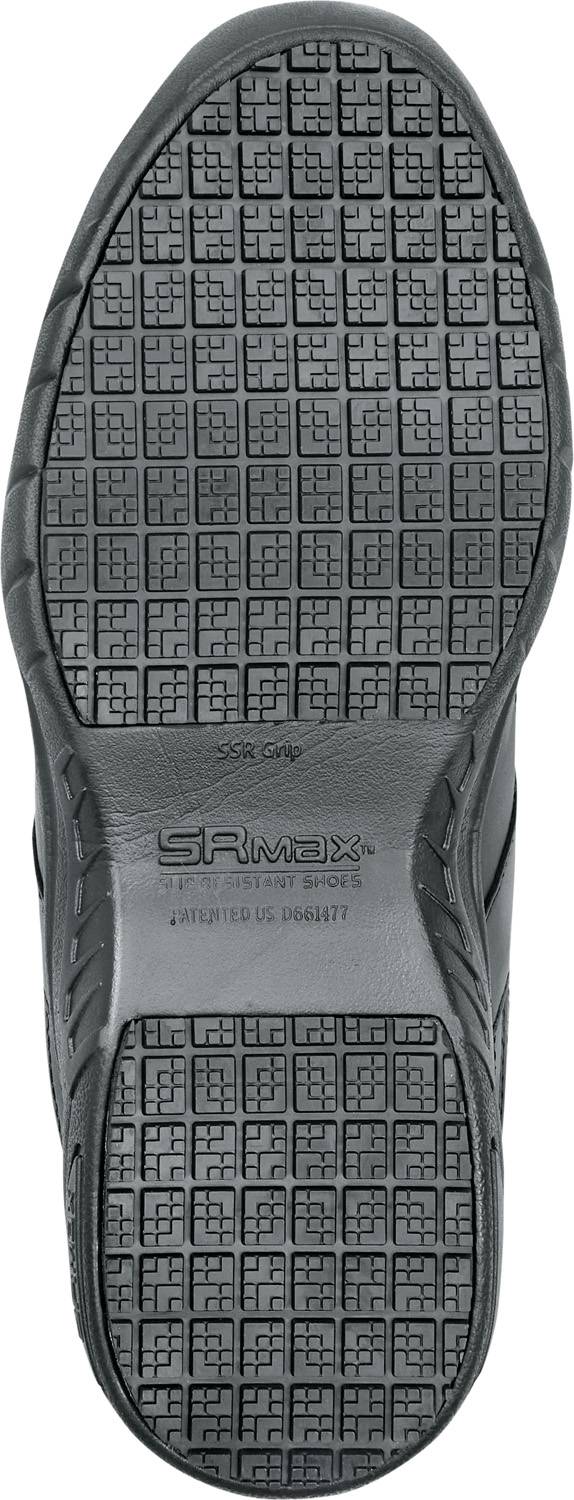
Non slip shoes usually show clear visual clues you can spot fast. Look for aggressive tread, varied siping (small grooves), and a rubber sole with a textured finish. Many also carry a label or icon indicating slip resistance.
These design cues work together to channel liquids away, increase contact area, and grip slick surfaces. If you wonder what do non slip shoes look like in a store photo, focus on the sole pattern and the material shine.

Key design features that make shoes non slip
- Outsole tread patterns. Deep channels and multi-directional lugs move liquids away and bite into wet surfaces.
- Siping. Tiny cuts across the tread create extra edges that improve grip on smooth surfaces.
- Soft, sticky rubber compounds. A slightly tacky sole grips better than hard plastic.
- Wide contact patch. Broader soles reduce pressure per square inch and help avoid sliding.
- Heel design. Low, stable heels limit tipping and aid traction.
When you learn what do non slip shoes look like, these features are the core signals that separate them from regular shoes.

Materials and outsole technologies explained
Outsoles are the most important part. Most non slip shoes use rubber or thermoplastic rubber. These materials handle oil, water, and grime better than leather or hard plastics. Manufacturers sometimes add cork, polyurethane, or EVA midsoles for comfort while keeping a sticky outsole for grip.
Industry slip tests measure performance on wet and oily surfaces. Brands that pass recognized tests often note this on tags. Knowing what do non slip shoes look like helps you read labels and test claims with confidence.

Styles and common uses
Non slip shoes come in many styles. You’ll find them as:
- Work clogs used in kitchens and hospitals.
- Low-profile sneakers for restaurant staff.
- Boots for construction and industrial sites.
- Casual slip-resistant shoes for everyday wear.
Each style adapts the same core elements—grippy outsole, secure fit, and durable materials—to different tasks. That variety means you can find a shoe that fits your job and still shows what do non slip shoes look like visibly.

How to test non slip shoes at home and in stores
- Look at the sole up close. Check for siping, deep channels, and a soft rubber texture.
- Do a simple heel-to-toe slide test on a slightly wet tile to sense grip and slip.
- Ask sales staff for certificate or test standard info. Reliable brands can provide test names or results.
- Compare weight and flexibility. Very rigid soles often mean poor wet traction.
When you actively test, you’ll better understand what do non slip shoes look like beyond photos and product blurbs.

Care, maintenance, and longevity of slip resistance
- Clean the soles often. Built-up grease or dirt kills traction.
- Avoid harsh chemical cleaners that harden rubber. Mild soap and water work well.
- Replace shoes when the tread wears flat. Worn soles lose slip resistance quickly.
Proper care preserves the appearance and function that define what do non slip shoes look like and how they perform over time.
Buying tips and mistakes to avoid (with personal experience)
From years of testing kitchen and service shoes, I learned a few clear rules:
- Try shoes on with the socks you will wear at work. Fit changes traction.
- Don’t judge slip resistance by brand alone. Inspect the sole closely.
- Avoid overly polished soles that look new but are hard and slick.
I once bought shoes that looked grippy in photos but had flat, glossy soles. They slipped on the first greasy spill. After that, I always check tread depth and siping in person. Knowing what do non slip shoes look like saved me from repeated mistakes and a few falls.
Common myths and limitations
- Myth: All rubber soles are non slip. Reality: Rubber varies; some compounds are hard and slick.
- Myth: Deep tread always equals safety. Reality: Tread must be paired with the right compound and siping.
- Limitation: Even the best shoes can’t fully prevent slips on steeply inclined or heavily contaminated surfaces. Use good housekeeping and mats too. Knowing what do non slip shoes look like helps you separate myth from real safety.
Frequently Asked Questions of what do non slip shoes look like
What visual clues show a shoe is slip-resistant?
Look for deep tread channels, fine siping, and a matte or slightly tacky rubber outsole. These are the main visual signs.
Can I trust product photos online to judge slip resistance?
Photos help, but they can be misleading. Whenever possible, check reviews, test standards, and ask about the outsole compound.
Are non slip shoes always bulky or heavy?
No. Modern non slip shoes come in lightweight designs and sneakers. The outsole compound, not weight, governs grip.
How often should I replace non slip shoes?
Replace them when tread becomes visibly worn or flat. For heavy use, that might be every 9–18 months.
Do non slip shoes work on oil as well as water?
Some are rated for both. Look for oil-resistant or oil-rated labels and ask about test standards to be sure.
Conclusion
Spotting what do non slip shoes look like becomes easy once you know the signs: textured, siped rubber soles, deep multi-directional tread, and a soft, grippy compound. Use a quick visual check, a brief in-store test, and care routines to keep traction reliable. Choose shoes that fit your work and replace them when tread wears thin to stay safe. Try these tips next time you shop, share your experience in the comments, or subscribe for more practical gear guides.

Rubel Miah is the Senior Editor at MyStyleGrid.com, where he brings a sharp editorial eye and an unshakable love for fashion to everything he does. A true style addict, Rubel lives and breathes trends, from streetwear to high fashion, and has a knack for turning inspiration into impactful stories. With years of experience in fashion journalism and digital media, he curates content that empowers readers to express themselves through style. When he’s not editing features or forecasting the next big thing, you’ll find him hunting down vintage pieces or capturing street style moments around the city.