Good work shoes support your feet, reduce fatigue, and match the demands of your job.
If you stand, walk, lift, or move all day, the right pair can change everything. In this guide, I’ll break down what are good work shoes, how to choose them, and what features matter most for comfort, safety, and long-term value. Whether you work in an office, kitchen, warehouse, clinic, or job site, the best choice comes down to fit, support, traction, and the risks of your workday.
What are good work shoes?
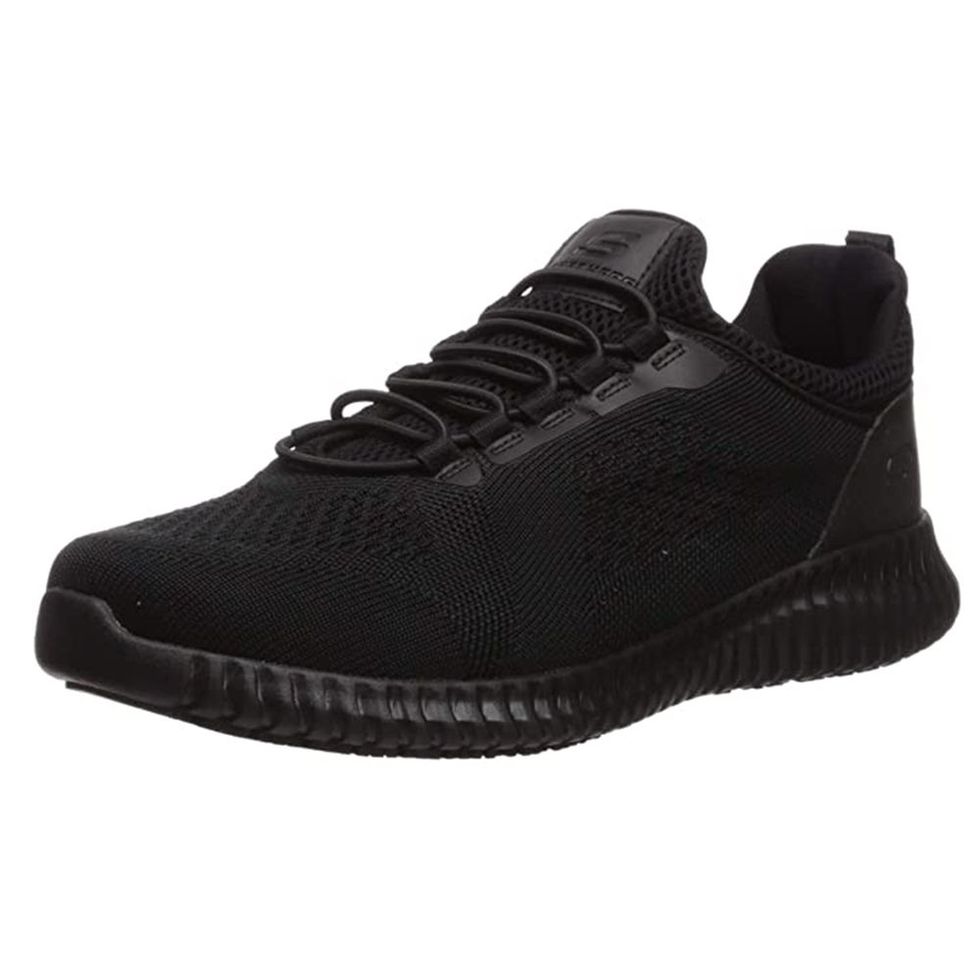
Good work shoes are shoes made to keep your feet comfortable, stable, and protected during long hours on the job. The best pairs are not just “comfortable” for ten minutes in a store. They stay supportive after a full shift, help reduce foot strain, and fit the tasks you do every day.
In my experience, people often buy work shoes like they buy sneakers. That usually backfires. A shoe can feel soft at first and still leave your heels sore, your arches tired, or your knees aching by lunch. What are good work shoes really about? It’s the balance of comfort, durability, and job-specific safety.
Why the right work shoes matter
Your feet absorb a huge amount of stress every day. If your shoes are weak, thin, or poorly fitted, that stress moves up the chain into your ankles, knees, hips, and back. Over time, that can turn a normal workday into a painful one.
Good work shoes help with:
• All-day comfort, so standing and walking feel easier
• Better posture and balance, which can reduce strain
• Slip resistance, which matters in wet or oily environments
• Protection from impact, sharp objects, or electrical hazards
• Less fatigue, especially during long shifts
A simple way to think about it: good work shoes are like a strong foundation under a house. If the base is unstable, everything above it feels off.
Key features of good work shoes
When people ask what are good work shoes, I always start with the features. A shoe may look right, but the details tell you whether it will actually perform.
Fit and sizing
Fit is the first test. A shoe should hold your heel in place without rubbing, and your toes should have room to move. If your toes are jammed, your feet swell faster and your shift feels longer.
A few fit checks help a lot:
• Leave about a thumb’s width in front of your longest toe
• Make sure the heel does not slip too much
• Try shoes later in the day when your feet are slightly larger
• Wear the socks you normally use at work
Cushioning
Cushioning helps absorb shock from hard floors, stairs, and constant movement. But more cushion is not always better. Too much softness can feel nice at first and still offer poor support later in the day.
The best work shoes give you enough padding without making you feel unstable. If you stand on concrete for hours, that balance matters a lot.
Arch support
Arch support helps distribute pressure across the foot. This is especially useful if you have flat feet, high arches, plantar fasciitis, or soreness in the heel and arch area.
I’ve seen many people ignore arch support and blame their pain on “just being on their feet too much.” Sometimes the real issue is the shoe collapsing under pressure. Strong arch support can make a noticeable difference.
Traction and slip resistance
Good traction keeps you safer on wet floors, polished tile, grease, gravel, or job sites. This is one of the biggest differences between everyday shoes and true work shoes.
If you work in a kitchen, hospital, warehouse, or outdoor setting, look for slip-resistant outsoles. Deep tread patterns and oil-resistant soles can help too.
Breathability
Feet sweat. That is normal. Breathable uppers help reduce heat, odor, and skin irritation during long shifts.
Mesh can improve airflow, while leather and synthetic materials often offer more durability and protection. The best option depends on your work environment.
Durability
A good work shoe should last through repeated wear, long hours, and rough surfaces. Weak glue, thin soles, and cheap stitching usually fail fast.
I usually tell people to think about cost per wear, not just price. A shoe that lasts twice as long often ends up being the better deal.
Types of good work shoes by job
Not every job needs the same shoe. What are good work shoes for one worker may be wrong for another.
Office and business settings
If you work in an office or customer-facing role, you want a shoe that looks clean and feels supportive. A cushioned loafer, dress shoe with arch support, or low-profile sneaker can work well.
Look for:
• Lightweight feel
• Clean design
• Padded insole
• Stable heel
• Quiet sole for indoor walking
Healthcare and hospital work
Nurses, medical assistants, and other healthcare workers often spend long shifts standing and moving fast. Good shoes here need comfort, slip resistance, and easy cleaning.
Look for:
• Slip-resistant soles
• Strong cushioning
• Easy-to-wipe materials
• Support for long standing periods
• Roomy toe box
Restaurant and food service work
Kitchen floors can be wet, oily, and unpredictable. In this setting, slip resistance is not optional.
Look for:
• High traction outsoles
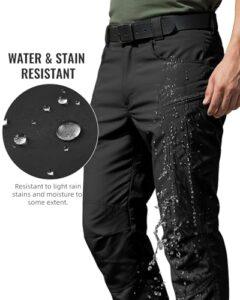
• Water-resistant uppers
• Comfortable insoles
• Closed-toe protection
• Easy cleaning
Warehouse and labor jobs
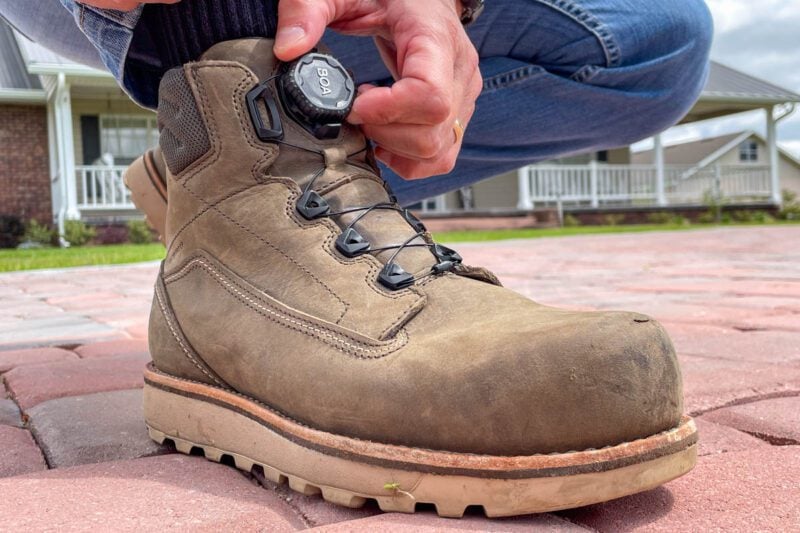
For warehouse, construction support, delivery, and other physical jobs, durability matters a lot. Depending on the job, you may also need toe protection or electrical safety.
Look for:
• Reinforced soles
• Stability for lifting and walking
• Puncture or toe protection if needed
• Grip for mixed surfaces
• Strong ankle support if the terrain is uneven
Retail and standing jobs
Retail workers often stand for hours but also walk constantly. Shoes for these jobs should be light, soft enough for comfort, and supportive enough to keep fatigue down.
Look for:
• Cushioning for hard floors
• Lightweight build
• Flexible but stable sole
• Breathable materials
• Enough support for long shifts
How to choose good work shoes for your needs
Choosing the right pair gets easier when you think about your actual work day. Ask yourself where you stand, how often you move, and what hazards are around you.
Use this checklist:
• Do you stand in one place for hours? Choose more cushioning and arch support
• Do you walk a lot on hard floors? Look for shock absorption and lightweight comfort
• Do you work around water, oil, or grease? Prioritize slip resistance
• Do you lift or handle heavy objects? Choose stable shoes with a firm base
• Do you need protection from impact or hazards? Look for safety features like composite toes or puncture resistance
A mistake I made early on was choosing a shoe that looked durable but felt too stiff. My feet were tired by mid-shift because the shoe fought my natural movement. Since then, I always test flex, fit, and support before buying.
Common mistakes people make when buying work shoes
A lot of foot pain comes from buying the wrong shoe, not from working too hard. Here are the biggest mistakes I see.
• Buying based on looks only
• Choosing the cheapest option without checking support
• Ignoring the shape of the toe box
• Wearing shoes that are too tight “because they’ll stretch”
• Using running shoes for jobs that need slip resistance
• Replacing work shoes too late after the sole wears down
Small shoe problems can become big body problems. If your shoes are wearing unevenly or your feet hurt every day, that is a sign to replace them.
What materials are best in good work shoes?
The best material depends on your job, but each option has strengths.
Leather
Leather is durable and often strong enough for rougher environments. It can also offer better protection and structure than softer materials.
Mesh
Mesh is light and breathable. It works well in jobs where airflow matters more than heavy protection.
Synthetic materials
Synthetics can be light, affordable, and easy to clean. Some are very water-resistant, which helps in messy environments.
Rubber outsoles
Rubber is often used for traction and durability. It is a common choice for slip-resistant work shoes because it grips better than many smooth soles.
How to know when it is time to replace work shoes
Even good work shoes wear out. The support breaks down before the shoe may look old.
Watch for these signs:
• New pain in your feet, knees, or back
• Flattened cushioning
• Worn-out tread
• Uneven sole wear
• Heel slipping more than before
• Upper material cracking or splitting
If the shoe no longer feels stable, it is already costing you comfort and maybe safety. In jobs with long shifts, replacing shoes on time is part of staying well.
Are expensive work shoes always better?
Not always. A higher price can mean better materials, better build quality, or more job-specific features, but cost alone does not guarantee comfort.
The best shoe is the one that fits your feet and your work. I’ve seen mid-price shoes outperform expensive ones because they matched the worker’s needs better. What are good work shoes for you may simply be the pair that keeps you pain-free and safe through the whole shift.
Frequently Asked Questions
What are good work shoes for standing all day?
Good work shoes for standing all day usually have strong arch support, cushioning, and a stable sole. They should also fit well in the heel and toe box so your feet do not feel squeezed after hours on hard floors.
Are sneakers good work shoes?
Some sneakers can work if your job is light and does not require safety features. But many regular sneakers do not offer enough slip resistance, durability, or support for long shifts.
What are good work shoes for plantar fasciitis?
Look for shoes with firm arch support, a cushioned heel, and a stable midsole. A wide toe box can also help reduce pressure and improve comfort during the day.
How tight should work shoes fit?
Work shoes should feel secure, but not tight. Your toes need room to move, and your heel should stay in place without rubbing or slipping.
How often should I replace work shoes?
Most work shoes should be replaced when cushioning breaks down or the sole wears smooth, often around every 6 to 12 months for heavy use. If you work long shifts or on rough floors, they may wear out sooner.
Conclusion
Good work shoes do more than look professional. They protect your feet, reduce fatigue, and help you get through the day with less pain and more stability. The best pair for you depends on your job, your foot shape, and the kind of stress your work puts on your body.
If you remember one thing, make it this: choose shoes for function first, then comfort, then style. Take a little time to test fit, check support, and think about your work environment before you buy. If you found this guide helpful, explore more shoe care tips, subscribe for updates, or leave a comment with the kind of work shoes you wear every day.

Rubel Miah is the Senior Editor at MyStyleGrid.com, where he brings a sharp editorial eye and an unshakable love for fashion to everything he does. A true style addict, Rubel lives and breathes trends, from streetwear to high fashion, and has a knack for turning inspiration into impactful stories. With years of experience in fashion journalism and digital media, he curates content that empowers readers to express themselves through style. When he’s not editing features or forecasting the next big thing, you’ll find him hunting down vintage pieces or capturing street style moments around the city.