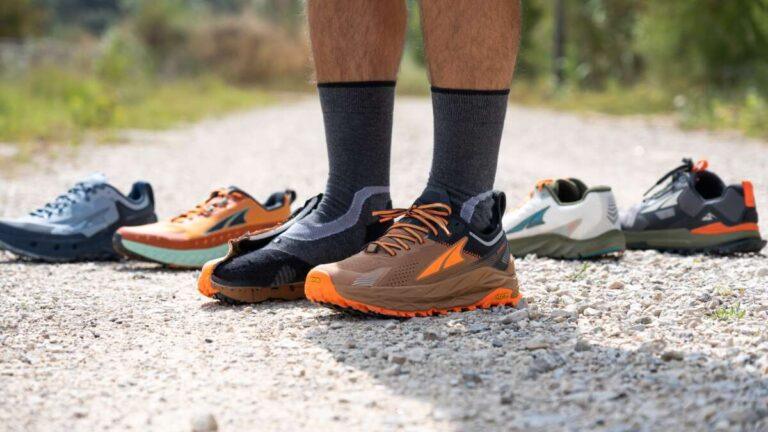
Yes — you can hike in running shoes on many trails, but choose carefully and know the limits.
I’ve spent years testing shoes on trails, from easy park loops to rocky ridgelines, so I know when running shoes work and when they fail. This guide answers can you hike in running shoes with clear rules, smart tweaks, and honest risks so you can pick the right shoe for each hike and stay safe on the trail.
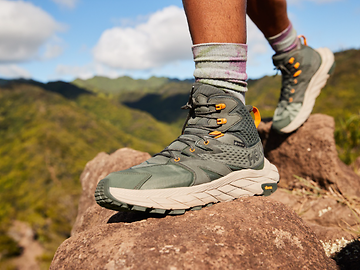
When hiking in running shoes makes sense
Running shoes are fine for many hikes. If the trail is short, flat, and dry, running shoes often give better comfort and lighter weight than heavy boots. For many day hikes and trail runs, running shoes provide enough cushion and traction to keep your feet happy. I use running shoes for 2–6 mile loops and find they cut fatigue, as long as the route is smooth and the weather is dry.

Running shoes vs hiking shoes: key differences
Understanding how running shoes differ from hiking shoes helps answer can you hike in running shoes safely.
- Support and stability: Hiking shoes add stiff midsoles and firmer heels for load and uneven ground. Running shoes are softer and bend more.
- Traction: Hiking outsoles use deeper, stickier lugs for rocks and mud. Road running soles are smooth and slip on wet rock.
- Protection: Hiking shoes often have toe caps and thicker uppers to block rocks. Running shoes favor breathability and light weight.
- Ankle protection: Hiking boots can be high-cut to protect the ankle. Most running shoes are low-cut and offer little ankle support.
- Water resistance and durability: Hiking shoes often have water-resistant membranes and thicker leather. Running shoes dry fast but wear faster on abrasive trails.
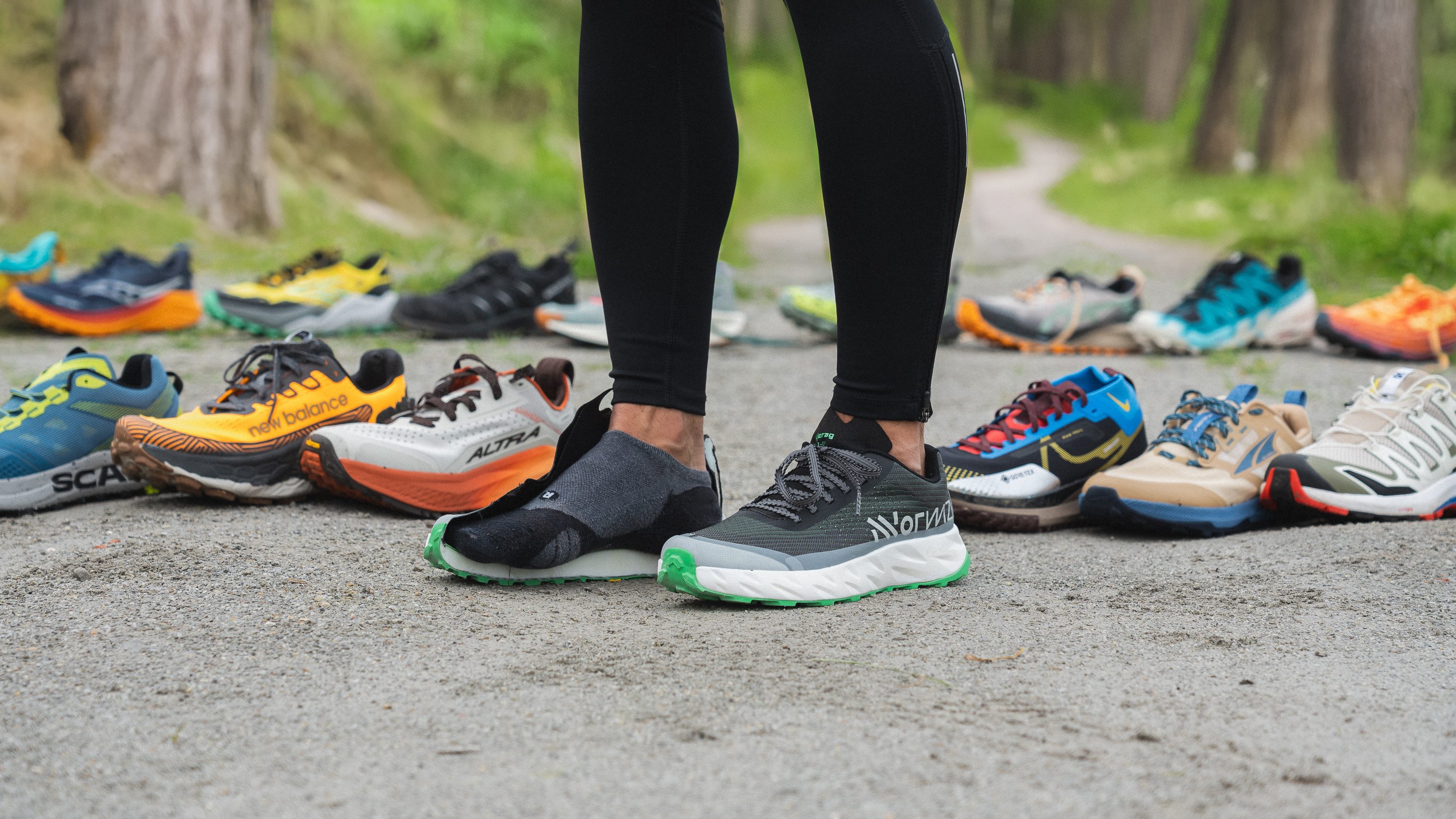
Trail types and when running shoes work
Not every trail demands a hiking shoe. Ask the trail type before you decide can you hike in running shoes.
- Smooth singletrack and wide dirt paths: Running shoes work well. They feel light and quick.
- Short day hikes: Running shoes are fine for short distances under heavy loads. Keep breaks short.
- Trail running and fastpacking: Trail running shoes are designed for this work and are a good middle ground.
- Rocky, rooty, or very steep terrain: Use hiking shoes or boots for better grip and protection.
- Muddy, snowy, or creek crossings: Prefer waterproof or high-cut hiking shoes for warmth and safety.
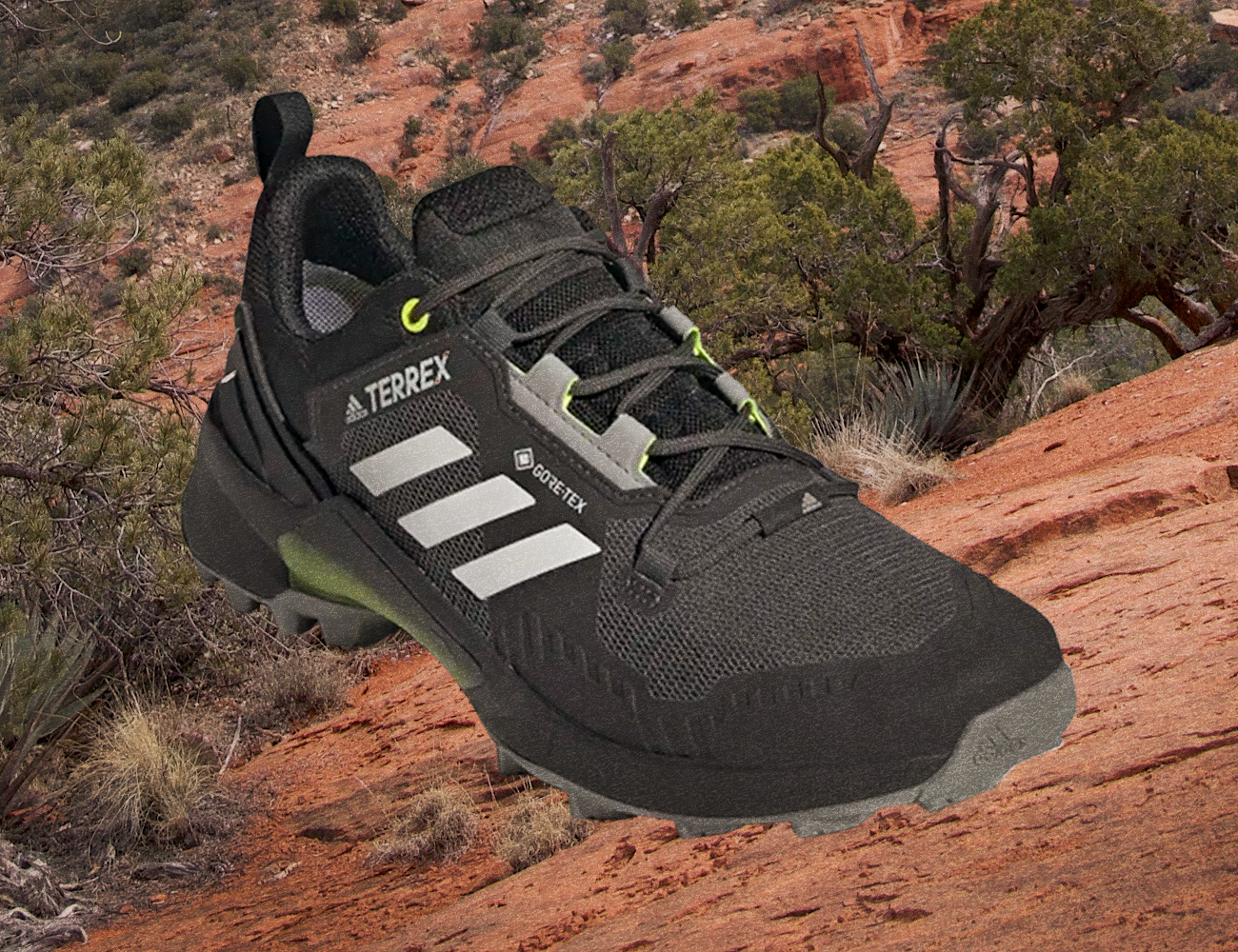
How to prepare and adapt running shoes for hiking
If you choose running shoes for a hike, follow these steps to reduce risk.
- Pick trail running shoes when possible. They blend light weight with rugged tread and rock protection.
- Use the right socks. Thick, moisture-wicking hiking socks reduce blisters and add a bit of cushion.
- Add a supportive insole. A firmer aftermarket insole can boost stability and comfort for longer miles.
- Master your lacing. Locking or heel-lock lacing prevents slippage and blisters on descents.
- Test them first. Take a short hike with your pack to check fit, grip, and comfort before a long outing.
From my own hikes, a pair of trail running shoes paired with thicker socks and a supportive insole handled a 10-mile day hike with light gear. The key was testing them ahead of time and avoiding wet rock sections.

Risks, limitations, and how to avoid injury
Knowing limits keeps you hiking longer and safer when using running shoes.
- Ankle sprains: Low-cut running shoes offer less lateral support. Strengthen ankles and pick stable routes to reduce risk.
- Blisters: Soft running uppers can slide on long climbs. Use good socks, tape pressure points, and adjust lacing.
- Foot fatigue: Softer soles can increase fatigue on long hikes. Use firmer insoles or swap to hiking shoes for multi-day trips.
- Poor traction on wet rock: Slow down, test each step, or avoid slick sections when shoe tread is shallow.
- Faster wear: Running shoes can wear out quicker on abrasive trails, so monitor tread and replace when thin.

Packing and maintenance tips when using running shoes
Treat running shoes right to keep them ready for hikes.
- Clean them after muddy hikes. Remove grit that wears the outsole and dries seams.
- Dry naturally. Stuff with newspaper and air dry; avoid direct heat to protect glue and foam.
- Rotate shoes. Have one pair for running and one for hiking if you hike often.
- Inspect soles and seams. Replace shoes when tread is worn or upper damage appears.
- Carry basic repair kit. Small gear like duct tape and needle can save a day if the shoe seam opens.

Frequently Asked Questions of can you hike in running shoes
Can I hike long distances in running shoes?
Yes, you can hike long distances in trail running shoes if they provide enough support and protection. For multi-day trips with heavy packs, hiking shoes or boots are usually better.
Are running shoes good for muddy trails?
Most road running shoes are not ideal for mud because their soles are slick. Trail running shoes with deeper lugs work much better on muddy paths.
Will I get blisters if I hike in running shoes?
You can get blisters if shoes or socks don’t fit well or if feet stay wet. Use moisture-wicking socks, proper lacing, and test shoes on short hikes first.
How do I choose between trail running shoes and hiking boots?
Choose trail running shoes for light, fast hikes and good trails. Pick hiking boots for heavy loads, rough terrain, and wet conditions.
Can running shoes handle creek crossings?
Running shoes dry quickly and are fine for brief water crossings. For long wet sections or cold water, use waterproof shoes or bring dry socks to change into.
Should I use insoles in running shoes for hiking?
Yes, firmer insoles can add support and reduce foot fatigue on long hikes. Try different insoles to find the best fit before a big trip.
Conclusion
Running shoes can be a great choice for many hikes when the trail is suitable and you prepare well. Know the trail type, pick trail-specific models when possible, test your setup, and use simple tweaks like better socks and firmer insoles to lower risk. Make smart choices, pack backups, and practice on small hikes before committing to long or technical routes. Try one of these tips on your next walk and share your experience or questions below — your next trail could be more comfortable and safer with the right shoe.

Rubel Miah is the Senior Editor at MyStyleGrid.com, where he brings a sharp editorial eye and an unshakable love for fashion to everything he does. A true style addict, Rubel lives and breathes trends, from streetwear to high fashion, and has a knack for turning inspiration into impactful stories. With years of experience in fashion journalism and digital media, he curates content that empowers readers to express themselves through style. When he’s not editing features or forecasting the next big thing, you’ll find him hunting down vintage pieces or capturing street style moments around the city.