Always verify box details, tags, materials, stitching, and serial codes before listing.
I’ve authenticated hundreds of pairs and taught resellers how to authenticate sneakers before reselling with clear, repeatable checks. I know the common tricks counterfeiters use, the tools that actually help, and the workflow that keeps your profits and reputation safe. Read on for a complete, practical guide that walks you through step-by-step checks, tools, model-specific tips, and real mistakes I made so you can sell with confidence.
Why authenticating sneakers matters for reselling
Authentication protects your money, your buyers, and your business. Fake sneakers can ruin a store’s reputation and trigger chargebacks or legal trouble. Knowing how to authenticate sneakers before reselling keeps you honest, reduces returns, and raises buyer trust.
Buyers expect proof. Marketplaces and consignment shops ban sellers who flip fakes. A verified authentication process helps your listings stand out. Use it to build repeat customers and charge premium prices for verified inventory.
The step-by-step authentication checklist
Follow this repeatable checklist when you receive a pair. Doing these steps every time reduces risk and speeds up listings.
- Inspect the box and labels
- Check the stock-keeping label for correct SKU, size, color code, and country of manufacture.
- Compare font, spacing, and barcode placement to known genuine examples.
- Verify the size tag and codes inside
- Match the size tag data to the box label.
- Look for consistent font, spacing, and stitch location. Counterfeits often have mismatched codes.
- Examine materials and construction
- Feel materials: genuine leather, suede, and knit have distinct textures.
- Check stitching: even, tight stitches usually mean authentic. Loose threads and glue blobs are red flags.
- Inspect logos and branding
- Compare logos to official photos at different angles.
- Look for correct spacing, letter shapes, and embossing depth.
- Check soles and tread patterns
- Match outsole patterns to verified images.
- Look for correct colors and molded details that fakes often simplify.
- Test technology-specific markers
- For foam tech like Boost, React, or Air, learn the visual and tactile signs of the real material.
- Many models have transparent windows, serial chips, or visible air units—confirm these match genuine examples.
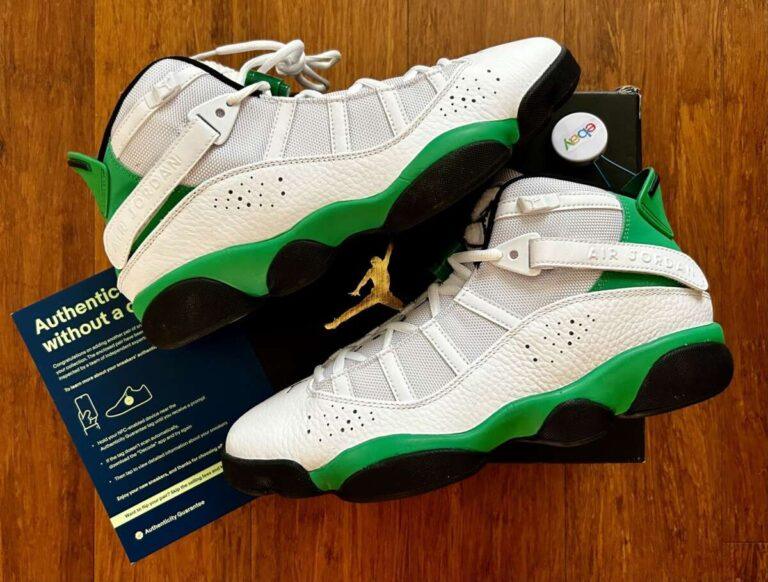
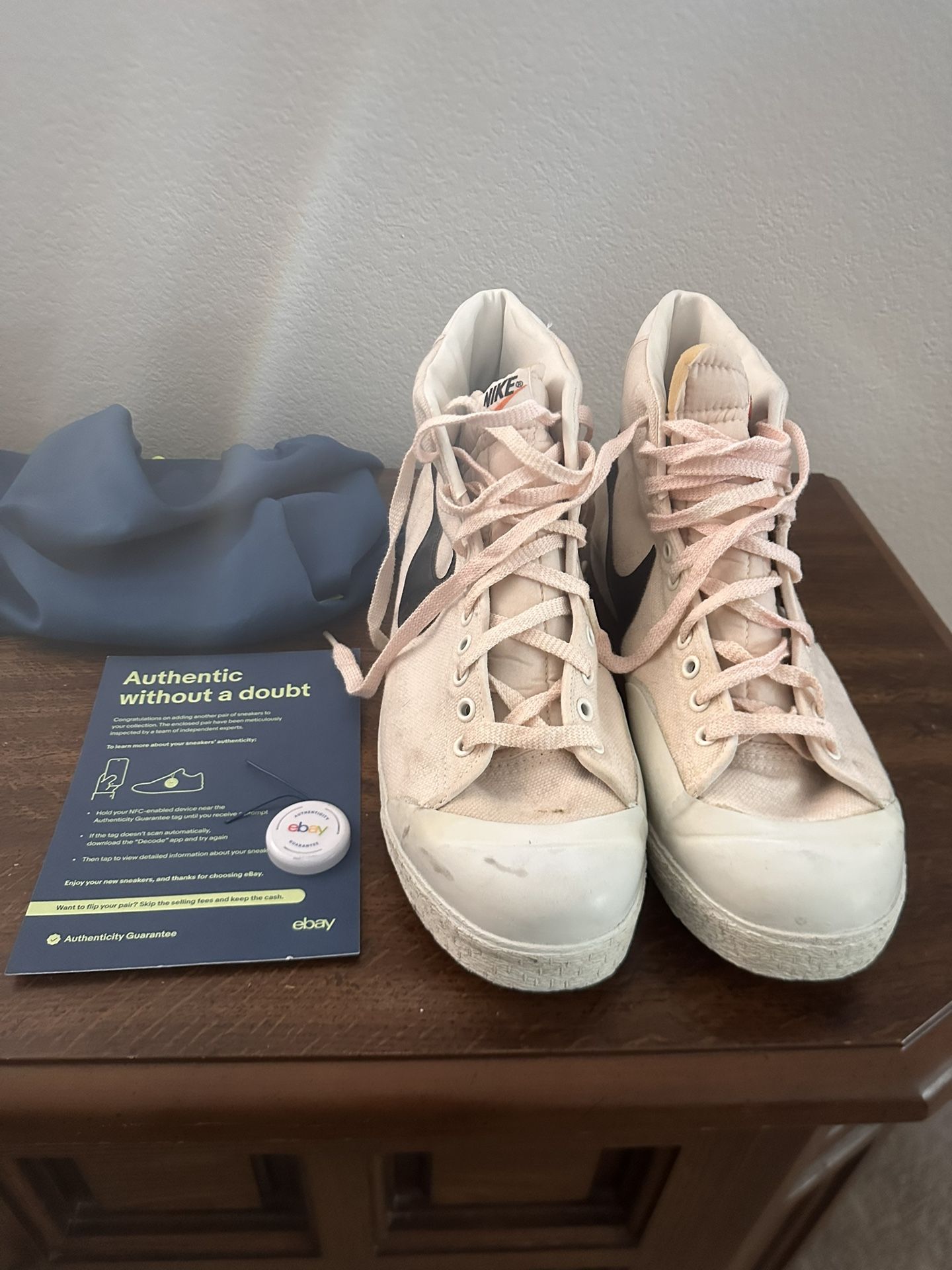
- Scan QR codes and NFC tags
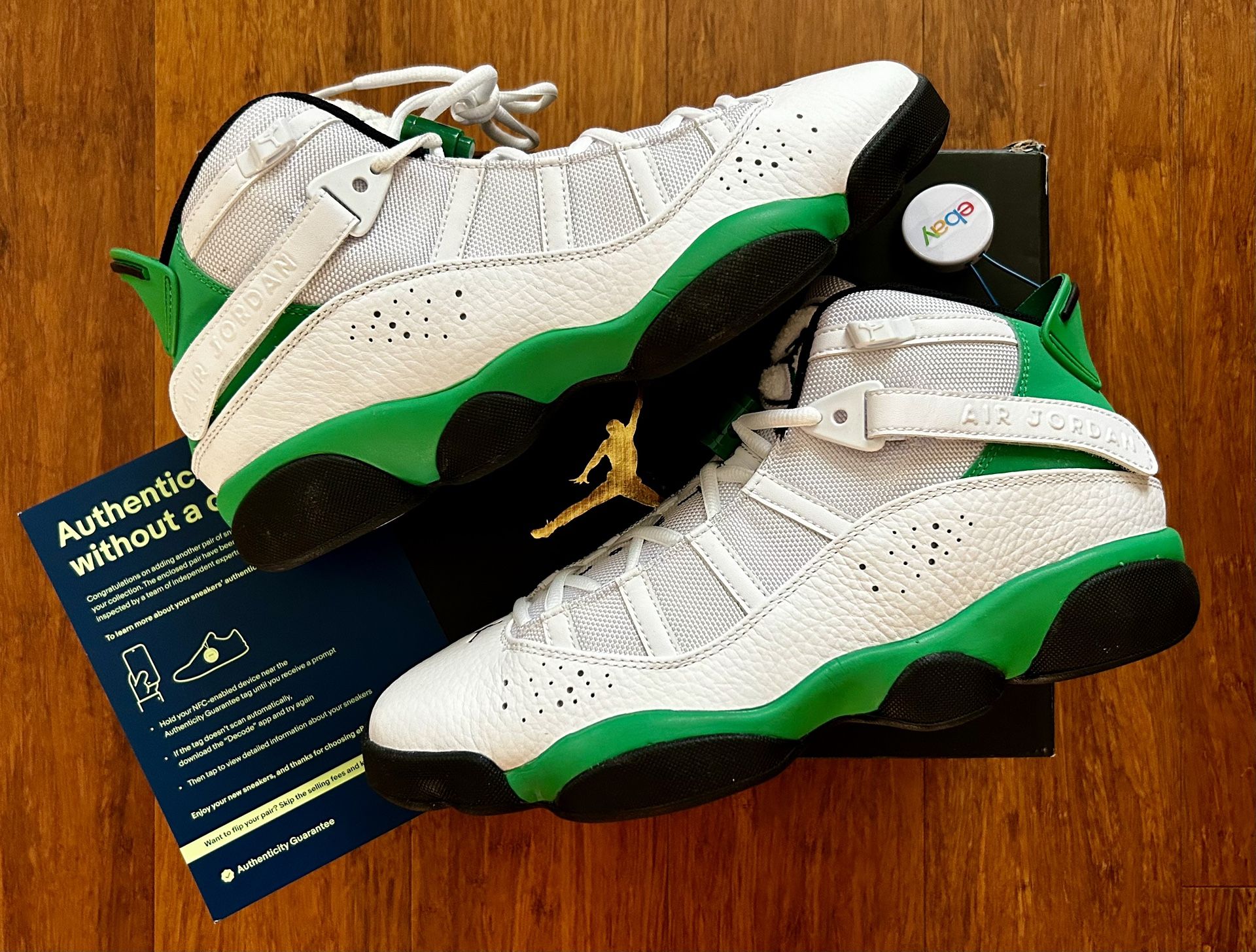
- Use a smartphone to check QR codes or NFC chips when present.
- Some brands link codes to official pages; mismatches suggest fakes.
- Cross-reference serial numbers and SKU
- Search SKU and serials in marketplaces and databases.
- If a serial appears on many different colorways, be suspicious.
- Smell and wear signs
- New sneakers have a specific factory smell.
- Pre-worn samples with inconsistent wear patterns may hide repairs or fake materials.
- Document everything
- Take high-quality photos of box label, size tag, logos, soles, and interior tags before listing.
- Save chat logs, receipts, and proof of purchase from the original source.
This checklist teaches how to authenticate sneakers before reselling by focusing on repeatable, observable clues. Build a habit of doing it for every pair.
 services that help authenticate sneakers”
style=”max-width: 100%; height: auto; border: 2px solid black; border-radius: 10px; display: block; margin: 0 auto;”
loading=”lazy”
/>
Tools, apps, and services that help authenticate sneakers
Use tech and services to speed checks and add credibility. Here are tools I use often.
- Authentication apps
- Many apps let you upload photos and get community or pro opinions quickly.
- Market verification features
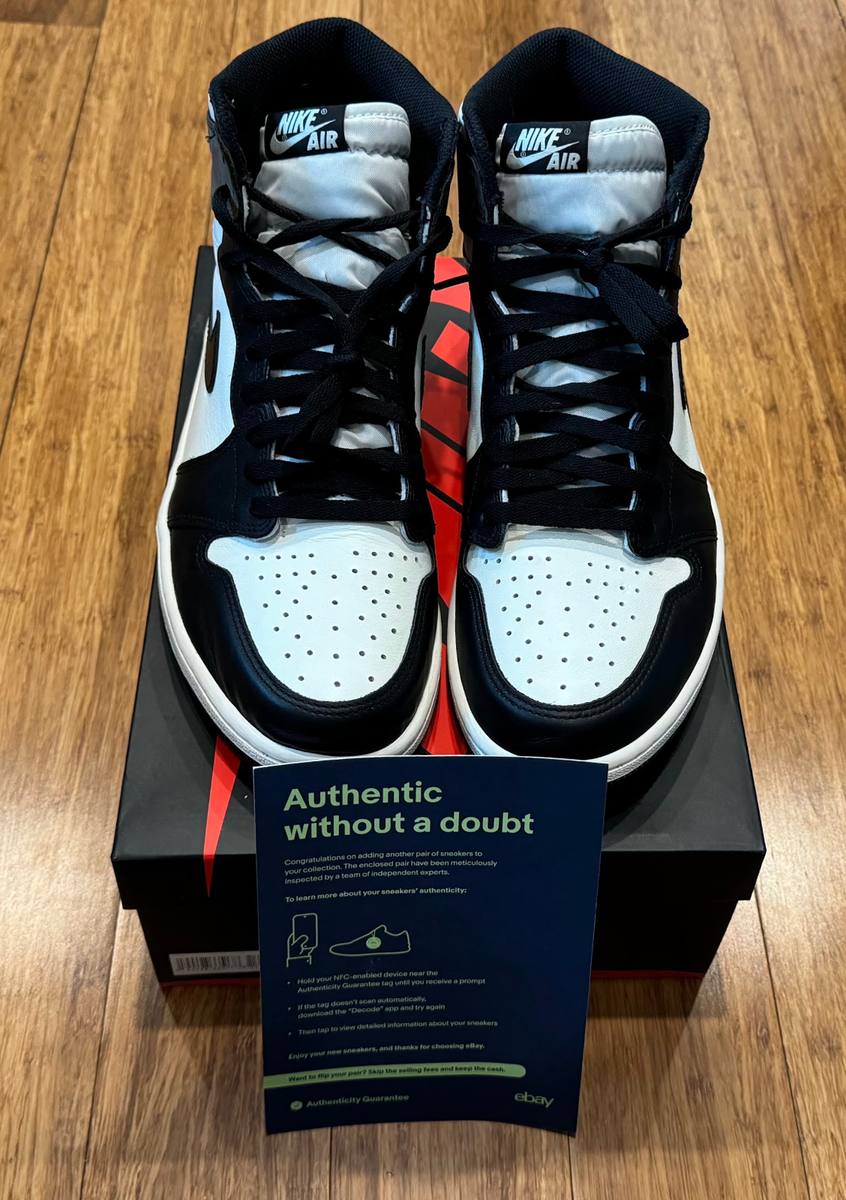
- Use marketplace authentication services when they are available to add a verified badge to your listing.
- UV lights and magnifiers
- Small tools reveal hidden stamps, glue marks, and print inconsistencies.
- Material testers
- Simple tactile comparisons and lightweight devices help confirm foam types and leather.
- Professional third-party services
- For high-value pairs, paid authentication companies give a certificate or tag you can include in your listing.
- Image libraries and comparison sheets
- Keep a private folder of verified photos for each model you sell so you can compare at a glance.
Keep in mind that tech helps but does not replace experience. Use tools to confirm what your eyes and hands already tell you.
Common fake signs and model-specific red flags
Counterfeiters follow patterns. These common signs help you spot fakes fast when you authenticate sneakers before reselling.
- Box mismatches
- Wrong SKU, off-center label, or cheap cardboard are obvious signs.
- Tag inconsistencies
- Different fonts, misaligned codes, or missing country codes often indicate fakes.
- Poor stitching and glue
- Uneven seams, visible glue, and asymmetry are typical in counterfeit builds.
- Wrong materials
- Cheap foam, flat knit, or shiny faux leather betray many counterfeits.
- Logos off by small details
- A missing dot, rotated swoosh, or different font weight can be the giveaway.
- Incorrect tech features
- Fake Boost, missing air units, or wrong midsole textures show up on many knockoffs.
- Duplicate serial numbers
- Same serial across many colorways or sizes is a red flag.
- Price too good to be true
- Extremely low prices for rare releases usually mean risk.
Model-specific tips
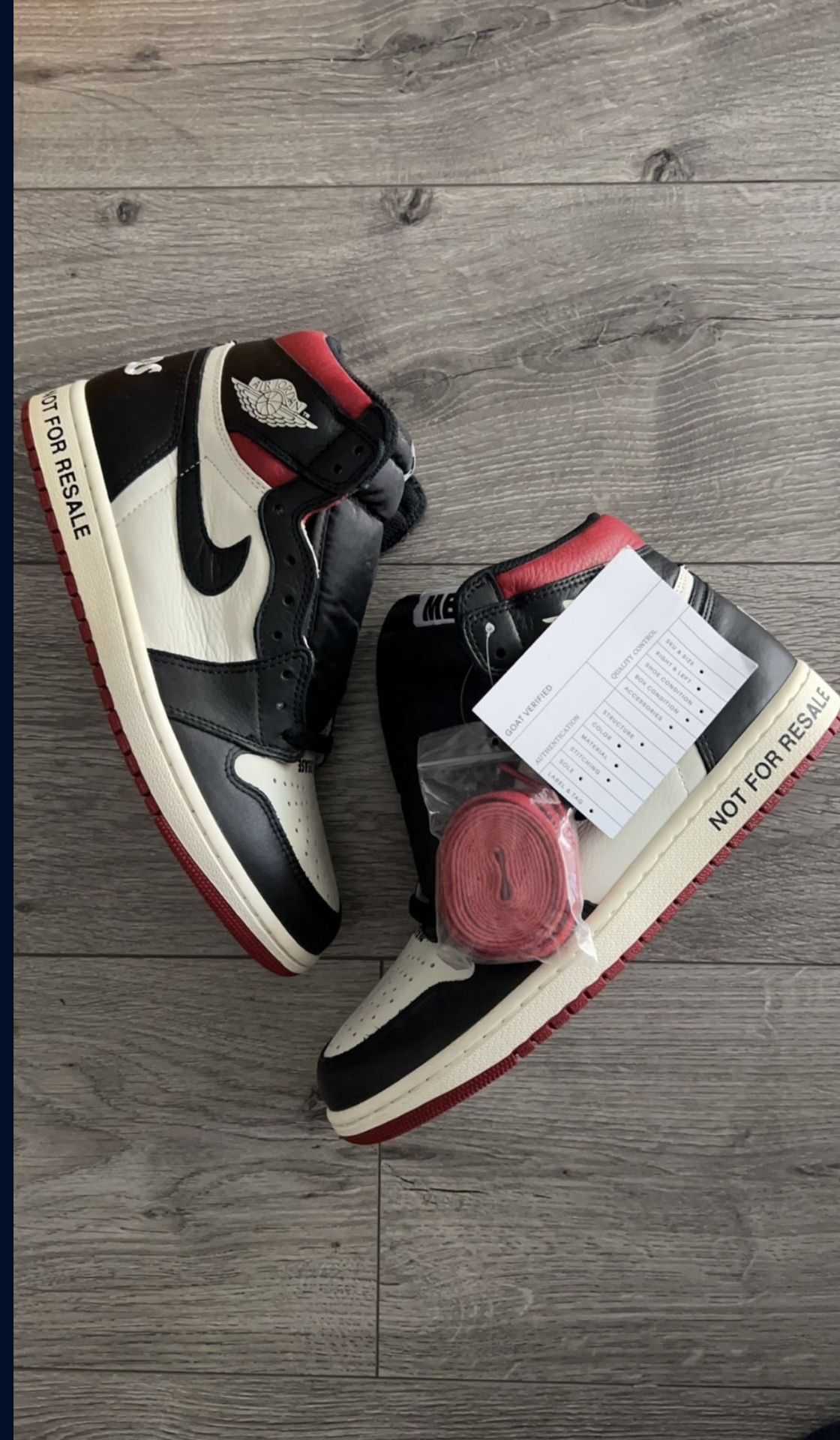
- Nike Air Jordans
- Check toe box shape, bounce foam, wings logo placement, and inner shoe codes.
- Yeezy models
- Inspect sole pattern, Boost texture, and knit pattern lines.
- Retro reissues
- Verify midsole color and vintage tags; many fakes mix retro cues incorrectly.
Learning model-specific details speeds how to authenticate sneakers before reselling. Save a cheat sheet for each model you buy often.
How to prepare a resell-ready listing after authentication
A professional listing converts browsers into buyers. Use your authentication work to add value.
- Photo checklist
- Include box label, size tag, logos, outsole, interior tag, and any flaws in crisp photos.
- Document provenance
- Upload receipts, service certificates, or original purchase confirmation when possible.
- Describe condition precisely
- Use standard condition grades and note any wear or restoration.
- Add authentication notes
- Explain the steps you took to authenticate and mention tools or services used.
- Offer secure shipping and clear return policies
- Good policies reduce buyer anxiety and chargebacks.
A clear, honest listing that shows authentication builds trust and lets you sell for higher prices.
Personal experiences, mistakes, and lessons learned
I’ve made every mistake new resellers make. Sharing them helps you avoid the same losses.
- I once missed a swapped insole on a high-value sneaker. Lesson: always pull insoles and check inner tags.
- Early on, I relied on price alone. That cost me a reputation hit when a buyer disputed a sale. Lesson: verify first, buy later.
- I now keep a model photo library and a one-page checklist for each brand. It saves time and reduces errors.
Trust your senses first. Tools are backup. Train with cheap pairs until you feel confident. Keep a record of every authenticated sale to show provenance.

Frequently Asked Questions of how to authenticate sneakers before reselling
What are the fastest checks to authenticate a pair?
Look at the box label, size tag, stitching, and logos first. These quick checks catch most fakes.
Can authentication apps be trusted?
They help, but they are not foolproof. Use them alongside hands-on checks and expert opinions for high-value pairs.
Is a receipt proof of authenticity?
A receipt helps but is not definitive. Receipts can be faked or reused; pair them with physical checks.
Should I use professional authentication for every pair?
Not necessary for low-cost items. Use paid services for rare or high-value sneakers to reduce risk and add buyer confidence.
How do I handle a suspected fake from a supplier?
Do not list it. Contact the supplier for return or refund, and document all communications. Keep records for disputes.
Conclusion
Authenticating sneakers before reselling is a skill you can learn and refine. Use a clear checklist, trusted tools, and model knowledge to protect your money and reputation. Start small, practice with known examples, and build a photo library and notes for each model you buy and sell. Take action today: create your authentication checklist, test it on three pairs, and add the process to every listing you make. Want more templates or a printable checklist? Leave a comment or subscribe for downloadable resources.

Rubel Miah is the Senior Editor at MyStyleGrid.com, where he brings a sharp editorial eye and an unshakable love for fashion to everything he does. A true style addict, Rubel lives and breathes trends, from streetwear to high fashion, and has a knack for turning inspiration into impactful stories. With years of experience in fashion journalism and digital media, he curates content that empowers readers to express themselves through style. When he’s not editing features or forecasting the next big thing, you’ll find him hunting down vintage pieces or capturing street style moments around the city.