Look for limited runs, unique codes, special packaging, verified release proof, and matching receipts.
I’ve spent years buying, selling, and authenticating sneakers for collectors and stores. This guide shows clear steps and real-world tips on how to identify limited edition sneakers, so you can buy smart, avoid fakes, and protect your collection. Read on for proven checks, verification methods, and mistakes I learned the hard way.

What "limited edition" means for sneakers
Limited edition sneakers are intentionally scarce pairs produced with special design, collaboration, or numbering. Knowing how to identify limited edition sneakers starts with understanding why brands limit runs: hype, collaboration, and exclusivity drive demand and resale value.
Common types you’ll see:
- Collaboration releases with artists, designers, or other brands.
- Numbered runs like 1 of 500 or “Limited Release” tags.
- Region-only drops or member-only releases.
- Special materials or commemorative editions.
Why this matters: scarcity affects price and authenticity checks. If you know the release type, you can match serials, packaging, and release proof to confirm legitimacy.
Top physical signs to check
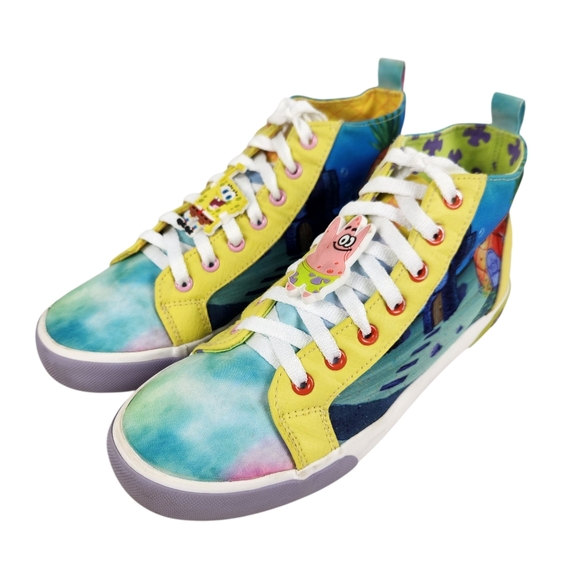
When you inspect a pair in person, look for concrete markers. These tell-tale signs help confirm whether a pair is truly limited.
Check labels and tags
- Box label should match the shoe’s size, color code, and UPC.
- Inside tongue tags often include production dates, country, and SKU. Match these to official release info.
Inspect materials and build
- Limited editions often use premium or unique materials. Feel the leather, suede, or special fabric.
- Check stitching accuracy. Uneven or sloppy stitching is a red flag.
Look for numbering and serials
- Numbered editions may show “001/500” or similar. Numbers should be laser-etched or printed clearly.
- Serial codes should match the box and any authentication cards.
Evaluate packaging and extras
- Special boxes, dust bags, hang tags, and certificates are common for limited runs.
- Missing or low-quality extras often indicate a replica or incomplete set.
Examine small details
- Logos, font weights, and placement must match verified photos.
- Smell and weight can also reveal differences—fake pairs often use cheaper adhesives and materials.

Digital verification and release proof
Online checks are essential when buying remotely. Digital proof often seals the deal on authenticity.
Official release pages and stock images
- Compare SKU, color code, and official photos on brand release pages. Differences in color or trim are suspicious.
Retail receipts and release confirmations
- A verified receipt from a retailer or a confirmed raffle email helps prove provenance.
- Date and store info must align with the original release window.
Brand authentication tools and apps
- Many brands and marketplaces offer verification tools. Use them to scan QR codes or serials.
- Third-party authentication services will inspect photos or the physical pair for a fee.
Blockchain, NFC, and QR proofs
- Some modern limited editions include blockchain tags or NFC chips. Tap or scan to confirm provenance.
- Not all limited edition sneakers use these, so absence isn’t automatic proof of fake.
PAA-style questions
How long should I keep a digital receipt for a limited release?
Keep it indefinitely if you plan to resell. Receipts prove ownership and the release date.
Can brand apps confirm authenticity?
Yes. Brand apps sometimes link purchases to user accounts or provide verification for limited drops.
Are social media release screenshots reliable proof?
They help but can be forged. Use them with other evidence like receipts and SKU matching.

Marketplace checks and buyer due diligence
Marketplaces host many limited releases and many fakes. These steps reduce risk when buying online.
Evaluate seller history
- Check seller ratings, sale history, and reviews. Sellers with long records and consistent high ratings are safer.
Scrutinize price and demand
- If the price is far below market and the pair is in high demand, be wary. Too-good-to-be-true deals often are.
Ask for detailed photos and receipts
- Request clear photos of box labels, inside tags, serials, and any extras. Ask for a photo of the receipt or order confirmation.
Use escrow and buyer protection
- Prefer platforms that hold funds until you confirm authenticity. This protects you if the pair is fake.
Verify return policy
- A transparent return window makes a transaction safer. Avoid sellers with no returns and no proof.

How to spot fakes fast
Fakes vary in quality. These quick checks catch many counterfeits before you commit.
Check fonts and logo placement
- Fonts and spacing often differ on fakes. Compare to official photos closely.
Review stitching patterns
- Poor stitch quality and mismatched patterns are common on replicas.
Inspect insoles and adhesives
- Genuine shoes often have clean glue lines and molded insoles. Excess glue or loose insoles are warning signs.
Compare weight and feel
- Copies often feel lighter or use different materials. If it feels off, it might be off.
Ask for serial verification
- Fake serials may reuse numbers or show impossible production dates. Cross-check with brand info.

Personal experience and best practices
I once bought a “rare” collaboration that looked perfect in photos. A close in-hand inspection revealed mismatched box codes and a wrong font on the tongue tag. I returned it and now I always ask for in-hand photos before buying.
Lessons I learned
- Never skip box and tag checks.
- Ask for a video of the pair being flexed—replicas often creak differently than authentic shoes.
- Use trusted authenticators for high-value buys.
My best practices
- Bookmark official release pages and record SKU numbers.
- Build relationships with reliable sellers.
- Keep receipts and take photos the day you receive a pair.
Limitations and risks
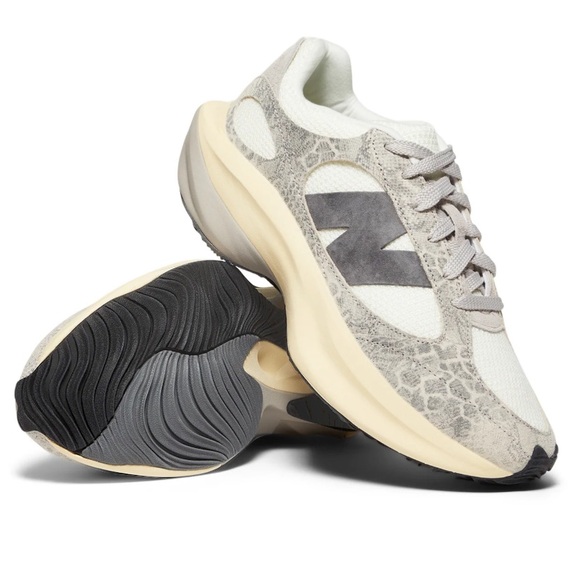
Even with checks, some risks remain. Be realistic about what verification can guarantee.
Gray market and re-releases
- Brands sometimes re-release colorways or make region-limited drops. This can cause confusion about what’s truly limited.
Authentic-looking fakes
- Some replicas are so good they fool casual buyers. Professional authentication may still be needed.
Human error and bias
- Sellers can mislabel items or omit info. Stay skeptical and thorough.
Costs of authentication
- Third-party verification often costs money and time. Factor that into your purchase decision.
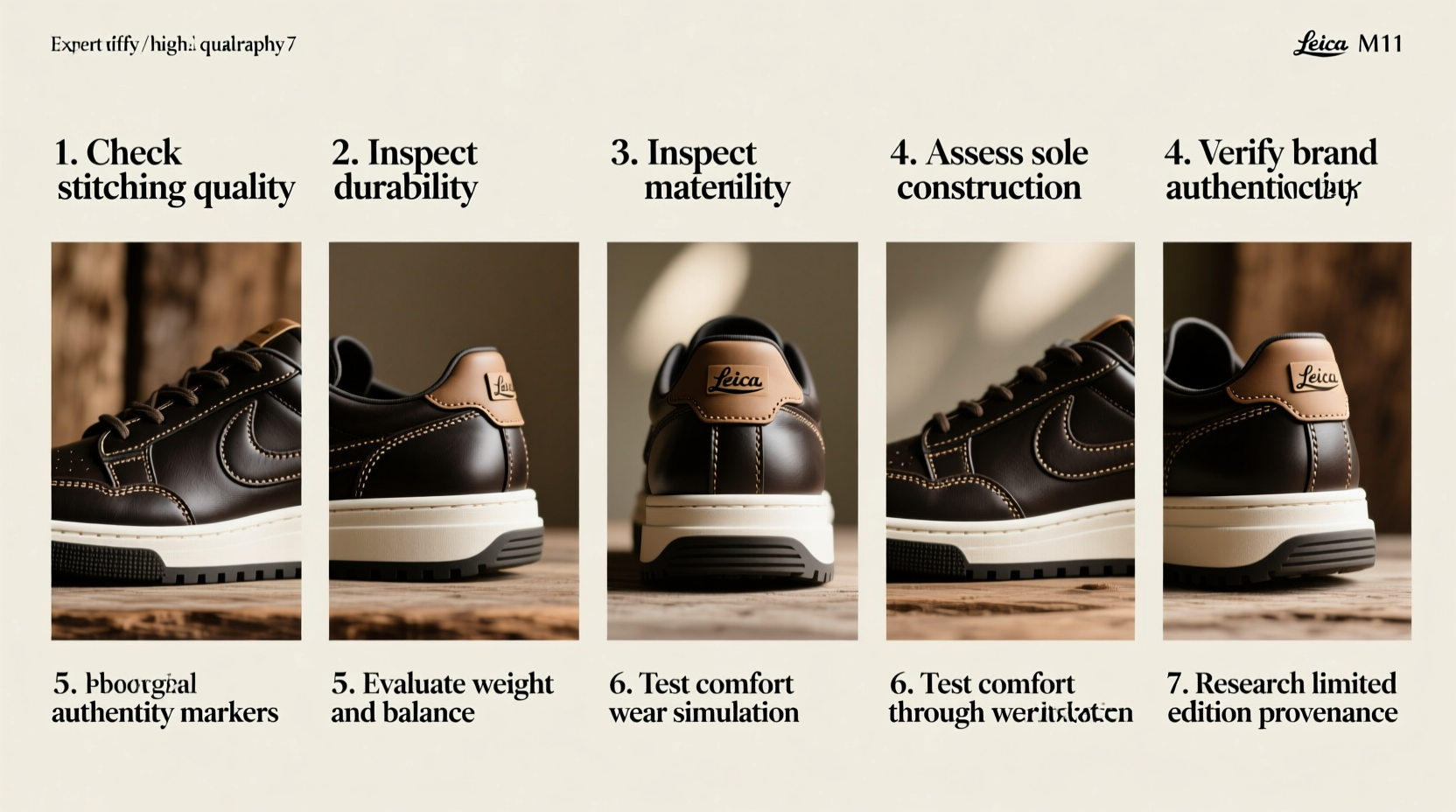
Frequently Asked Questions of how to identify limited edition sneakers
What is the most reliable single check for limited edition sneakers?
Matching SKU, box label, and inside tag to the official release info is the most reliable single check. If all three match and photos match brand releases, the pair is likely authentic.
Can resale price confirm a sneaker’s limited status?
High resale prices often indicate scarcity, but not always. Price alone is not proof; always verify serials and release documentation.
Are numbered editions always authentic?
Numbered editions can still be faked. Check engraving quality, box matching, and official release announcements for confirmation.
Is an app-based authentication service enough?
App-based checks help but are not foolproof. Combine app results with receipts and visual inspection for best results.
How important is the original box and extras?
Very important. Original packaging, dust bags, and certificates increase authenticity and resale value. Missing extras warrant extra verification.
Can I trust seller photos on marketplaces?
Photos help but can be doctored. Ask for recent, in-hand photos showing tags, box labels, and serials before you buy.
Wrap up and next steps
Now you know the reliable steps to identify limited edition sneakers. Use SKU checks, box and tag matching, official release proof, and verified receipts to protect yourself. When in doubt, get a professional authentication and keep records.
Act now: bookmark official release pages, save receipts, and practice these checks on any pair you buy. If you found this guide helpful, subscribe for more authentication tips or leave a comment with your toughest verification challenge.

Rubel Miah is the Senior Editor at MyStyleGrid.com, where he brings a sharp editorial eye and an unshakable love for fashion to everything he does. A true style addict, Rubel lives and breathes trends, from streetwear to high fashion, and has a knack for turning inspiration into impactful stories. With years of experience in fashion journalism and digital media, he curates content that empowers readers to express themselves through style. When he’s not editing features or forecasting the next big thing, you’ll find him hunting down vintage pieces or capturing street style moments around the city.