Choose dress pants by fit, fabric, color, rise, and purpose, then check comfort while standing, sitting, and walking.
Learning how to choose dress pants can make everyday outfits look sharper with very little effort. The right pair should fit like a quiet frame around your body: clean, comfortable, and never distracting. This guide combines practical fitting advice, fabric knowledge, styling tips, and lessons from common shopping mistakes so you can buy with confidence.

Start With the Purpose of Your Dress Pants
The best way to learn how to choose dress pants is to decide when and where you will wear them. Pants for a job interview may need a more formal look than pants for a dinner, wedding, or business-casual office.
Think about the setting before you think about the brand. A classic pair of wool trousers can work for an office, while cotton chinos may suit a relaxed workplace. For formal events, a matching suit trouser is usually the safest choice.
Ask yourself these questions:
• Will I wear these pants for work, weddings, interviews, travel, or daily use?
• Do I need them to match a suit jacket?
• Will I sit for long hours?
• Do I need stretch, wrinkle resistance, or easy care?
• Which shoes will I wear most often?
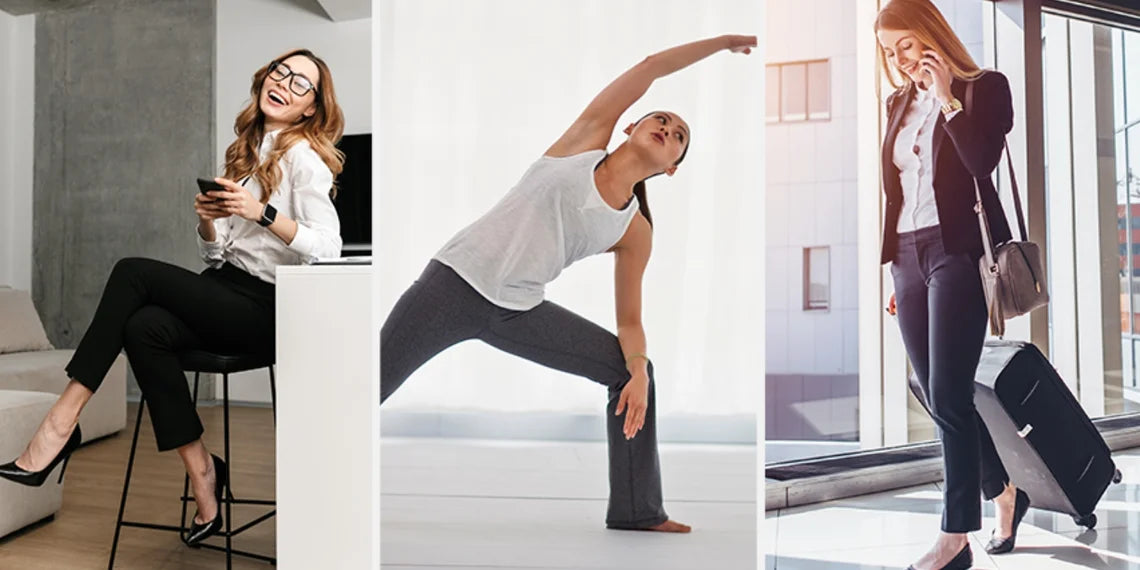
Your lifestyle matters, too. If you commute by train, climb stairs, or spend much of the day seated, comfort is not a small detail. It is part of good style.
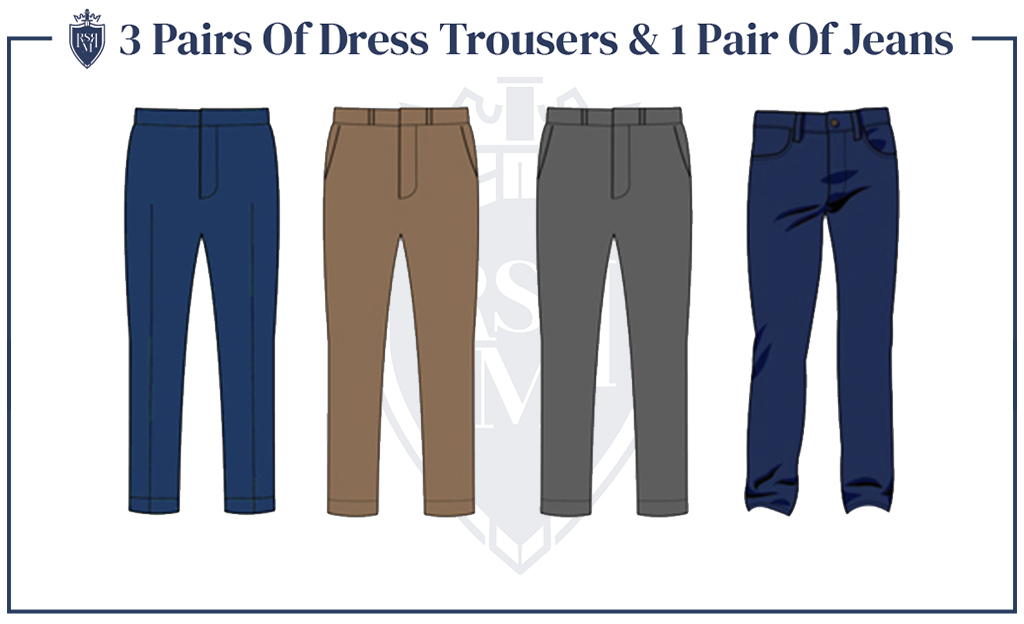
A useful wardrobe may include:
• One navy or charcoal wool trouser for formal and office wear
• One medium-gray trouser for flexible business outfits
• One khaki, olive, or stone cotton pant for casual settings
• One black trouser for evening events, if it fits your style and dress code
Choose the Right Dress Pants Fit
Fit is the most important part of how to choose dress pants. Expensive fabric cannot rescue pants that pull, sag, or bunch. The goal is a clean line from your waist to your shoes without making you feel trapped.
Dress pants usually come in three broad fits:
• Slim fit follows the body closely through the seat and thigh.
• Straight or classic fit gives more room and creates a traditional shape.
• Relaxed fit offers extra space through the seat, thigh, and leg.
Names vary by brand, so never trust the label alone. One company’s slim fit may feel like another company’s regular fit. Try on the pants and judge the shape in a mirror.
Check these areas:
• Waist: The waistband should sit securely without digging into your skin. You should be able to slide one or two fingers inside it.
• Seat: The fabric should lie smoothly over your backside. Pulling, diagonal lines, or a pocket that gapes can signal a tight fit.
• Thigh: You need enough room to sit and walk. Tightness across the upper leg often becomes more noticeable after a full day.
• Rise: The rise is the distance from the crotch to the top of the waistband. A low rise sits below the natural waist, while a medium or high rise sits higher.
• Leg: The trouser leg should match your body and your shoes. Very narrow pants can look out of balance with large shoes.
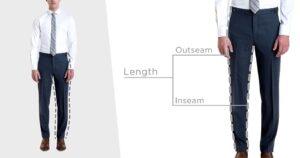
• Hem: The bottom should meet the shoe neatly without a large pile of fabric.
A good fitting test is simple. Sit down, stand up, walk several steps, and bend slightly. If the pants feel fine only when you stand still, they are not the right pair.
In my experience, shoppers often choose pants that feel slightly too tight because the mirror makes a sharp silhouette look appealing. After a few hours, that choice becomes uncomfortable. A clean fit should look polished but still let you move like a normal person.
Understand Trouser Break and Length
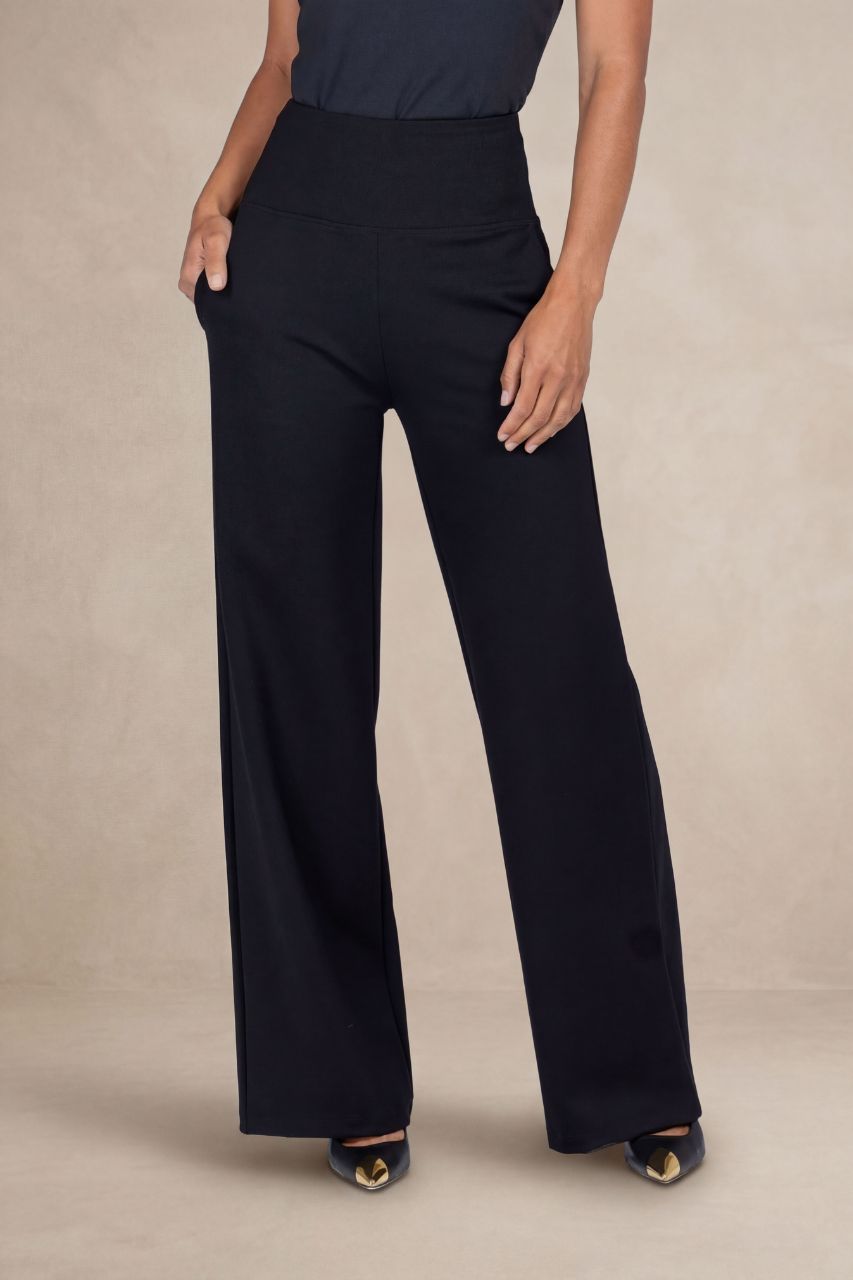
Trouser break describes how the fabric falls where the pant leg meets the shoe. It affects the entire look, even when the rest of the fit is correct.
The main options are:
• No break: The hem barely touches the shoe. This creates a modern, neat look but may show more sock when you sit.
• Slight break: The fabric makes a small fold at the front of the shoe. This is a versatile choice for most people.
• Full break: The fabric creates a deeper fold. It can look traditional, but too much fabric may appear messy.
A slight break is often the safest choice for work and formal events. It gives you a current look without becoming too fashion-driven. Cropped or no-break pants can work well with loafers and sleek dress shoes, but they may feel less formal.
The hem should not cover most of the shoe. If the fabric stacks in several folds around the ankle, the pants are too long or too narrow for your leg shape.
Tailoring can fix length with ease. However, shortening pants cannot correct a rise that is wrong, a seat that pulls, or thighs that feel tight. When learning how to choose dress pants, remember this rule: buy for the hardest fit problems first, then tailor the simple ones.

Pick a Fabric That Matches the Season and Setting
Fabric changes how dress pants look, feel, and perform. It also affects breathability, wrinkles, durability, and care.
Wool Dress Pants
Wool is a classic choice for dress pants. It drapes well, resists wrinkles better than many casual fabrics, and works across much of the year.
Common wool options include:
• Worsted wool has a smooth surface and a refined finish.
• Flannel wool feels softer and warmer, making it useful in cool weather.
• Tropical wool is lighter and more breathable for warm conditions.
A midweight wool trouser is one of the most useful items in a professional wardrobe. Look for fabric with a little body. Very thin wool may wrinkle quickly and show wear sooner.
Cotton Dress Pants
Cotton pants feel relaxed and work well in business-casual settings. They are often easier to wash than wool, but they may wrinkle more and look less formal.
Chinos are a good example. Choose a smooth, firm cotton weave for a sharper appearance. Soft, thin cotton may look too casual with a suit jacket.
Linen and Linen Blends
Linen is cool and breathable in hot weather. Its main limitation is wrinkling. That texture can look stylish at a summer event, but it may not suit a strict office.
A linen blend can reduce wrinkles while keeping some of the fabric’s airy feel. It is a strong choice for warm-weather weddings, vacations, and outdoor dinners.
Synthetic and Stretch Blends
Polyester blends can improve durability, wrinkle resistance, and price. A small amount of elastane or spandex can add comfort, especially if you sit or travel often.
However, too much stretch may make pants lose their shape. The fabric can also feel warmer or look less structured. When deciding how to choose dress pants, treat stretch as a comfort feature, not a replacement for good fit.

Select the Best Color and Pattern
Color determines how often you can wear your dress pants. Neutral shades offer the most outfit options.
The most useful colors include:
• Charcoal: Formal, professional, and easy to pair with black, brown, burgundy, and blue.
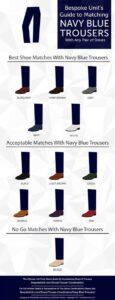
• Navy: Polished and less severe than black. It works with gray, white, tan, and light blue.
• Medium gray: One of the most flexible choices for offices and smart casual outfits.
• Black: Strong for evening wear, but it may look too formal or harsh in some daytime settings.
• Khaki or tan: Relaxed and useful with navy, white, denim, and earthy colors.
• Olive: Casual and modern, especially with brown shoes or simple sneakers.
Patterns can add interest, but they require more planning. Solid pants are easier to mix with patterned shirts and jackets. Subtle checks, herringbone, and pinstripes can look refined, but bold patterns may limit wear.
If you are buying your first pair, start with charcoal, navy, or medium gray. These colors act like a blank canvas. They let your shirt, jacket, shoes, or accessories change the mood of the outfit.

Match the Rise, Waistband, and Pockets to Your Body
The rise affects comfort and proportion. It also changes how your shirt sits and where your legs appear to begin.
A medium rise suits many body types because it gives a balanced shape. A higher rise can lengthen the appearance of the legs and keep a tucked shirt in place. A low rise may suit a modern casual look, but it can create discomfort when sitting or cause the waistband to slide down.
The waistband should remain level as you move. If it rolls, twists, or drops at the back, the cut may not suit your body.
Pockets also offer useful clues:
• Front pockets should lie flat and should not gape.
• Back pockets should sit in a balanced position.
• Slanted pockets can create a cleaner visual line.
• Deep pockets are useful, but bulky items can distort the shape.
Avoid carrying a thick wallet, phone, and keys in the front pockets of tailored pants. The extra weight pulls on the fabric and can make a good pair look poorly fitted. Use a slim wallet or a jacket pocket when possible.
Check Construction and Small Details
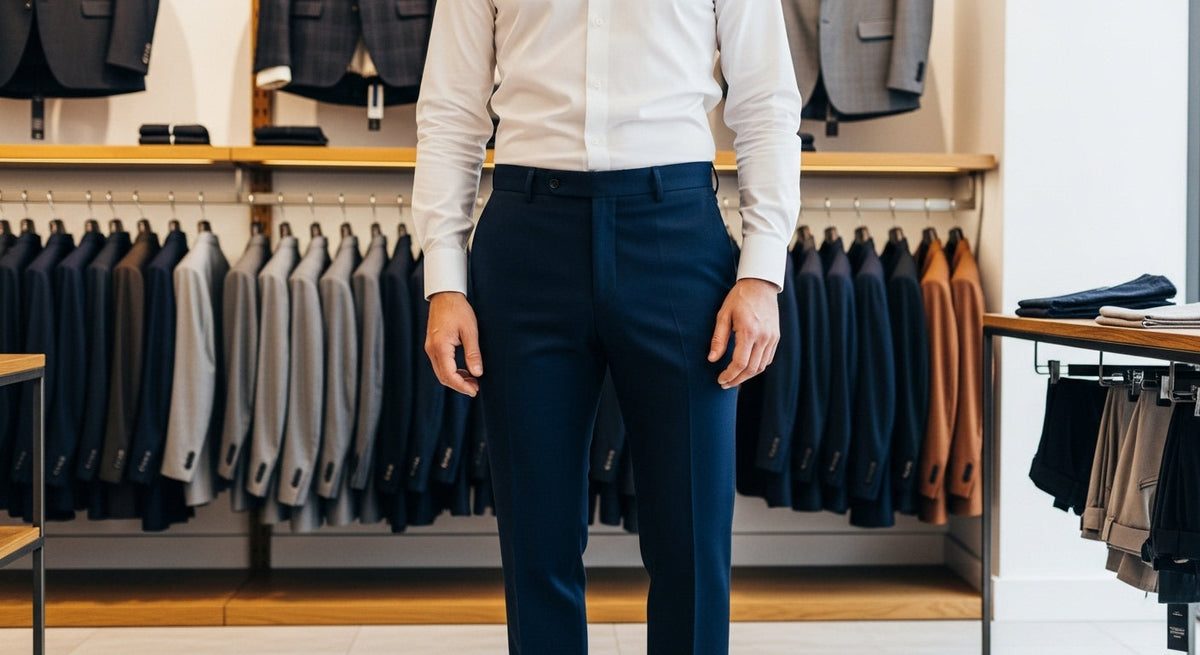
Small details can reveal whether dress pants are made for regular wear or occasional use. You do not need to be a tailor to inspect them.
Look for:
• Even stitching along the waistband and seams
• A secure hook, button, and zipper
• A smooth waistband lining
• Strong belt loops placed at useful points
• A clean hem
• A lining that does not twist or pull
Some dress pants include a curtain waistband, which adds structure and helps the pants sit neatly. A longer-lasting pair may also have extra fabric at the hem or waist for minor alterations.
Pleats are another design choice. Flat-front pants create a streamlined look and are common in modern business clothing. Pleated pants give more room through the front and can look elegant when styled well. They should lie flat when you stand.
Do not assume more construction always means better quality. A well-made simple trouser can outperform a heavily detailed pair. Judge the fabric, seams, fit, and comfort together.
Decide Whether You Need Belt Loops or Side Adjusters
Most dress pants have belt loops, but side adjusters can create a cleaner appearance. Side tabs hold the pants at the waist without adding a visible belt.
Choose belt loops if:
• You wear belts often
• You want one pair to work with several belt colors
• You prefer a traditional design
Choose side adjusters if:
• You want a sleek formal look
• You wear tailored jackets often
• You want less visual clutter around the waist
A belt should match the formality of the pants. A narrow leather belt may suit refined wool trousers, while a rugged leather belt can make them look mismatched. The belt and shoes do not need to be identical, but they should feel related in color and finish.
Try Dress Pants on the Right Way
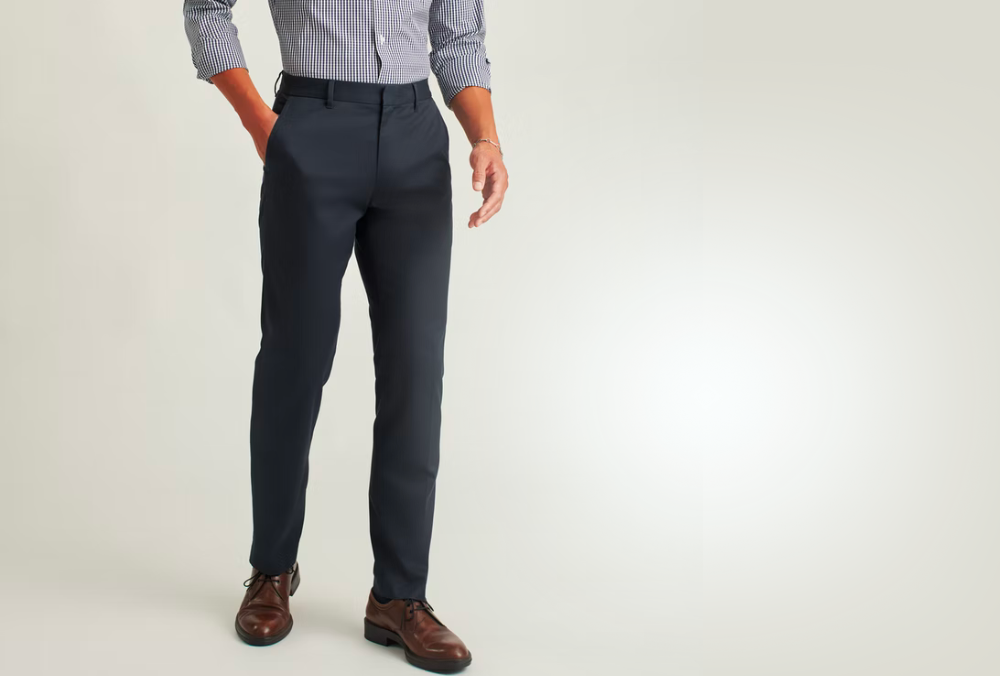
Knowing how to choose dress pants is easier when you use a repeatable fitting process. Do not rush through the fitting room or judge pants only from the front.
Use this step-by-step method:
-
Wear the type of underwear and shoes you normally use with the pants.
-
Fasten the waistband and stand naturally.
-
Check the front for pulling, wrinkles, and excess fabric.
-
Turn to the side and inspect the rise and seat.
-
Turn around and check whether the back pockets sit evenly.
-
Sit for at least one minute.
-
Walk, climb a step, and bend slightly.
-
Check the hem with your usual shoes.
-
Raise your knee and make sure the thigh does not feel restrictive.
-
Look at the pants in natural light if possible.
One mistake I have seen many times is buying pants late at night after trying them on for only 30 seconds. The fit seems fine, but the waistband feels tight after dinner or a long commute. Movement is the honest test. Use it.
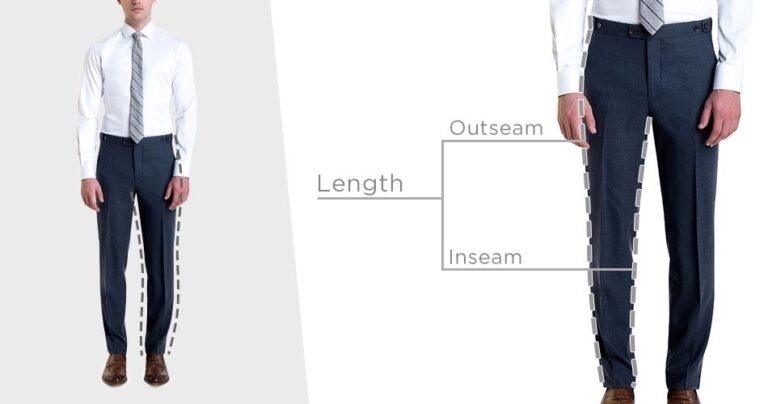
If you shop online, measure a pair of pants you already like. Lay them flat and compare the waist, rise, thigh, leg opening, and inseam with the brand’s size chart. Do not rely on your usual size because measurements differ widely between brands.
Know When Tailoring Is Worth It
Tailoring can turn an ordinary pair into a polished one. It is especially useful for adjusting the inseam, waist, and sometimes the seat.
Common alterations include:
• Shortening the hem
• Taking in or letting out the waist slightly
• Adjusting the seat
• Tapering the leg
• Replacing buttons or repairing the hem
The best pants to tailor already fit well through the rise, seat, and thigh. Minor changes are practical. Major changes can affect the balance of the garment.
A tailor may also advise you on the amount of break. Bring the shoes you plan to wear. A hem that works with loafers may look too short with thicker dress shoes.
Tailoring is often cheaper than replacing pants, but costs vary by location and garment. Ask for an estimate before approving several alterations.
Avoid Common Dress Pants Shopping Mistakes
Even experienced shoppers make poor choices when they focus on only one feature. These errors are easy to avoid.
• Buying by size alone: Measurements and cuts vary across brands.
• Choosing comfort over shape: Very loose pants may feel comfortable but can look untidy.
• Choosing shape over comfort: Pants should not restrict sitting, walking, or normal breathing.
• Ignoring the back view: The seat and pockets matter as much as the front.
• Wearing the wrong shoes: Hem length looks different with loafers, boots, and sneakers.
• Buying too many trendy colors: Start with neutral shades that work with your wardrobe.
• Forgetting care instructions: A fabric that requires dry cleaning may not suit your routine.
• Leaving all alterations until later: Some fit issues cannot be fixed easily.
• Carrying a heavy wallet in the pocket: Bulky items distort the line of the pants.
• Matching formal pants with casual items by accident: A fine wool trouser may look strange with a very casual shirt or worn sneakers.
The best choice balances appearance, comfort, care, and cost. A pair you wear often is usually a better investment than a more expensive pair that stays in the closet.
Build Outfits Around Your Dress Pants
Once you know how to choose dress pants, styling becomes much easier. Start with contrast in color and texture.
For a professional outfit, try:
• Charcoal pants with a white shirt and black or brown leather shoes
• Navy pants with a light blue shirt and dark brown shoes
• Gray pants with a white shirt, navy blazer, and loafers
For a business-casual outfit, try:
• Khaki pants with an Oxford shirt and loafers
• Olive pants with a pale blue shirt and brown shoes
• Navy pants with a knit polo and clean leather sneakers
For a formal event, wear pants that match the suit jacket in fabric, color, and finish. Avoid wearing a random black jacket with unrelated black trousers unless the outfit is intentionally styled.
The shirt should not compete with the pants. If the trousers have a pattern, choose a simpler shirt. If the pants are solid, you can add texture through a knit, oxford cloth, or subtle pattern.
How to Care for Dress Pants
Good care helps dress pants keep their shape. Always read the care label because fabric blends behave differently.
Helpful habits include:
• Hang pants from the waistband or use a quality clamp hanger.
• Let wool pants air out after use.
• Brush away dust with a soft clothing brush.
• Remove small stains quickly, using care suited to the fabric.
• Avoid washing wool unless the label allows it.
• Rotate pants instead of wearing the same pair every day.
• Use a steamer for light wrinkles when appropriate.
• Store pants in a dry, well-ventilated closet.
Dry cleaning too often can stress some fabrics and shorten their life. For many wool trousers, airing and gentle brushing may be enough between cleanings. Follow the garment label and ask a professional cleaner about stubborn stains.
Frequently Asked Questions About How to Choose Dress Pants
What is the best fit for dress pants?
A good fit lies smoothly at the waist, seat, thigh, and leg without pulling or sagging. For most people, a medium rise and slight break offer a balanced, versatile look.
Should dress pants be tight or loose?
Dress pants should feel close to the body but allow easy movement. You should be able to sit, walk, and bend without strong pulling across the waist, seat, or thighs.
What color dress pants should I buy first?
Start with charcoal, navy, or medium gray. These colors pair well with white, blue, black, brown, and many jacket styles.
How long should dress pants be?
The hem should meet the shoe with no break, a slight break, or a full break, depending on your style. A slight break is the most flexible choice for work and formal clothing.
Can a tailor fix pants that are too big?
A tailor can often adjust the waist, hem, seat, and leg width within limits. A tailor usually cannot fix pants with a badly fitting rise or pants that are far too small in the seat and thighs.
Are wool dress pants better than polyester pants?
Wool often offers better drape, breathability, and a more refined finish. Polyester blends can cost less and resist wrinkles, so the better choice depends on your budget, climate, care needs, and intended use.
Conclusion
Learning how to choose dress pants comes down to five key checks: purpose, fit, fabric, color, and comfort. Start with a versatile neutral shade, test the pants while moving, and choose a fabric that suits your climate and routine. Minor tailoring can improve length and shape, but the original fit should already feel close and natural.
Treat your next purchase as an investment in daily confidence. Try on several cuts, compare measurements, and choose the pair you can wear with ease. Explore more clothing guides, share your favorite fit tips, or leave a comment about the dress pants that work best for you.
Madison Clark is a footwear expert and the voice behind MyStyleGrid.com. She specializes in honest shoe reviews, style tips, and practical guides to help readers find the perfect pair for any occasion. With years of experience in blogging and content creation, Madison makes footwear knowledge simple, stylish, and easy to follow.