OluKai sandals are designed in Hawaii but made in several countries, with Vietnam and China among the most common.
If you are asking where are OluKai sandals made, the answer is more detailed than a single country name. OluKai is a Hawaii-inspired footwear brand, but its sandals are produced through global manufacturing partners. This guide explains where production happens, why locations vary by style, how to check a sandal’s origin, and what country of manufacture means for quality.
Where are OluKai sandals made?
OluKai sandals are designed in Hawaii and manufactured in different countries around the world. Vietnam and China are common production locations, while some products may be made in other countries depending on the model, factory, materials, and production period.
The most accurate answer to where are OluKai sandals made is found on the sandal itself. Look for a country-of-origin label on the footbed, lining, packaging, or product box. The label may say “Made in Vietnam,” “Made in China,” or another approved country of manufacture.
OluKai does not make every sandal in one factory. Like many global footwear brands, it uses specialized factories that produce different styles and sizes. A men’s leather flip-flop, a women’s platform sandal, and a waterproof beach sandal may come from different facilities.

Are OluKai sandals made in Hawaii?
OluKai sandals are designed with strong Hawaiian influence, but most are not physically manufactured in Hawaii. The brand’s design language draws from Hawaii’s landscapes, culture, ocean life, and relaxed island lifestyle.
This distinction matters. “Designed in Hawaii” describes the creative direction, product development, and brand identity. “Made in” identifies the country where the sandal was assembled or completed.
The difference is similar to a recipe created by a chef in one place and prepared by a trained kitchen in another. The design may begin in Hawaii, while the cutting, stitching, molding, and final assembly take place overseas.
OluKai’s Hawaiian roots still play an important role in its products. Its sandals often include features such as:
• Soft footbeds shaped for comfort
• Anatomical arch support
• Nonmarking rubber outsoles
• Water-friendly materials on selected styles
• Patterns and colors inspired by the Pacific
• A rounded toe post designed to reduce rubbing
These features reflect design choices. They do not mean the sandals were made in Hawaii.

Why does OluKai use factories in different countries?
Footwear production is a complex process. Brands often choose factories based on technical skill, material access, production capacity, labor expertise, and quality systems.
Vietnam and China have large footwear industries with experienced workers and advanced factories. These facilities can handle injection molding, rubber compounds, leather work, stitching, bonding, and final inspection at high volumes.
Manufacturing locations can also change over time. A brand may move a style to a different factory because of:
• Higher demand
• New material requirements
• Factory capacity
• Shipping conditions
• Cost changes
• Safety or compliance standards
• A new version of the same product
This is why two pairs that look nearly identical may have different country labels. One may be an older production run, while the other is a newer version made at a different facility.
In my experience reviewing footwear labels and product details, shoppers often assume a country label tells the entire quality story. It does not. Factory standards, materials, inspection rules, and construction methods usually matter more than the country name alone.

What countries manufacture OluKai sandals?
The country can vary by style and production run. Vietnam and China are frequently associated with OluKai footwear, but other countries may appear on certain products.
The country of origin may change because OluKai works with more than one manufacturing partner. A product page may also use the term “imported,” especially when the same style is sold across several markets.
For the most reliable information, check these places:
- The inside or underside of the sandal
- The original box or packaging
- The product details on the official website
- The care tag or material label
- The retailer’s product specifications
- The seller’s customer service team
If a retailer lists only “imported,” that does not identify the exact country. Ask for a photo of the physical label if the origin is important to your purchase.
It is also wise to check the label on the exact pair you receive. Online listings can cover several colors, sizes, and production batches. Product information may not always show every variation.

Does the country of manufacture affect OluKai quality?
The country where OluKai sandals are made does not automatically determine whether they are good or bad. Quality depends on the design, materials, factory controls, assembly, adhesives, stitching, molding, and inspection process.
A well-run factory in Vietnam can make excellent footwear. A poorly controlled factory anywhere can produce weak footwear. The same principle applies to products made in the United States, Europe, or other regions.
When checking quality, look at the sandal itself. Examine:
• Clean edges around the footbed and outsole
• Even stitching with no loose threads
• A secure toe post
• Firm bonding between the upper and sole
• A footbed that does not feel warped
• A tread pattern with clear, sharp details
• Balanced left and right sandals
• No strong chemical smell that remains after airing out
A small amount of excess glue can occur in mass-produced footwear. However, large glue marks, gaps, loose straps, or a crooked sole may signal a defective pair.
OluKai’s comfort features are often a stronger buying factor than the manufacturing country. If the footbed supports your arch and the strap does not rub, the sandal is more likely to work well for daily use.
How are OluKai sandals designed and built?
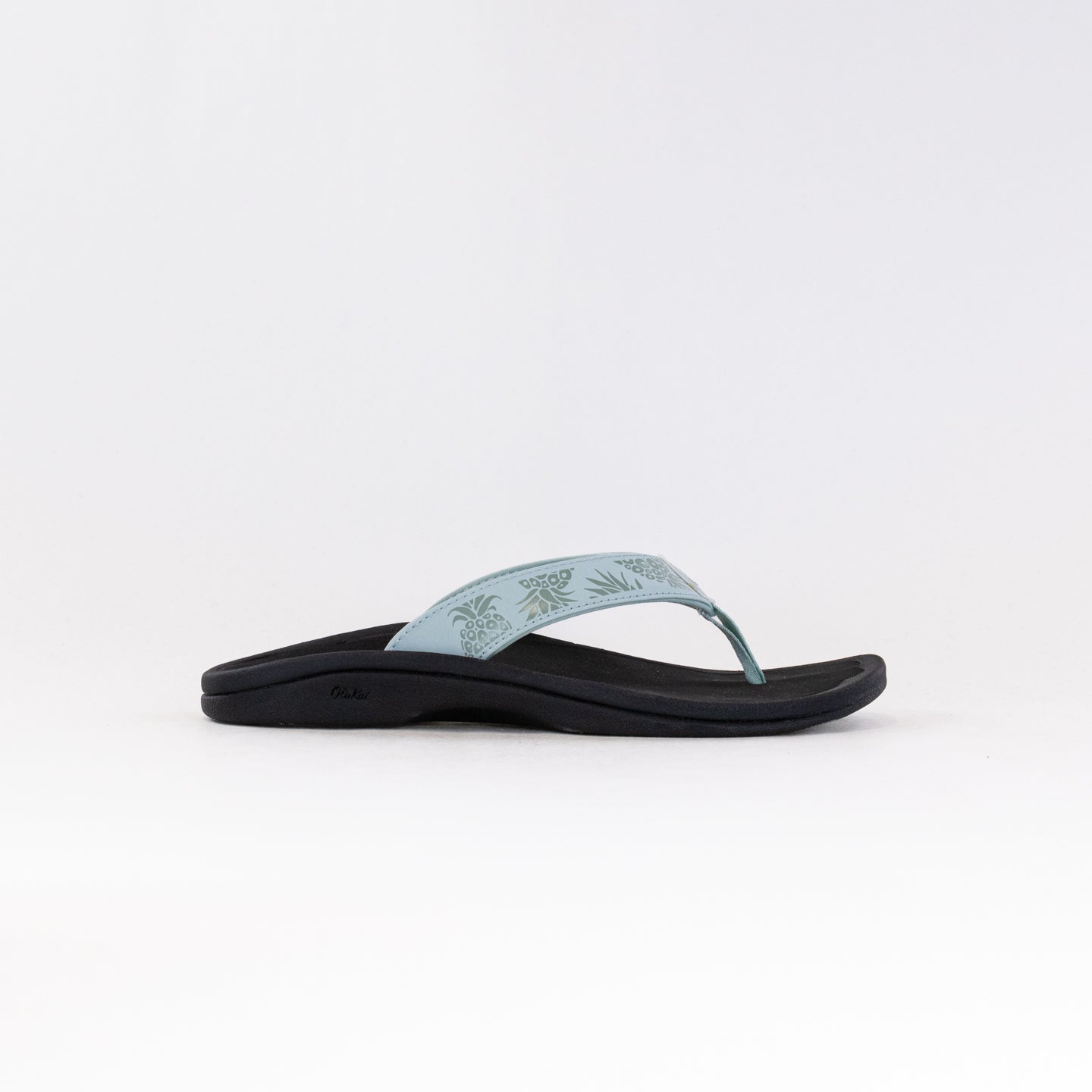
OluKai sandals usually combine molded components with materials such as rubber, synthetic foam, textiles, or leather. The exact construction depends on the model.
A typical production process may include these steps:
- Designers create the shape, fit, and visual details.
- A factory creates molds for the footbed and outsole.
- Materials are cut, molded, or stitched.
- The upper is attached to the footbed.
- The outsole is bonded or molded into place.
- Workers inspect the sandal for defects.
- The pair is packed and shipped to retailers.
Molded footbeds help create consistent shapes across many pairs. Rubber outsoles provide grip and durability, while soft footbeds are designed to make walking more comfortable.
The materials vary by model. Some OluKai sandals use leather, while others use synthetic or water-friendly materials. A leather sandal may require more care and may not be ideal for constant soaking. A synthetic pair may be easier to rinse after a day at the beach.
Always follow the care instructions for the specific style. Treating every OluKai sandal the same can shorten its life.
Are OluKai sandals ethically made?
OluKai sandals are made through a global supply chain, so ethical manufacturing depends on the standards used by the brand and its manufacturing partners. Public statements and company policies can provide useful information, but they may not reveal every detail about every factory.
Responsible shoppers should look for information about:
• Factory audits
• Worker safety
• Fair labor practices
• Environmental controls
• Restricted chemicals
• Waste reduction
• Supplier standards
• Traceability
No footwear brand can be judged fairly by its country label alone. Manufacturing conditions can vary between factories in the same country.
There is also a limit to what a shopper can confirm from a product page. If detailed factory information is not publicly available, it is better to recognize that uncertainty than to make a strong claim without evidence.
OluKai is also known for its charitable connection to ocean and community causes. However, charitable work and factory ethics are separate issues. A brand can support good causes while shoppers still ask reasonable questions about materials, labor, and production.

Are OluKai sandals made in the United States?
Most OluKai sandals sold today are imported rather than made entirely in the United States. The brand’s Hawaiian identity refers mainly to its design roots and values, not to domestic sandal production.
Some components may come from different countries before final assembly. For this reason, “American brand,” “designed in Hawaii,” and “made in the United States” are not interchangeable terms.
U.S. country-of-origin rules generally require products to provide accurate origin information when imported. The label on the item or its packaging is the best practical evidence for a specific pair.
If domestic manufacturing is important to you, do not rely only on the brand story. Read the label and ask the seller where that exact product was made.
How to check where your OluKai sandals were made
You can usually find the country of manufacture in less than a minute. Start with the sandal, not the advertising copy.
Use this simple checklist:
- Turn over the sandal and inspect the sole.
- Check the footbed and inner strap area.
- Look inside the box for a country label.
- Read the care and materials tag.
- Compare the label with the retailer’s listing.
- Contact the brand if the label is missing or unclear.
Do not confuse a style number with a country of origin. A code may identify the color, size, or production batch without naming the factory location.
You should also be careful when buying through online marketplaces. A listing may use stock photos, and the item may come from an older batch. Buy from an authorized seller when possible, especially if you want warranty support or need help with authenticity.
One practical lesson I have learned from checking footwear for shoppers is simple: take a photo of the label before removing the packaging. It gives you a record if the sandal arrives with a different origin, color, or model than expected.
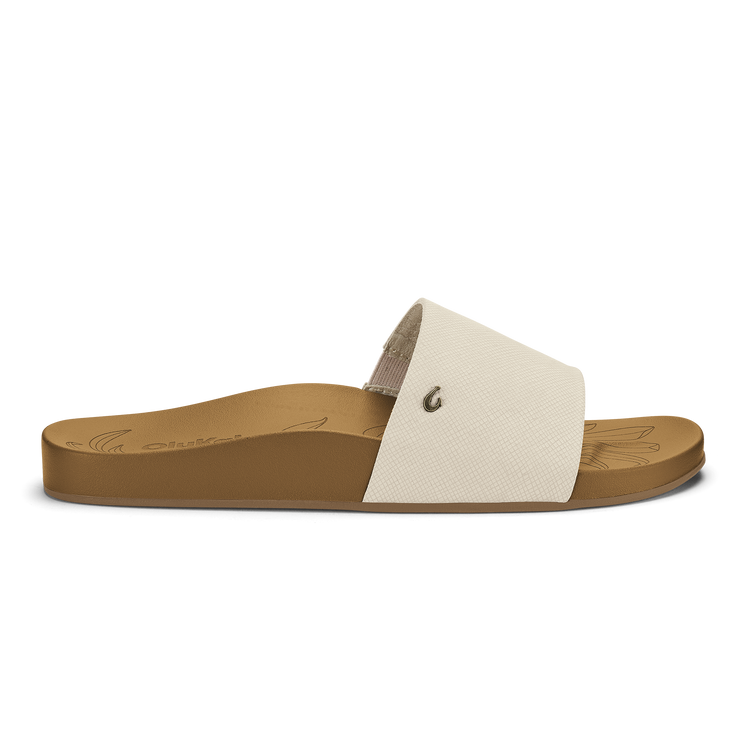
Are OluKai sandals worth buying?
OluKai sandals can be a strong choice for people who want more support than a thin rubber flip-flop. Their footbeds are often more structured, and many styles feel secure during regular walking.
They may suit you if you want:
• A supportive sandal for errands
• A comfortable option for travel
• A durable pair for casual daily use
• A Hawaiian-inspired design
• Better arch support than basic flip-flops
They may not suit every foot. Some people prefer a very flat sandal, while others need a wide toe box, adjustable straps, or medical-grade support. A supportive footbed is helpful, but it is not a substitute for professional advice if you have ongoing foot pain.
Fit also varies by style. Read recent reviews, compare the size chart, and check the return policy. If the toe post rubs or your heel hangs over the footbed, the sandal is not the right fit, even if the model is well made.
Frequently asked questions about where are OluKai sandals made
Where are OluKai sandals made?
OluKai sandals are designed in Hawaii and made in several countries. Vietnam and China are common manufacturing locations, but the exact country depends on the style and production batch.
Are OluKai sandals made in Hawaii?
Most OluKai sandals are not manufactured in Hawaii. They are designed with Hawaiian inspiration and produced by global manufacturing partners.
Are OluKai sandals made in China?
Some OluKai sandals are made in China. Check the country-of-origin label on your specific pair because not every style is produced there.
Are OluKai sandals made in Vietnam?
Yes, some OluKai sandals are made in Vietnam. Vietnam is a major footwear manufacturing center, but the label on the individual sandal provides the most accurate answer.
How can I tell where my OluKai sandals were made?
Check the sandal, footbed, box, or care label for a country-of-origin statement. If you cannot find one, contact OluKai or the authorized retailer with the style number and product details.
Does where OluKai sandals are made affect their quality?
The manufacturing country alone does not determine quality. Materials, factory controls, construction, inspection, and proper care all play important roles.
Are OluKai sandals made with real leather?
Some OluKai styles use leather, while others use synthetic or water-friendly materials. Read the materials section for the exact model before buying or cleaning the sandals.
Conclusion
OluKai sandals are designed in Hawaii but made through a global supply chain. Vietnam and China are common production locations, yet the country can vary by model and production run.
The best way to confirm where are OluKai sandals made is to check the label on the exact pair you plan to buy. Focus on fit, construction, materials, care instructions, and seller reliability rather than judging quality by country alone. Before your next purchase, inspect the product details and country label, then share your experience or questions with other sandal shoppers.

Madison Clark is a footwear expert and the voice behind MyStyleGrid.com. She specializes in honest shoe reviews, style tips, and practical guides to help readers find the perfect pair for any occasion. With years of experience in blogging and content creation, Madison makes footwear knowledge simple, stylish, and easy to follow.