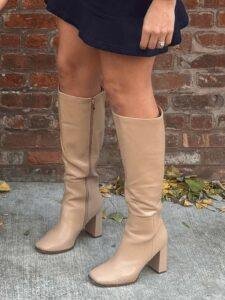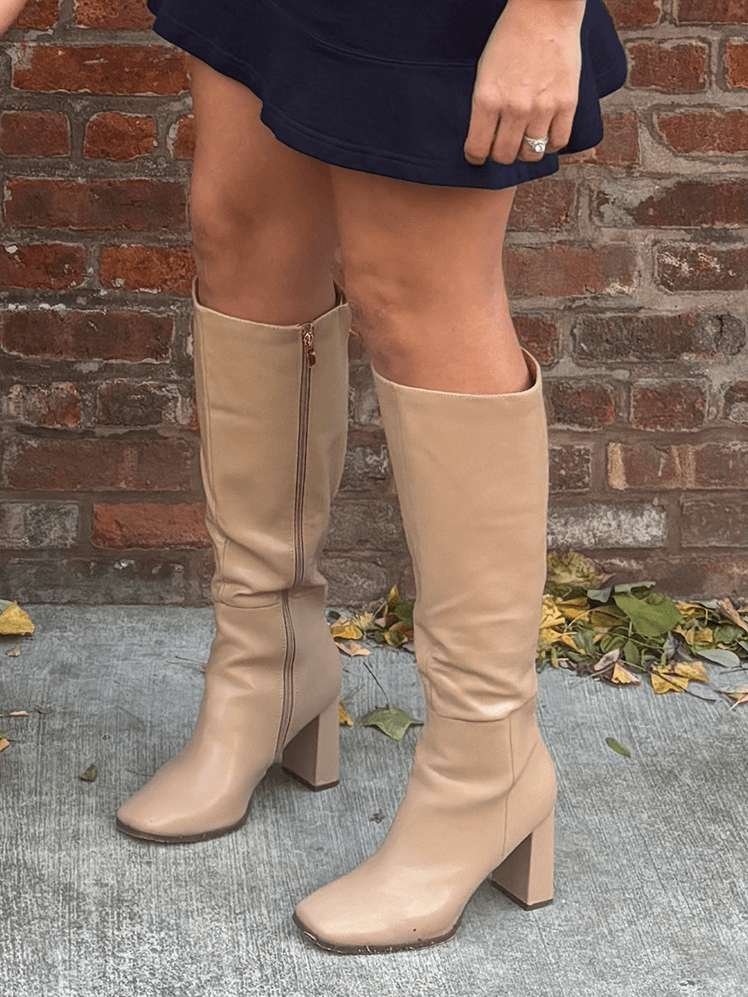
The best knee high boots combine a secure fit, supportive sole, durable materials, and style you can wear often.
Finding the best knee high boots depends on more than color or brand. Shaft fit, arch support, weather resistance, comfort, and the way you plan to wear them all matter. This guide breaks down the strongest choices for work, walking, cold weather, wide calves, and everyday outfits so you can buy with confidence.
What Makes Knee High Boots the Best Choice?
Knee high boots reach close to the knee and may come with a flat sole, heel, wedge, or platform. They can be made from leather, suede, synthetic materials, or waterproof textiles. The right pair should feel secure around your foot and calf without pinching or sliding down.
The best knee high boots balance three things:
• Comfort for long wear
• A shaft that fits your leg
• Materials that match your climate and lifestyle
A beautiful boot is not a good buy if it causes blisters after one hour. Likewise, a soft boot may not suit rainy weather if it absorbs water easily. Think of boots like a small home for your feet: they need space, support, and protection.
When comparing styles, check the heel height, toe shape, footbed, zipper quality, and calf measurement. A boot with a removable insole can also help if you use custom orthotics.

Best Knee High Boots by Category
There is no single pair that suits everyone. The best knee high boots for city walks may not be the best pair for snow, office wear, or wide calves. Start with your main use, then compare comfort and construction.
Best Overall: Leather Boots With a Low Block Heel
A leather knee high boot with a low block heel is one of the most useful choices. It looks polished with jeans, skirts, and dresses. The block heel gives more stability than a thin heel, while leather can soften and shape to your foot over time.
Look for a cushioned footbed, a flexible sole, and a zipper that runs high enough to make dressing easy. A rounded or almond-shaped toe often gives more room than a sharp pointed toe.
Best for Everyday Walking: Flat or Low-Heel Boots
The best knee high boots for daily walking usually have a flat sole or heel below two inches. They should bend slightly at the ball of the foot and have enough padding under the heel.
Brands such as Naturalizer, Clarks, and Vionic often offer comfort-focused designs, although each model fits differently. Always check the exact product measurements instead of relying on the brand name alone.
A rubber outsole is useful on city sidewalks. It adds grip and helps absorb some impact on hard ground.
Best for Wide Calves: Stretch-Back or Extended-Calf Boots
Wide-calf boots use elastic panels, adjustable buckles, or a wider shaft. These features can make a major difference for people who find standard boots too tight.
The best knee high boots for wide calves should sit smoothly without digging into the leg. Measure the fullest part of your calf while wearing the clothes you plan to use with the boots. Then compare that number with the listed shaft circumference.
Brands such as Sam Edelman, Journee collection, Naturalizer, and Torrid often carry extended-calf options. Sizes and measurements vary, so confirm the details before ordering.
Best for Cold Weather: Insulated and Waterproof Boots
Cold-weather boots need more than a tall shaft. Look for insulation, a sealed construction, a warm lining, and a sole with deep tread. Waterproof leather or treated synthetic materials can help keep snow and rain out.
The best knee high boots for winter should also leave a little room for warm socks. Do not buy a tight pair and hope the lining will stretch. Tight boots can reduce comfort and may make your feet feel colder.
For heavy snow, choose a pair designed for winter rather than a fashion boot with a smooth sole. Fashion boots may look warm but offer little traction or insulation.
Best for Office Wear: Sleek Leather or Suede Boots
For professional outfits, choose a clean shape with minimal decoration. Black, brown, and dark taupe are easy to match with trousers, skirts, and dresses.
A medium heel can add structure without making the boot difficult to wear. Suede looks refined but needs more care than smooth leather, especially in wet weather.
The best knee high boots for the office should not squeak, slip, or show heavy creasing after a few wears. A firm heel counter and quality lining can help the boot keep its shape.
Best for Trend-Led Outfits: Slouch, Riding, or Western Styles
Slouch boots have a relaxed shaft, while riding boots offer a more structured look. Western-inspired knee high boots often include pointed toes, decorative stitching, or angled heels.
These styles can refresh a simple outfit, but comfort still matters. A dramatic heel or narrow toe may look striking but can become tiring during a long day.
Choose one trend detail rather than several at once. For example, a simple outfit can support a western boot, while a patterned dress may work better with a plain leather pair.

How to Choose the Right Fit
Fit is the most important part of choosing the best knee high boots. A boot can look perfect online but feel wrong if the shaft, instep, or toe box does not match your leg and foot.
Use this simple fitting process:
-
Measure both feet at the end of the day, when they are usually largest.
-
Measure the fullest part of your calf while standing.
-
Check the listed shaft height from the sole to the top.
-
Wear the socks or tights you plan to use.
-
Walk for at least five minutes on a clean indoor surface.
Your heel should stay mostly in place, but a small amount of movement can be normal in a new leather boot. Your toes should not touch the front. You should also be able to bend your knee without the top edge cutting into your leg.
A common mistake is choosing boots based only on shoe size. Two boots in the same size can have very different widths, instep heights, and calf measurements.
Leather, Suede, or Synthetic Materials?
Material affects comfort, cost, care, and durability. The best knee high boots may use any of these materials, depending on your needs.
Leather
Leather is durable and often becomes more comfortable with wear. It can resist light moisture when treated, but it is not automatically waterproof. Use a conditioner and a water-repellent product made for the leather type.
Suede
Suede has a soft, rich finish. It works well for dry days and dressier outfits. However, water can stain it, and it needs a suede brush and protective spray.
Synthetic Materials
Synthetic leather often costs less and may be easier to clean. Some synthetic boots also resist water well. Their main limitation is that they may not soften or breathe like natural leather.
Read the care label before using any product. The wrong cleaner can darken suede or damage a coated finish.
Heel Height and Support
Heel height changes how a boot feels during walking. A low heel is usually easier for daily use, while a taller heel shifts more weight toward the front of the foot.
The best knee high boots for long days often have:
• A stable block heel
• A cushioned insole
• A flexible forefoot
• A firm heel counter
• A sole with reliable grip
If you have ongoing foot, knee, or back pain, consider a shoe fitting with a podiatrist. Footwear cannot correct every medical problem. The American Academy of Orthopaedic Surgeons also emphasizes proper fit and supportive footwear for comfortable movement.
Do not assume a high price guarantees better support. Some expensive boots have narrow toes or rigid soles. Some affordable pairs feel excellent because their shape matches your foot.
How to Style Knee High Boots
Knee high boots are easy to dress up or down. The key is to balance the volume and length of your clothes.
Try these combinations:
• Wear black boots with a midi skirt and a tucked sweater.
• Pair riding boots with slim jeans and a long coat.
• Use suede boots with a knit dress for a soft fall outfit.
• Wear flat boots with leggings and an oversized shirt.
• Match cream or tan boots with denim and warm neutral layers.
The best knee high boots often become wardrobe workhorses because they cover the lower leg and add structure to simple clothes. A classic color may offer more value than a bold shade you wear only once.
If you wear boots with tights, check that the shaft does not catch or pull the fabric. Smooth socks can reduce friction and help prevent irritation.

Care Tips to Make Boots Last
Good care can extend the life of your boots and protect your investment. Small habits matter more than occasional deep cleaning.
Follow these steps:
• Brush away dirt after each outdoor wear.
• Let damp boots dry at room temperature.
• Keep boots away from radiators and direct heat.
• Use boot trees or clean paper to help hold their shape.
• Condition smooth leather when it looks dry.
• Use a suede brush on suede.
• Replace worn heel caps before the heel becomes uneven.
Never store wet boots in a sealed plastic bag. Moisture needs a way to escape. If boots become soaked, remove the insoles if possible and let everything dry slowly.
One lesson many shoppers learn late is that cheap care can ruin expensive boots. A small bottle of suitable protector and a basic brush often save more money than replacing a damaged pair.

Common Mistakes to Avoid
Even the best knee high boots can disappoint when the buying process goes wrong. Avoid these common mistakes:
• Buying without measuring your calf
• Choosing a heel that does not match your routine
• Ignoring the toe box
• Wearing new boots for a full day immediately
• Using the wrong cleaning product
• Assuming “water-resistant” means waterproof
• Keeping boots that cause pain because they look attractive
Break in new boots at home for short periods. If pressure remains in the same spot, the shape may not suit your foot. A shoe repair specialist can sometimes stretch leather, but stretching cannot fix every fit problem.
Also check the return policy before wearing boots outdoors. This is especially important when buying online, since photos may not show the true shaft width or stiffness.

How Much Should You Spend?
Prices for knee high boots range from budget fashion pairs to premium leather designs. A higher price may reflect better materials, stronger construction, better lining, or repairable parts. It does not guarantee comfort.
For a smart purchase, judge value by expected wear. A durable black leather boot worn weekly may offer more value than a cheaper pair worn twice.
Before buying, compare:
• Material quality
• Sole construction
• Insole comfort
• Shaft and calf measurements
• Return policy
• Warranty or repair options
• Seasonal discounts
The best knee high boots are the ones that fit your budget and your real life. Spending more makes sense when you need long-term wear, frequent walking, or better weather protection. Spending less can be sensible for a trend-driven style.

A Simple Buying Checklist
Use this checklist before placing an order:
-
Decide where you will wear the boots.
-
Choose a realistic heel height.
-
Measure your foot and calf.
-
Check the material and care instructions.
-
Look for traction and cushioning.
-
Read recent customer reviews for fit details.
-
Confirm the return policy.
-
Test the boots indoors before removing tags.
Customer reviews are most useful when they mention measurements, walking time, toe room, and calf fit. Ignore reviews that only say the boots are “cute” or “nice.” Those comments may not help you judge comfort.
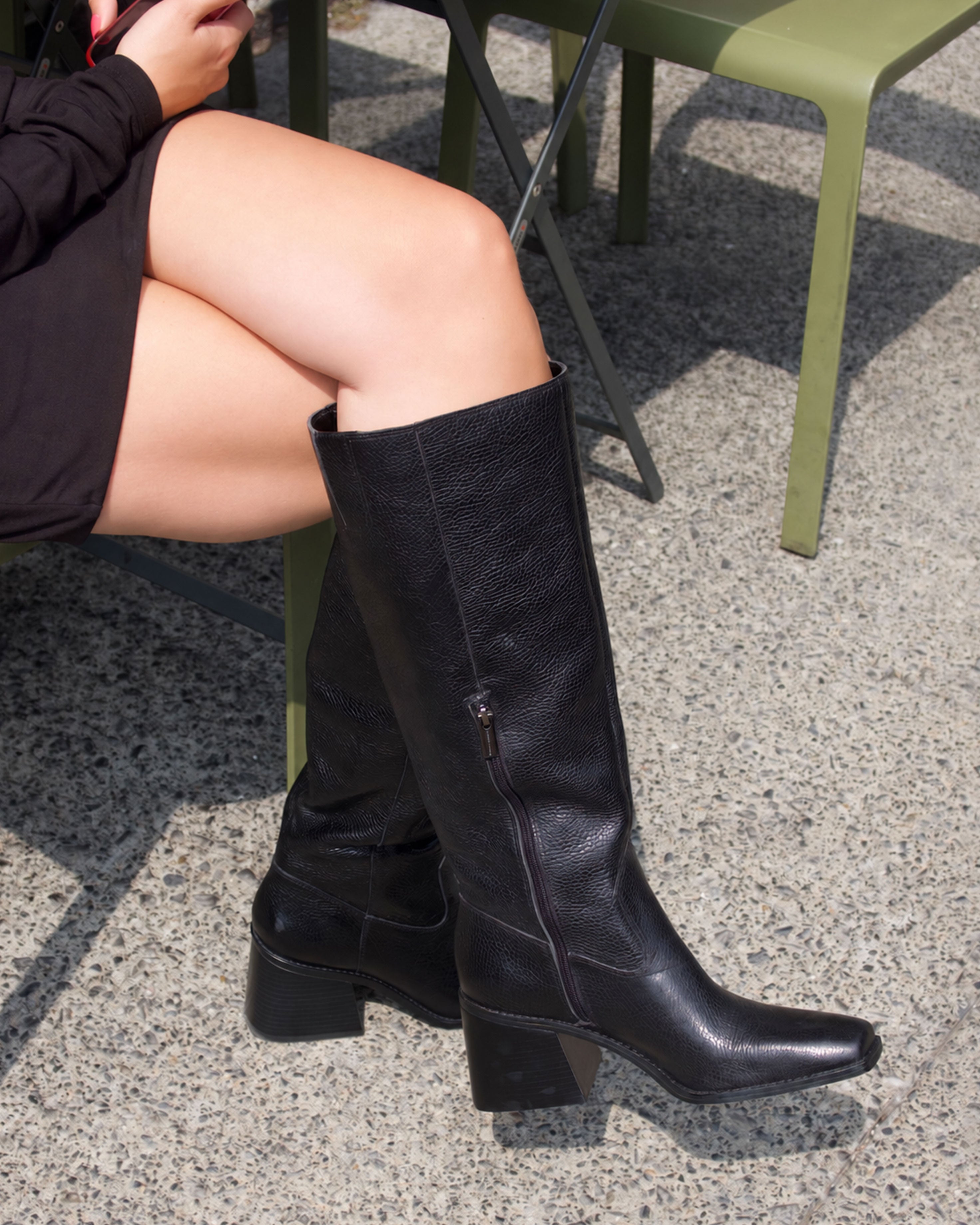
Frequently Asked Questions About What Are the Best Knee High Boots
What are the best knee high boots for walking?
The best knee high boots for walking usually have a low heel, cushioned footbed, flexible forefoot, and rubber outsole. Choose a pair that fits securely without squeezing the toes or calf.
Are leather knee high boots better than synthetic boots?
Leather can be durable, breathable, and comfortable after breaking in, but it needs care and often costs more. Synthetic boots may be lighter, easier to clean, and more affordable, so the better choice depends on your budget and daily needs.
How should knee high boots fit around the calf?
The shaft should feel secure but not tight. You should be able to slide one or two fingers between the boot and your calf without creating a large gap.
Can knee high boots be worn in the rain?
Some can, but check whether the product is water-resistant or waterproof. Treatable leather may handle light rain, while heavy rain requires sealed construction and suitable waterproof materials.
What heel height is best for knee high boots?
A low heel or block heel is usually best for all-day comfort. Taller heels may work for short events, but they can increase pressure on the front of the foot.
How do you stop knee high boots from falling down?
Choose the correct shaft size and look for elastic panels, structured materials, or adjustable straps. Thick socks or boot cuffs may help, but a loose shaft usually signals a poor fit.
Should knee high boots be tight at first?
They should feel comfortably secure, not painfully tight. Leather may soften, but it will not reliably create extra room around a cramped toe box or severely narrow calf.
Conclusion
The best knee high boots offer a strong mix of fit, comfort, support, materials, and personal style. Measure your calf, check the toe room, choose a practical heel, and match the boot to your weather and daily routine.
A well-fitting pair can become one of the most useful pieces in your closet. Take your time, compare real measurements, and test new boots indoors before committing. Explore trusted retailers, read fit-focused reviews, and share your own favorite pair in the comments.

Madison Clark is a footwear expert and the voice behind MyStyleGrid.com. She specializes in honest shoe reviews, style tips, and practical guides to help readers find the perfect pair for any occasion. With years of experience in blogging and content creation, Madison makes footwear knowledge simple, stylish, and easy to follow.