Men’s and women’s shoes often differ in width, shape, cushioning, and fit, but comfort matters more than labels.
As a footwear writer and long-time shoe tester, I have learned that shoe labels are only a starting point. Understanding what’s the difference between mens and womens shoes helps you choose better support, avoid painful pressure points, and find a fit that suits your actual feet. The best shoe is not always the one made for your gender. It is the one that matches your foot shape, activity, and comfort needs.

What’s the Difference Between Mens and Womens Shoes?
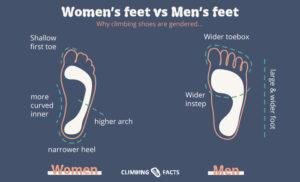
The main difference between mens and womens shoes is the shape and proportions used in the design. Men’s shoes often have a wider forefoot, a broader heel, and a larger overall volume. Women’s shoes often use a narrower heel, a roomier forefoot, and a different balance of cushioning and flexibility.
These are general design patterns, not strict rules. Feet vary widely within every gender. Some men have narrow feet, and some women have wide feet. That is why understanding what’s the difference between mens and womens shoes should begin with your measurements, not just the label on the box.
Shoe brands may also change the fit from one model to another. A women’s running shoe from one company may feel wider than a men’s model from another brand. Materials, shoe shape, purpose, and sizing systems all affect the final fit.
Key Differences in Shoe Design
Width and foot shape
A typical men’s shoe is built on a wider standard last. A last is the mold used to shape a shoe. Men’s models often provide more room through the midfoot and toe box.
Women’s shoes commonly use a narrower heel and a slightly wider forefoot compared with the heel. This shape can suit a foot with a greater difference between forefoot and heel width.
Still, many people do not match these patterns. A woman with a broad heel may prefer a men’s shoe. A man with a narrow heel may feel more secure in a women’s model.
Heel and midfoot fit
The heel counter is the firm part that wraps around the back of the foot. Women’s shoes often have a narrower heel area. This can reduce heel slip for people with slim heels.
Men’s shoes may have a broader heel and more space around the ankle. This can feel better for people with wide feet or larger ankle joints.
A loose heel can cause blisters and poor control. A heel that feels squeezed can create pressure and rubbing. The right fit should hold your heel in place without feeling locked or painful.
Cushioning and foam
Cushioning is not always based on gender alone. It also depends on body weight, running style, walking habits, and the shoe’s intended use.
Some women’s running shoes use softer foam because shoe designers may account for lower average body mass. Some men’s shoes use firmer foam for stability and impact control. However, these are broad trends rather than universal rules.
The best test is simple: walk, jog, or move in the shoe. Your heel should stay stable, your toes should have room to spread, and the foam should feel supportive without feeling hard.
Flexibility and support
Women’s shoes may be designed with a lighter build or more flexibility. Men’s shoes may use a stiffer platform or stronger upper materials. These choices can affect how the shoe bends and how stable it feels.
A flexible shoe can feel natural for walking or casual use. A more stable shoe may help during long work shifts or demanding sports. Neither option is automatically better.
When comparing what’s the difference between mens and womens shoes, think about the job the shoe must do. A trail shoe, dress shoe, basketball shoe, and walking shoe all need different support.
Men’s and Women’s Shoe Size Differences
Men’s and women’s shoe sizes use different scales in the United States. In many brands, a women’s size is about 1.5 sizes higher than the equivalent men’s size. For example, a men’s size 8 may be close to a women’s size 9.5.
This conversion is only a guide. Sizes can change between brands, countries, and shoe types. A size 8 in a narrow dress shoe may not fit like a size 8 in a wide running shoe.
Width letters also differ. Common men’s widths include:
• D for standard width
• 2E for wide
• 4E for extra wide
Common women’s widths include:
• B for standard width
• D for wide
• 2E for extra wide
This means a men’s standard shoe may be wider than a women’s standard shoe. Always check the brand’s size chart before ordering online.
The clearest answer to what’s the difference between mens and womens shoes is that the size number alone does not tell the whole story. Length, width, heel shape, toe shape, and volume all matter.
Are Women’s Shoes Narrower Than Men’s Shoes?
Women’s shoes are often narrower in the heel and midfoot. They may also have a forefoot shape that gives the toes more room compared with the heel. Men’s shoes are often wider overall and may offer more space across the instep.
However, “narrower” does not mean every women’s shoe is narrow. Many brands sell women’s shoes in wide, extra-wide, and narrow widths. The same is true for men’s shoes.
If your toes feel cramped, the shoe may be too narrow. If your heel slides when you walk, the heel area may be too wide. These signs are more useful than the gender label.
A useful fitting method is to trace your foot on paper while standing. Compare the outline with the shoe’s insole when possible. This can show whether the shoe is too short or too narrow before discomfort becomes a problem.
Can Men Wear Women’s Shoes and Can Women Wear Men’s Shoes?
Yes. Anyone can wear any shoe if it fits well and performs properly. Gender labels describe common design targets, not rules about who may wear a product.
A man may choose a women’s shoe because it offers a narrower heel or a preferred color. A woman may choose a men’s shoe because it provides more width, a firmer platform, or a larger size range.
When trying a shoe from another category, focus on these details:
• Length: Leave about a thumb’s width between your longest toe and the front of the shoe.
• Width: Your foot should not bulge over the sole or feel squeezed at the sides.
• Heel hold: Your heel should stay secure without painful rubbing.
• Arch feel: The support should sit under your arch, not press into it.
• Movement: Walk, climb stairs, and bend your foot before buying.
This practical approach explains what’s the difference between mens and womens shoes more accurately than a simple size conversion. Fit and function should guide your choice.
How to Choose the Right Shoe for Your Feet
Measure your feet late in the day
Feet often swell during the day. Measuring in the afternoon or evening can give you a more realistic size.
Measure both feet because one foot is often slightly larger. Choose a shoe that fits the larger foot. Use the socks you plan to wear with the shoes.
Match the shoe to your activity
A walking shoe should bend near the ball of your foot. A running shoe needs space for natural swelling and forward movement. A work shoe may need extra cushioning and slip resistance.
Dress shoes often have less room and less cushioning. If you wear them for several hours, look for a stable heel, soft upper, and enough toe space.
Check the toe box
Your toes should rest naturally. They should not curl, overlap, or press against the top of the shoe.
A wide toe box can help people with bunions, swollen feet, or sensitive toes. It may also improve comfort during long walks. More room is not always better, though. Your foot should not slide inside the shoe.
Try both shoes
Many people have one foot that is larger or shaped differently. Try on both shoes and walk for several minutes.
Do not rely on the idea that shoes will “break in” if they hurt at the start. Soft materials may relax slightly, but a shoe that causes sharp pressure or numbness is usually the wrong shape.
Common Mistakes When Comparing Men’s and Women’s Shoes
One common mistake is choosing a size by number alone. A size conversion can help you start, but it cannot predict the shoe’s width, heel shape, or arch position.
Another mistake is assuming a higher price guarantees a better fit. Premium materials may improve comfort, but a costly shoe can still be wrong for your foot.
People also often buy shoes that are too small. Tight shoes may cause blisters, black toenails, corns, and numbness. Research on footwear and foot health consistently supports choosing enough length and width for natural toe movement.
Avoid these mistakes:
• Shopping only by gender label
• Ignoring width options
• Trying shoes on with the wrong socks
• Buying at the end of a rushed trip
• Assuming pain is normal
• Forgetting that feet can change with age, pregnancy, injury, or weight change
My biggest practical lesson is simple: never judge a shoe by how it looks on the shelf. Walk in it. The foot gives better feedback than the box.
Men’s and Women’s Shoes for Running and Sports
Running shoes often show the clearest design differences. Women’s running shoes may have a narrower heel, softer foam, and a lighter construction. Men’s running shoes may use a wider platform and firmer foam.
These differences can be useful, but they are not universal. A runner’s pace, gait, foot shape, injury history, and personal comfort matter more than the product category.
For sports shoes, look for:
• A secure heel during quick movements
• Enough toe room for swelling
• Stable side support
• Cushioning that matches your preferred feel
• A sole designed for the playing surface
Some people benefit from a women’s model because of its heel shape. Others prefer a men’s model because of its width. This is one reason what’s the difference between mens and womens shoes cannot be answered by saying one type is better.
If you have recurring pain, numbness, or swelling, consult a podiatrist or qualified health professional. Shoe advice can help with fit, but it cannot diagnose an injury or medical condition.
Men’s and Women’s Shoes for Work and Everyday Wear
For daily use, comfort and durability should be the main goals. A good work shoe should support your feet through standing, walking, and repeated movement.
People who stand for long hours may prefer moderate cushioning and a stable sole. People who walk on hard floors may need shock absorption. People who work outdoors may need water resistance, traction, and protective features.
The right everyday shoe should also match your clothing and routine. A casual sneaker may feel comfortable but lack the support needed for a long shift. A formal shoe may look polished but cause pressure if the toe box is too narrow.
When thinking about what’s the difference between mens and womens shoes for work, focus on the shoe’s purpose. Safety, comfort, and fit are more important than the department where the shoe is displayed.
How Shoe Brands Build Gender-Specific Models
Brands often use foot scans, customer data, pressure testing, and wear trials to shape shoe models. They study how people move, where pressure develops, and how materials respond over time.
Yet average data cannot describe every customer. A brand may design a women’s shoe around common measurements, but individual feet can fall outside those averages.
Marketing can also make differences seem larger than they are. Some design changes involve color or style rather than meaningful support. Other changes, such as width and heel shape, may have a direct effect on comfort.
This is why shoppers should read product details with care. Look for width choices, cushioning type, heel-to-toe drop, materials, return rules, and customer fit notes.
Frequently Asked Questions About What’s the Difference Between Mens and Womens Shoes
Are men’s shoes wider than women’s shoes?
Men’s shoes are often wider overall, especially through the midfoot and heel. However, width varies by brand, model, and available size options, so always check the fit rather than relying on the label.
Can a woman wear men’s running shoes?
Yes, a woman can wear men’s running shoes if the length, width, heel, and cushioning feel right. Men’s models may work well for women who need a wider fit or firmer platform.
Can a man wear women’s shoes?
Yes, a man can wear women’s shoes when the shoe provides enough length and width. Women’s models may suit men with narrow heels or a preference for a lighter, more flexible design.
Is a women’s shoe size the same as a men’s shoe size?
No, US men’s and women’s shoe sizes use different scales. A common starting point is to subtract about 1.5 sizes when converting from a women’s size to a men’s size, but brand charts are more reliable.
Why do my shoes hurt even when the size seems correct?
The shoe may have the wrong width, heel shape, toe box, or arch position. A correct length does not guarantee a correct fit, so try another model or width if pain continues.
Do women’s shoes have different arch support?
They may, but there is no universal rule. Arch support depends more on the brand, shoe purpose, foot shape, and design than on the gender category.
Should I buy shoes that feel tight if they look stylish?
No. Shoes should feel comfortable when you try them on, with enough room for your toes to move. Tight shoes can lead to rubbing, blisters, and long-term foot problems.
Conclusion
The answer to what’s the difference between mens and womens shoes comes down to common design patterns in width, heel shape, cushioning, support, and sizing. Men’s shoes are often wider, while women’s shoes often have a narrower heel and different forefoot proportions. These patterns can help you shop, but they should never replace an individual fit check.
Measure both feet, try on both shoes, walk in them, and choose the model that supports your real needs. Do not let a gender label keep you from a more comfortable option. Explore different widths and designs, and share your own shoe-fitting experience in the comments.
Madison Clark is a footwear expert and the voice behind MyStyleGrid.com. She specializes in honest shoe reviews, style tips, and practical guides to help readers find the perfect pair for any occasion. With years of experience in blogging and content creation, Madison makes footwear knowledge simple, stylish, and easy to follow.