People wear shoes in the house for comfort, habit, protection, culture, and the need to move quickly.
The question of why do people wear shoes in the house has no single answer. It often depends on climate, flooring, health needs, family rules, culture, and personal comfort. This guide explains the main reasons, the benefits and risks, and how to create a shoe routine that works for your home.

Why do people wear shoes in the house?
People wear shoes indoors for many practical and personal reasons. For some, shoes are part of getting dressed. For others, shoes protect their feet, support their body, or help them feel ready for the day.
Here are the most common reasons why do people wear shoes in the house:
• Habit: Many people grew up in homes where shoes stayed on.
• Comfort: Some shoes feel better than hard floors or thin socks.
• Foot support: Supportive footwear may reduce pain from flat feet, plantar fasciitis, arthritis, or injuries.
• Protection: Shoes guard feet from sharp objects, spills, hot surfaces, and pet toys.
• Cleanliness concerns: Some people dislike walking barefoot on floors.
• Cold weather: Shoes or slippers help keep feet warm.
• Quick tasks: People may keep shoes on when they plan to go outside again soon.
• Cultural custom: In some families and regions, wearing shoes indoors is normal.
• Work needs: People who work from home may wear shoes to stay focused and feel professional.
• Safety: Older adults may wear stable shoes to reduce slips on smooth floors.
In simple terms, shoes can act like a personal layer of clothing for the feet. They provide support and protection, but they can also bring dirt and germs indoors.
Comfort and personal habit
Habit is one of the strongest answers to why do people wear shoes in the house. If a person has worn shoes indoors since childhood, keeping them on may feel normal. Removing them can feel unusual, incomplete, or even uncomfortable.
A familiar routine can also affect mood. Putting on shoes may signal that the day has started. It can help a person move from sleep time to work time, especially when working from home. The shoes become a small mental cue, much like making coffee or opening a laptop.
Some people also feel more comfortable with covered feet. They may dislike cold floors, dust, crumbs, or the feeling of bare feet. Others may feel self-conscious about their feet and prefer to keep them covered when guests visit.
In my experience, the best home routines are often simple ones. People follow them when the rule feels easy, not when it feels strict. A small basket near the door can make changing shoes much easier than asking everyone to remember a rule from across the house.

Foot support and health needs
Health is another major reason why do people wear shoes in the house. Bare feet are not comfortable for everyone. Some people need firm support to walk without pain or strain.
Indoor footwear may help people with:
• Plantar fasciitis
• Flat feet
• High arches
• Arthritis
• Diabetes-related foot concerns
• Balance problems
• recovery after foot or leg surgery
• Knee, hip, or back pain
A supportive shoe can spread pressure across the foot. It may also improve stability on hard floors. However, the right shoe matters. A worn-out shoe, loose sandal, or slippery slipper may create more risk than walking barefoot.
People with diabetes should take foot care seriously. Small cuts or pressure spots can become serious problems when sensation or circulation is reduced. Health professionals often recommend checking the feet each day and using well-fitting footwear when needed.
Shoes are not a cure for foot pain. If pain continues, becomes severe, or changes the way a person walks, a podiatrist or other qualified health professional can help identify the cause.
Protection from injuries and household hazards
Many people wear shoes indoors because homes contain more hazards than we notice. A dropped glass, a sharp toy, a nail, or a hot spill can injure an unprotected foot.
Shoes may also help during common tasks such as:
• Cooking near hot pans
• Moving furniture
• Repairing appliances
• Cleaning with strong products
• Walking through a garage or workshop
• Carrying boxes
• Caring for pets
• Using a treadmill or exercise machine
This does not mean every indoor shoe is safe. Flip-flops, loose slippers, and shoes with smooth soles can cause trips. Shoes with good grip, a secure fit, and enough room for the toes offer better protection.
A useful rule is to match footwear to the task. Soft slippers may be fine for reading on the couch. A firm, closed shoe is safer for carrying laundry down stairs or working in a garage.
Culture, family rules, and social expectations
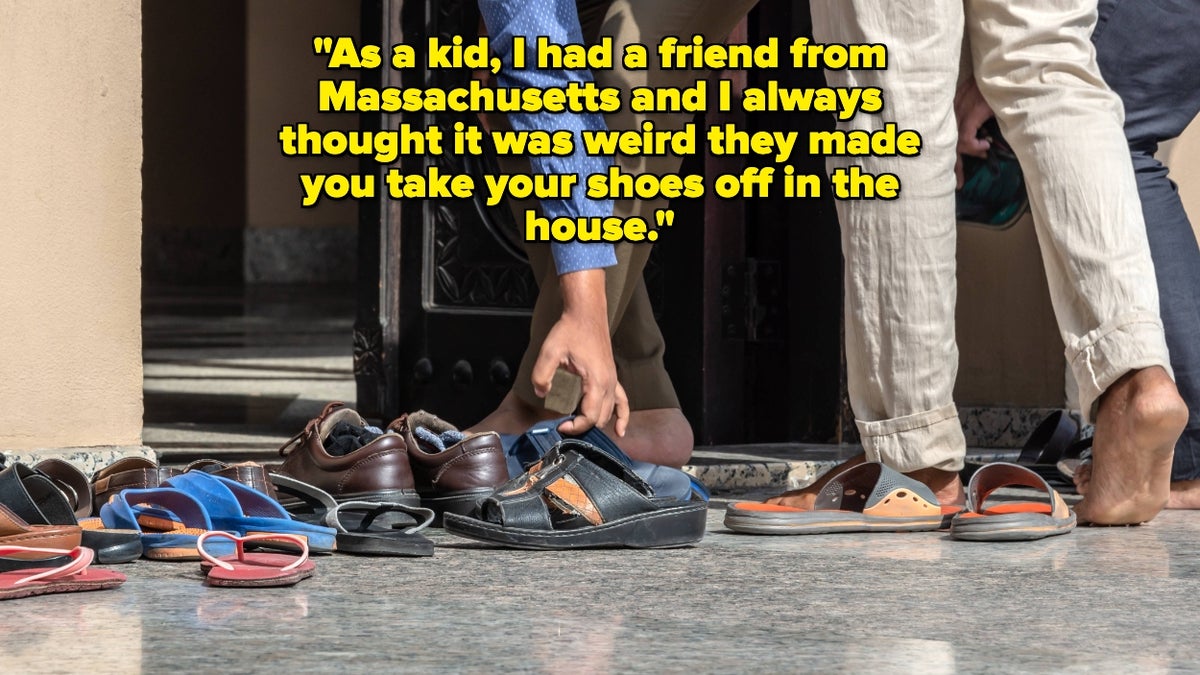
Culture strongly shapes why do people wear shoes in the house. In many homes in the United States, people remove shoes at the door. In other families, shoes stay on unless they are muddy or wet.
Neither custom is automatically right for every home. Shoe rules can reflect climate, religion, family history, flooring, and social expectations. A guest may keep shoes on because that is polite in their culture. Another guest may remove them because they were taught that indoor shoes are disrespectful.
The kindest approach is to make the rule clear without making guests feel embarrassed. A host can say, “We usually remove outdoor shoes here. We have clean slippers if you would like a pair.” This gives the guest a choice and explains the reason.
In some cultures, removing shoes also shows respect for a private or sacred space. In others, asking someone to remove shoes may feel too personal. Good communication matters more than enforcing a rigid rule.
Cleanliness, germs, and outdoor chemicals
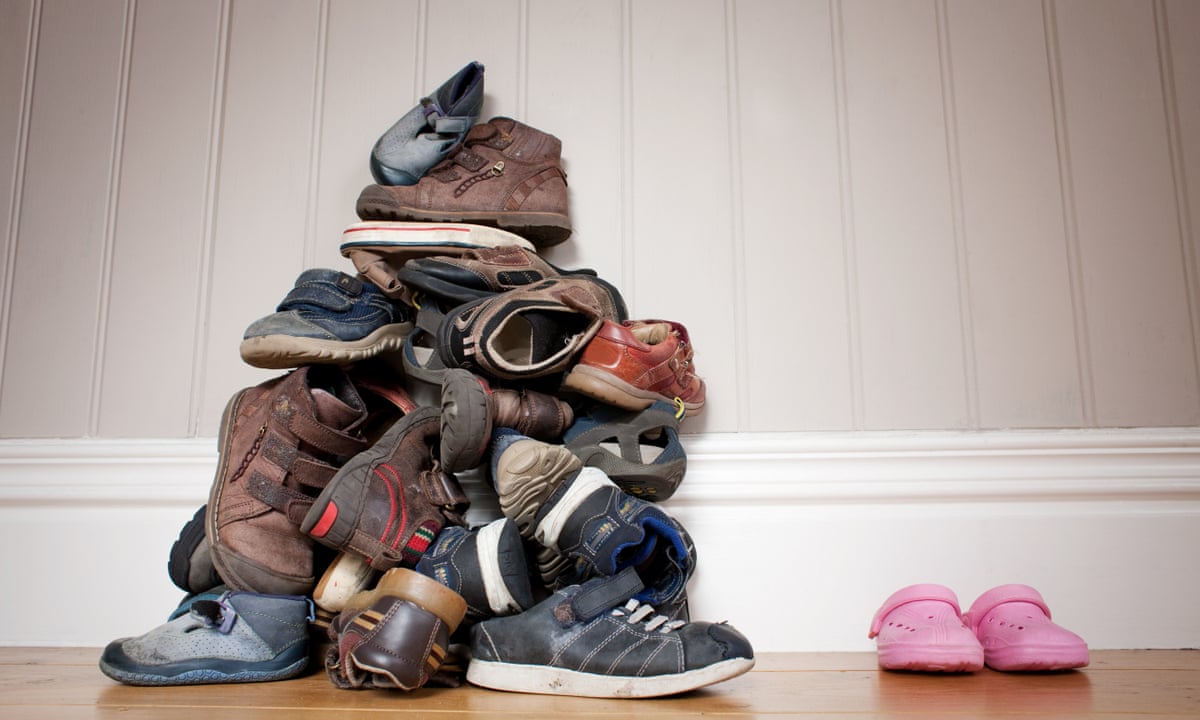
Outdoor shoes can carry soil, animal waste, road dust, and other material into the home. Research has found that shoe soles can collect bacteria from sidewalks, public restrooms, yards, and other surfaces.
Shoes may also track in chemicals. Lawn treatments, vehicle fluids, dust, and air pollution can cling to the sole. These substances can spread across floors and may be picked up by children or pets who spend time close to the ground.
Still, the health risk varies. A clean, dry home with regular floor care is different from a home near construction, a farm, or a busy street. Shoe contamination is also only one part of household hygiene. Handwashing, food safety, and cleaning high-touch surfaces remain important.
Removing outdoor shoes can reduce what enters the home. It does not make a house germ-free. A balanced routine works best:
• Leave outdoor shoes near the entrance.
• Use indoor-only shoes or slippers.
• Wash hands after handling dirty footwear.
• Clean hard floors on a regular schedule.
• Wipe pet paws after walks when needed.
• Keep shoes away from food preparation areas.
Why do people wear shoes in the house during cold weather?
Cold floors are a simple but powerful reason why do people wear shoes in the house. Tile, concrete, and some wood floors can feel cold, especially in winter. Shoes, socks, and slippers help reduce heat loss from the feet.
Warm footwear can also make a room feel more comfortable without raising the thermostat. Many people choose slippers, wool socks, or insulated house shoes for this reason.
However, warmth should not come at the cost of safety. Thick socks on smooth floors may increase the risk of slipping. Choose slippers with a firm sole and good traction, especially on stairs or polished flooring.
Moisture also matters. Wet shoes can damage wood floors and create slip hazards. Use a mat near the door and let wet footwear dry in a ventilated place.

Why do people wear shoes in the house while working from home?
Working from home has changed how many people dress indoors. Some wear shoes because footwear helps them feel alert, organized, and ready for work.
This is a form of routine setting. A person may shower, dress, put on shoes, and begin work at the same time each day. The routine creates a clear line between personal time and work time. For some people, that improves focus.
Others find shoes distracting or uncomfortable during long periods of sitting. They may prefer socks, slippers, or bare feet. There is no universal rule.
If you work from home, choose what supports good posture and comfort. If you stand at a desk, use stable footwear with enough cushioning. If you sit most of the day, avoid tight shoes that restrict circulation.

The benefits of wearing shoes indoors
Wearing shoes inside can offer real benefits when the footwear is clean, comfortable, and suited to the home.
Foot support
A well-fitting indoor shoe may reduce strain on the feet and legs. This can be helpful on hard floors or for people with existing foot problems.
Injury prevention
Shoes protect against sharp objects, hot surfaces, falling items, and rough flooring. Closed shoes provide more protection than thin slippers.
Better traction
Shoes with rubber soles may improve grip on smooth floors. This is especially useful for older adults and people with balance concerns.
Warmth
Indoor shoes help keep feet warm in cold homes. Warm feet may also make the whole body feel more comfortable.
Easier movement
People who move between rooms, stairs, garages, and outdoor areas may find shoes more practical than constantly changing footwear.
A clean pair of indoor shoes often provides these benefits without bringing outdoor dirt into the home.
The drawbacks of wearing outdoor shoes indoors
The main concern is not footwear itself. It is outdoor footwear that carries dirt, moisture, chemicals, and microbes across the floor.
Potential drawbacks include:
• More dirt and dust on floors
• Greater cleaning demands
• Stains and moisture damage
• More exposure to outdoor chemicals
• Increased risk of slipping when soles are wet
• Possible contact with germs from public spaces
• More wear on carpets and rugs
• Pet and child exposure to floor contaminants
The risk is higher in homes with crawling babies, pets, allergies, or people with weakened immune systems. These households may benefit from a stronger no-outdoor-shoes policy.
Even then, the evidence does not support panic. Shoes are not the only way contaminants enter a home. Bags, hands, clothing, packages, and pets can also carry dirt. A shoe-free policy is a useful layer of cleanliness, not a replacement for normal hygiene.
Is it better to remove shoes at home?
For many households, removing outdoor shoes is a practical way to keep floors cleaner. It can lower the amount of soil and outdoor material brought inside, especially during rainy, snowy, or muddy seasons.
A shoe-free home may be especially helpful when:
• Babies crawl on the floor.
• Pets spend time close to the ground.
• Someone has severe allergies.
• The home has wall-to-wall carpet.
• Residents use a wheelchair or spend much of the day near floor level.
• The entrance is near a busy road or construction area.
• Snow, salt, or mud is common outdoors.
Yet removing shoes is not comfortable or safe for everyone. People with foot pain, balance problems, or medical needs may require supportive footwear. A better solution may be indoor-only shoes rather than walking barefoot.
The goal is not to follow a perfect rule. The goal is to reduce unnecessary dirt while keeping every person safe and comfortable.
How to create a practical indoor shoe policy
A good shoe policy should be clear, polite, and easy to follow. Strict rules often fail when the home lacks a place to store shoes or offer alternatives.
Try these steps:
-
Place a durable mat outside and inside the main entrance.
-
Add a bench or chair so people can sit while changing shoes.
-
Use a basket, shelf, or cabinet for everyday footwear.
-
Keep clean slippers or indoor shoes near the door.
-
Label indoor-only footwear if several people live in the home.
-
Explain the rule to guests in a friendly way.
-
Keep disposable shoe covers available for workers or visitors.
-
Clean the entry area often during wet or muddy weather.
-
Wash or replace slippers when they become dirty or worn.
-
Check soles for damage, poor grip, or trapped debris.
One mistake I often see is creating a rule without creating a system. If shoes have nowhere to go, they quickly spread across the hallway. Storage turns a good intention into a habit.
Choosing the right shoes for indoor use
Indoor shoes should be comfortable, stable, and clean. The best choice depends on the person and the home.
Look for:
• A secure fit that does not slide off
• A sole with reliable traction
• Enough room for the toes
• Breathable material
• Light cushioning
• A heel that feels stable
• Easy cleaning
Avoid footwear that is badly worn, loose, or slippery. Also avoid walking in socks on smooth stairs if you are at risk of falling.
For children, check shoe size often. Feet grow quickly, and tight shoes can cause discomfort. For older adults, stable shoes with firm soles may be safer than soft, loose slippers.
People with diabetes, severe foot pain, or balance issues should ask a qualified health professional what type of footwear fits their needs.
What experts say about indoor footwear and hygiene
Public health guidance generally supports reducing contact with dirt and contaminants while using normal cleaning and hand hygiene. Studies of household surfaces show that microbes can enter through many routes, including shoes, hands, pets, food, and objects.
This means the answer to why do people wear shoes in the house should include both comfort and risk. Shoes may help one person walk safely while creating more cleaning work for another household.
The research also has limits. Studies may examine specific homes, locations, or types of bacteria. Finding bacteria on a shoe does not always mean a person will become sick. The actual risk depends on the germ, amount, route of exposure, and health of the person exposed.
A sensible approach is to use context. Remove outdoor shoes when they are wet, muddy, or visibly dirty. Use clean indoor footwear when support or protection is needed. Clean floors and wash hands as part of a broader hygiene routine.
Common mistakes to avoid
Many shoe habits create problems even when the goal is comfort or cleanliness.
Wearing the same shoes everywhere
Outdoor shoes can carry material from sidewalks, public restrooms, garages, and yards. Keep a separate pair for indoor use when possible.
Using worn-out slippers
A smooth sole may slide on tile or wood. Replace slippers when the tread is gone or the heel no longer feels stable.
Ignoring wet footwear
Wet shoes can damage floors and spread moisture. Dry them near the entrance, but avoid placing damp shoes in a closed cabinet.
Making guests feel uncomfortable
A sudden demand can feel awkward. Offer a clear reason and a clean alternative.
Walking barefoot despite pain
Bare feet are not always healthier. If hard floors cause pain, supportive indoor footwear may be the better choice.
Forgetting children and pets
Young children and pets spend more time near the floor. Keep muddy shoes away from play areas and food bowls.
Frequently Asked Questions
Why do people wear shoes in the house instead of going barefoot?
People may wear shoes indoors for support, warmth, protection, comfort, or habit. Some also need stable footwear because of foot pain, balance issues, or medical conditions.
Is wearing shoes in the house unhealthy?
It is not automatically unhealthy, but outdoor shoes can bring in dirt, moisture, chemicals, and germs. Clean indoor shoes can provide support while reducing the material tracked inside.
Do shoes bring germs into the house?
Shoe soles can carry bacteria and other contaminants from outdoor surfaces. However, the level of health risk depends on the type of contaminant, the home environment, and a person’s health.
Should people with babies remove their shoes indoors?
Removing outdoor shoes can reduce dirt on floors where babies crawl and play. Families should also clean floors regularly and wash hands after coming indoors.
Are slippers better than outdoor shoes?
Slippers can be better when they are clean, secure, and used only indoors. Choose slippers with good grip and replace them when they become worn or slippery.
Can wearing shoes indoors cause foot pain?
The wrong shoes can worsen foot pain, especially when they are tight, flat, worn, or poorly fitted. Supportive footwear may help some people, but ongoing pain should be assessed by a health professional.
Is it rude to ask guests to remove their shoes?
It depends on the guest’s culture and expectations, but a polite request is usually acceptable. Offer indoor slippers or clean socks so guests have a comfortable option.
Conclusion
Why do people wear shoes in the house? The reasons include habit, warmth, support, protection, culture, and convenience. Indoor shoes can help people walk safely, but outdoor shoes may bring dirt and contaminants across the floor.
The most practical choice is often a flexible one: remove wet or dirty outdoor shoes, keep clean indoor footwear available, and respect medical needs. Set up a shoe station, offer guests a comfortable option, and choose footwear with good support and grip.
Take a look at your own entryway today and make one small change. Share your household shoe rule in the comments, or explore more home health and comfort guides for practical ideas.

Rubel Miah is the Senior Editor at MyStyleGrid.com, where he brings a sharp editorial eye and an unshakable love for fashion to everything he does. A true style addict, Rubel lives and breathes trends, from streetwear to high fashion, and has a knack for turning inspiration into impactful stories. With years of experience in fashion journalism and digital media, he curates content that empowers readers to express themselves through style. When he’s not editing features or forecasting the next big thing, you’ll find him hunting down vintage pieces or capturing street style moments around the city.