The best house shoes for neuropathy combine a roomy fit, soft support, grip, and easy adjustment for safer comfort.
You may know the feeling: your feet tingle, burn, or feel numb after a long day, yet you still need to walk around the kitchen or get the mail. Hard floors can make every step feel sharp and uncertain. The right house shoe acts like a soft buffer between your feet and the floor. I looked for wide shapes, low-pressure uppers, stable soles, useful support, and simple closures. These picks can help make indoor steps more comfortable, but no shoe can treat nerve damage. If you have diabetes, wounds, major swelling, or balance trouble, ask a foot-care professional before changing footwear.

Scurtain Mens Walking Shoes Wide…
〓 Comfy wide width Shoes: Designed with upgraded wide toe box, these barefoot-inspired shoes keep your toes in their natural shape without being squeezed. This design helps to alleviate common…

Scurtain Womens Casual Walking Shoes…
〓 Comfy wide width Shoes: Upgraded wide toe design keeps your toes in their natural shape without being squeezed. This design helps to alleviate common foot problems like bunion, swollen…

relxfeet Men’s Diabetic Slippers Wide…
Roomy Comfort for Wide, Sensitive Feet: The wide toe area gives toes more space to spread and helps reduce the squeezed feeling of ordinary slippers. The soft, forgiving fit is…
When I review house shoes for neuropathy, I focus on comfort and safety first. A soft lining sounds nice, but it does not matter if the shoe squeezes the toes or slips on smooth tile. Neuropathy can reduce normal feeling in the feet. That means a small rub, hot spot, or tight seam may go unnoticed for too long. A good pair should make foot checks easy and should not create new pressure points.
I also look at the sole. Indoor footwear needs enough grip for wood, tile, and vinyl floors. At the same time, a sole that feels stiff or heavy may make walking harder. The best balance is a flexible sole with a clear tread pattern and a stable base. Since many people with neuropathy also deal with edema or changing foot size, an adjustable strap can be more useful than a fixed slip-on design.
Fit matters more than the number printed inside the shoe. Measure both feet near the end of the day, when swelling may be greatest. Leave a little space in front of the longest toe, but do not buy a shoe so large that your heel slides. Try the shoes with the socks you normally wear. Walk on a clean indoor floor and check for rubbing before wearing them outside.
What Makes the Best House Shoes for Neuropathy?
The best house shoes for neuropathy should support comfort without hiding problems. Here are the features I consider most important.
A wide, deep toe box
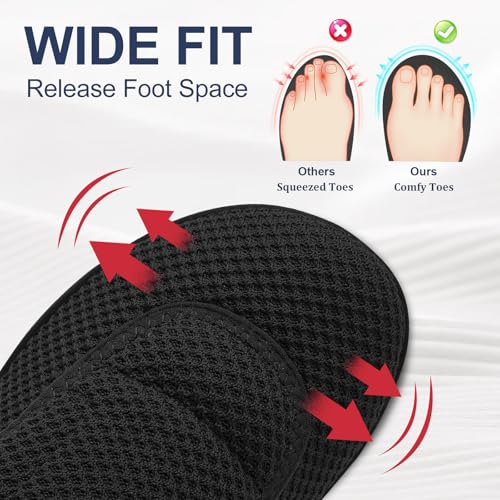
Your toes need room to spread and move. A narrow front can place pressure on the toes, nails, and joints. A deep toe box also helps if you wear cushioned socks or use a custom insert. “Wide” can vary by brand, so always check the size chart and customer feedback.
Soft, smooth materials
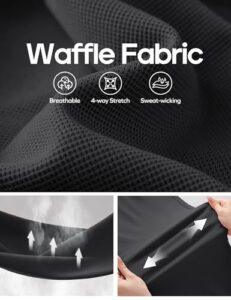
A soft upper can reduce rubbing. Look for smooth fabric, flexible mesh, or cushioned textile. Avoid rough seams that sit over the toes or the top of the foot. A padded collar can help, but excessive padding may take up useful room.
Adjustable closure
A hook-and-loop strap is helpful when feet swell during the day. It also lets you set the fit without forcing the foot into a tight opening. Elastic may feel easy, but it offers less control. For severe swelling, choose a design that opens wide.
A stable, non-slip outsole
A grippy rubber or rubber-like outsole can improve traction on common indoor floors. Still, no tread works on every wet surface. Keep floors dry, remove loose rugs, and use handrails where needed. Shoes can lower risk, but they cannot replace fall-prevention habits.
Mild support and cushioning
A cushioned footbed can soften impact. Light arch support may also feel good for people who stand for long periods. However, more support is not always better. A very firm arch can create pressure under the foot, especially when sensation is reduced.
A secure heel
A heel that stays in place helps prevent shuffling. Backless slippers are easy to put on, but they can slide off during turns or stairs. If balance is a concern, a closed heel or a secure strap may be the safer choice.
A washable or easy-care design
Feet sweat, and indoor shoes collect dust. A washable upper can make regular cleaning easier. Follow the care directions. Heat from a dryer may warp the sole or shrink the upper.
The products below serve different needs. Some are wide and adjustable. Some feel more like everyday walking shoes. Others focus on cozy indoor use. I do not treat “diabetic” or “orthopedic” in a product name as a medical guarantee. Those words describe the intended design, not a promise of safety or treatment.
Scurtain Men’s Wide Diabetic Walking Shoes

This Scurtain pair is built for men who want a roomy shoe that can move from the living room to short outdoor walks. The wide shape and adjustable upper are useful for swollen feet, thick socks, or feet that change size during the day. The breathable design may feel less stuffy than a fully closed slipper. I also like that it looks more like a walking shoe than a loose bedroom slipper.
The key benefit is flexibility in fit. You can open the closure wider when your feet feel tender, then secure it for a steadier walk. The sole is designed for indoor and outdoor use, so you do not need to change shoes for every quick task. Still, check the fit around the heel and inspect your skin after the first few wears. A roomy shoe should feel secure, not sloppy.
Pros:
- Wide shape gives toes more room
- Adjustable fit helps with swelling
- Breathable upper supports daily comfort
- Works indoors and for short outdoor trips
- Walking-shoe style offers a more secure feel than a backless slipper
- Useful for men who wear thicker socks
Cons:
- The roomy fit may feel too loose on narrow feet
- It may offer more coverage than some users want in a summer slipper
- Users should confirm the size chart before ordering
Scurtain Women’s Wide Barefoot Walking Shoes

This women’s Scurtain model targets shoppers who prefer a light, roomy shoe with a natural feel. Its wide barefoot-style shape can give the forefoot more space than a pointed casual shoe. The light color and simple design work well with home clothes, scrubs, or casual outfits. It is also a practical pick for people who want a house shoe that can handle brief errands.
The low-profile design may appeal to users who dislike a tall heel or bulky midsole. A flexible upper can move with the foot rather than pressing hard across it. The non-slip intent is helpful, but I would still test traction on your own floor because surfaces differ. If you need strong arch support, compare this style with a more structured orthopedic slipper before deciding.
Pros:
- Wide front gives the toes room to spread
- Light design feels easy for daily indoor wear
- Low-profile shape may suit people who dislike raised heels
- Can work as a house shoe and casual walking shoe
- Simple look fits many types of clothing
- May suit people with mild swelling or sensitive forefeet
Cons:
- Barefoot-style shoes may feel too minimal for some users
- People seeking firm arch support may want a different design
- White fabric may show dirt faster
relxfeet Men’s Wide Adjustable Diabetic Slippers

The relxfeet men’s slipper is a straightforward choice for users who want a soft house shoe with an adjustable fit. The wide profile can help reduce pressure across the forefoot. Its all-black color looks neat and hides small marks from everyday use. This is the type of slipper I would consider for someone who spends many hours at home and wants easy entry.
The adjustable closure is the main reason to consider this model. It can accommodate some day-to-day changes in foot volume better than a fixed opening. The broad design may also help users who need extra room for sensitive toes. As with any slipper, make sure the heel stays in place and that the footbed does not create a new hot spot.
Pros:
- Wide construction helps reduce side pressure
- Adjustable closure allows a more personal fit
- All-black finish is easy to match and maintain
- Easy entry suits people with limited bending ability
- Comfortable house-slipper format for daily indoor use
- May work well with light socks
Cons:
- It may not provide enough structure for long outdoor walks
- Adjustable straps can require occasional refitting
- People with very narrow feet may find the shape too broad
Wide Women’s Zero-Drop Neuropathy Shoes

This women’s wide shoe is aimed at users who like a zero-drop or barefoot-style platform. The heel and forefoot sit at a similar level, which can feel natural to people who dislike a raised heel. The spacious shape is useful for toes that need room or feet that swell. It can serve as indoor footwear, but the best use depends on your comfort and walking habits.
Zero-drop footwear is not automatically right for every foot. Some people enjoy the level platform, while others need more cushioning or a shaped arch. If you usually wear supportive shoes, transition slowly instead of wearing this pair all day at once. I would choose it for a user who values a broad toe area and a low, flexible feel more than plush padding.
Pros:
- Wide shape supports a less cramped toe position
- Zero-drop platform may feel natural to some walkers
- Barefoot style can feel light and flexible
- Useful for people who dislike elevated heels
- Room may help accommodate mild edema
- Can be used as a casual indoor and outdoor shoe
Cons:
- Minimal designs may not suit people who need thick cushioning
- Zero-drop shoes may require a gradual adjustment period
- May not replace a prescribed orthotic or medical shoe
VeraCosy Men’s Cozy Two-Tone House Slippers

The VeraCosy two-tone slipper is the cozy option in this group. Its soft indoor style may feel inviting on cool mornings or hard floors. The gray color has a classic look, and the slipper shape is easy to pair with pajamas or lounge clothes. For someone with mild foot sensitivity, warmth and a soft feel can make home walking more pleasant.
I would place this model higher for comfort than for severe swelling or major balance problems. A cozy upper can feel nice, but warmth should never make the foot sweaty or hide skin changes. Check the inside for folds and inspect your feet after use. If you need a very wide opening, strong adjustment, or a secure heel, one of the diabetic-style models may be a better match.
Pros:
- Cozy style suits cold indoor floors
- Classic two-tone design looks polished
- Easy to use around the home
- Comfort-focused shape may suit mild sensitivity
- Good option for lounging and short indoor trips
- Neutral gray color hides light daily wear
Cons:
- May not offer the adjustability needed for swollen feet
- Cozy lining can feel warm in hot weather
- Users with balance concerns may prefer a more secure shoe
BARERUN Women’s Wide Washable House Shoes

BARERUN makes this house shoe for people who need a broad, easy-to-wear fit. The wide opening is especially useful when feet feel puffy or tender. The washable design is a practical touch for daily indoor wear, since clean footwear helps keep the foot environment fresh. Its black finish also works well for users who want a simple, low-key look.
This is one of the more appealing choices for people who want a true house shoe rather than a regular sneaker. The slip-on format reduces the need to bend down, though you still need to confirm that it holds the heel securely. The generous shape may be comfortable with socks, but narrow feet may need careful sizing. I would also allow the shoe to dry fully after washing before wearing it again.
Pros:
- Wide opening helps with swollen feet
- Washable design supports easier cleaning
- Slip-on format is convenient at home
- Black color is simple and practical
- Roomy shape can accommodate sensitive toes
- Suitable for users who want lightweight indoor footwear
Cons:
- Slip-on designs may feel less secure than strapped shoes
- Very narrow feet may not get a snug fit
- Air-drying after washing may take time
Litfun Women’s Orthopedic Arch Support Slippers
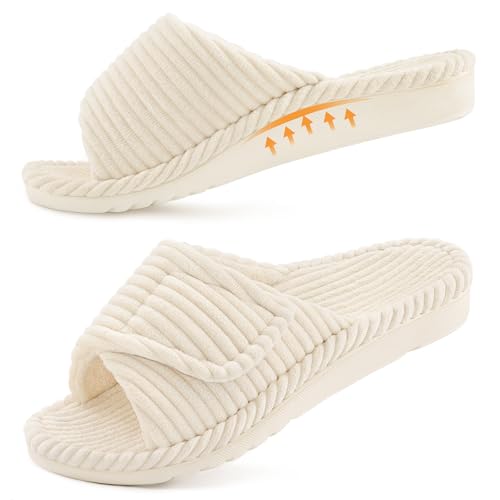
The Litfun slipper takes a more supportive approach. It is designed for women who want arch support in a comfortable house shoe. That added structure may help people who feel tired after standing at the sink, cooking, or doing chores. The slipper format keeps it easy to use for normal indoor routines.
Arch support is personal, so I would not assume a raised or firm area will suit every user with neuropathy. Try it for short periods and check the sole of the foot for pressure or redness. If the arch feels like a lump, stop using it and reassess the fit. For the right foot, this model can feel more stable than a flat, unstructured slipper.
Pros:
- Arch support may help reduce standing fatigue
- Comfortable house-shoe format is easy to wear
- More structure than a basic flat slipper
- Useful for indoor chores and light daily activity
- May appeal to users who prefer a supported footbed
- Designed with women’s casual home wear in mind
Cons:
- The arch shape may not suit every foot
- It may feel too structured for barefoot-style fans
- Users with significant swelling should confirm the opening and width
My Recommendation
After comparing these models, I would choose based on the foot problem rather than the product label. The Scurtain men’s walking shoe is a strong choice for a man who needs wide, adjustable footwear for home and short outdoor use. The Scurtain women’s model fits users who want a light, low-profile shoe with a roomy toe area. The relxfeet slipper is a practical pick for men who need a broad adjustable house slipper.
The wide women’s zero-drop shoe suits people who like a flat, natural platform and can adjust slowly. VeraCosy is best for mild sensitivity and cozy indoor comfort. BARERUN stands out for wide, washable convenience, especially when swelling changes the fit. Litfun is the better match for women who want noticeable arch support. In my view, the best house shoes for neuropathy are the ones that stay secure, leave no pressure marks, and let you check your feet with ease.
| Best for | Why |
|---|---|
| Swollen or changing-size feet | Wide, adjustable designs can offer more room and fit control |
| Light indoor comfort | Cozy slippers feel soft for normal home use |
| Arch or standing support | A structured footbed may feel steadier during chores |
Before buying, inspect the shoe when it arrives. Run your hand inside and feel for rough seams, hard bumps, or loose material. Put it on while seated, then walk slowly in a clear area. Look at your feet after 15 to 30 minutes. If you see redness that does not fade, feel pressure, or notice rubbing, return the shoe rather than hoping it will break in.
A simple foot-care routine adds value to any pair. Check the tops, bottoms, heels, and spaces between the toes each day. Keep the skin clean and dry, and do not walk barefoot if you have reduced sensation. Trim nails with care, and ask a clinician about cuts, blisters, color changes, or swelling that does not improve. Good footwear is one layer of protection, not a substitute for medical care.
I also recommend rotating two pairs when possible. Rotation gives each pair time to air out and lets you notice whether one shoe causes more pressure. Keep a pair near the bed if nighttime walking is common. Use lights in halls and bathrooms. A grippy sole helps, but a clear path and steady handhold matter just as much.
Size is another area where online buyers need patience. Product sizing can vary by width, lining thickness, and intended sock use. Read recent buyer comments for clues about length, stretch, and heel movement. If one foot is larger, fit the larger foot first. Do not force a swollen foot into a shoe simply because the length is correct.
The word “orthopedic” can also confuse shoppers. It often means the shoe has a comfort feature, such as a roomy shape, support, or a flexible sole. It does not mean a podiatrist has approved the shoe for your specific condition. If you use an ankle brace, custom orthotic, or prescribed diabetic footwear, measure with that item and ask your care team for guidance.
For people with diabetes, daily checks are especially important. Reduced feeling can make a small injury easy to miss. A shoe that feels comfortable at first may still create pressure after several hours. I prefer short test periods, clean socks, and a careful look at the skin after each trial. This cautious approach may feel slow, but it is far safer than waiting for pain to warn you.
A good house shoe should also match your home. Smooth tile calls for dependable traction. Thick carpet may need a flexible sole that does not catch. If you use stairs, choose a secure heel and avoid loose backless slippers. If you often step outside, select a sole that can handle the transition while still feeling light indoors.
The best house shoes for neuropathy do not need to look medical. Many people want comfort without a bulky appearance, and that is reasonable. The Scurtain walking styles look more like casual shoes, while VeraCosy and BARERUN look more like classic house slippers. Your favorite pair is more likely to get used when it fits your routine and personal style.
FAQs Of best house shoes for neuropathy
What should I look for in the best house shoes for neuropathy?
Look for a wide toe box, soft inner materials, a stable non-slip sole, and a secure fit. Adjustable straps help when swelling changes during the day. Check the shoe for seams or stiff areas that may rub the skin.
Are slippers safe for people with neuropathy?
Some slippers can be safe, but loose backless styles may slide during walking. Choose a slipper with good traction and a secure heel when balance is a concern. Never rely on a slipper to protect a foot from heat, sharp objects, or poor flooring.
Should house shoes for neuropathy have arch support?
Arch support can feel helpful if your feet become tired while standing. However, firm support may create pressure for another person. Try the shoe for a short time and check for redness or sore spots.
Can I wear neuropathy house shoes outside?
Some walking-style models can handle short outdoor trips, but check the outsole and product care instructions first. Keep indoor slippers indoors if they lack enough traction or protection. Outdoor use can also bring dirt and moisture into the home.
How often should I replace house shoes?
Replace them when the tread wears smooth, the footbed collapses, the heel becomes loose, or the upper develops rough spots. Check them often because reduced sensation may hide wear. A worn sole can increase slip risk even when the shoe still looks comfortable.
Final Verdict: Which Should You Buy?
For most shoppers, the Scurtain wide adjustable walking shoes offer the best mix of room, fit control, and indoor-outdoor use. BARERUN is a close choice for washable wide comfort, while Litfun suits users who want arch support.
The best house shoes for neuropathy should feel secure, never rub, and match your swelling, balance, and support needs. Start slowly, inspect your feet often, and choose comfort backed by careful fit.

Madison Clark is a footwear expert and the voice behind MyStyleGrid.com. She specializes in honest shoe reviews, style tips, and practical guides to help readers find the perfect pair for any occasion. With years of experience in blogging and content creation, Madison makes footwear knowledge simple, stylish, and easy to follow.