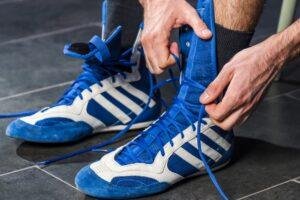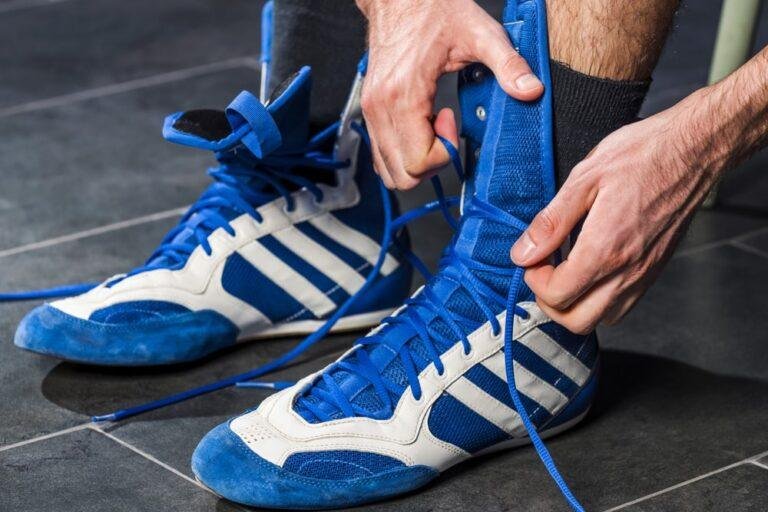
No, boxing shoes and wrestling shoes are not the same, though they share several useful design features.
The question “are boxing shoes the same as wrestling shoes” matters because both shoes are light, flexible, and built for fast footwork. Yet their soles, grip patterns, ankle support, and sport-specific goals differ. This guide explains those differences, shows when one shoe may work as a substitute, and helps you choose the safer option for training or competition.

Are Boxing Shoes the Same as Wrestling Shoes?
Boxing shoes and wrestling shoes are similar, but they are not identical. Both give you a close-to-the-mat feel, support quick movement, and reduce the weight around your feet. That shared design can make them look almost the same at first glance.
The main difference is purpose. Boxing shoes help you move, pivot, and push off while standing. Wrestling shoes help you grip the mat, change levels, shoot, sprawl, and scramble from many positions.
Here is the simplest comparison:
| Feature | Boxing shoes | Wrestling shoes |
|---|---|---|
| Main use | Boxing ring movement | Wrestling mat movement |
| Sole design | Smooth or lightly patterned | Stronger mat grip |
| Typical support | Lateral and ankle support | Flexible ankle and foot control |
| Movement focus | Pivots, slides, and stance changes | Level changes, shots, sprawls, and scrambles |
| Best surface | Boxing ring canvas | Wrestling mat |
| Use outside sport | Limited | Limited |
So, are boxing shoes the same as wrestling shoes? No. They overlap in shape and feel, but their traction and movement needs are different.

Key Differences Between Boxing and Wrestling Shoes
Understanding the design differences can help you avoid buying the wrong pair. A shoe that feels excellent in one sport may feel awkward or unsafe in the other.
Sole and traction
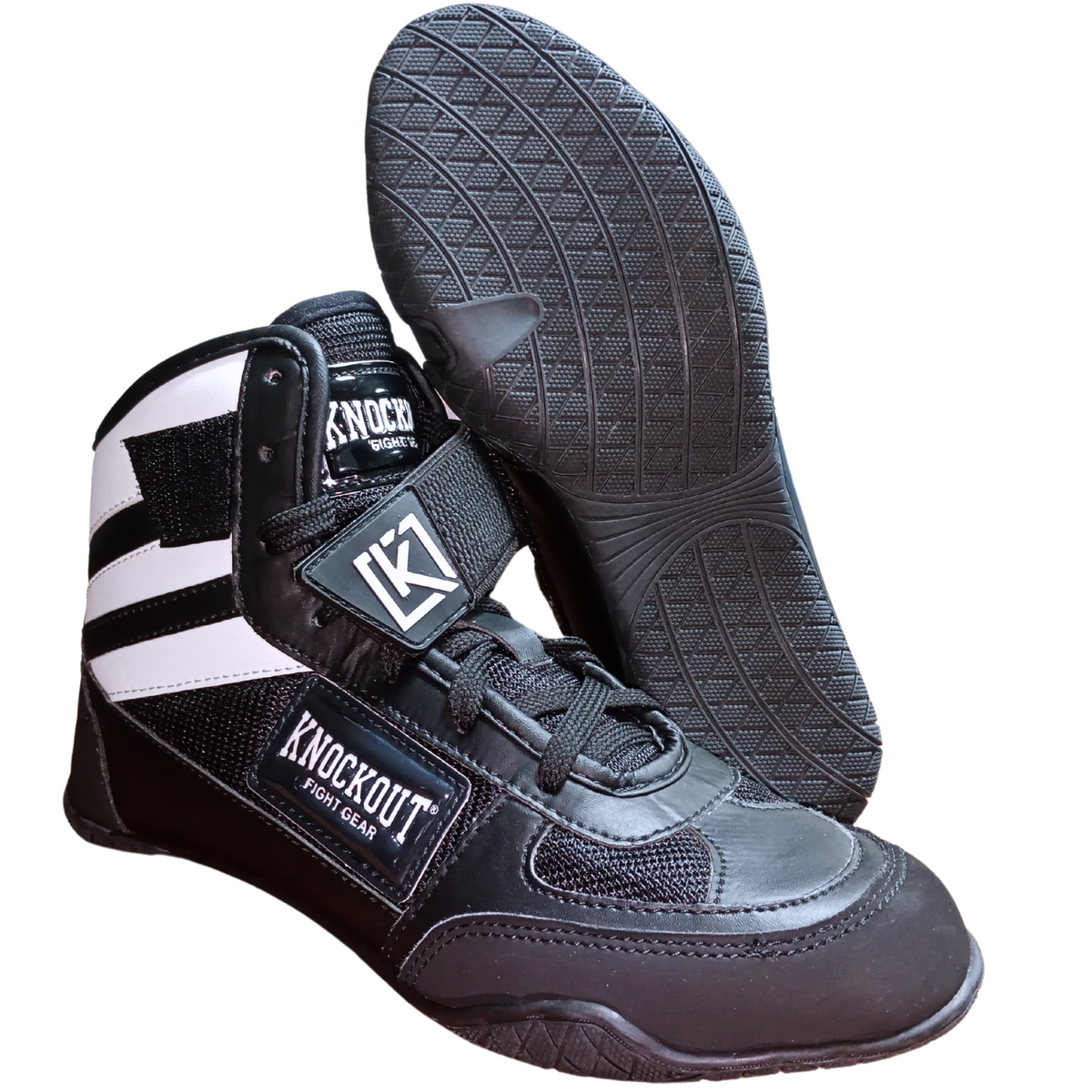
Boxing shoes usually have a thin, flat sole. Many models use a smooth rubber pattern or shallow tread. This design helps a boxer pivot on the ball of the foot without the shoe sticking too hard to the canvas.
Wrestling shoes often have a more noticeable tread pattern. The sole is made to grip a wrestling mat during takedowns, sprawls, and rapid changes of direction. That extra grip can be helpful in wrestling but may make boxing pivots feel less fluid.
Too much grip can also catch your foot during a turn. In boxing, that may place extra stress on the ankle or knee. The risk depends on the shoe, the surface, and your movement style.
Ankle height and support
Both shoes often rise above the ankle. This gives the joint some support and helps the shoe stay secure during quick movement.
Boxing shoes often feel more structured around the ankle. This can help during repeated pivots and side-to-side movement. Wrestling shoes may feel more flexible because the athlete must bend, kneel, shoot, and scramble.
A high-top wrestling shoe is not automatically better for boxing. The shape and flexibility matter more than the height alone.
Weight and flexibility
Both designs are lighter than most training shoes. Less weight can make it easier to move around the ring or mat for long sessions.
Wrestling shoes tend to be very flexible through the sole and upper. Boxing shoes also need flexibility, but many include added structure to support a boxing stance. Neither shoe should feel stiff like a hiking boot.
A useful test is simple: bend the shoe by hand. It should flex at the forefoot, but it should not collapse or twist with little control.
Fit and foot lockdown
Boxing and wrestling shoes should fit closely. A loose shoe can slide inside the shoe during a pivot or takedown. That movement can cause blisters and reduce balance.
However, a tight fit is not the same as a painful fit. Your toes should not curl, your heel should not lift, and your foot should not go numb after a few minutes.
Wrestling shoes often use a snug, sock-like upper. Boxing shoes may offer more structured panels and laces for a locked-in feel. Always try them with the socks you plan to wear during training.

Why Boxing Shoes Are Designed Differently
Boxing involves constant movement from a standing stance. A boxer may step forward, slide backward, circle, pivot, or transfer weight between both feet within seconds.
The shoe must support these actions without feeling heavy. It also needs enough traction to prevent sliding, but not so much traction that it blocks smooth rotation.
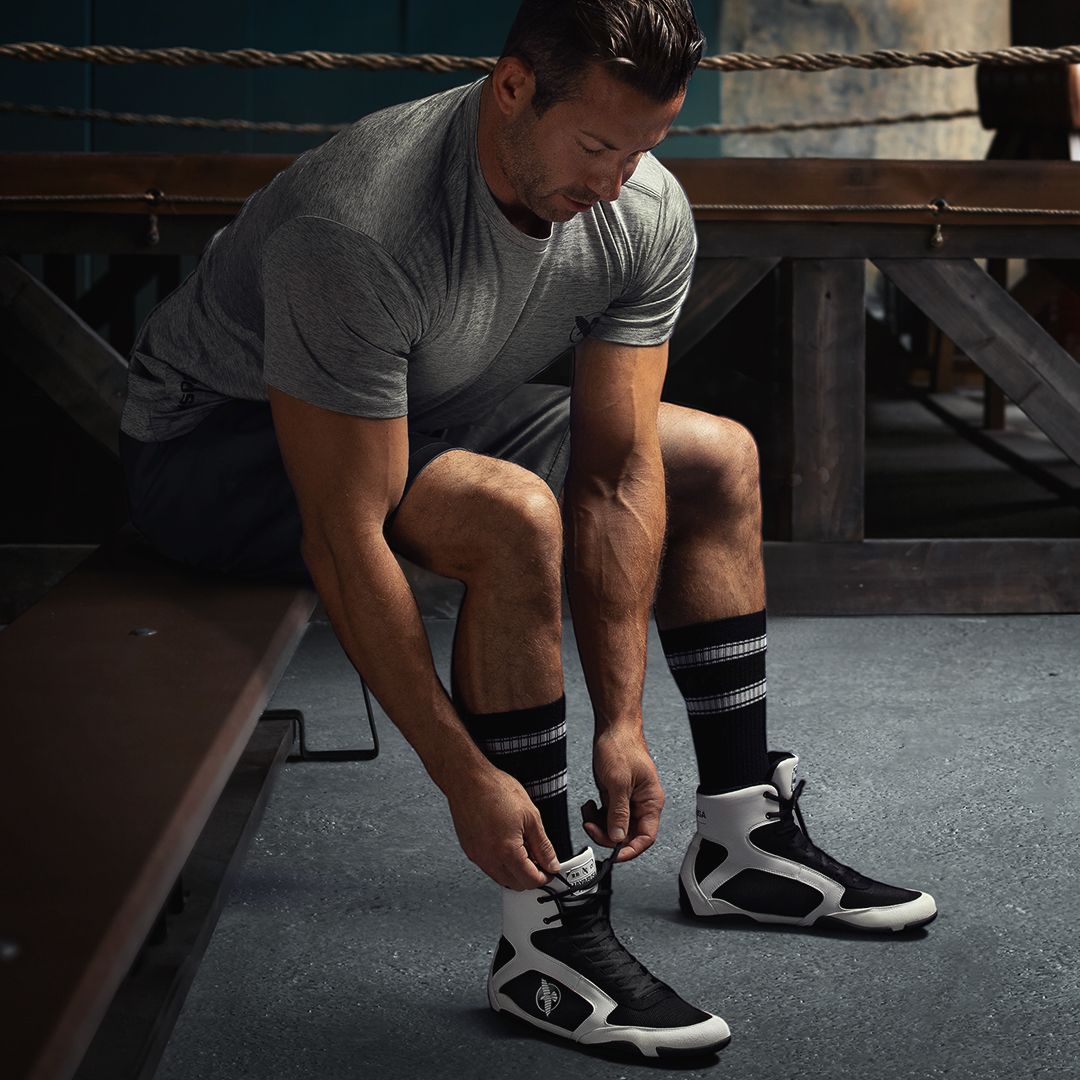
Important boxing shoe features include:
• A flat, low-profile sole for balance
• Flexible forefoot movement
• Lateral support for side steps and pivots
• Secure ankle construction
• Breathable materials for long sessions
• A close fit that reduces foot movement inside the shoe
Boxing shoes are not built for running on pavement. Their thin soles protect your foot in the ring but may provide little cushioning on hard outdoor surfaces.
In my experience with sports footwear, the most common mistake is choosing a boxing shoe by appearance alone. A shoe can look professional yet have a sole that feels too sticky or too stiff for your style.
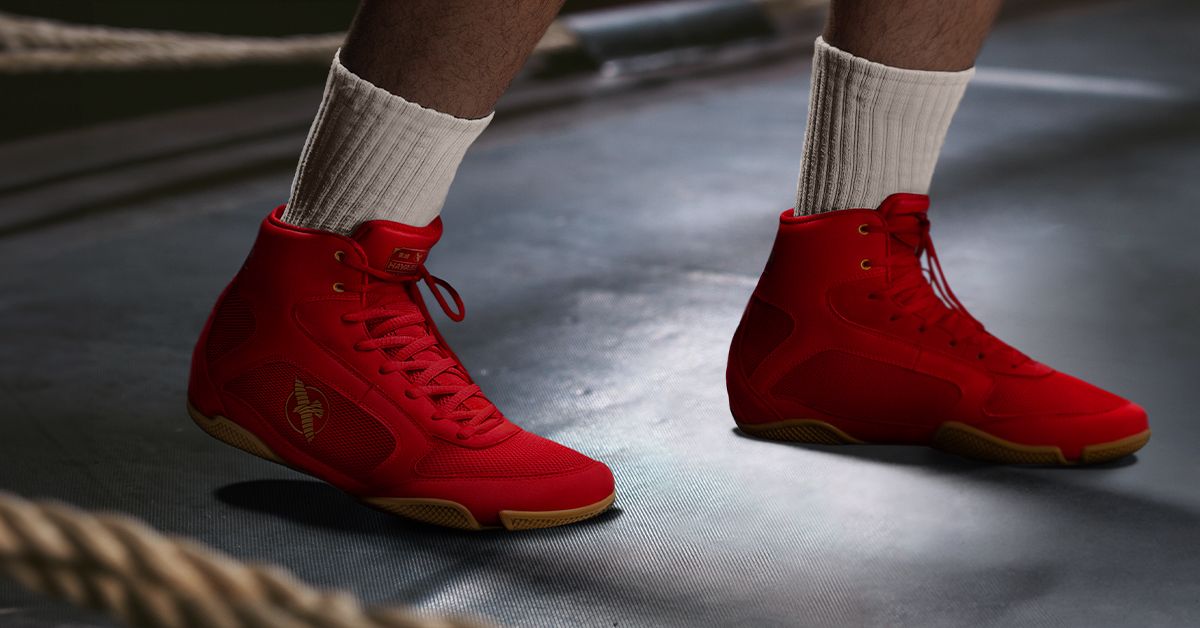
Why Wrestling Shoes Are Designed Differently
Wrestling places demands on the foot that boxing does not. A wrestler may attack the legs, drop to the knees, push from the toes, or rotate while fighting for control.
The shoe must help the athlete stay connected to the mat. Its sole usually covers more of the foot than a typical boxing shoe and uses a pattern made for mat traction.
Common wrestling shoe features include:
• Strong mat grip
• High flexibility
• A snug, lightweight upper
• Reinforced areas near the toes
• Support for multi-directional movement
• A sole that helps during shots, sprawls, and scrambles
Wrestling shoes are also not designed for daily walking. Walking outdoors can wear down the sole and carry dirt onto the mat. Most wrestling programs require clean shoes that are used only indoors.
The difference becomes clear during movement. Boxing rewards smooth turns and controlled slides. Wrestling rewards grip and constant connection with the mat.

Can You Use Wrestling Shoes for Boxing?
Yes, many people can use wrestling shoes for boxing training. They may work well for beginners, fitness boxing, shadowboxing, and some gym sessions.
Still, they are not always the best choice. A wrestling shoe with aggressive traction may make pivots feel restricted. You may also notice a different ankle feel, especially when circling or turning on the lead foot.
Before using wrestling shoes for boxing, check these points:
• Ask your boxing coach or gym about acceptable footwear.
• Test pivots at low speed before sparring.
• Make sure the sole does not grab the floor too sharply.
• Check that the shoe does not slide inside the ring.
• Stop if you feel ankle, knee, or foot strain.
A wrestling shoe can be a reasonable short-term option. For regular boxing, a proper boxing shoe usually gives a more natural movement pattern.
Can You Use Boxing Shoes for Wrestling?
Boxing shoes may work for light wrestling drills in some gyms, but they are usually a poor choice for serious wrestling. Their sole may not provide enough grip for shots, sprawls, and mat scrambles.
A boxer’s shoe may also lack the reinforced areas found on many wrestling shoes. Wrestling creates repeated contact with the toes, sides of the feet, and knees. A boxing shoe may wear out faster under those conditions.
You should not use boxing shoes for competition unless the event rules allow them. Wrestling organizations and tournaments may have specific requirements for approved footwear. The coach, referee, or event rulebook should make the final decision.
If you train both sports, wrestling shoes can be more versatile for occasional boxing drills. However, that does not make them a perfect replacement for boxing shoes.
Boxing Shoes vs. Wrestling Shoes for Different Training Goals
The best choice depends on what you do most often. Your training surface and movement style matter as much as the brand.
For boxing classes
Choose boxing shoes if you attend regular boxing classes, work the heavy bag, do partner drills, or spar. The sole and ankle design should help you pivot without fighting against the floor.
For beginner fitness classes, clean indoor court shoes may work if the gym allows them. Dedicated boxing shoes become more valuable as your footwork improves.
For wrestling practice
Choose wrestling shoes for folkstyle, freestyle, or Greco-Roman wrestling. Their grip and flexible design match the demands of the mat.
Do not wear them outdoors before practice. Small stones and dirt can damage the sole and create an unsafe mat surface.
For mixed martial arts
MMA training usually does not call for boxing or wrestling shoes during live grappling. Many MMA gyms train barefoot on mats. Some may allow wrestling shoes during specific drills, but the policy varies.
Boxing shoes can be unsafe or impractical during grappling. Their ankle structure may limit movement, and their soles may not suit the mat.
For general fitness
Neither shoe is a strong choice for running, lifting, or long walks. Boxing and wrestling shoes have thin soles and limited impact cushioning.
Use sport-specific shoes for sport-specific work. For running, choose running shoes. For strength training, use a stable training shoe. This simple rule can extend the life of your gear and reduce discomfort.
How to Choose the Right Shoe
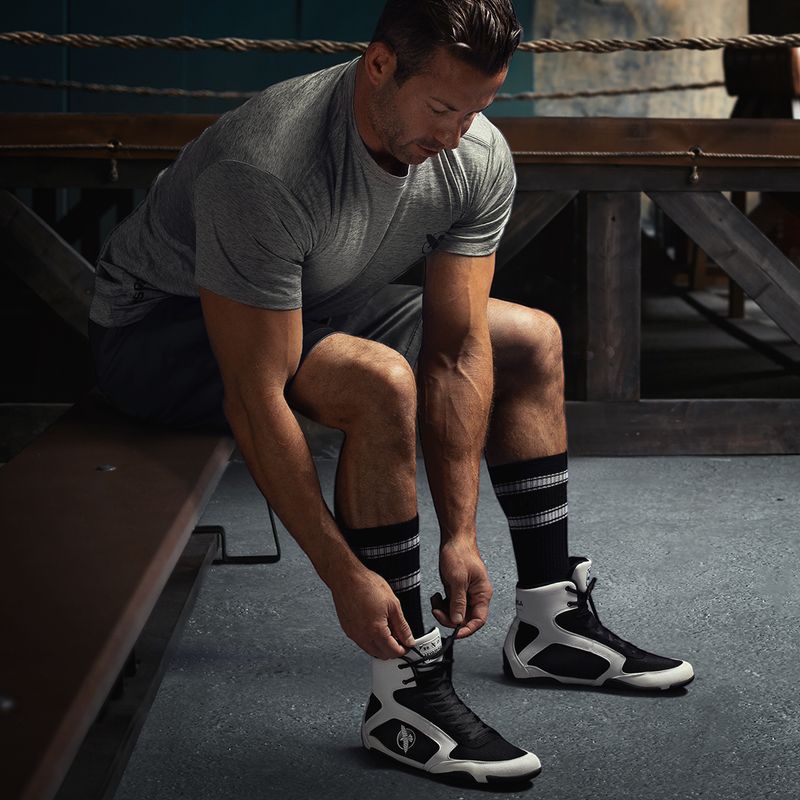
When deciding between boxing and wrestling shoes, focus on function rather than color, price, or brand popularity.
-
Identify your main sport. Pick boxing shoes for boxing and wrestling shoes for wrestling.
-
Check the sole. Look for smooth, controlled traction in boxing and stronger mat grip in wrestling.
-
Test the fit. Your heel should stay in place, and your toes should lie flat.
-
Bend and twist the shoe. It should flex at the forefoot while still giving useful support.
-
Try sport-specific movements. Walk, pivot, circle, squat, and change direction before buying.
-
Check the return policy. Shoes can feel different after ten minutes of movement than they do while standing.
-
Follow gym rules. Some facilities allow only approved indoor shoes or barefoot training.
If you have a history of ankle problems, ask a qualified coach, physical therapist, or sports medicine professional for advice. Shoe choice cannot replace proper technique, strength work, or injury care.
Common Mistakes to Avoid
The answer to “are boxing shoes the same as wrestling shoes” is only part of the buying decision. How you use the shoe matters just as much.
Buying shoes that are too large
A little extra room may sound comfortable, but it can reduce control. Your foot may slide during a pivot or shot.
Choose a snug fit with enough space for natural toe movement. Do not size down so far that your toes press against the front.
Wearing sport shoes outdoors
Outdoor pavement quickly wears down lightweight soles. It also brings dirt and grit into the gym.
Keep boxing and wrestling shoes indoors. Use separate sneakers for travel to and from practice.
Ignoring the surface
A shoe that works on a wrestling mat may not work well on a boxing ring floor. Test the shoe on the surface where you train most often.
Traction should feel secure, not sticky. You should be able to move with control in both directions.
Choosing style over movement
Bright colors and famous logos can be appealing. They should not decide the purchase.
A comfortable shoe with the right sole is more useful than an attractive shoe that changes your footwork.
Skipping the break-in period
Most modern shoes need little break-in time, but you should still test them slowly. Wear them for light drills before using them in hard sparring or competition.
Pay attention to hot spots, heel lift, ankle pressure, and numbness.
Care and Maintenance Tips
Good care keeps athletic shoes safe and extends their useful life.
• Air them out after every session.
• Remove dirt with a soft brush or damp cloth.
• Do not place them on a radiator or use high heat to dry them.
• Keep wrestling shoes away from outdoor surfaces.
• Inspect the sole for smooth spots, cracks, or separation.
• Replace shoes when the tread is worn or the upper no longer holds your foot securely.
Sweat and moisture can weaken materials over time. Let the shoes dry fully before storing them in a ventilated bag.
A worn sole can change how you pivot or grip. If your movement feels different for no clear reason, inspect the shoes before blaming your technique.
Frequently Asked Questions
Are boxing shoes and wrestling shoes interchangeable?
They can be used as substitutes in some training situations, but they are not fully interchangeable. Wrestling shoes usually have more mat grip, while boxing shoes are shaped for controlled pivots and ring movement.
Are wrestling shoes good for boxing beginners?
Wrestling shoes can work for beginner boxing drills if the gym permits them and the sole allows smooth pivots. For regular boxing and sparring, boxing shoes are usually the better long-term choice.
Can I wear boxing shoes on a wrestling mat?
You may be able to wear them for light drills, but they may not provide enough traction for wrestling. Always follow the rules of the wrestling club or tournament.
Do boxing shoes have more ankle support than wrestling shoes?
Many boxing shoes feel more structured around the ankle, but this varies by model. Wrestling shoes often favor flexibility, so compare the actual design rather than relying only on shoe height.
Can I run in boxing or wrestling shoes?
Neither shoe is designed for regular running. Their thin soles and limited cushioning may cause discomfort on pavement, so use running shoes for road or trail workouts.
How tight should boxing or wrestling shoes fit?
They should fit snugly without pain, numbness, or curled toes. Your heel should stay secure, and your foot should not slide inside the shoe during movement.
[CodeImg not included in FAQ as requested]
Conclusion
Boxing shoes and wrestling shoes share a lightweight, flexible design, but they serve different sports. Boxing shoes support pivots, stance changes, and ring movement, while wrestling shoes provide stronger mat grip for shots, sprawls, and scrambles.
The answer to “are boxing shoes the same as wrestling shoes” is no, although one may work as a temporary substitute. Choose the shoe that matches your main sport, test it on the right surface, and keep it clean and indoors.
Try your next pair with real sport movements before you buy. If this guide helped, explore more footwear and training advice, and share your experience with boxing or wrestling shoes.

Rubel Miah is the Senior Editor at MyStyleGrid.com, where he brings a sharp editorial eye and an unshakable love for fashion to everything he does. A true style addict, Rubel lives and breathes trends, from streetwear to high fashion, and has a knack for turning inspiration into impactful stories. With years of experience in fashion journalism and digital media, he curates content that empowers readers to express themselves through style. When he’s not editing features or forecasting the next big thing, you’ll find him hunting down vintage pieces or capturing street style moments around the city.