Wrestling shoes can be good for lifting because they offer grip, balance, and a stable feel on the gym floor.
Are wrestling shoes good for lifting? Often, yes—but they are not perfect for every lifter or every exercise. Their flat, flexible soles can help during squats, deadlifts, and Olympic lifts, while their thin design improves ground feel. However, they provide less support than dedicated lifting shoes and may not suit people with ankle, foot, or balance concerns. This guide explains where wrestling shoes work well, where they fall short, and how to choose the right pair safely.
Are wrestling shoes good for lifting?
For many recreational lifters, wrestling shoes are a practical choice for strength training. They sit close to the ground, provide strong traction, and allow your feet to move naturally. These features can help you feel more stable during compound lifts.
Wrestling shoes are made for quick movement on a mat. They usually have thin rubber soles, flexible uppers, and a snug fit. That design is different from a weightlifting shoe, but it shares one useful feature: a low and stable base.
Are wrestling shoes good for lifting heavy weights? They can be, especially for deadlifts and general strength work. Still, they do not offer the raised heel, firm midsole, or structured support found in specialized lifting shoes.
Your best choice depends on:
• Your lifting goals
• Your ankle mobility
• The type of lifts you perform
• Your foot shape
• The surface of your gym floor
• Your comfort and injury history
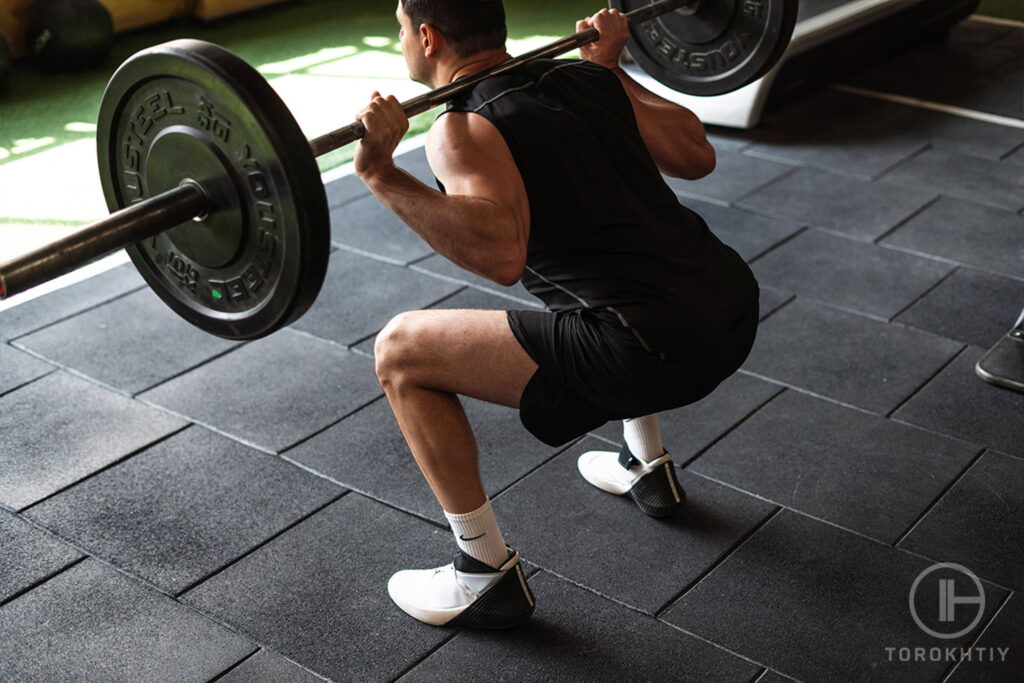
Why wrestling shoes can help with strength training
Wrestling shoes offer several features that can improve your connection with the floor. Think of your feet as the foundation of a house. If that foundation slips or feels unstable, the rest of the structure must work harder.
Flat soles improve stability
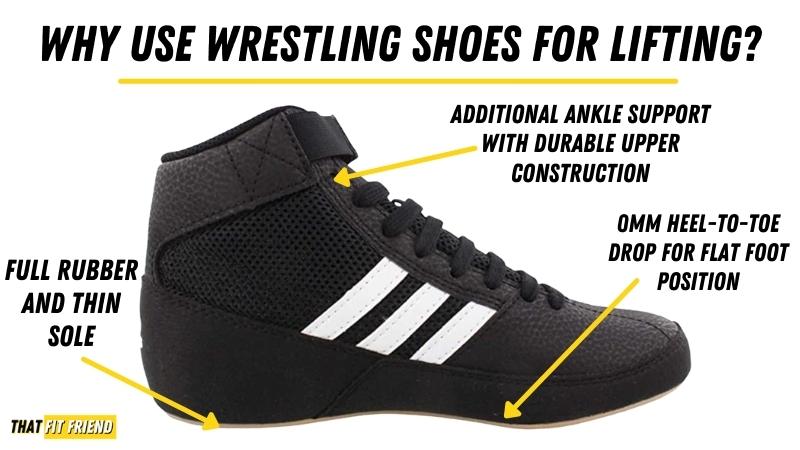
Most wrestling shoes have a thin, mostly flat sole. This keeps your feet close to the ground and may reduce unnecessary movement under load.
A flat base can be helpful during:
• Deadlifts
• Romanian deadlifts
• Barbell rows
• Front squats
• Power cleans
• General strength exercises
The flat sole may also help you push through your whole foot. Many lifters describe this as better “ground feel.” That feeling can improve body awareness, especially when learning proper lifting form.
Rubber soles provide grip
Traction matters when lifting. Your feet should not slide as you pull or press a heavy bar.
Wrestling shoes often use rubber soles with textured patterns. These soles grip rubber gym floors, platforms, and wrestling mats well. Good traction can help you maintain foot position during a deadlift or squat.
Still, grip varies by brand. Some wrestling shoes are designed mainly for mats and may feel less secure on dusty concrete or smooth platforms. Always test the sole before using the shoes for heavy work.
Flexible shoes allow natural foot movement
Wrestling shoes bend more easily than most training shoes. This flexibility can help your feet adjust to the floor during dynamic lifts.
Flexible footwear may feel useful during:
• Cleans
• Snatches
• Split jerks
• Lunges
• Warm-up drills
• Bodyweight movements
However, flexibility is not always an advantage. A very soft shoe may feel unstable during a heavy squat. The right amount of flexibility depends on your lifting style and experience.
Lightweight design reduces bulk
Wrestling shoes are usually light. Their low weight makes them comfortable for warm-ups, lifting sessions, and movement drills.
A lighter shoe will not directly make you stronger. Yet it can help you feel less restricted. This matters when you switch between lifting, mobility work, and conditioning in the same workout.
Wrestling shoes compared with other lifting footwear
The question “are wrestling shoes good for lifting” makes more sense when you compare them with other common options. No single shoe works best for every movement.
Wrestling shoes versus weightlifting shoes
Weightlifting shoes have a firm sole and an elevated heel. The raised heel can help some lifters reach a deeper squat by reducing the ankle range they need.
Wrestling shoes are flatter and more flexible. They may feel better for deadlifts, but they usually provide less help in the bottom position of a deep squat.
Choose weightlifting shoes if you:
• Compete in Olympic weightlifting
• Squat with an upright torso
• Have limited ankle mobility
• Prefer a firm, rigid base
• Need a raised heel for your technique
Choose wrestling shoes if you:
• Want a flat shoe
• Train several types of lifts
• Prefer more foot flexibility
• Need a lower-cost training option
• Perform deadlifts and general strength work
Wrestling shoes versus barefoot lifting
Some lifters train barefoot to improve foot contact with the floor. Wrestling shoes offer a similar low-profile feel while protecting your feet from sharp objects, cold floors, and accidental contact with weights.
Shoes also provide more grip and may be required by your gym. Bare feet can become sweaty, and they offer little protection if a plate falls nearby.
Barefoot lifting can work in a private and clean space. Wrestling shoes are usually the safer and more practical option in a public gym.
Wrestling shoes versus minimalist shoes
Minimalist training shoes often have a wide toe box and a thin, flat sole. They may offer more room for your toes than wrestling shoes.
Wrestling shoes tend to fit snugly because wrestlers need their feet to stay secure during movement. That snug fit can be useful, but it may feel tight for people with wide feet.
Minimalist shoes may be better for daily training. Wrestling shoes may be better if you want a very close, locked-in fit.

Are wrestling shoes good for squats?
Wrestling shoes can work for squats, but the answer depends on your squat style and mobility.
A flat wrestling shoe may help you feel balanced during a low-bar back squat. It can also support a hip-dominant squat style. The flexible sole allows your foot to stay connected to the ground without the cushioning found in running shoes.
High-bar squats and Olympic-style squats may be different. These lifts often require more ankle bend and an upright torso. A raised-heel lifting shoe may make the movement easier for some athletes.
You should not use a shoe simply because it feels popular. Test your squat with a light load and check the following:
• Do your heels stay down?
• Do your knees track over your toes?
• Can you reach your target depth?
• Does your foot remain stable?
• Does your lower back stay in a safe position?
• Do you feel pain or pressure in your ankles, knees, or hips?
If the shoe makes you shift onto your toes or collapse inward, it may not be the right choice. A stable foot position matters more than the shoe’s brand or appearance.

Are wrestling shoes good for deadlifts?
Wrestling shoes are often very good for deadlifts. Their flat soles keep you close to the ground and reduce the distance the bar must travel.
A thick running shoe can compress under heavy weight. That compression creates movement between your foot and the floor. It may also make you feel less stable at the start of the pull.
Wrestling shoes usually have less cushioning. This can improve balance and help you push through the floor. The strong grip may also reduce the chance of your feet sliding.
They are especially useful for:
• Conventional deadlifts
• Sumo deadlifts
• Romanian deadlifts
• Rack pulls
• Heavy rows
• Farmer carries
One limitation is heel protection. Some lifters prefer deadlift slippers or flat lifting shoes with a wider base. Wrestling shoes may also wear out faster if used on rough outdoor surfaces.
For deadlifting, focus on a flat sole, strong grip, secure fit, and enough room for your toes to spread slightly.

Are wrestling shoes good for Olympic lifting?
Wrestling shoes can be used for Olympic lifting, especially by beginners or athletes who train a mix of movements. Their flexibility allows natural movement during cleans and snatches.
However, dedicated weightlifting shoes usually perform better for serious Olympic lifting. Their stiff soles transfer force efficiently. Their raised heels can also help athletes reach a strong receiving position.
A wrestling shoe may be suitable when:
• You are learning the basic lifts
• You train casually
• You have good ankle mobility
• You prefer a flat shoe
• You also wrestle or perform other mat sports
A weightlifting shoe may be better when:
• You compete in Olympic lifting
• You need a more upright receiving position
• Your ankles limit squat depth
• You want maximum stability under heavy loads
Are wrestling shoes good for lifting explosively? They can work for early training, but advanced lifters often benefit from a stiffer and more structured shoe.

Limitations and risks of lifting in wrestling shoes
Wrestling shoes are useful, but they are not a universal answer. Their design can create problems for some lifters.
Limited ankle support
Wrestling shoes cover the ankle, but ankle coverage does not always equal strong ankle support. Their uppers are usually flexible and designed for movement rather than rigid control.
People with past ankle injuries should be careful. A physical therapist or qualified coach can help decide whether the shoes fit their needs.
Narrow fit
Many wrestling shoes have a narrow shape. This helps keep the shoe secure, but it can squeeze wide feet.
A poor fit may cause:
• Numb toes
• Blisters
• Hot spots
• Reduced balance
• Pain along the outside of the foot
Your toes should not curl inside the shoe. You should also be able to move them slightly without your heel lifting.
Less protection from dropped weights
Wrestling shoes are not made to protect your feet from heavy plates. Their thin materials may offer little defense against impact.
Keep your feet clear when loading or unloading a bar. Do not assume that a wrestling shoe provides the same protection as a work boot or safety shoe.
Wear and hygiene
Wrestling shoes absorb sweat and may develop odors if they are not cleaned. They can also wear quickly when used on rough gym floors.
Clean the soles and upper after training. Let the shoes dry fully before storing them. Never place damp shoes in a closed gym bag for long periods.

How to choose wrestling shoes for lifting
If you decide to try wrestling shoes, focus on function rather than style. A good pair should feel secure without causing pressure.
Use this checklist:
- Look for a flat, low-profile sole.
- Check that the rubber provides strong floor grip.
- Choose a snug fit with enough toe room.
- Avoid excessive cushioning or soft foam.
- Bend the shoe to assess its flexibility.
- Inspect the stitching around the sole and toe.
- Confirm that the shoe feels stable during a bodyweight squat.
- Try the shoe on both feet with the socks you normally train in.
Walk, squat, hinge, and perform a few light jumps before buying. A shoe may feel fine while standing but become uncomfortable when your foot spreads under load.
Do not buy a pair that feels tight because you expect it to stretch. Wrestling shoes may loosen slightly, but they should not need a painful break-in period.
How to test wrestling shoes before heavy lifting
Start with a simple test. Wear the shoes during your warm-up and use an empty bar or very light weight.
Complete these movements:
• Bodyweight squat
• Goblet squat
• Hip hinge
• Empty-bar deadlift
• Split squat
• Calf raise
• Light jump or step
Pay attention to your feet. They should remain flat and stable. Your knees should track smoothly, and you should not feel pressure in one small area.
Next, use a moderate load at about 60 to 70 percent of your usual working weight. Stop if the shoes cause pain, slipping, numbness, or a major change in technique.
One practical lesson applies to every new training shoe: never test it for the first time during a personal-record attempt. Your feet and movement pattern need time to adjust.
Common mistakes to avoid
The biggest mistake is treating wrestling shoes as identical to lifting shoes. They may work well for one person and poorly for another.
Avoid these errors:
• Wearing running shoes for heavy squats or deadlifts
• Choosing a shoe that is too narrow
• Ignoring pain because the shoe looks stable
• Using worn soles on a slippery floor
• Assuming ankle height guarantees ankle support
• Using flexible shoes for loads that require a rigid base
• Wearing wrestling shoes outdoors and damaging the sole
• Skipping a gradual test before heavy training
Your footwear should support good technique, not hide problems. If your knees cave, your heels rise, or your feet slide, review your form and equipment together.
What experts and research suggest
Strength and conditioning guidance often favors stable, firm footwear for resistance training. A stable shoe helps reduce unwanted motion and gives the athlete a consistent base.
Biomechanics research also shows that footwear can affect ankle angles, squat depth, and balance. However, shoe choice does not replace mobility work, strength, or coaching. Results vary based on the lifter’s structure, technique, and training history.
For this reason, there is no universal answer to “are wrestling shoes good for lifting.” The evidence supports matching the shoe to the task rather than naming one shoe as best for everyone.
A qualified strength coach, sports physician, or physical therapist can provide more specific advice if you have pain or a previous injury. This is especially important for foot problems, ankle instability, knee pain, and back symptoms.
Frequently asked questions about whether wrestling shoes are good for lifting
Are wrestling shoes good for beginners who lift weights?
Yes, wrestling shoes can work well for beginners because they are flat, light, and grippy. Start with light loads and confirm that the shoes allow stable, pain-free movement.
Can I wear wrestling shoes for powerlifting?
You can wear them for powerlifting, especially for deadlifts and some squat styles. Powerlifters may prefer specialized shoes when they need a very rigid sole, extra heel support, or a wider base.
Are wrestling shoes better than running shoes for lifting?
Wrestling shoes are usually better than running shoes for heavy lifting because they have less cushioning and compression. Running shoes are designed for forward motion, not maximum stability under a barbell.
Do wrestling shoes help with squat depth?
They may help you feel stable, but they do not raise your heel like weightlifting shoes. If limited ankle mobility affects your depth, a raised-heel lifting shoe may be more helpful.
Can I deadlift barefoot and use wrestling shoes instead?
Yes, wrestling shoes can provide a similar low-profile feel while adding grip and foot protection. They are often more practical in a public gym where barefoot training may not be allowed.
How long do wrestling shoes last when used for lifting?
Their lifespan depends on training frequency, floor type, and shoe quality. Replace them when the sole becomes smooth, the stitching fails, or the shoe no longer holds your foot securely.
Conclusion
Wrestling shoes can be good for lifting when you want a flat, flexible, low-profile shoe with strong grip. They often work best for deadlifts, general strength training, and lifters who prefer strong contact with the floor.
They may not be ideal for every squat or Olympic lift. A raised-heel weightlifting shoe can offer more support for limited ankle mobility and advanced lifting technique. The best option is the shoe that keeps your feet stable, your movement controlled, and your training pain-free.
Test wrestling shoes with light weights before using them for heavy sets. Choose fit and function over appearance, and consider advice from a qualified coach or health professional if you have an injury. Try the right pair during your next session, then share your experience or explore more strength-training footwear guides.

Rubel Miah is the Senior Editor at MyStyleGrid.com, where he brings a sharp editorial eye and an unshakable love for fashion to everything he does. A true style addict, Rubel lives and breathes trends, from streetwear to high fashion, and has a knack for turning inspiration into impactful stories. With years of experience in fashion journalism and digital media, he curates content that empowers readers to express themselves through style. When he’s not editing features or forecasting the next big thing, you’ll find him hunting down vintage pieces or capturing street style moments around the city.