Dr. Martens shoes can feel very comfortable, but most pairs need careful breaking in first.
The answer to “are dr martens shoes comfortable” depends on the model, your foot shape, and how you break them in. Their firm soles, strong leather, and roomy toe boxes can offer lasting support, but a new pair may feel stiff at first. This guide explains what to expect, how to improve comfort, and which wearers may enjoy Dr. Martens most.

Are Dr. Martens shoes comfortable?
Yes, Dr. Martens shoes can be comfortable for daily wear once they soften and fit well. Many people like their cushioned AirWair soles, stable heel, and supportive shape. The brand’s boots and shoes also provide good protection from rough ground and wet weather.
However, comfort is not instant for everyone. New leather can rub the heel, press against the ankle, or feel hard across the top of the foot. This is why the answer to “are dr martens shoes comfortable” often changes after several wears.
The most important factors are:
• The model and material you choose
• Your foot width and arch shape
• The thickness of your socks
• The time you allow for break-in
• Whether the shoe fits correctly from day one
A well-fitted pair may become a reliable walking shoe. A poor fit may cause blisters and foot pain, even after the leather softens.

Why Dr. Martens shoes can feel uncomfortable at first
Dr. Martens footwear is built to be durable. Many classic styles use thick leather, firm stitching, and a strong rubber sole. These features help the shoes last, but they can also make a new pair feel stiff.
The heel is a common trouble spot. As you walk, the back of the shoe may move slightly against your skin. This friction can cause hot spots or blisters before the leather bends naturally.
The ankle area can also feel firm. High boots may press against the lower leg until the collar softens. Low shoes usually create less ankle pressure, but they may still rub the heel.
Here are other common reasons for early discomfort:
• The shoe is too small, especially in length
• The leather has not softened yet
• The heel slips because the size is too large
• The wearer uses thin socks with stiff leather
• The foot needs more arch support
• The shoe is worn for a full day too soon
A key lesson from real-world fitting is simple: do not treat break-in pain as proof that the shoe fits. Leather may soften, but it will not add much length. If your toes touch the front, choose a larger size or a different shape.
How long does it take to break in Dr. Martens?
Most pairs take several short wears to become comfortable. Some soft leather styles may feel good within a few days. Classic smooth leather boots can take two to six weeks, depending on use and foot shape.
Start with 20 to 30 minutes indoors. Check your heels and the sides of your feet when you remove the shoes. If you notice redness, stop before a blister forms.
A safe break-in plan looks like this:
-
Wear the shoes at home with thick socks.
-
Walk for a short time on the first few days.
-
increase wear by 15 to 30 minutes at a time.
-
Use heel protection if rubbing starts.
-
Avoid long walks until the leather bends easily.
-
Let your feet rest between wears.
Many wearers make the same mistake: they wear new boots to a concert, trip, or full work shift. That can turn a promising pair into a painful one. Gradual use gives both your feet and the leather time to adjust.
Which Dr. Martens styles are most comfortable?
Comfort varies widely across the Dr. Martens range. A soft leather loafer may feel very different from a tall, heavy boot. When asking “are dr martens shoes comfortable,” always name the style.
Classic smooth leather boots
Classic smooth leather boots are durable and easy to clean. They often need the longest break-in period because the leather starts firm. Once softened, they can provide strong support for casual walking and everyday use.
Soft leather styles
Soft leather versions usually feel more flexible from the first wear. They are often a better choice for people who dislike a long break-in period. The trade-off may be less structure and a different look.
Chelsea boots
Chelsea boots have elastic side panels that make them easy to put on. Their ankle fit can feel secure, but the heel may still rub during the first few wears. Choose a size that holds your heel without squeezing your toes.
Mary Jane and low shoes
Low Dr. Martens shoes often feel lighter and less restrictive than tall boots. They may suit office wear, short commutes, and casual days. Still, the strap or heel counter can create pressure if the fit is too tight.
Sandals
Dr. Martens sandals can feel comfortable in warm weather because they allow more airflow. Check the straps carefully. A strap that presses across the toes or rubs the ankle can cause irritation quickly.
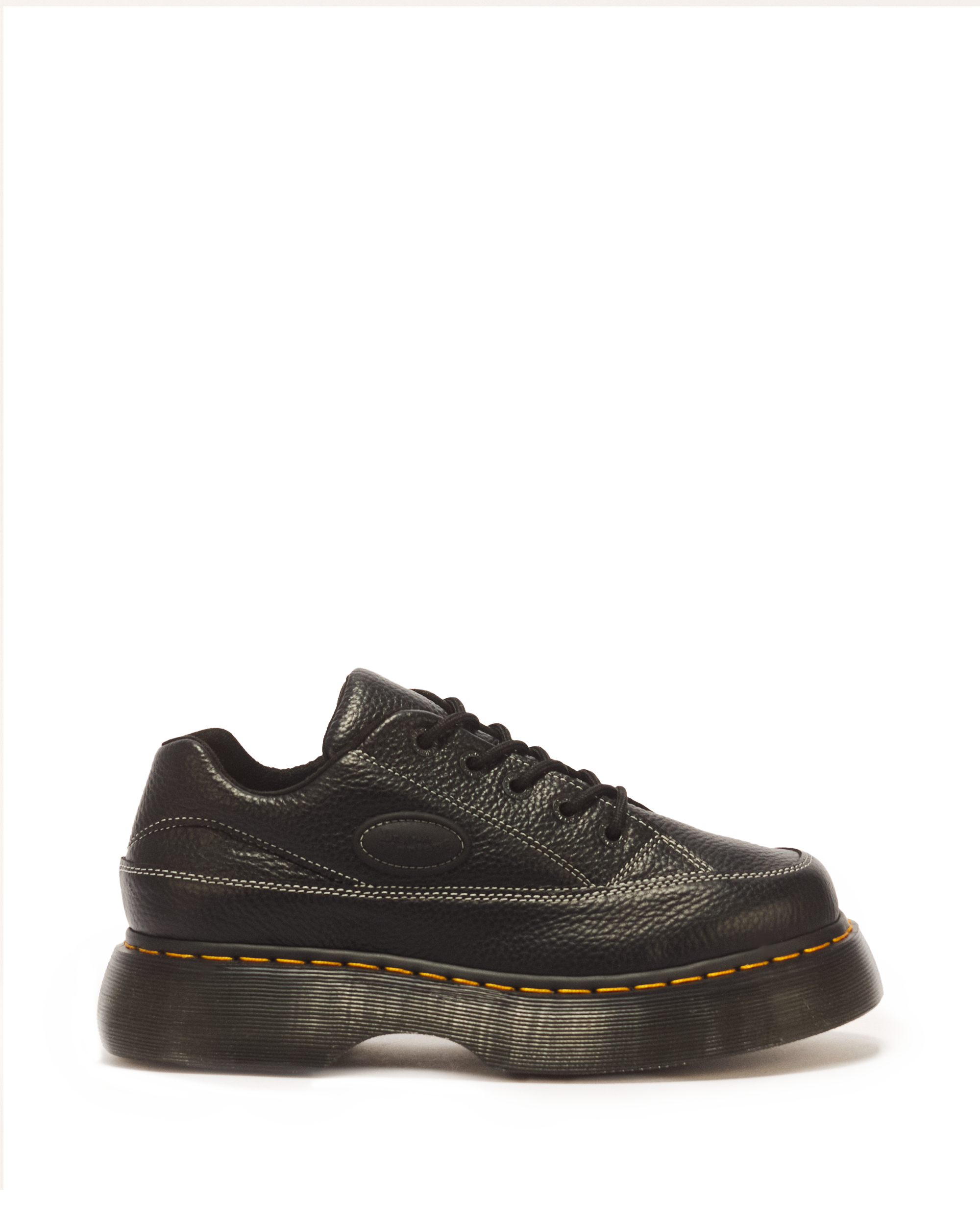
Platform styles
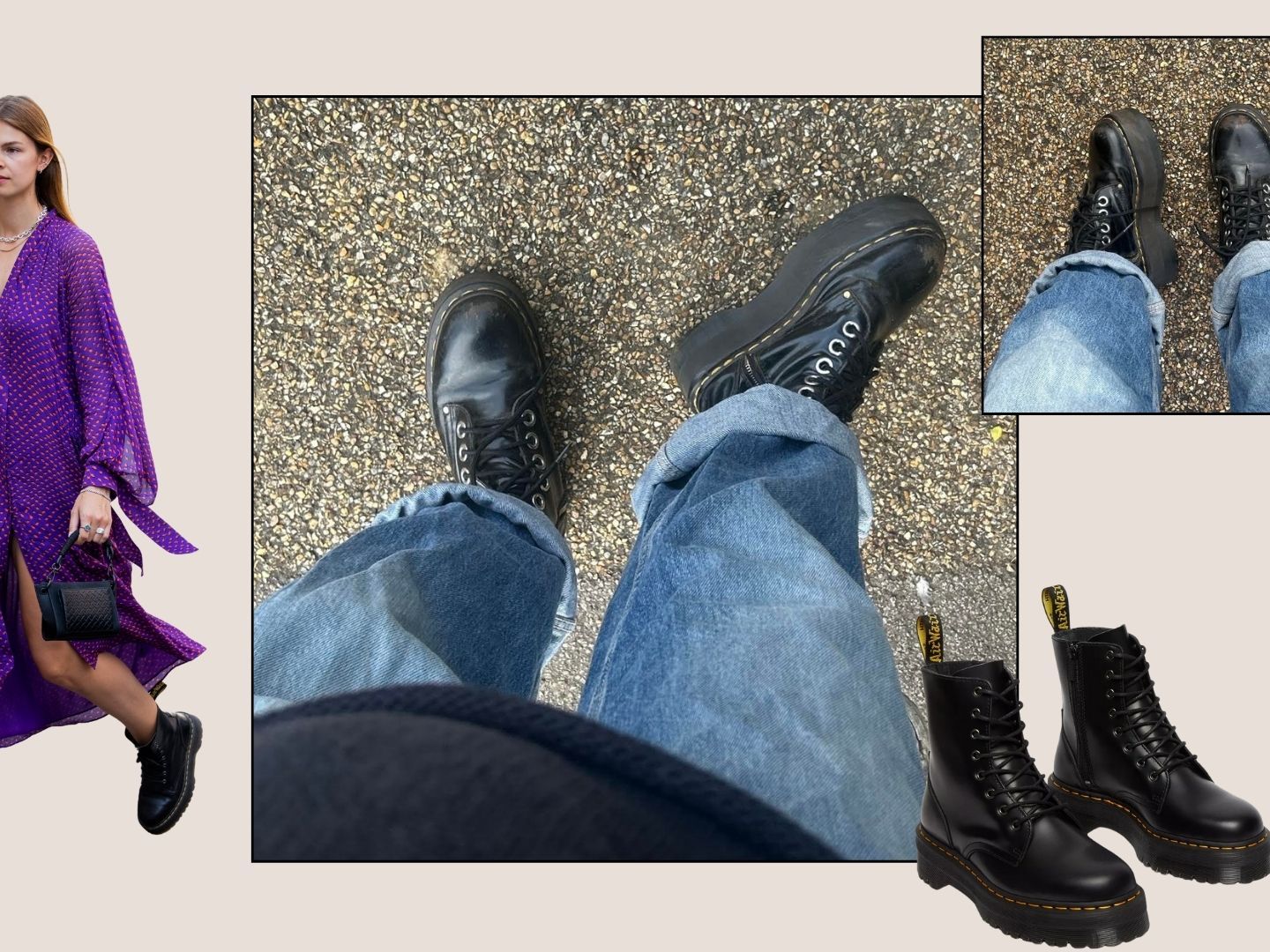
Platform soles add height and visual impact, but they also add weight. They can feel stable because of their broad base, yet they may require more effort during long walks. People with balance concerns should try them indoors before wearing them outside.
Do Dr. Martens provide good arch support?
Dr. Martens shoes offer a stable sole, but they do not suit every arch type. Their footbeds may feel supportive for people who prefer a firm base. However, they are not custom orthopedic shoes.
People with flat feet, high arches, plantar heel pain, or other foot concerns may need extra support. An over-the-counter insole can improve comfort, but it must not make the shoe too tight.
Before adding an insole, check these points:
• Your toes still have room to move
• The top of your foot is not pressed
• Your heel does not lift too much
• The insert lies flat inside the shoe
If pain continues, stop wearing the shoes and ask a podiatrist for advice. Foot pain can have many causes, and a fashionable shoe is not worth worsening an injury.
How to make Dr. Martens more comfortable
Small changes can make a major difference. The best approach is to reduce friction, manage pressure, and increase wear time slowly.
Choose the right socks
Thick cotton or wool-blend socks can reduce rubbing. They also add a little cushioning around the heel and ankle. Avoid socks with rough seams that sit under the toes.
Moisture-wicking socks may help during warm days. Dry skin is less likely to slide and rub than sweaty skin, although very dry skin can also crack. Aim for a comfortable balance.
Protect the heel
Use blister patches, moleskin, or soft heel protectors before a long walk. These products create a barrier between your skin and the leather.
Do not wait until a blister becomes painful. Prevention is much easier than treating damaged skin.
Condition the leather
A suitable leather conditioner can help some leather styles become more flexible. Test the product on a hidden area first, since conditioners may darken leather or change its finish.
Do not use random oils or harsh chemicals. They can weaken the material, stain the shoe, or affect its breathability.
Lace the boots correctly
Lace the lower part firmly enough to hold the foot in place. Keep the ankle section secure but not tight. A stable heel reduces sliding, which often causes blisters.
Use them in short sessions
Wear the shoes around the house, on short errands, and during brief walks. This lets you find pressure points before committing to a long day.
These steps answer much of the question “are dr martens shoes comfortable” because fit and preparation matter almost as much as the shoe itself.

Are Dr. Martens good for walking and standing all day?
Dr. Martens can work well for short walks, casual outings, and some jobs that involve standing. Their thick soles provide protection from hard ground, and many people enjoy their stable feel.
They may not be ideal for every all-day walking situation. Heavy boots can tire the legs, especially on stairs or long city walks. The firm sole may also feel less flexible than a running shoe or walking sneaker.
Consider the setting:
• For casual city use, they can be a strong choice after break-in.
• For long hikes, choose footwear designed for hiking.
• For standing at work, test the pair during a shorter shift first.
• For travel, break them in well before your trip.
• For wet streets, check the leather care needs and sole grip.
The answer to “are dr martens shoes comfortable for walking” is often yes for moderate use, but not always for intense mileage. Comfort depends on the task, not just the brand.

Pros and limitations of Dr. Martens comfort
Dr. Martens footwear has clear strengths. It also has limits that shoppers should understand before buying.