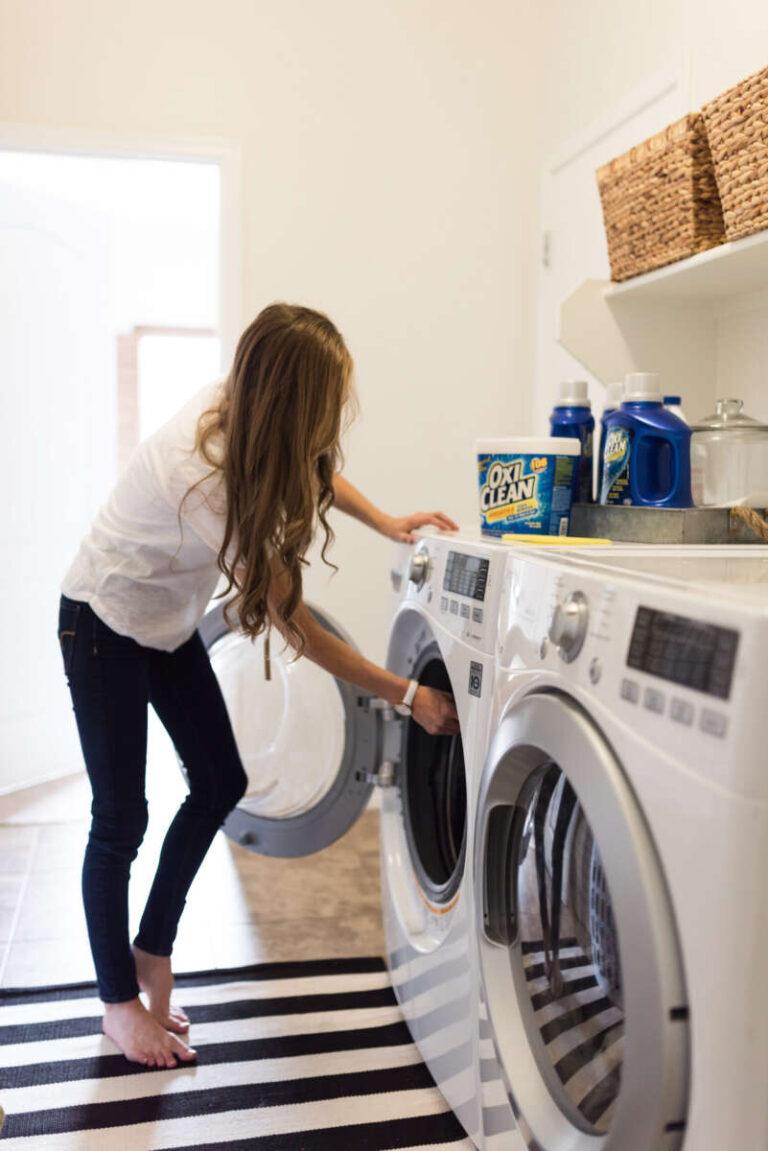
You can wash some shoes with clothes, but only when the fabric, color, and care labels match.
Knowing can I wash shoes with clothes depends on the shoe material, dirt level, and washing machine settings. This guide explains which shoes are safe, how to protect your clothes, and when hand washing is the better choice.
Can I Wash Shoes With Clothes?
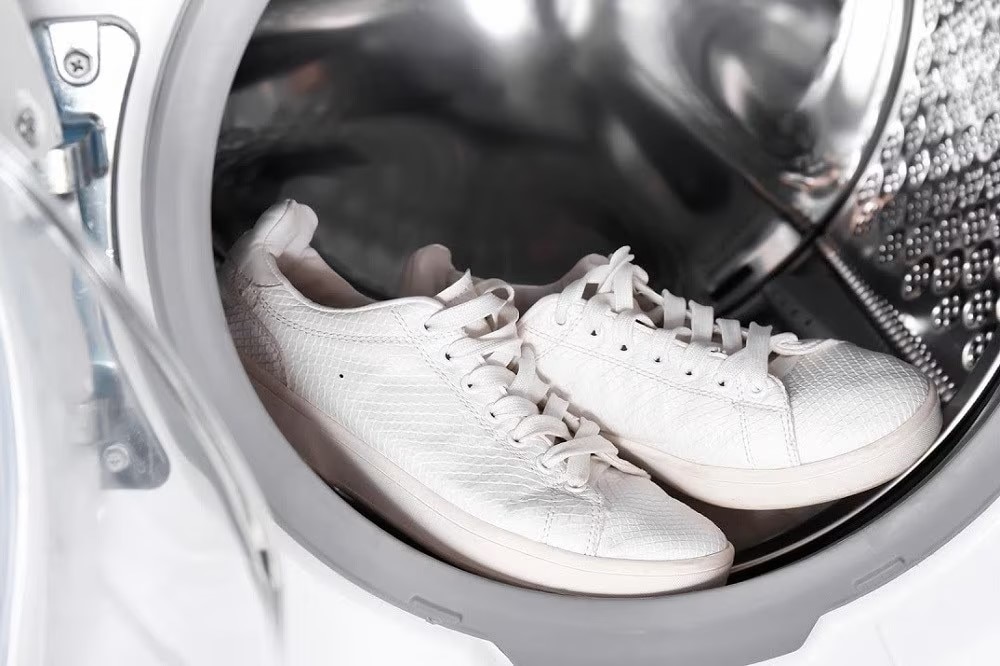
Yes, you can wash shoes with clothes in some cases. Lightweight canvas, cotton, and certain synthetic sneakers can often go in the washing machine with sturdy items such as towels or sweatshirts.
However, shoes should not go in with delicate clothing, white garments, or items that may absorb dirt and color. Shoes can release mud, rubber marks, and odors during the wash.
Before you start, check the care label or the shoe maker’s instructions. Materials such as leather, suede, silk, and shoes with glued decorations usually need special care.
When Is It Safe to Wash Shoes With Clothes?
Washing shoes with clothes is safest when the shoes are washable and the clothing is durable. The shoes should also be free of heavy mud, oil, paint, and other stains that could spread in the machine.
Good clothing choices include:
• Old towels
• Dark cotton shirts
• Sweatshirts
• Jeans
• Workout clothes made from strong synthetic fabric
Avoid washing shoes with:
• White or light-colored clothing
• Underwear
• Delicate fabrics
• Wool or silk
• Clothes that need a gentle wash
• New garments that may bleed color
A shoe bag or pillowcase can reduce noise and protect both the shoes and the washer drum. Still, the safest method is to wash shoes with old towels rather than your everyday clothes.
Which Shoes Can Go in the Washing Machine?
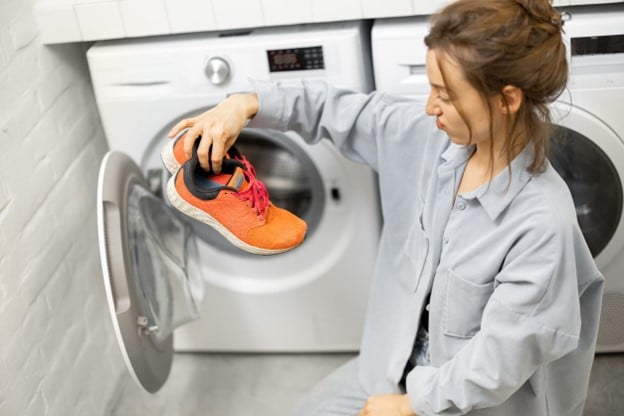
The shoe material matters more than the shoe style. A simple canvas sneaker may tolerate a machine wash, while a similar-looking leather sneaker may become permanently damaged.
Shoes Usually Safe for Machine Washing
These shoes are often suitable for a gentle machine cycle:
• Canvas sneakers
• Cotton shoes
• Nylon athletic shoes
• Polyester sneakers
• Mesh running shoes
• Some rubber-soled casual shoes
Check the label first, since construction can vary between brands. Some shoes use water-based glue, while others use adhesives that may weaken with heat and long soaking.
Shoes You Should Not Machine Wash
Do not put these shoes in the washing machine unless the manufacturer clearly allows it:
• Leather shoes
• Suede shoes
• Nubuck shoes
• Dress shoes
• Shoes with metal parts
• Shoes with glued-on decorations
• Shoes with memory foam that can hold a large amount of water
• Shoes with electronic parts or lights
Leather and suede can dry with stains, cracks, or stiff patches. Heat can also shrink fabric and weaken glue.
:max_bytes(150000):strip_icc()/GettyImages-2155924976-7c7a480f4605472495e348cfdf037aa1.jpg)
Why Washing Shoes With Clothes Can Be Risky
Shoes are heavier and harder than most clothes. As they spin, they can strike the washer drum and damage delicate fabrics.
The main risks include:
• Dirt spreading onto clothing
• Color bleeding from dark shoes
• Rubber marks on light garments
• Damage from metal eyelets or hooks
• Shoe glue becoming weak
• Clothes picking up a strong odor
• Excess noise and movement in the washer
One mistake I often see is adding shoes with a full load of clothes. The shoes do not have enough room to move freely, and the washer may become unbalanced. A smaller load with two or three old towels works much better.
How to Wash Shoes With Clothes Safely
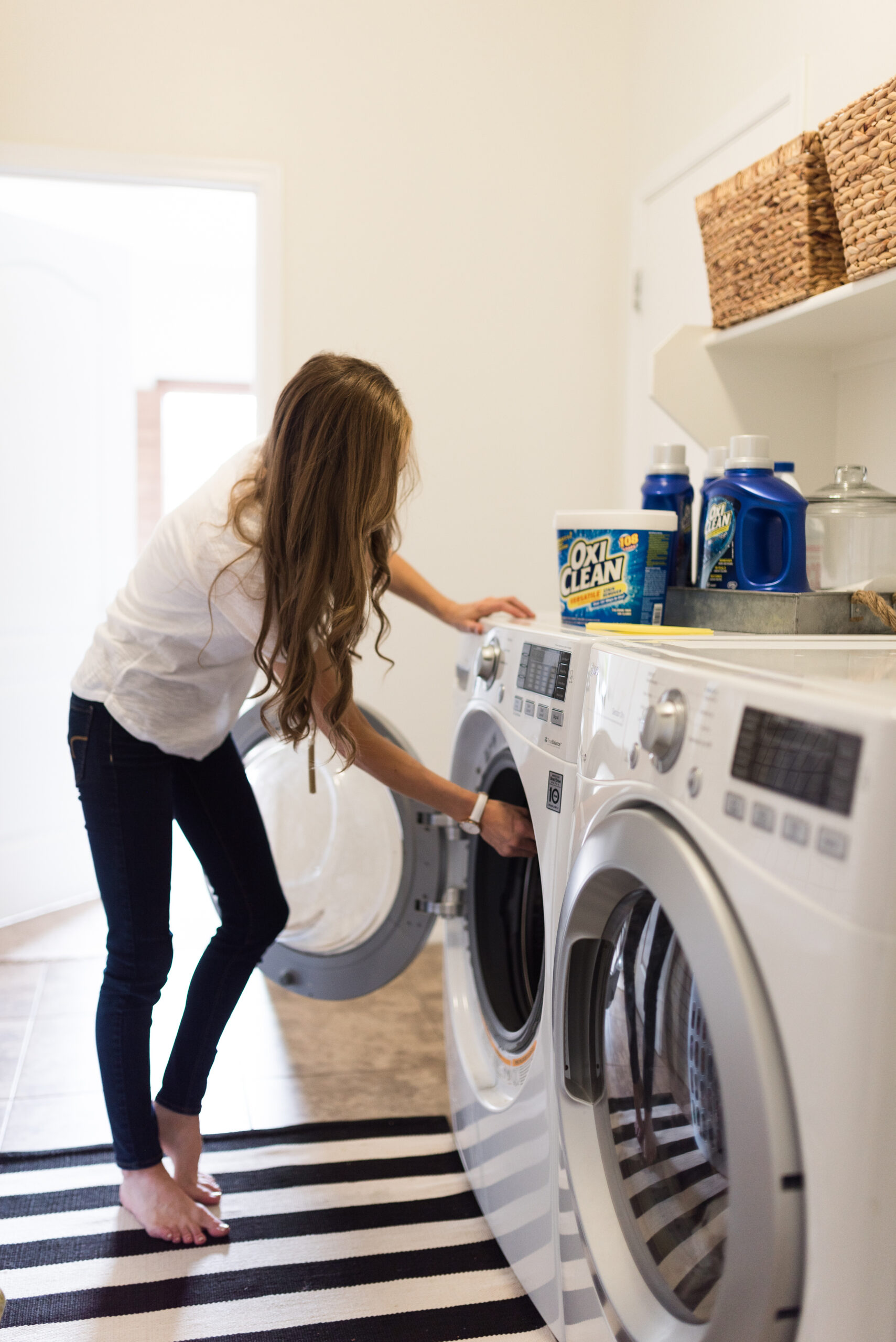
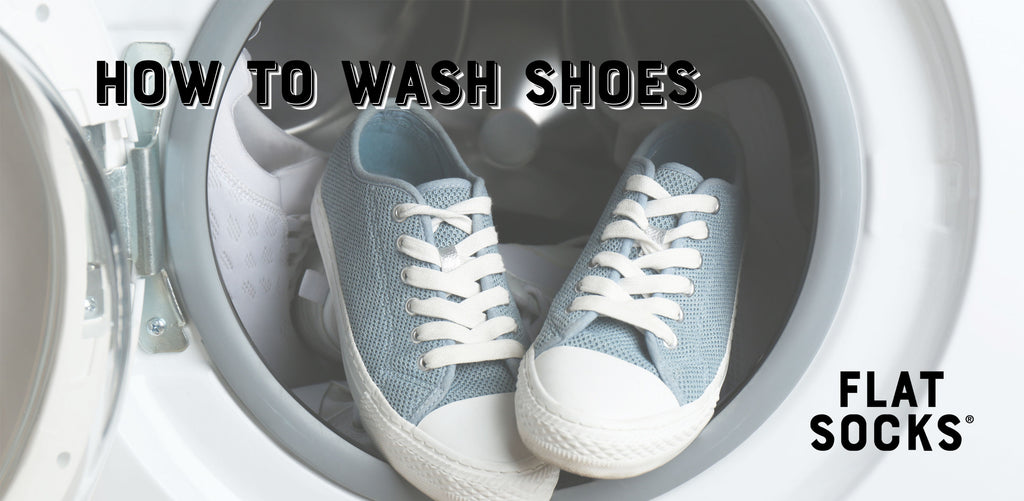
If you decide to wash shoes with clothes, use a careful process. The goal is to limit friction, protect the washer, and prevent stains.
1. Read the Care Instructions
Look inside the shoe tongue, under the insole, or on the product page. Follow the brand’s instructions if they differ from general advice.
If the label says “spot clean only,” do not use the washing machine. That warning usually means the material or glue cannot handle full soaking.
2. Remove Loose Dirt
Take the shoes outside and tap the soles together. Use an old toothbrush or soft brush to remove dry mud, stones, and dust.
Never put heavily muddy shoes straight into the washer. Mud can clog the drain and spread across the clothing.
3. Remove Laces and Insoles
Wash laces in a mesh bag. Clean insoles by hand unless the label says they are machine washable.
Removing these parts helps water reach the shoe surface. It also prevents laces from wrapping around clothing or the washer agitator.
4. Use a Laundry Bag
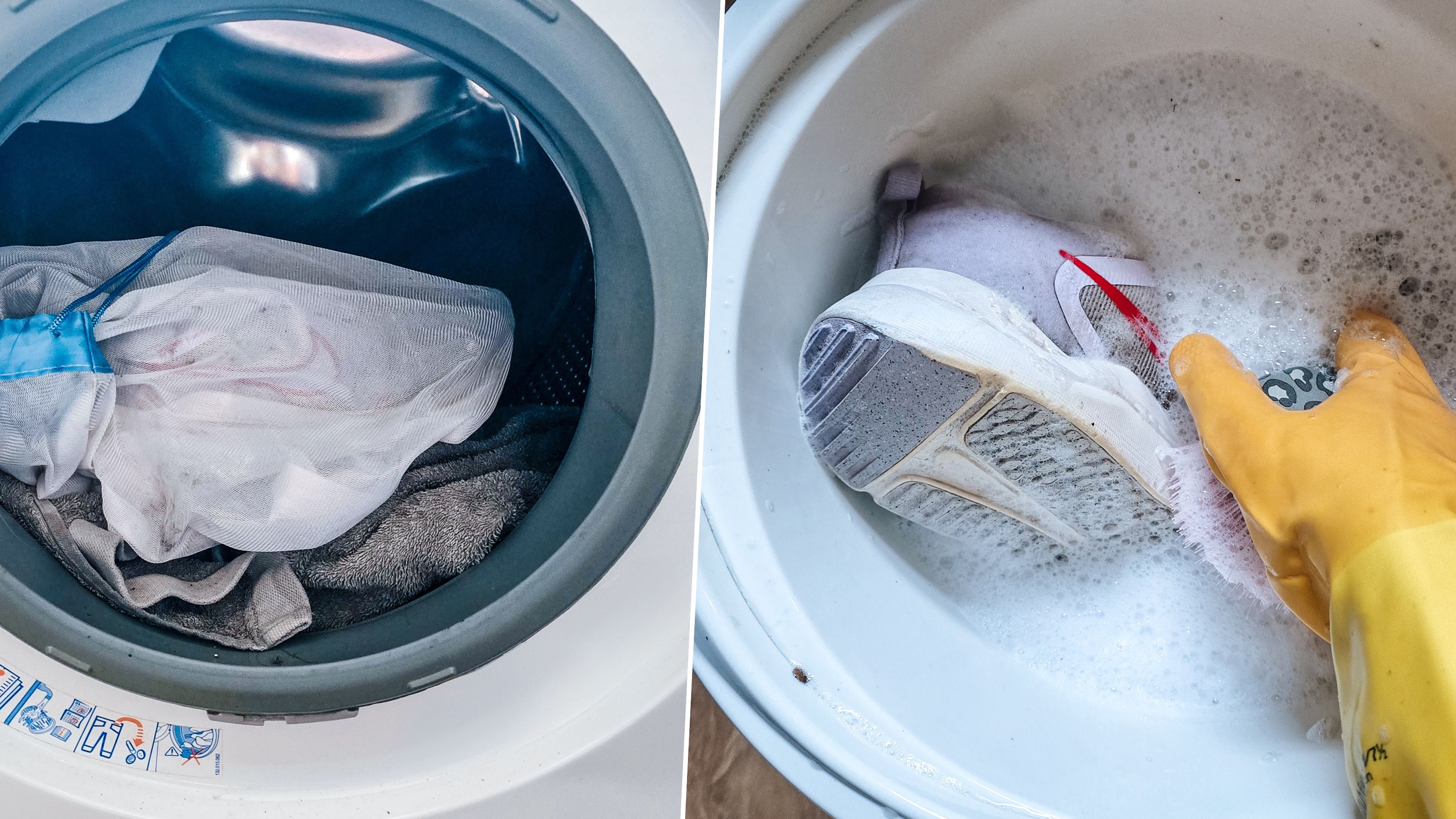
Place each shoe in a separate mesh laundry bag or pillowcase. Tie the pillowcase loosely so water can still enter.
A bag will not stop all noise, but it helps prevent sharp parts from rubbing against clothes. It also keeps small pieces, such as lace tips, from becoming trapped.
5. Add Old Towels
Use two or three old towels to cushion the load. Choose towels that will not shed lint or bleed color.
The towels act like padding around the shoes. They also help balance the drum during the spin cycle.
6. Choose Cold Water and a Gentle Cycle
Use cold water and a low spin setting. Add a small amount of mild liquid detergent.
Avoid bleach, fabric softener, and strong stain removers unless the shoe label permits them. These products can fade color or leave a coating on mesh fabric.
7. Skip the Dryer
Air drying is the safest option. Place the shoes in a well-ventilated area away from direct sunlight and heaters.
Stuff the shoes with clean paper towels to help them keep their shape. Replace the paper when it becomes wet.
Can You Wash Shoes With Clothes in Cold Water?
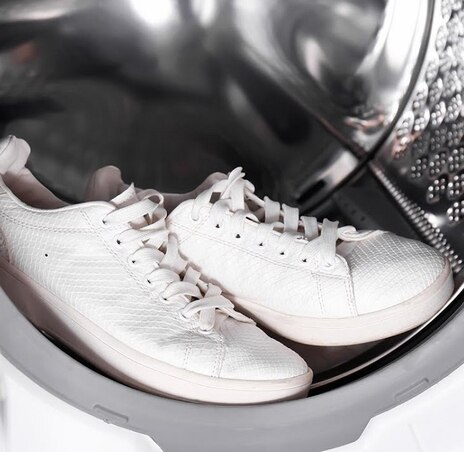
Cold water is usually the best choice when you wash shoes with clothes. It helps reduce color bleeding, shrinking, and glue damage.
Hot water may soften adhesives and change the shape of some synthetic materials. It can also set certain stains into nearby clothing.
Use cold water for:
• Canvas sneakers
• Mesh shoes
• Nylon shoes
• Polyester shoes
• Colored athletic shoes
Cold water does not make every shoe machine-safe. Material, construction, and the care label still matter most.
Should You Wash Shoes With White Clothes?
No. It is better to avoid washing shoes with white clothes, even if the shoes look clean.
Dark shoes may release dye, while dirty soles can leave gray or brown marks. White clothing also shows small stains more clearly than dark fabric.
If you must wash light-colored shoes with clothing, use old light towels that you do not mind staining. Do not include new white shirts, towels, or bedding.
How to Dry Washed Shoes
Drying is just as important as washing. High heat can cause more damage than the wash cycle itself.
Follow these steps:
- Remove the shoes from the washer as soon as the cycle ends.
- Press them gently with a clean towel to remove extra water.
- Pull the tongue forward so air can reach the inside.
- Shape the shoes with paper towels.
- Place them near moving air.
- Replace wet paper every few hours.
- Wait until the shoes are fully dry before wearing them.
Do not use a clothes dryer, radiator, hair dryer, or direct high heat. Heat can shrink the upper material, warp the sole, and weaken the glue.
Drying may take 24 to 48 hours. Thick shoes and shoes with foam padding may take longer.

Hand Washing Shoes: A Safer Alternative
Hand washing is often the better choice for shoes that are lightly dirty or made from sensitive materials. It gives you more control and uses less force than a machine cycle.
Use this method:
• Remove laces and insoles.
• Brush away loose dirt.
• Mix cool water with a small amount of mild detergent.
• Test the solution on a hidden area.
• Scrub gently with a soft brush or cloth.
• Wipe away soap with a clean damp cloth.
• Air dry the shoes away from heat.
For leather, use a cleaner made for leather. For suede, use a dry suede brush and a product designed for suede care.
A common lesson from shoe cleaning is that less water is often better. Soaking shoes may seem thorough, but it can push moisture deep into foam, padding, and glue joints.
What to Do About Smelly Shoes
Washing can remove surface dirt, but odor often comes from moisture and bacteria inside the shoe. The shoe must dry fully to reduce the smell.
Try these steps:
• Remove and wash the insoles separately.
• Let the shoes air out after each use.
• Use a shoe deodorizer made for the material.
• Sprinkle a small amount of baking soda inside overnight, then shake it out.
• Wear moisture-wicking socks.
• Avoid wearing the same shoes every day.
Do not cover a wet shoe with deodorizer and put it back in a closet. That traps moisture and may make the odor worse.
Washing Shoes With Clothes: Common Mistakes to Avoid
Small mistakes can ruin both the shoes and the clothing. These are the problems I would avoid first:
• Washing muddy shoes without brushing them
• Using hot water
• Adding bleach without checking the label
• Using too much detergent
• Washing shoes with white clothing
• Putting leather or suede in the washer
• Drying shoes with high heat
• Overloading the machine
• Leaving wet shoes in the washer for hours
• Wearing shoes before the inside is fully dry
If the shoes are expensive, new, or difficult to replace, hand washing is the safer choice. A machine wash may save time, but it can also create a costly mistake.
Can Washing Shoes Damage a Washing Machine?
Clean, lightweight shoes usually will not damage a modern washing machine when washed carefully. Heavy shoes, loose stones, and metal parts can create problems.
The spinning motion may cause loud impacts or an unbalanced drum. Mud can also enter the drain system.
To reduce the risk:
• Remove stones from the soles.
• Use a laundry bag.
• Add towels to balance the load.
• Select a low spin speed.
• Stop the cycle if the machine shakes heavily.
• Clean the washer drum after the load.
If the washer continues to shake, stop it and redistribute the load. Never ignore repeated banging or strong movement.
Frequently Asked Questions About Can I Wash Shoes With Clothes
Can I wash sneakers with clothes?
You can wash some canvas, mesh, nylon, and polyester sneakers with sturdy clothes. Use cold water, a gentle cycle, a laundry bag, and old towels instead of delicate or white garments.
Can I wash shoes with towels?
Yes, old towels are often the best items to wash with shoes. They cushion the shoes, reduce noise, and help balance the washer.
Can I wash shoes with jeans?
You can wash washable sneakers with old or dark jeans, but this is not always ideal. Jeans may release dye, so avoid pairing them with light-colored shoes or clothing.
Can I put shoes in the dryer?
Most shoes should not go in the dryer. High heat can shrink the material, warp the soles, and weaken the glue, so air drying is safer.
Can I wash leather shoes with clothes?
No, leather shoes should not usually be machine washed with clothes. Use a leather cleaner, a damp cloth, and a suitable leather conditioner instead.
How often can I wash shoes in the washing machine?
Wash shoes in the machine only when they are visibly dirty and the care label allows it. Frequent machine washing can shorten the life of the fabric, glue, cushioning, and sole.
Conclusion
You can wash shoes with clothes when the shoes are machine-safe and the clothing is sturdy, dark, and easy to clean. Canvas and synthetic sneakers are often suitable, while leather, suede, dress shoes, and decorated footwear should stay out of the washer.
Use cold water, mild detergent, a gentle cycle, old towels, and air drying. When in doubt, hand wash the shoes and check the care label first. Share your shoe-cleaning experience or explore more laundry care tips to keep both your clothes and footwear in good shape.

Rubel Miah is the Senior Editor at MyStyleGrid.com, where he brings a sharp editorial eye and an unshakable love for fashion to everything he does. A true style addict, Rubel lives and breathes trends, from streetwear to high fashion, and has a knack for turning inspiration into impactful stories. With years of experience in fashion journalism and digital media, he curates content that empowers readers to express themselves through style. When he’s not editing features or forecasting the next big thing, you’ll find him hunting down vintage pieces or capturing street style moments around the city.