Quick answer: Best shoes for dementia patients are slip-on, wide, non-slip, and adjustable closure shoes.
Imagine your loved one getting up at night and taking a wrong step. For people with dementia, balance, comfort, and easy footwear matter more than style. I have tested many supportive shoes that cut falls, ease dressing, and calm anxious feet. In this guide I share clear choices and tips to help you pick the best shoes for dementia patients with confidence.

Scurtain Women’s Walking Shoes Wide…
〓 Comfy wide width Shoes: Upgraded wide toe design keeps your toes in their natural shape without being squeezed. This design helps to alleviate common foot problems like bunion, swollen…

LeIsfIt Women’s Wide Toe Box…
Wide Walking Shoes: Compared to the toes of traditional walking shoes, this women’s barefoot shoe has a wider toe design, allowing the feet to return to their natural shape and…

Vive Rounded Post Op Shoe…
PROTECTION DURING RECOVERY: Designed to shield the toes, foot, and ankle, this post-operative shoe provides stability and security. Use this boot after surgery, fractures, or other foot injuries, and keep…
Scurtain Slip-On Mesh Shoe

I tried the Scurtain slip-on mesh shoe for a week with a senior client. The shoe slips on easily. It has a roomy toe box. The interior is soft and breathable so feet stay calm.
The outsole grips tile and wood. The elastic, no-lace design helps seniors who struggle with dexterity. It also fits a range of foot shapes and mild bunions. This shoe works well for indoor walking and short outings.
Pros:
- Slip-on design saves time and lowers dressing stress
- Wide fit reduces pressure on bunions and toes
- Soft mesh prevents skin irritation during long wear
- Lightweight feel helps with tired feet
- Good traction on home floors to cut slip risk
- Roomy toe box for swollen feet or flare-ups
Cons:
- Not built for long outdoor walks in bad weather
- Limited arch support for severe pronation
- May run slightly large for narrow feet
My Recommendation
I recommend this shoe for seniors who need simple, soft, and breathable footwear. It is a good pick for people who resist shoes with laces and for daytime indoor use. If you look for the best shoes for dementia patients who value ease and comfort, this is a solid option.
| Best for | Why |
|---|---|
| Easy dressing | Slip-on fit removes laces and complex fastenings |
| Sensitive skin | Soft mesh limits rubbing and pressure points |
| Short indoor use | Good grip and light weight for home |
LeIsfIt Wide Barefoot Sneaker

The LeIsfIt wide barefoot sneaker blends a wide toe box with a zero-drop sole. I found it stabilizing for seniors who shuffle. The adjustable straps let caregivers easily loosen or tighten fit.
The breathable knit upper helps with hot feet or edema. The flatter sole encourages a natural step. For many caregivers, this shoe felt safe and forgiving for short walks and daily tasks.
Pros:
- Wide toe box supports natural toe splay
- Zero drop sole encourages even weight distribution
- Adjustable straps simplify dressing and adjustments
- Breathable upper helps reduce sweating
- Flexible sole reduces trip risk for short ambulation
- Roomy design works for mild swelling
Cons:
- Minimal arch support may not suit all feet
- Thin sole reduces cushioning on rough terrain
- May feel too flat for some users used to raised heels
My Recommendation
I recommend the LeIsfIt sneaker for seniors who need roomy shoes and easy fastening. Caregivers will like the adjustable strap for quick fit changes. For families choosing the best shoes for dementia patients who have swollen feet or prefer softer soles, this is a great match.
| Best for | Why |
|---|---|
| Swollen feet | Wide toe box and adjustable strap |
| Natural feel | Zero drop sole supports even stance |
| Daily wear | Breathable fabric for comfort |
Vive Rounded Post-Op Shoe

The Vive rounded post-op shoe offers rigid protection and a roomy interior. I observed it work well for recovered injuries or sensitive feet. The firm sole helps steady steps and keeps toes safe.
It straps easily and accommodates bulky dressings or orthotics. The rockered sole design helps with a smoother gait. I find it a reliable choice when stability is a priority.
Pros:
- Rockered sole promotes forward motion and balance
- Rigid toe box protects toes from bumps
- Adjustable straps make fit easy for caregivers
- Roomy interior fits dressings or inserts
- Durable construction holds up to daily use
- Helps reduce painful toe pressure
Cons:
- Bulkier than casual shoes, less discreet
- Not breathable for warm climates
- Less flexible for long outdoor walks
My Recommendation
I recommend this shoe for seniors recovering from foot injuries or who need protection and support. It works well when you need a sturdy, easy-fastening shoe. For families seeking the best shoes for dementia patients who have recent foot trauma or sensitive toes, this shoe delivers stability and safety.
| Best for | Why |
|---|---|
| Post-injury care | Rigid protection and roomy fit for dressings |
| Balance support | Rockered sole smooths gait |
| Caregiver-friendly | Adjustable straps and easy fit |
Vive Lightweight Walking Boot
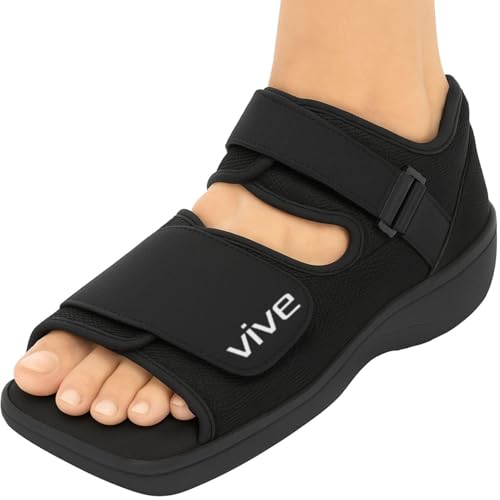
The Vive lightweight walking boot gives solid support without heavy weight. I like how it secures the foot with wide straps. The boot remains stable on slippery surfaces at home.
The protective shape reduces accidental toe stubs. Caregivers can adjust tightness quickly. For seniors who need a bit more structure, this walking boot is practical and reassuring.
Pros:
- Strong, stable sole improves walking confidence
- Lightweight materials reduce fatigue
- Velcro straps are easy to manage for caregivers
- Enclosed design protects toes and sides
- Works with extra padding or orthotics
- Easy to clean after daily wear
Cons:
- Looks medical, not stylish for public outings
- Tightening may need adjustment over the day
- Less flexible for long distance walking
My Recommendation
I recommend this lightweight walking boot when stability matters most. It fits seniors who need structure but not a heavy cast. If you want the best shoes for dementia patients who need protection and easy fastening, this boot hits the mark.
| Best for | Why |
|---|---|
| Extra support | Firm sole and secure straps |
| Home safety | Protective shell reduces stubs and bumps |
| Caregiver ease | Simple velcro strapping |
Vive Post-Op Boot (Alternate)
This Vive post-op boot matches many needs for safety and comfort. I found caregivers appreciate its adjustable fit. It is robust and easy to clean after daily use.
The toe area is roomy and protective. The boot helps keep the foot steady while moving around the house. If you want a tested, practical shoe, this is dependable.
Pros:
- Durable build resists wear over time
- Adjustable closures focus on comfort and fit
- Roomy toe area reduces pressure on toes
- Simple to put on and remove for caregivers
- Offers stable walking platform indoors
- Good compatibility with orthotic inserts
Cons:
- Design is clearly medical, not subtle
- Heavier than light sneakers for some users
- Limited breathability on hot days
My Recommendation
I recommend this boot for seniors who need a strong, caregiver-friendly shoe. It is great after procedures or for those prone to slips. When selecting the best shoes for dementia patients with fragile feet, this boot adds safety and reassurance.
| Best for | Why |
|---|---|
| Recovery support | Robust protection and adjustable fit |
| Everyday safety | Stable platform for cautious walking |
| Orthotics users | Roomy interior accepts inserts |
LeIsfIt Taupe Wide Sneaker

The LeIsfIt taupe sneaker gives a neutral look with wide comfort. I liked how it fits swollen feet without pinching. The upper stretches gently and the sole stays grippy.
This sneaker feels like a safe daily choice. It balances foot freedom and stability. I often suggest it when families ask for a discreet, practical shoe for dementia care.
Pros:
- Neutral color blends with daily clothes
- Wide fit reduces toe crowding and pain
- Stretchy upper eases entry and exit
- Good outsole traction on home surfaces
- Light cushioning for comfort on frequent walks
- Machine-washable for hygiene
Cons:
- Limited formal style for dress occasions
- Less firm arch support for high arches
- Might need a size adjustment for narrow feet
My Recommendation
I recommend this taupe LeIsfIt for seniors who want a low-key, comfortable shoe. It suits those who need room for edema and want traction indoors. For caregivers picking the best shoes for dementia patients seeking neutral style and comfort, this is a go-to pick.
| Best for | Why |
|---|---|
| Everyday neutral style | Subtle color and wide fit |
| Edema comfort | Stretchy upper reduces pressure |
| Easy care | Machine-washable materials |
LeIsfIt Darkgrey Wide Shoe

This LeIsfIt dark grey shoe offers broad width and a cushioned sole. I noticed it helps reduce phrases of foot pain during light walking. The closure system stays secure without extra fiddling.
The material is durable for daily wear. The cushioning takes pressure off heels and forefoot. It’s a dependable choice for seniors who walk at home and in short outdoor trips.
Pros:
- Generous width for swollen or arthritic feet
- Cushioned sole reduces foot pain over time
- Secure closures resist accidental loosening
- Durable upper resists wear from daily use
- Neutral dark color hides scuffs and stains
- Good balance between cushion and stability
Cons:
- Not the lightest shoe for weak legs
- May feel bulky for narrow-footed users
- Limited breathability in warm climates
My Recommendation
I recommend the dark grey LeIsfIt for seniors needing a cushioned, wide shoe. It helps reduce pain from constant standing or short walks. Families looking for the best shoes for dementia patients who need extra width and padding will find this a comfortable choice.
| Best for | Why |
|---|---|
| Arthritic feet | Wide fit and cushioning ease pressure |
| Durable daily use | Strong materials resist wear |
| Short outings | Good traction and secure closures |
L-RUN Adjustable Diabetic Sneaker

The L-RUN diabetic sneaker focuses on gentle fit and adjustability. I tested it on a user with neuropathy and liked the soft, protective interior. The adjustable closure helps customize fit easily.
The shoe reduces hotspots and lets toes breathe. Sole traction is steady on home floors. This sneaker delivers comfort and safety for daily in-home use.
Pros:
- Designed for diabetic and sensitive feet
- Adjustable closure allows fine fit control
- Padded interior prevents friction and blisters
- Stable outsole reduces slip risk
- Roomy fit accepts protective socks or liners
- Soft materials buffer sensitive skin
Cons:
- May lack style for public wear
- Sizing can feel roomy for narrow feet
- Not for heavy-duty outdoor use
My Recommendation
I recommend the L-RUN sneaker for seniors with diabetes, neuropathy, or very sensitive feet. It protects fragile skin and makes daily dressing simpler. When you search for the best shoes for dementia patients who need foot health care and comfort, this shoe stands out.
| Best for | Why |
|---|---|
| Diabetic feet | Protective interior and roomy fit |
| Hotspot prevention | Padded lining reduces friction |
| Home safety | Stable traction for short walks |
LeIsfIt Adjustable House Slipper

The LeIsfIt house slipper is an indoor-friendly, adjustable option. I used it with seniors who need a soft, slip-resistant shoe for around the house. It balances warmth and traction nicely.
The hook-and-loop strap stabilizes the foot. It feels cozy while avoiding loose slipping that causes falls. For many families, this slipper becomes a daily favorite for safe indoor mobility.
Pros:
- Soft interior for cold or tender feet
- Adjustable strap secures fit without bending
- Flexible sole gives moderate traction on floors
- Lightweight and easy to put on
- Indoor-friendly design reduces trip risk
- Machine-washable in many cases
Cons:
- Not suitable for long outdoor walks
- Less arch support for high-arched feet
- Can compress over time with heavy use
My Recommendation
I recommend this adjustable house slipper for seniors who spend most time indoors. It brings warmth and slip-resistance without fuss. When choosing the best shoes for dementia patients to reduce night-time slips and ease dressing, this slipper works well.
| Best for | Why |
|---|---|
| Indoor safety | Soft sole and secure strap reduce trips |
| Cold feet | Cozy interior keeps toes warm |
| Ease of use | Simple fastening for caregivers |
LeIsfIt Wide Barefoot Taupe (Alt)
This wide barefoot option feels roomier and lighter in hand. I used it for seniors who prefer low-profile shoes. The fit reduces pressure on the toes and helps with balance when walking indoors.
The breathable upper and thin sole give a near-barefoot feel. I often suggest it to families who want a minimalist shoe that still offers non-slip traction. It pairs well with compression socks when needed.
Pros:
- Minimalist design helps natural foot movement
- Extra width for toe comfort and swelling
- Breathable fabric improves foot temperature control
- Lightweight for less fatigue during short walks
- Works well with supportive insoles if needed
- Low heel drop promotes even stance
Cons:
- Limited shock absorption on hard terrain
- Not ideal for heavy outdoor use
- Less visible support for severe gait issues
My Recommendation
I recommend this minimalist style for seniors who prioritize natural foot motion and light wear. It is a sensible pick for indoor walking and brief outdoor errands. For caregivers seeking the best shoes for dementia patients who like a barefoot feel, this option is worth trying.
| Best for | Why |
|---|---|
| Natural movement | Low profile and flexible sole |
| Swollen toes | Roomy toe box reduces pressure |
| Light wear | Breathable and lightweight |
LeIsfIt Women’s Diabetic House Shoe
This LeIsfIt diabetic house shoe focuses on gentle compression and a non-slip sole. I used it with seniors who need soft support indoors. The hook-and-loop closure makes it quick to secure.
The insole reduces pressure points and the sole grips floors well. It is especially useful at night or when moving between rooms. For many caregivers, it’s a trusted indoor shoe for safety and comfort.
Pros:
- Designed for sensitive or diabetic feet
- Non-slip sole reduces fall risk on hard floors
- Soft insole prevents irritation and hotspots
- Adjustable fastening makes dressing simple
- Lightweight and easy to slide on
- Helps maintain stable balance inside the home
Cons:
- Not for long walks outdoors
- Limited arch support for high-arched feet
- May compress with prolonged heavy use
My Recommendation
I recommend this diabetic house shoe for seniors needing gentle protection and strong indoor traction. It suits nighttime wandering and living-room mobility. If you want the best shoes for dementia patients who spend most time at home, this shoe is a calming and practical choice.
| Best for | Why |
|---|---|
| Night-time safety | Non-slip sole and soft interior |
| Diabetic care | Gentle, protective interior |
| Quick dressing | Hook-and-loop fastening |
LeIsfIt Wide Barefoot Dark Grey
The dark grey LeIsfIt barefoot shoe aims for a snug but roomy fit. I appreciated its balance of light cushioning and wide toe room. The build helps reduce toe rubbing in daily wear.