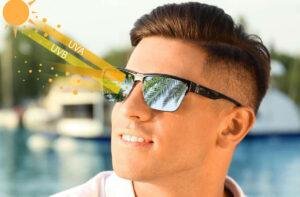
For many people in the United States, prescription sunglasses are worth the cost. They combine clear vision with protection from bright light, glare, and ultraviolet (UV) radiation. They can be especially useful if you drive, spend time outdoors, or cannot wear contact lenses comfortably.
They are not the best choice for everyone. The value depends on your prescription, lifestyle, budget, insurance, and need for features such as polarized lenses or impact protection. A second pair of prescription sunglasses may cost more than clip-ons or fit-over sunglasses, but it often feels more natural and works better for daily use.

What Are Prescription Sunglasses?
Prescription sunglasses are tinted or treated lenses made with your vision prescription. They can correct nearsightedness, farsightedness, astigmatism, and some reading or multifocal needs.
Unlike regular sunglasses, prescription sunglasses are made to match the wearer’s eyes. They may use:
- Single-vision lenses for one viewing distance
- Progressive lenses for near, intermediate, and far vision
- Bifocal lenses with separate near and distance areas
- Polarized lenses to reduce reflected glare
- Photochromic lenses that darken in response to outdoor light
- Mirrored coatings that reflect some incoming light
- UV-blocking lens materials or coatings
A key point is that tinted lenses are not automatically UV-blocking lenses. The American Academy of Ophthalmology recommends sunglasses that block 99% to 100% of UVA and UVB rays. Ask the optical provider to confirm the UV rating rather than assuming that a dark lens offers protection.
Prescription sunglasses are available in many frame types. They may look like standard sunglasses, but the lenses must also fit the frame shape, prescription strength, and optical center correctly.
Are Prescription Sunglasses Worth the Money?
Prescription sunglasses are usually worth it if you need vision correction outdoors several times a week. They offer clear sight without the need to wear contact lenses or place a clip-on over your regular glasses.
The strongest benefits are:
- Better outdoor vision: You can see clearly while walking, driving, playing sports, or working outside.
- Less squinting: Dark lenses reduce the amount of visible light reaching your eyes.
- Less glare: Polarized lenses can reduce glare from roads, water, snow, and other flat surfaces.
- UV protection: Properly made sunglasses can reduce exposure to harmful UVA and UVB rays.
- Convenience: You do not need to carry a separate clip-on or switch to contacts.
- Style and comfort: A well-fitted pair can feel and look like regular sunglasses.
They may not be worth it if you rarely go outside, have a mild prescription, or already use contacts with nonprescription sunglasses. They may also be a poor value if you buy an expensive pair without checking whether your vision insurance covers frames, lenses, or prescription sunwear.
The decision is easier when you compare the cost with how often you will use the glasses. A hypothetical $200 pair worn 200 days per year for two years costs about 50 cents per day. A $400 pair used only a few times each summer may not provide the same value.
A simple value test
Prescription sunglasses are more likely to be worth the cost when you answer “yes” to several of these questions:
- Do you wear glasses most of the day?
- Do you drive during bright morning or afternoon hours?
- Do you spend time near water, snow, sand, or concrete?
- Does glare cause headaches or eye strain?
- Do you dislike contact lenses?
- Do you need correction for astigmatism or a stronger prescription?
- Will you use the sunglasses most days in spring and summer?
- Do you need vision correction for outdoor work or sports?
If you answer “no” to most of them, clip-ons, magnetic sun lenses, fit-over sunglasses, or regular sunglasses worn with contacts may be more practical.
Main Benefits of Prescription Sunglasses
Clear vision in bright light
Regular sunglasses do not correct blurry vision. If you need glasses to see road signs, faces, or nearby objects, nonprescription sunglasses will not solve that problem.
Prescription sunglasses provide the same type of correction as ordinary prescription glasses. This can make outdoor tasks easier and safer, especially when you need to identify signs, cyclists, pedestrians, or changes in the road.
Reduced glare with polarized lenses
Polarized lenses contain a filter that blocks much of the horizontally reflected light that causes glare. They can be helpful near:
- Water
- Snow
- Wet pavement
- Car hoods
- Glass buildings
- Light-colored roads
Polarization may make outdoor vision more comfortable, but it does not automatically improve every visual task. Some people find that polarized lenses make certain LCD screens harder to read. They may also reduce your ability to see some dashboard displays, phone screens, or digital instruments at certain angles.
Polarization is a glare feature, not a UV rating. A lens can be polarized without providing adequate UV protection, so confirm both features separately.
Protection from ultraviolet radiation
Long-term UV exposure can contribute to eye problems, including cataracts and damage to parts of the eye. The National Eye Institute and the American Academy of Ophthalmology both advise using sunglasses that block UV radiation.
Prescription lenses can include UV protection, but the exact performance depends on the lens material and treatment. Ask whether the lenses block 100% of UVA and UVB or provide protection in the 99% to 100% range.
Wraparound frames can reduce light entering from the sides. However, the frame shape does not replace a verified UV rating.
Less squinting and eye discomfort
Bright light can make you squint. This may cause facial strain and make outdoor activities less pleasant. Sunglasses do not treat the underlying cause of light sensitivity, but they can reduce the amount of visible light entering the eyes.
If light sensitivity is sudden, severe, or linked with pain, redness, blurred vision, nausea, or a new headache, sunglasses are not a substitute for an eye exam. These symptoms can signal a condition that needs medical care.
Better fit than clip-ons or fit-over glasses
Clip-ons can be useful and affordable, but they may shift, add weight, or leave gaps at the sides. Fit-over sunglasses can work over larger frames, but they may feel bulky.
Prescription sunglasses are made as one frame-and-lens system. They can be lighter, more stable, and easier to wear for long periods. This matters during driving, exercise, travel, and outdoor work.
When Prescription Sunglasses May Not Be Worth It
Prescription sunglasses are not always the best buy. Their main disadvantage is that they are a second pair of glasses, which means an added purchase, a second case, and another item to maintain.
They may not be worthwhile when:
- You spend little time outdoors
- You mainly need sunglasses for short trips from a car to a building
- You already wear contact lenses comfortably
- You use a clip-on without discomfort
- Your prescription changes often
- Your budget is limited
- You need safety-rated eyewear for work instead of ordinary sunglasses
A strong prescription can also limit your frame and lens choices. High prescriptions may require thinner lens materials, smaller frames, or special designs. These options can raise the price.
Progressive prescription sunglasses may require an adjustment period. The darker lens can improve comfort, but the tinted design does not change how progressive zones work. You may still need time to adapt to the lens.
Some people also prefer not to wear dark lenses indoors. If you move often between bright outdoor areas and dim indoor spaces, photochromic lenses may seem attractive. However, many photochromic lenses do not darken fully inside a vehicle because the windshield blocks much of the UV light that activates the lens. Check the specific lens design before buying.
Prescription Sunglasses vs. Other Options
The best choice depends on how often you use sunglasses and how much vision correction you need.
| Option | Best for | Main benefit | Main limitation |
|---|---|---|---|
| Prescription sunglasses | Frequent outdoor use | Clear vision and sun protection in one pair | Higher cost |
| Clip-on sun lenses | Occasional use and tight budgets | Low cost and easy storage | Can shift or add weight |
| Magnetic sun lenses | Compatible frames | Faster switching than standard clip-ons | Only works with matching frames |
| Fit-over sunglasses | Large frames or limited budgets | Fits over existing prescription glasses | Bulkier appearance and fit |
| Contact lenses plus sunglasses | People who tolerate contacts | Wide choice of nonprescription sunglasses | Contacts may cause dryness or discomfort |
| Photochromic prescription lenses | Frequent movement indoors and outdoors | Lenses change tint automatically | May not darken well in cars |
| Nonprescription sunglasses | People without a prescription | Low cost and broad style choice | Do not correct blurry vision |
For frequent driving, a dedicated prescription pair is often more convenient than a clip-on. For occasional outdoor use, a clip-on or fit-over design may provide enough benefit at a lower cost.
For outdoor jobs, choose safety eyewear based on the job’s hazards. Ordinary prescription sunglasses may not meet workplace impact requirements. In the United States, look for the appropriate markings and ask whether the product meets the relevant ANSI/ISEA Z87.1 requirements. Your employer’s safety rules may require a specific type of protective eyewear.
Which Features Should You Choose?
The right features depend on your activities. More features can raise the price, and not every feature improves the experience for every wearer.
UV protection
Make UV protection the first requirement. Ask for lenses that block 99% to 100% of UVA and UVB radiation. Do not use lens darkness as a measure of UV safety.
Polarization
Polarization is useful when reflected glare is a major problem. It is often helpful for boating, fishing, beach visits, skiing, driving, and walking near wet roads.
It may be less useful if you need to read screens outdoors or use digital equipment with polarized displays. If you use a phone, GPS, or dashboard screen often, test the lens angle before committing.
Lens color
Lens color changes visual comfort and contrast, but no single color is best for all situations.
- Gray: Often gives a fairly neutral view and works well for general use.
- Brown or amber: May increase perceived contrast in some outdoor conditions.
- Green: Can provide a middle ground between color balance and contrast.
- Yellow: May improve perceived brightness in low light, but it is not a replacement for clear safety vision or proper headlights.
- Rose or red: May change contrast and color noticeably; comfort is personal.
Very dark lenses are not automatically safer. They can make it harder to see in shade, indoors, at dusk, or during poor weather.
Photochromic lenses
Photochromic lenses darken when exposed to certain light conditions. They can be convenient for people who move between indoor and outdoor spaces.
They are not always a substitute for dedicated sunglasses. They may take time to lighten, may not become as dark as sun lenses, and may remain lighter inside a car. Ask how the exact product behaves behind a windshield.
Mirror coatings
Mirror coatings reflect some light from the front of the lens. They can reduce brightness and add a certain look, but they do not replace prescription accuracy or UV protection. The coating can also show scratches more clearly.
Impact protection
If you work with tools, play fast-moving sports, or face flying debris, ordinary sunwear may not be enough. Ask for prescription safety glasses that meet the required impact standard. Sunglasses designed mainly for fashion may not protect the eyes from projectiles.
How Much Do Prescription Sunglasses Cost?
Prescription sunglasses in the United States often cost more than basic prescription glasses because you are paying for a frame, prescription lenses, tint, and possible upgrades. Prices vary widely by prescription, lens material, brand, retailer, and insurance.
A basic pair may cost less than a premium pair with:
- High-index lenses
- Progressive design
- Polarization
- Premium anti-reflective treatment
- A strong prescription
- A curved or wraparound frame
- Specialized sports or safety features
The final price may also include an eye exam, fitting fee, shipping, or lens remake policy. Retail prices change, so compare the current total rather than relying on an advertised frame price.
Before ordering, ask:
- Is the prescription current?
- Does the price include both lenses?
- Is UV protection included?
- Is polarization included or optional?
- Will my prescription fit the selected frame?
- Is the frame compatible with progressive lenses?
- What happens if the lenses do not feel right?
- Does my vision plan cover prescription sunglasses?
- Are replacement lenses available?
- Does the warranty cover scratches, damage, or prescription changes?
Many U.S. vision plans cover a frame allowance or prescription lenses but handle prescription sunglasses differently. Some plans offer an allowance for one pair of glasses, while others may limit sunwear or apply separate rules. Confirm benefits with the insurer before purchase.
How to Buy Prescription Sunglasses
Follow these steps to avoid paying for features you do not need.
1. Get a current eye prescription
Use a prescription that reflects your current vision needs. An eye exam can also help identify dry eye, cataracts, retinal disease, or other causes of light sensitivity.
A sunglasses purchase does not replace a comprehensive eye exam. If you have diabetes, eye disease, recent vision changes, or eye pain, ask an eye-care professional how often you should be examined.
2. Describe how you will use the glasses
Tell the optician whether you need the glasses for:
- Driving
- Fishing or boating
- Snow sports
- Running or cycling
- Beach use
- Outdoor work
- Reading outdoors
- General daily wear
The activity affects the best lens color, frame shape, polarization, and safety rating.
3. Select a frame that fits the prescription
A very large or strongly curved frame may not work well with every prescription. Your pupillary distance and optical centers must align correctly with your eyes.
The frame should sit securely without pressing on your temples or sliding down your nose. The lenses should cover the eye area well, but they should not touch your eyelashes.
4. Confirm UV protection and required standards
Ask for the exact UV protection claim. If you need protective eyewear, confirm the applicable safety rating rather than assuming that a dark lens is protective.
5. Choose only useful lens upgrades
Polarization may be worth paying for if glare is a daily problem. It may not be worth the extra cost if you mainly use the glasses in shaded areas.
Photochromic lenses may help with changing light, but dedicated sunglasses are usually better when you need maximum darkness outdoors or inside a car.
6. Check the finished glasses
When you receive the glasses, check that:
- The frame does not slide
- Your vision is clear
- The tint looks even
- The lenses are free of visible defects
- The prescription feels correct
- The glasses do not cause unusual dizziness or headaches
Allow a short adjustment period for new lenses, especially progressives. If symptoms persist or vision seems distorted, return to the optical provider for a fit and prescription check.
Common Mistakes to Avoid
The most common mistake is choosing sunglasses based only on lens darkness. Dark lenses without adequate UV protection can make the pupils open wider while still allowing harmful UV exposure. Confirm the UV rating instead.
Other mistakes include:
- Buying polarized lenses without checking screen compatibility
- Assuming photochromic lenses will darken fully in a car
- Choosing a fashion frame that cannot hold the prescription
- Using ordinary sunglasses for industrial eye hazards
- Selecting a very curved frame without professional fitting
- Forgetting that progressive sun lenses may require adaptation
- Leaving glasses in a hot car, where heat can damage frames or coatings
- Cleaning lenses with paper towels or rough fabric
- Buying a backup pair before confirming the first pair works well
- Ignoring sudden light sensitivity or a rapid change in vision
Use clean water and a lens-safe cleaner when possible. A microfiber cloth is safer than clothing, tissues, or abrasive materials. Store the glasses in a hard case when they are not in use.
Do not drive if your new glasses make your vision blurred, distorted, or uncomfortable. Contact the optical provider and have the glasses checked.
Are Prescription Sunglasses Safe for Driving?
Prescription sunglasses can be safe for driving when the prescription is correct, the lenses are not too dark, and the frame does not block your view. They can reduce glare and help you see clearly in bright conditions.
Avoid very dark lenses at dusk, at night, in tunnels, or during severe storms. Some lenses may be too dark for low-light conditions even if they feel comfortable in full sun.
Polarized lenses can reduce glare from wet roads, but they may also make some vehicle displays harder to read. Test the glasses before relying on them for long trips.
Never use tinted glasses as a replacement for proper headlights, a clean windshield, or safe driving habits. If your vision changes while driving, stop in a safe place and switch to a clearer option.
Who Should Ask an Eye-Care Professional First?
Most adults can discuss prescription sunglasses with an optometrist or optical professional. A medical eye evaluation is especially important if you have:
- Sudden light sensitivity
- Eye pain or marked redness
- New flashes or floaters
- A curtain-like shadow in your vision
- Sudden blurred or reduced vision
- Recent eye surgery
- Diabetes or known eye disease
- A history of cataracts or retinal problems
- A prescription that changes quickly
Children should also wear sunglasses that block UV radiation, especially during long outdoor activities. A child’s frame must fit securely and withstand normal use. For sports or work, ask whether protective eyewear is needed instead of ordinary prescription sunglasses.
FAQ About Prescription Sunglasses
Do prescription sunglasses protect your eyes?
They can, if the lenses provide verified UVA and UVB protection. The prescription itself does not guarantee UV protection. Check the lens specifications before buying.
Are polarized prescription sunglasses better?
They are better for reducing reflected glare, especially around water, snow, and wet roads. They are not automatically better for every activity, and they may make some screens harder to see.
Can I wear prescription sunglasses indoors?
You can, but dark lenses may reduce visibility in low light. Remove them indoors unless bright light causes a condition that your eye-care professional has evaluated.
Are prescription sunglasses covered by insurance?
Coverage varies by U.S. vision plan. Some plans cover prescription lenses or provide a frame allowance, while others limit benefits for prescription sunwear. Ask the insurer and retailer for the current benefit details.
Can I use photochromic lenses instead of prescription sunglasses?
Sometimes. Photochromic lenses are convenient for changing light, but they may not become dark enough behind a windshield or in intense sun. If you spend long periods outdoors, dedicated prescription sunglasses may work better.
How long do prescription sunglasses last?
They can last for several years with careful use, but the useful life depends on scratches, frame damage, prescription changes, and how often they are worn. Replace them when the lenses are damaged or your prescription no longer provides clear vision.
Final Verdict: Are Prescription Sunglasses Worth It?
Prescription sunglasses are worth it for many Americans who wear glasses and spend regular time outdoors. They provide clear vision, reduce bright light and glare, and can protect against UV radiation when properly made.
They are less compelling for occasional use, tight budgets, or people who already use contacts with comfortable nonprescription sunglasses. Compare the total cost, confirm insurance benefits, and choose features based on your actual activities.
The best next step is to ask an optometrist or optical provider for a current prescription-sunglass quote that includes UV protection, lens type, frame fit, warranty, and any insurance discount.
Rubel Miah is the Senior Editor at MyStyleGrid.com, where he brings a sharp editorial eye and an unshakable love for fashion to everything he does. A true style addict, Rubel lives and breathes trends, from streetwear to high fashion, and has a knack for turning inspiration into impactful stories. With years of experience in fashion journalism and digital media, he curates content that empowers readers to express themselves through style. When he’s not editing features or forecasting the next big thing, you’ll find him hunting down vintage pieces or capturing street style moments around the city.