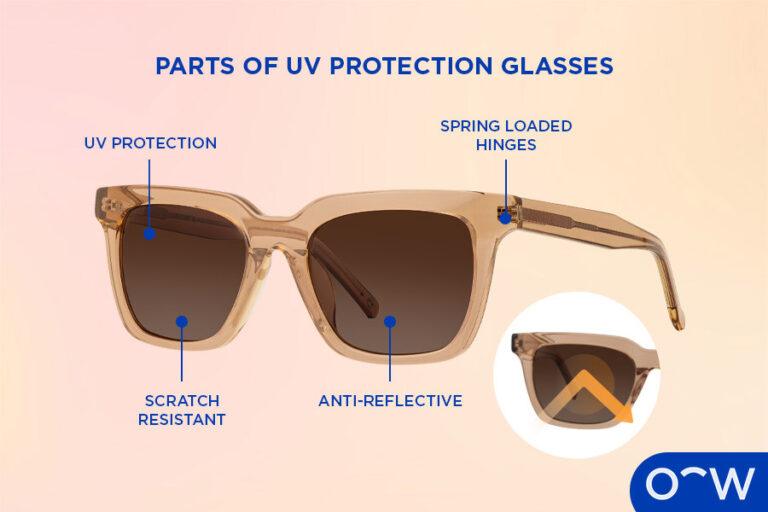
Look for UV400 labeling and verify with a UV meter or test.
If you want to know how to know if sunglasses are uv protected, you’re in the right place. I test sunglasses for a living, from budget pairs to pro gear. In this guide, I’ll show you how to know if sunglasses are uv protected with real checks, clear steps, and zero fluff. You’ll learn what the labels mean, which tests work, and which tricks fail.
Why UV protection matters
Ultraviolet light harms eyes. UVB burns the front of the eye. UVA sneaks deeper and speeds up cataracts. Long sun time also raises the risk of macular damage.
This is why you need to learn how to know if sunglasses are uv protected. Dark lenses without UV block are worse than no shades. Your pupils open wider, and more UV gets in.
Good lenses block 100% of UVA and UVB up to 400 nm. That is what UV400 means. It should be your baseline.
The fastest ways to check UV protection
Short on time? Use this checks list.
- Find a clear UV mark. Look for UV400 or 100% UV protection on the lens, tag, or product page.
- Verify standards. Seek ANSI Z80.3, ISO 12312-1, or AS/NZS 1067 compliance.
- Ask for a meter test. Most optical stores can scan lenses in minutes.
- Compare with a known good pair. Use a certified pair as your control.
If you ask me how to know if sunglasses are uv protected, I start with the label, then I verify with a meter. Labels are claims. Meters tell the truth.

Labels and standards decoded
Let’s decode the words on the tag.
- UV400 means it blocks to 400 nm. That covers UVA and UVB.
- 100% UV protection should mean the same thing. Still, verify.
- CE mark in the EU claims compliance. It should align with ISO 12312-1.
- ANSI Z80.3 is a US standard for non-prescription sunglasses.
- AS/NZS 1067 is the strict Australian and New Zealand standard.
Visible light categories are different from UV. Category 4 is very dark and not for driving. Dark does not mean safe. This is a key point in how to know if sunglasses are uv protected.

In-store testing and professional verification
Walk into an optical shop. Ask for a UV transmission test. Most stores have a digital UV meter or a spectrophotometer.
A strong pair shows UV transmission near 0%. Many readers ask how to know if sunglasses are uv protected beyond labels. This is the gold standard. I bring my travel pairs in once a year. It takes two minutes, and staff are glad to help.
Safe at-home checks that actually work
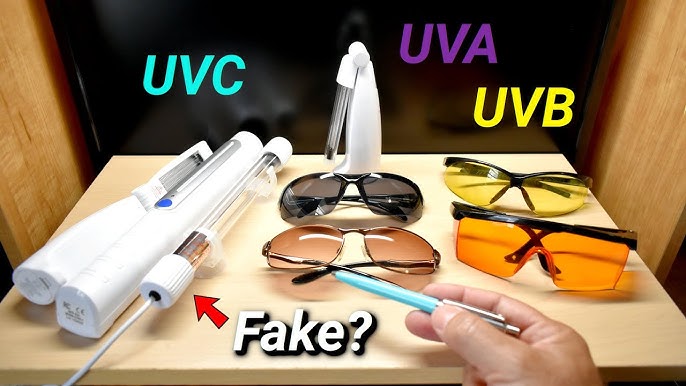
You can test at home. You need a small UV flashlight or a UV-reactive card.
Try these steps:
- Get a 365–395 nm UV flashlight and a UV test card or UV beads.
- Shine the UV on the card to see it glow.
- Place the sunglass lens between the light and the card.
- A good lens will cut the glow a lot. A poor lens will not.
You can also use a banknote with UV features. Test the same way. This method helps you learn how to know if sunglasses are uv protected without a shop. Use a known certified pair as a control for a fair check.
Do not use phone screens or camera tricks. Those do not test UV. They test glare or polarization only.

Polarized, mirror, and lens color: what they do and what they don’t
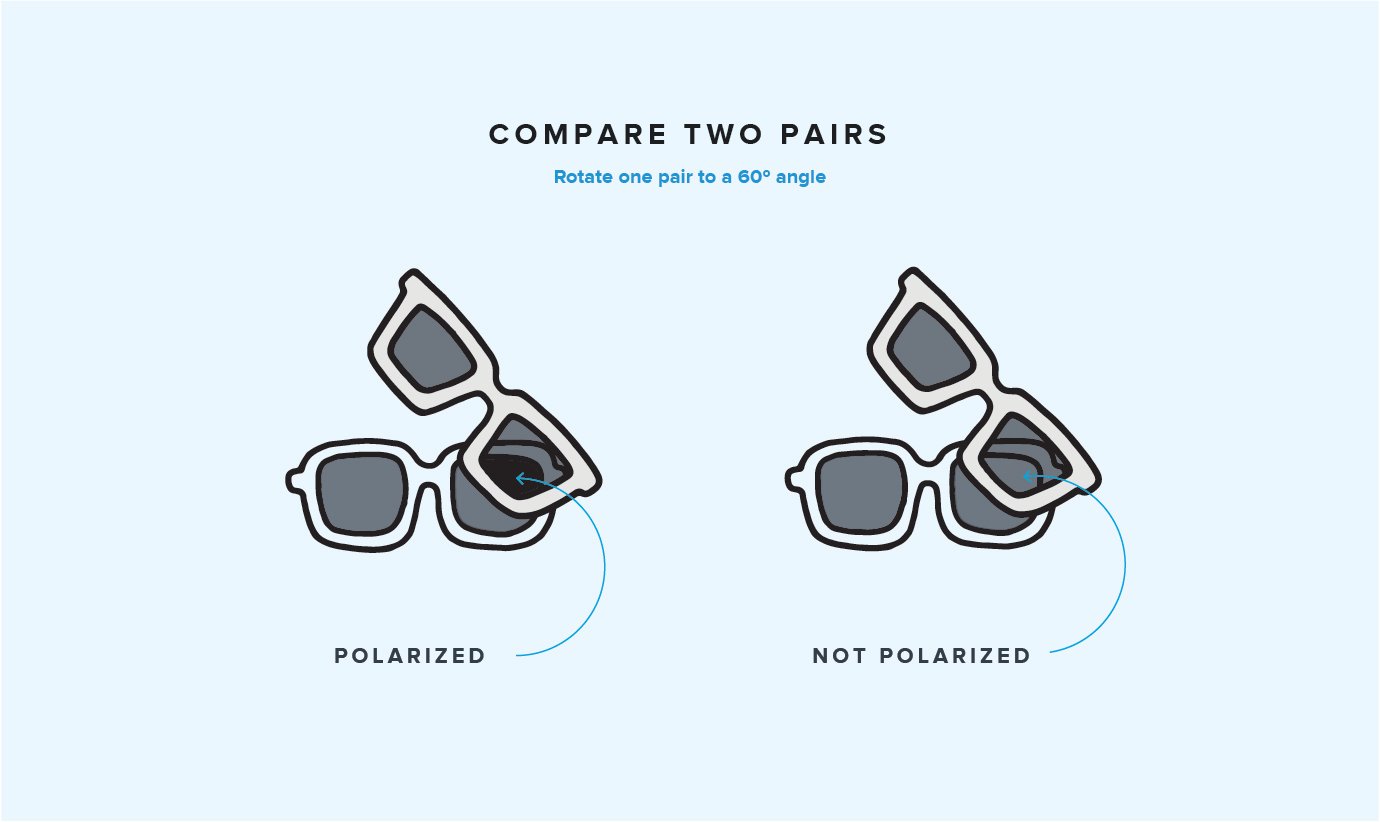
Polarized lenses cut glare. They do not prove UV protection. I have seen cheap polarized lenses with poor UV block.
Mirror coatings reflect visible light. They do not promise UV safety. Color does not equal protection either. Gray, brown, and green tints can all be safe. Even clear lenses can be UV400.
Photochromic lenses darken in sun. Good ones add full UV block. Still, if you need how to know if sunglasses are uv protected, check the standard or test them.
Fit, coverage, and frame design
UV sneaks in from the sides and top. Wrap frames help a lot. Bigger lenses shield more skin and eye.
Look for close fit at the brow and cheeks. A hat plus sunglasses is the best team. Even when you learn how to know if sunglasses are uv protected, coverage still matters.
Care, lifespan, and when to replace
Most quality lenses mix UV blockers into the lens material. That means the UV block does not rub off. It lasts for years.
Still, coatings can wear, and cheap films can peel. If the lens is badly scratched, replace it. If you are unsure how to know if sunglasses are uv protected after years of use, get them tested again. It is quick and cheap.
Smart buying tips online and while traveling
Online shopping calls for trust checks.
- Read the specs for UV400 or 100% UV.
- Look for standards like ANSI or ISO listed by name.
- Buy from known sellers with returns and a warranty.
- Watch for fake branding, odd spelling, or poor images.
- Keep a pocket UV flashlight and test card when traveling.
This is a simple plan for how to know if sunglasses are uv protected before you spend real money.
Common myths and mistakes
Let’s bust some myths.
- Darker is safer. False. Darkness is not UV protection.
- Polarized equals UV block. False. It helps glare, not UV.
- All expensive brands are safe. Often, but not always. Verify.
- Car windows block all UV. Many block UVB but let in UVA.
- Kids do not need sunglasses. They do. Their lenses are clearer and let in more UV.
Avoid these traps if you care about how to know if sunglasses are uv protected.
Real-world examples and pro tips
I test with a meter in stores when I can. I also keep a UV flashlight and a small test card in my bag. On a beach trip, a friend’s dark, mirrored pair failed the card test. The glow barely changed. We got him a certified UV400 pair the same day.
Use these quick habits.
- Keep a control pair you trust.
- Test new sunglasses at pickup.
- Re-test yearly or after big scratches.
- Teach kids how to know if sunglasses are uv protected with the card demo. They love the glow test, and it sticks.
Frequently Asked Questions of how to know if sunglasses are uv protected
How can I tell if my sunglasses are UV protected without a label?
Use a UV flashlight and a UV-reactive card or beads. If the glow drops a lot through the lens, they likely block UV.
Does polarization mean my sunglasses have UV protection?
No. Polarization reduces glare only. You still need UV400 or a meter test to be sure.
What does UV400 actually mean?
It blocks ultraviolet light up to 400 nm, covering UVA and UVB. It is the standard you want.
Are cheap sunglasses ever safe?
Yes, some are. The price does not prove safety, so confirm with UV400 labeling or a test.
Do mirrored lenses block more UV?
Not by default. Mirror coatings affect visible light and style, not UV. Always verify UV protection.
Conclusion
You now know how to know if sunglasses are uv protected with clear steps. Check for UV400 or trusted standards, and confirm with a quick test. Do not rely on tint, price, or polarization alone.
Take action today. Test your current pair. Add a UV flashlight and test card to your kit. Share this guide with a friend who is unsure how to know if sunglasses are uv protected, and help them protect their eyes for life. If you found this useful, subscribe for more practical gear checks and simple eye health tips.

Rubel Miah is the Senior Editor at MyStyleGrid.com, where he brings a sharp editorial eye and an unshakable love for fashion to everything he does. A true style addict, Rubel lives and breathes trends, from streetwear to high fashion, and has a knack for turning inspiration into impactful stories. With years of experience in fashion journalism and digital media, he curates content that empowers readers to express themselves through style. When he’s not editing features or forecasting the next big thing, you’ll find him hunting down vintage pieces or capturing street style moments around the city.