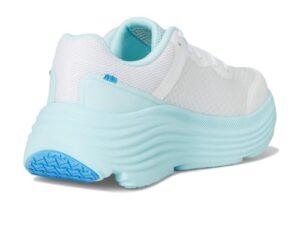
Best shoes: breathable, wide-toe, cushioned, adjustable shoes reduce friction and moisture.
Imagine waking up to itchy, blistered feet that flare with every long day on your feet. You need shoes that cut friction, let your skin breathe, and give room for swelling. I’ve tested footwear and foot-care aids in real-world wear to find what truly helps people with dyshidrotic eczema. Below I share practical picks and how to use them to ease blisters, reduce moisture, and prevent painful flare-ups.
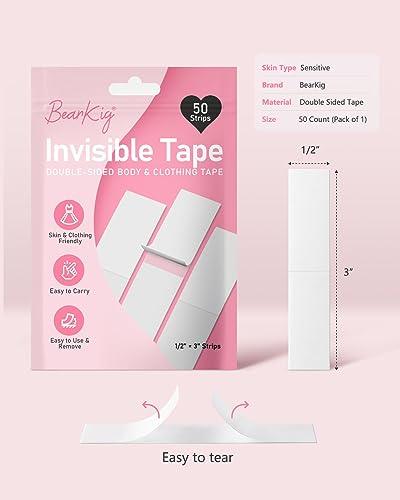
BearKig Fashion Double-Sided Tape

I use BearKig fashion tape to stop rubbing where shoes or socks meet bare skin. The strips are thin and clear. They stay put during daily activity and are gentle on sensitive skin. For dyshidrotic eczema, they can keep shoe seams from triggering blisters.
These strips are hypoallergenic and made for delicate skin. I apply them on the inside seam of a shoe or along a sock edge. They help especially with leather or stiff seams. They’re not a cure, but they reduce friction and lower flare risk.
Pros:
- Hypoallergenic adhesive for sensitive skin
- Thin, nearly invisible finish
- Easy to cut and place where friction occurs
- Lasts through a workday if applied cleanly
- Helps prevent seam rubbing that worsens dyshidrotic blisters
Cons:
- May lose hold on oily or sweaty skin
- Single-use; can run through strips quickly
- Not a replacement for a proper shoe fit
My Recommendation
This tape is best when you need a quick, low-profile fix to stop shoe seams or sock edges from rubbing. I recommend it for anyone who has sudden blisters from localized friction or who prefers closed shoes but wants less rubbing. If you wear structured shoes, apply the tape to problem spots before a long day. It’s a useful tool in a kit designed to protect feet with dyshidrotic eczema and works well alongside cushioned socks and breathable shoes.
| Best for | Why |
|---|---|
| Spot protection | Targets specific rubbing points. |
| Sensitive skin | Hypoallergenic adhesive reduces irritation. |
| Hide seams | Thin and nearly invisible under socks. |
Promifun Moleskin Strips (Beige)

Moleskin is a longtime favorite for blisters and foot hotspots. These beige sheets have an adhesive side that sticks to shoes or skin. I cut shapes to pad the heel or sides of a shoe. Moleskin reduces direct pressure and prevents new blisters in places prone to dyshidrotic flare-ups.
For people with dyshidrotic eczema, moleskin acts as a buffer. I use it inside shoes with stiff backs and along areas where toes rub. The material is thick and cushions well. It’s best on dry skin or inside the shoe, not directly on weeping blisters.
Pros:
- Thick cushioning reduces pressure points
- Easy to trim for precise coverage
- Sticks well to shoe lining or socks
- Beige color blends with shoes
- Helps prevent new blister formation
Cons:
- Can peel off if exposed to heavy moisture
- Not advisable on open or draining skin
- May bulk up tight shoes slightly
My Recommendation
I suggest these moleskin strips for anyone who needs thick, targeted cushioning to stop friction that triggers dyshidrotic eczema. Use them in the heel cup, along toe seams, or where straps rub. I like to pair moleskin with breathable shoes and moisture control to prevent flare-ups. The combo is often part of what I recommend as the best shoes for dyshidrotic eczema care kit.
| Best for | Why |
|---|---|
| Heel protection | Cushions stiff heel counters. |
| Hotspots | Trim to match exact rubbing spots. |
| Preventing blisters | Reduces shear and pressure. |
relxfeet Women’s Wide Diabetic Slippers

These relxfeet slippers are roomy, adjustable, and low-profile. They have a wide toe box and a soft upper. I wore them around the house and liked the extra width for swollen or tender feet. For dyshidrotic eczema, the soft lining and adjustable closure reduce pressure and friction.
The sole is non-slip and cushioned. I find these slippers useful for recovery days when my feet are flared and sensitive. The adjustable strap keeps the foot secure without a tight fit. They are best as indoor comfort shoes to avoid outside moisture and grime.
Pros:
- Wide toe box to avoid toe crowding
- Adjustable straps for a custom fit
- Soft interior reduces skin rubbing
- Non-slip sole for safe walking at home
- Good for swollen feet or edema
Cons:
- Not structured enough for long outdoor walks
- May lack arch support for some users
- Bulkier look compared to regular slippers
My Recommendation
I recommend these slippers for people who spend time at home and need gentle support during a dyshidrotic eczema flare. The extra width and soft lining help prevent rubbing and keep feet comfortable. I often tell readers that pairing roomy slippers with emollients and moisture control is key when managing symptoms. These are among the best shoes for dyshidrotic eczema for indoor wear and short recovery walks.
| Best for | Why |
|---|---|
| Indoor comfort | Soft, wide fit protects sensitive skin. |
| Swollen feet | Adjustable strap fits edema. |
| Slip resistance | Non-slip sole improves safety. |
KINDSHINE Moleskin Strips 60P
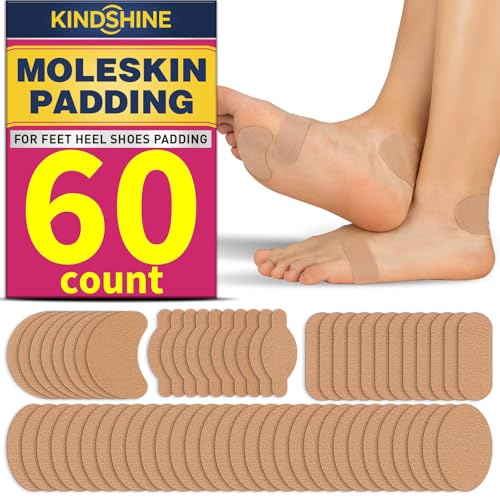
KINDSHINE offers many moleskin pieces in one kit. That variety helps when you have multiple friction points. I keep a pack in my shoe bag and apply strips where seams dig in. These pads protect the skin and lower the chance of dyshidrotic blisters forming from friction.
The adhesive holds well on fabric and shoe lining. I recommend applying to clean, dry surfaces for best adhesion. Use them to pad straps, toe boxes, and heel counters. They are inexpensive and handy for travel or emergency fixes when shoes rub unexpectedly.
Pros:
- Large quantity for multiple uses
- Varied shapes fit many trouble spots
- Good adhesive on shoe lining
- Simple to cut for custom application
- Affordable and travel-friendly
Cons:
- Not ideal for wet skin conditions
- May need replacing after heavy use
- Can add bulk to tight shoes
My Recommendation
For people who need repeated protection, this KINDSHINE pack is a smart, budget-friendly choice. I use it for trips and busy weeks when I can’t switch shoes often. It pairs well with breathable, roomy shoes that already reduce friction. In my experience, having moleskin on hand is part of the practical toolkit for managing dyshidrotic eczema and avoiding painful blisters.
| Best for | Why |
|---|---|
| Travel kit | Many pieces for on-the-go fixes. |
| Multiple hotspots | Variety of shapes covers many spots. |
| Budget buyers | Good value per piece. |
FitVille Extra Wide Men’s Sneakers

FitVille’s extra wide sneakers are built with room in the toe and a soft upper. The slip-on design reduces pressure from laces. I found them helpful for men with foot sensitivity. The roomy toe box keeps toes from rubbing together, which can worsen dyshidrotic eczema on toes and sides of feet.
The sole offers good cushioning and shock absorption. I wore them for walks and low-impact activity. Breathable mesh helps lower sweat. Combined with moisture-wicking socks, these sneakers make daily wear less likely to irritate fragile skin.
Pros:
- Extra wide fit reduces toe crowding
- Slip-on ease reduces pressure from laces
- Soft, cushioned sole for comfort
- Breathable upper reduces moisture build-up
- Good for walking and light activity
Cons:
- May lack firm arch support for some
- Mesh may not be ideal in wet conditions
- Style is more casual than formal
My Recommendation
I recommend FitVille for men who need a roomy, cushioned sneaker that cuts toe pressure. If you struggle with blisters or dyshidrotic eczema on your toes, the wider last and mesh top reduce friction and sweat. I pair these with soft socks and topical emollients for best results. They are among the practical choices I list when readers ask for the best shoes for dyshidrotic eczema in a daily shoe.
| Best for | Why |
|---|---|
| Daily walking | Comfortable cushioning and wide fit. |
| Sweaty feet | Breathable mesh reduces moisture. |
| Easy wear | Slip-on design avoids lace pressure. |
Promifun Moleskin Strips (Black)
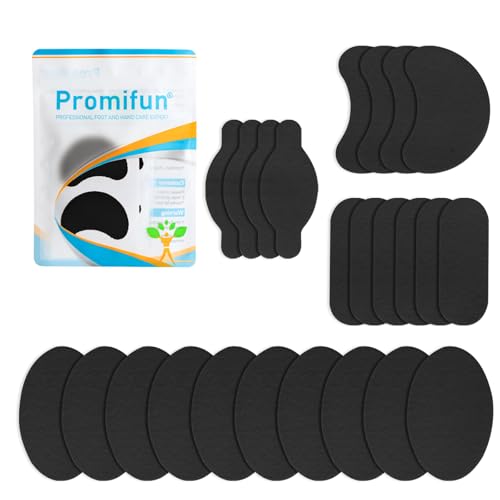
These black moleskin strips offer the same cushioning as beige options but blend better with darker shoes. I use them when I want padding without changing the shoe’s look. They cut down on friction in dress shoes or darker athletic shoes where beige would stand out.
For dyshidrotic eczema, color matters if you use padding in visible spots. The black finish keeps padding discreet. I still recommend placing them inside the shoe to protect skin and avoid direct contact with open lesions. They work best on the shoe lining or under socks.
Pros:
- Discreet in dark shoes
- Same cushioning and protection as beige moleskin
- Trim to exact shape for targeted coverage
- Good adhesive for shoe linings
- Includes multiple shapes for versatility
Cons:
- Not recommended for wet or weeping skin
- May shift in very flexible shoes
- Not a permanent fix for tight footwear
My Recommendation
Choose the black Promifun moleskin if you need unseen padding in darker footwear. I recommend them for people who want protection without altering shoe appearance. They are a practical part of managing dyshidrotic eczema when paired with well-fitting, breathable shoes. Keep extras in your bag to patch problem spots quickly.
| Best for | Why |
|---|---|
| Dark shoes | Blends with darker interiors and looks discreet. |
| Dress appearances | Keeps padding invisible in formal shoes. |
| Quick fixes | Easy to apply and trim on the go. |
Cetaphil Face & Body Moisturizer 16 oz

Cetaphil’s body moisturizer is a staple for dry, sensitive skin. It hydrates without fragrance or harsh ingredients. I keep a jar near my shoes to reapply before putting socks and footwear on. Well-moisturized skin reduces cracking and lowers the chance that shoes will irritate fragile areas with dyshidrotic eczema.
The cream is non-greasy and absorbs fast. For foot care, I apply in the evening and wear breathable socks overnight for better absorption. It won’t cure the condition but it helps the skin barrier stay intact, which reduces flare severity when combined with proper footwear.
Pros:
- Fragrance-free for sensitive skin
- Thick hydration without oily residue
- Large jar for daily use on feet
- Absorbs quickly into rough skin
- Helps strengthen skin barrier between flares
Cons:
- Not a medicated treatment for active eczema
- Requires regular reapplication for best results
- Can transfer to socks if applied too heavily
My Recommendation
I often recommend Cetaphil as part of a foot care routine for people with dyshidrotic eczema. It’s gentle, effective, and inexpensive. Use it nightly and before short walks to keep the skin supple. When combined with breathable, roomy shoes, this moisturizer helps reduce flare triggers and supports overall skin health.
| Best for | Why |
|---|---|
| Daily hydration | Maintains skin barrier to reduce flare risk. |
| Sensitive skin | Fragrance-free and gentle. |
| Cost-conscious users | Large jar offers good value for frequent use. |
VIFUUR Baby First Walker Shoes

Infants can also get hand and foot eczema. These VIFUUR baby shoes are breathable, flexible, and have a soft sole. I recommend soft, wide toddler shoes for kids with sensitive feet. The flexible sole reduces pressure and avoids stingy seams near the toes.
When caring for a child with dyshidrotic eczema, pick shoes that don’t trap moisture. These non-slip first walkers let the foot move naturally. I pair them with breathable socks and gentle moisturizers. Keep shoes clean and rotate pairs to let them dry fully between wears.
Pros:
- Flexible sole supports early walking
- Non-slip design for safety
- Soft upper reduces friction on tender skin
- Lightweight and breathable
- Easy on/off for quick changes
Cons:
- Limited arch support for older toddlers
- Sizes run small for some babies
- Not ideal for wet outdoor play
My Recommendation
I suggest these baby shoes for parents managing toddler foot eczema. Soft, flexible shoes with breathable fabric reduce rubbing and sweat. I always tell parents the best shoes for dyshidrotic eczema in kids are roomy, easy to change, and washed often. These fit that bill and help keep young feet calm and comfortable.
| Best for | Why |
|---|---|
| Early walkers | Flexible sole lets feet move naturally. |
| Sensitive toddlers | Soft linings reduce friction. |
| Indoor safety | Non-slip sole reduces falls. |
Dimora Silicone Medical Tape

Silicone medical tape sticks gently and peels off without tearing skin. I use it to secure dressings over blistered or weeping areas. For dyshidrotic eczema, using low-irritant tape is critical. Dimora’s tape adheres well without strong glue that could cause more irritation when removed.
I apply it around a dressing rather than directly over open, draining lesions. It keeps protective pads in place inside shoes. The roll format is handy for custom-length strips. For anyone who uses dressings frequently, this tape reduces removal pain and skin trauma.
Pros:
- Hypoallergenic and gentle on fragile skin
- Easy tear and pain-free removal
- Good for securing dressings in shoes
- Leaves minimal residue
- Works well over moisturized skin when needed
Cons:
- Not designed as a stand-alone blister barrier
- Can be costly vs. standard tape
- Needs careful placement to avoid wrinkles
My Recommendation
Dimora silicone tape is my go-to for securing pads and dressings when feet are sensitive from dyshidrotic eczema. I use it when I need a secure, gentle hold inside a shoe. It helps keep protective layers in place without adding more trauma at removal. If you wear closed shoes daily, this tape supports protective strategies that go hand-in-hand with choosing the best shoes for dyshidrotic eczema.
| Best for | Why |
|---|---|
| Securing dressings | Gentle adhesion that holds pads in place. |
| Sensitive skin | Pain-free removal reduces damage. |
| Custom strips | Roll format allows exact lengths. |
Gillette Pro Sensitive Shave Gel

Though a shave gel may seem off-topic, I include it because shaving legs or ankles can irritate sensitive skin and cause flares. This Pro Sensitive gel soothes and hydrates during hair removal. I suggest a mild, non-irritating gel to reduce nicks, friction, and inflammation that can trigger dyshidrotic eczema around the ankles or feet.
Use it only when needed and rinse well. After shaving, apply a gentle moisturizer. I avoid perfumed products that sting. When paired with the right footwear, limiting razor trauma helps keep skin calmer and less prone to flare-ups.
Pros:
- Mild formula for sensitive skin
- Hydrating to reduce post-shave dryness
- Helps prevent nicks and friction-related irritation
- Widely available and affordable
- Easy to rinse and gentle on skin
Cons:
- Not a treatment for eczema itself
- Can be unnecessary if you don’t shave ankles/legs
- Some users prefer foams or creams instead
My Recommendation
I recommend this sensitive shave gel if you shave around the ankles or lower leg and have dyshidrotic eczema. It reduces shaving irritation that can spread and worsen blisters. Use it sparingly and follow with a clean, fragrance-free moisturizer. Limiting skin trauma is part of the wider strategy to find the best shoes for dyshidrotic eczema and keep your feet calm.
| Best for | Why |
|---|---|
| Post-shave care | Hydrates to reduce dryness and irritation. |
| Sensitive skin | Mild formula limits sting and inflammation. |
| Prevention | Reduces shaving nicks that can lead to flares. |
FAQs Of best shoes for dyshidrotic eczema
What features matter most in shoes for dyshidrotic eczema?
Look for a wide toe box, breathable materials, soft linings, and low friction seams. Removable insoles, adjustable closures, and good cushioning help too. These features reduce moisture and rubbing, which lower flare risk.
Can sandals or open shoes help dyshidrotic eczema?
Yes. Sandals that avoid rubbing and let the skin breathe can reduce sweating and friction. But protect your feet from dirt and use moisturizer to avoid dryness. Choose arch support and cushioned soles to prevent pressure points.
Should I use tapes or moleskin inside shoes?
Yes, tapes and moleskin can reduce friction at problem spots. Use hypoallergenic tape and place moleskin inside the shoe or under socks. Avoid putting adhesive directly on open or weeping blisters.
Do moisture-wicking socks help?
Absolutely. Moisture-wicking socks pull sweat away from skin and reduce soggy conditions that worsen dyshidrotic eczema. Pair them with breathable shoes for best results.
When should I see a doctor about foot eczema?
See a dermatologist if blisters are severe, widespread, infected, or not improving with home care. A doctor can prescribe topical steroids or other treatments and advise on footwear and wound care.
Final Verdict: Which Should You Buy?
Choose breathable, wide-toe, cushioned shoes and pair them with moleskin, hypoallergenic tapes, and a gentle moisturizer for the best shoes for dyshidrotic eczema strategy. I favor roomy sneakers for daily wear and adjustable slippers for home recovery.
Keep a small kit with moleskin, silicone tape, and a fragrance-free cream. These items plus the right shoes reduce friction, moisture, and flare risk. That practical combo delivers the most reliable results.
Madison Clark is a footwear expert and the voice behind MyStyleGrid.com. She specializes in honest shoe reviews, style tips, and practical guides to help readers find the perfect pair for any occasion. With years of experience in blogging and content creation, Madison makes footwear knowledge simple, stylish, and easy to follow.