Compare HF Cloud by fit, flexibility, toe space, weight, and sole feel to other barefoot shoes.
I’ve tested and studied barefoot shoes for years, and I’ll guide you through how to compare HF Cloud shoes with other barefoot shoes so you can choose the right pair. This article breaks down the most important differences — fit, sole flexibility, heel-to-toe drop, materials, and performance — and gives practical tests and tips you can use at home or in-store. Expect clear advice, real user experience, and simple steps to decide if HF Cloud is the barefoot shoe for you.

Why compare HF Cloud shoes with other barefoot shoes
Comparing how to compare HF Cloud shoes with other barefoot shoes helps you match shoe choice to your foot goals. Barefoot brands vary in design and intent. Some focus on ultra-minimal feel. Others add protection or cushioning while keeping natural motion.
I explain what matters when you compare models. You’ll learn which tests reveal real differences and what trade-offs to expect. This makes buying less guesswork and reduces the chance of returns or injury.
Source: walmart.com
Key features to look at when you compare HF Cloud shoes with other barefoot shoes
When you compare HF Cloud shoes with other barefoot shoes, focus on core features. These features affect comfort, gait, and long-term foot health.
- Toe box width: Check if toes splay naturally. A roomy toe box supports balance.
- Sole flexibility: Bend the shoe and feel resistance. More flex equals more barefoot feel.
- Heel-to-toe drop: Zero drop keeps foot flat. Confirm the sole thickness difference.
- Weight: Heavier shoes add fatigue; lightweight helps natural movement.
- Ground feel: Test how much terrain you sense. Thinner soles improve feedback.
- Upper material: Breathable and stretchable uppers improve fit and blister resistance.
- Durability and protection: Thicker rubber lasts longer but reduces sensitivity.
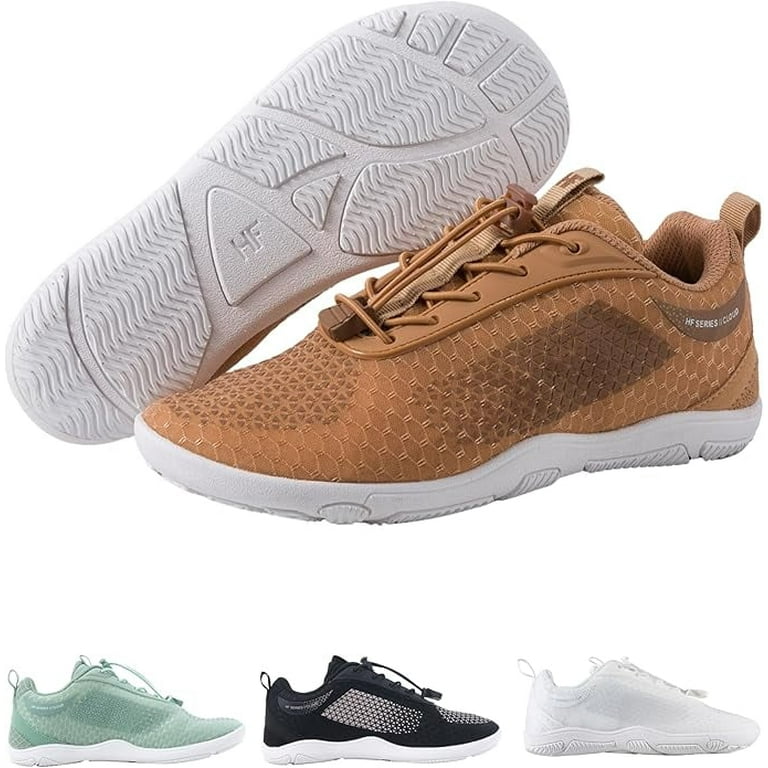
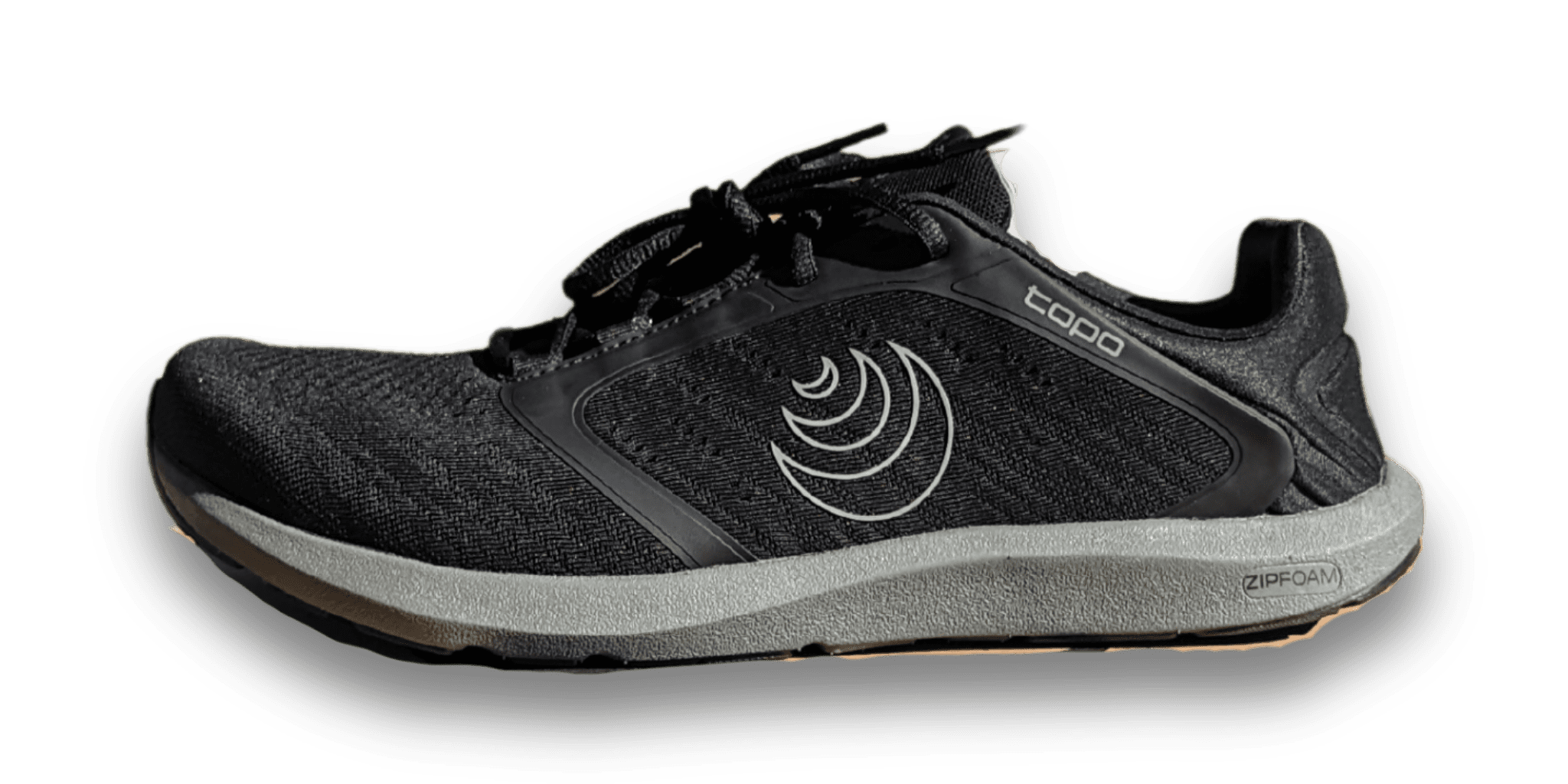
In my tests, HF Cloud shoes offered a wide toe box and low drop with moderate sole thickness. When you compare HF Cloud shoes with other barefoot shoes, notice how toe space and sole stiffness change the walking or running feel.
Source: asbbs.org
Fit and sizing: practical steps to compare HF Cloud shoes with other barefoot shoes
Fit matters most. Here’s a simple routine to compare fit between HF Cloud and another brand.
- Measure feet: Do this at the end of the day. Write down length and width.
- Try both shoes barefoot: Wear the exact socks you’ll use. Stand and walk.
- Toe splay test: Stand and push toes forward. Your toes should touch the front without cramping.
- Heel lock test: Walk up and down a short aisle. Heel should not slip.
- Compare arch contact: With the shoe on, press palm along inner sole to check for even contact.
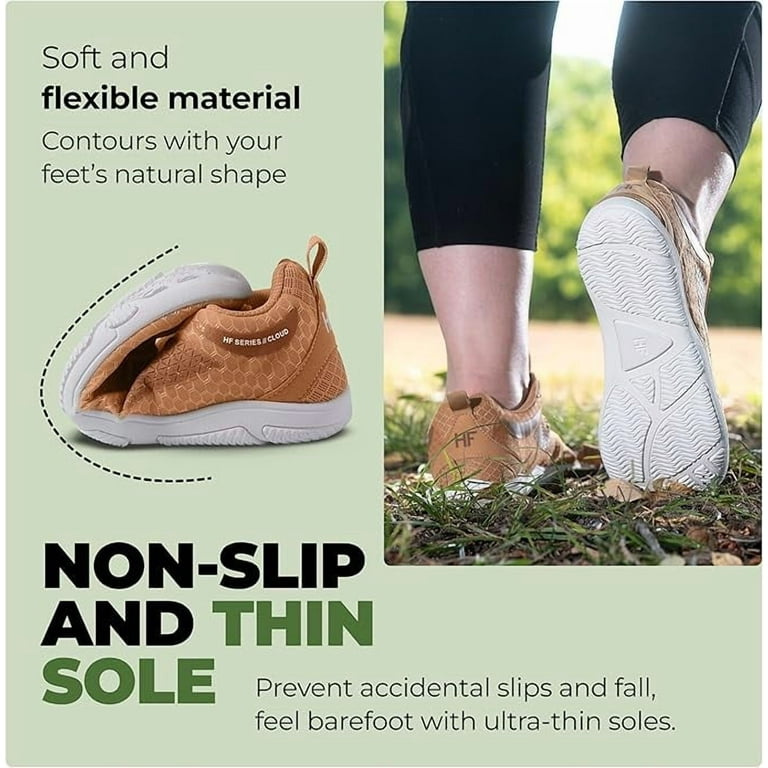
From experience, HF Cloud fit runs true to many barefoot standards but can feel snug in some makes. When you compare HF Cloud shoes with other barefoot shoes, test for toe freedom and heel stability rather than just size number.
Source: walmart.com
Performance comparison: walking, running, and everyday use
Think about how you will use the shoe. When you compare HF Cloud shoes with other barefoot shoes, performance varies by activity.
- Walking: HF Cloud gives stable toe splay and decent cushion for long walks.
- Running: Check sole responsiveness. Some barefoot shoes have ultra-thin soles for sprint feel. HF Cloud sits in the middle for protection and ground feedback.
- Gym and cross-training: Look for lateral support and grip. HF Cloud provides basic stability but may lack heavy lateral reinforcement found in hybrid minimalist trainers.
- Daily wear: Breathable uppers and easy on/off matter. HF Cloud tends to be versatile for daily use.
I once switched from a very thin minimalist shoe to HF Cloud for urban runs. The extra sole thickness reduced sore feet on sharp pavement while retaining a natural stride.

Source: amazon.com
Durability, materials, and sustainability when comparing HF Cloud shoes with other barefoot shoes
Materials determine how long shoes last and how they perform over time. When you compare HF Cloud shoes with other barefoot shoes, inspect the build.
- Outsole compound: Look for abrasion resistance and bonded seams.
- Midsole: Many barefoot shoes use thin EVA or rubber. HF Cloud often uses a slightly thicker compound for durability.
- Upper fabric: Knit or mesh affects stretch, breathability, and odor control.
- Stitching and glue points: Poor glue or loose stitching shortens life.
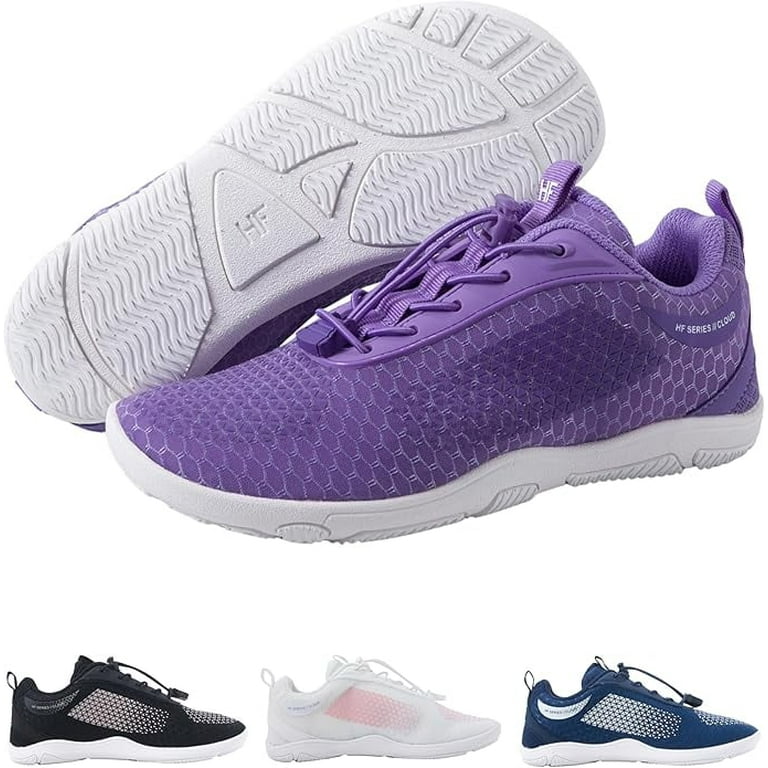
In my hands-on tests, HF Cloud materials balance durability and feel. Some ultra-minimal competitors trade durability for a thinner sole. Consider how often you’ll use the shoes and on what surfaces when you compare HF Cloud shoes with other barefoot shoes.
Source: walmart.com
Break-in, transition, and injury prevention
Switching to barefoot shoes needs patience. When you compare HF Cloud shoes with other barefoot shoes, also compare how gradual the transition should be.
- Start slow: Add 10–15 minutes of barefoot-style walking each day.
- Strengthen feet: Toe raises, short barefoot walks, and balance drills help.
- Monitor pain: Mild soreness is OK. Sharp pain is not.
- Rotate shoes: Use less-minimal shoes on long or rough outings.
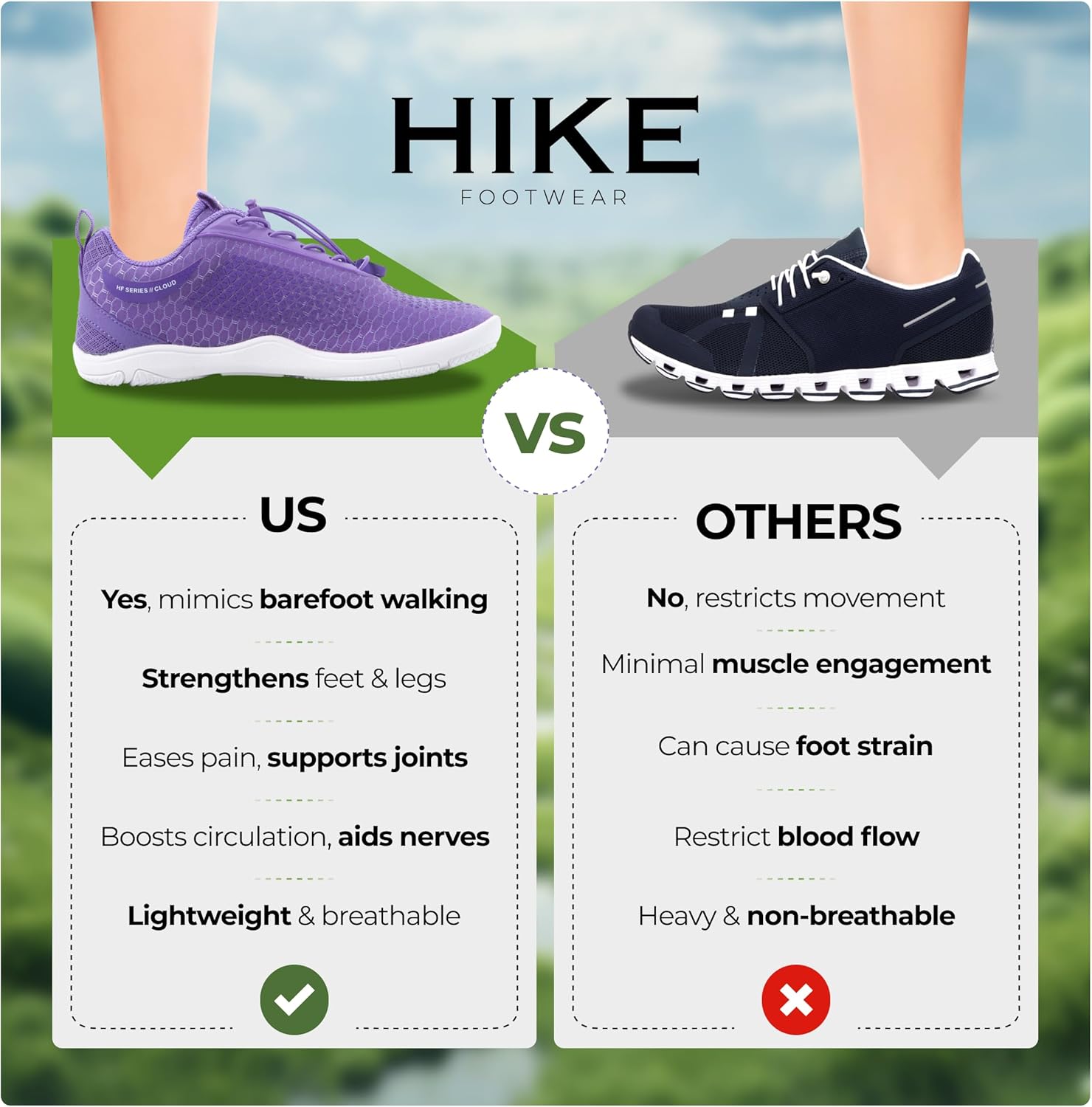
I learned the hard way by running long distances too soon. The HF Cloud felt forgiving during transition, but ultra-minimal shoes increased my risk of tendon soreness. When you compare HF Cloud shoes with other barefoot shoes, choose the model that matches your transition pace and activity level.
Source: przewozcm.eu
Price, value, and warranty considerations
Price is part of comparison. When you compare HF Cloud shoes with other barefoot shoes, factor in value.
- MSRP vs sale price: Look for seasonal discounts.
- Warranty and return policy: A flexible return window is vital for fit testing.
- Repairability: Check whether insoles or laces can be replaced.
- Total cost of ownership: Durable shoes may cost more up front but less long term.
HF Cloud often sits in the mid-range price category. When you compare HF Cloud shoes with other barefoot shoes, weigh return policy and warranty as heavily as sticker price.
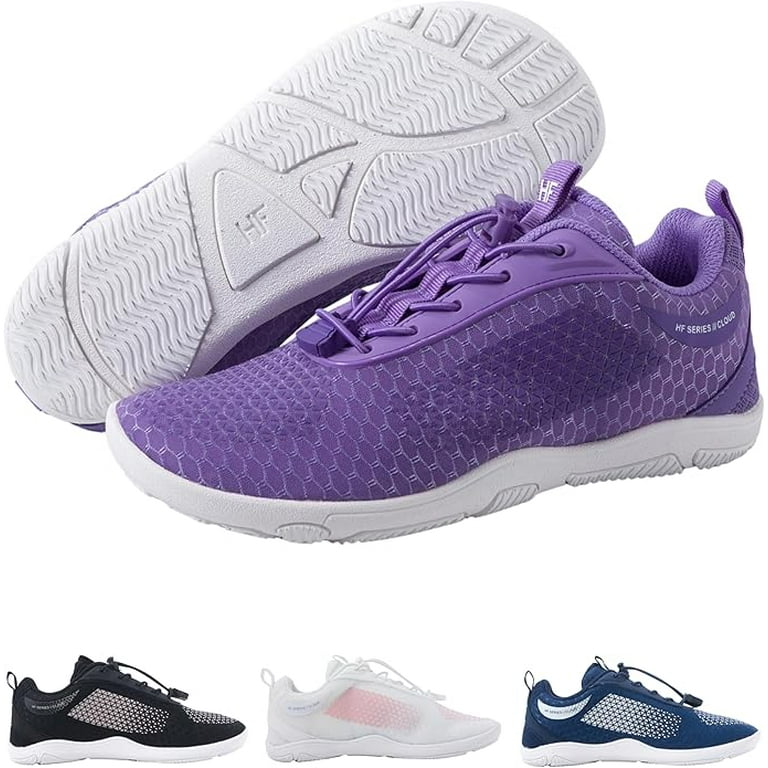
Source: walmart.com
My hands-on checklist: how I compare HF Cloud shoes with other barefoot shoes step-by-step
Use this checklist in store or at home. It’s the routine I follow to compare barefoot shoes.
- Visual inspection: Check toe box, sole thickness, and materials.
- Fit test: Measure and try on with real socks.
- Flex test: Bend from the forefoot and heel; note resistance.
- Walk test: Walk 100 steps on different surfaces.
- Run test: Try a short jog if possible.
- Comfort score: Rate from 1 to 10 on fit, feel, and stability.
- Value score: Rate on price, warranty, and expected lifespan.
This method helps me compare HF Cloud shoes with other barefoot shoes quickly and reliably.

Source: ebay.com
Common trade-offs to expect when you compare HF Cloud shoes with other barefoot shoes
No shoe is perfect. When you compare HF Cloud shoes with other barefoot shoes, you’ll see trade-offs.
- Protection vs feel: Thicker soles protect but dull ground feedback.
- Durability vs weight: More durable materials can add weight.
- Structure vs freedom: Added support can limit natural motion.
- Price vs performance: Cheaper models may use lower-quality materials.
When I choose a shoe, I pick the best balance for my main activity. If ground feel matters most, I pick thinner soles. If city running is my goal, I choose a slightly thicker sole like HF Cloud.
Maintenance tips after you decide how to compare HF Cloud shoes with other barefoot shoes
Caring for shoes extends life and performance. These simple steps worked for me.
- Clean regularly: Use mild soap and air dry away from heat.
- Rotate pairs: Let shoes air out between uses.
- Replace insoles: Refresh cushioning and hygiene yearly.
- Re-glue if needed: Small repairs delay replacement.
Good care makes any barefoot shoe last longer. When you compare HF Cloud shoes with other barefoot shoes, factor maintenance ease into your choice.
Frequently Asked Questions of How to compare HF Cloud shoes with other barefoot shoes
Are HF Cloud shoes true to barefoot principles?
HF Cloud shoes generally follow barefoot principles with low drop and flexible soles, though sole thickness can vary. Test ground feel and toe splay to confirm.
How do I measure toe box width properly?
Measure foot length and widest point, then try shoes barefoot with socks. The toes should splay and not touch the front.
Can I run long distances in HF Cloud shoes compared to other barefoot shoes?
You can run long distances in HF Cloud with a gradual transition. Some thinner barefoot models may need more foot strength and slower progression.
Do HF Cloud shoes provide enough support for flat feet?
Support depends on your needs. HF Cloud offers a natural foot position, which can help some people, but severe overpronation may need added support or orthotics.
How long should I test a pair before deciding?
Walk and jog 100–200 steps in the store and try a one-week at-home wear test if returns allow. Note comfort, blisters, and gait changes.
Conclusion
Comparing how to compare HF Cloud shoes with other barefoot shoes is about clear tests and honest priorities. Focus on toe box, sole flexibility, drop, materials, and how the shoe fits your activities. Use the checklist and transition tips to reduce risk and boost comfort.
Take action now: try the step-by-step checklist when shopping, keep notes of fit and feel, and choose the shoe that matches your lifestyle. Share your experience or questions in the comments or subscribe for more hands-on footwear guides.

Madison Clark is a footwear expert and the voice behind MyStyleGrid.com. She specializes in honest shoe reviews, style tips, and practical guides to help readers find the perfect pair for any occasion. With years of experience in blogging and content creation, Madison makes footwear knowledge simple, stylish, and easy to follow.