Are you tired of buying shoes that just don’t feel right? The secret to finding the perfect fit often lies in one simple step: measuring your shoe insole.
Knowing exactly how to measure your insole can save you from discomfort, blisters, and wasted money. You’ll discover easy, foolproof methods to get the right measurement every time. Keep reading, and you’ll never have to guess your shoe size again.
Your feet will thank you!
Why Insole Measurement Matters
Measuring your shoe insole is important for comfort and foot health. The right size supports your feet well and prevents pain. Without proper measurement, shoes may feel tight or loose. This can cause blisters, aches, or long-term problems.
Good insole measurement helps you choose shoes that fit perfectly. It also improves your walking and standing experience. Wearing well-fitted insoles can reduce tiredness in your feet and legs.
Prevents Foot Pain And Injuries
Correct insole size lowers the risk of foot pain. Ill-fitting insoles can cause blisters or calluses. They may also lead to problems like plantar fasciitis or arch pain.
Improves Shoe Comfort
Well-measured insoles make shoes feel more comfortable. They provide the right support and cushion. This helps you stay active without discomfort.
Enhances Footwear Longevity
Proper insoles reduce shoe wear and tear. Shoes last longer when insoles fit well. They keep the shoe shape stable and strong.
Supports Better Posture And Balance
Good insoles help keep your body balanced. They support your arches and align your feet. This improves your posture and reduces strain on joints.
Credit: cairocommunity.com
Tools Needed For Measuring
Measuring your shoe insole size needs a few simple tools. These tools help you get the right fit for comfort and support. You do not need anything fancy or expensive. Just a few common items will do the job well.
Having the right tools makes measuring easy and accurate. It helps avoid errors and guesswork. Let’s see what you need to measure your shoe insoles correctly.
Measuring Tape Or Ruler
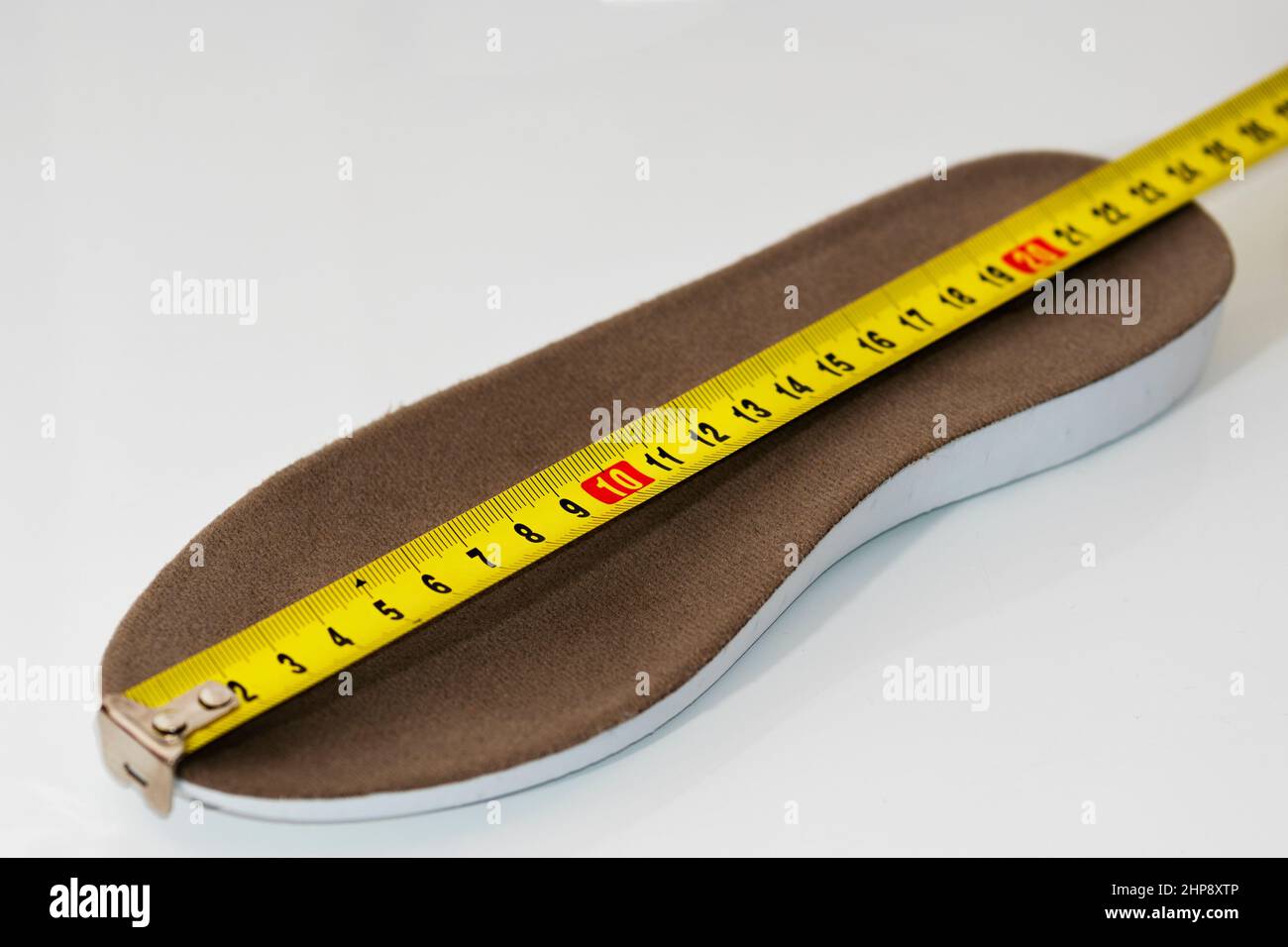
A measuring tape or a ruler is essential. It helps you measure the length and width of the insole. A flexible measuring tape works best for curves. A ruler can work if your insole is flat and easy to handle.
Pen Or Marker
You need a pen or marker to mark points on paper. This helps trace your foot or insole shape. Choose a marker that shows clearly but does not smudge easily.
Paper
Paper is useful to trace your foot or insole shape. Use plain white paper or any paper large enough to fit your foot. This helps in measuring the exact size without guessing.
Flat Surface
A flat surface is needed to place your foot or insole. It keeps your foot steady for accurate tracing and measuring. A table or floor works well as a flat surface.
Preparing Your Foot For Measurement
Preparing your foot for measurement is a key step to get the right insole size. Accurate measurement helps avoid discomfort and foot problems. Your foot changes size and shape during the day. Measuring at the right time and in the right way gives the best results.
Choose The Right Time Of Day
Feet swell after walking or standing for a long time. Measure your foot in the afternoon or evening. This shows your foot’s largest size. Morning measurements may be too small.
Wear Thin Socks Or No Socks
Thin socks or bare feet give the best measurement. Thick socks add extra size. The insole should fit your foot, not the sock.
Prepare A Flat Surface
Stand on a hard, flat floor. Soft surfaces like carpet can change foot shape. Use a piece of paper to trace your foot. This helps get a clear outline.
Stand With Full Weight On Your Foot
Put your full weight on the foot while measuring. This spreads your foot out naturally. Sitting or lifting your foot changes the size. Standing gives the most accurate shape and length.
Credit: www.alamy.com
Step-by-step Measuring Process
Measuring your shoe insole correctly helps find the perfect fit. This step-by-step process guides you through simple actions to get accurate results. Follow each step carefully for the best comfort and support.
Tracing Your Foot
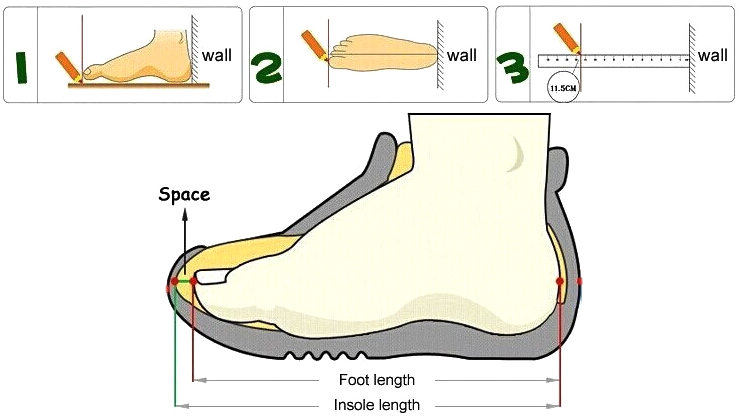
Place a piece of paper on a hard floor. Stand on it with your full weight. Use a pencil to trace around your foot. Keep the pencil straight and close to your foot. This outline shows your foot’s true shape.
Measuring Length And Width
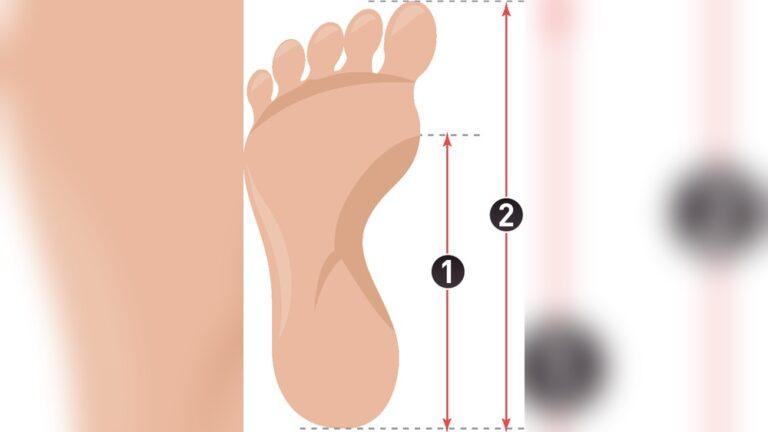
Use a ruler to measure the longest part of your traced foot. This is the length from heel to the longest toe. Next, measure the widest part across your foot. These measurements help choose the right insole size.
Checking Arch Height
Look at the inside of your foot’s outline. The arch is the curve between heel and ball. Use a flexible ruler or paper strip to check its height. Knowing your arch type helps pick the right insole support.
Choosing The Right Insole Size
Choosing the right insole size is key for comfort and support. Insoles that do not fit well can cause pain and discomfort. Measuring your foot and understanding size charts help you pick the best fit. Properly sized insoles improve your shoe’s fit and protect your feet throughout the day.
Take time to measure your foot carefully. Use these measurements to find the correct insole size. Consider the type of shoe you wear because it affects the insole choice.
Matching Measurements To Sizes
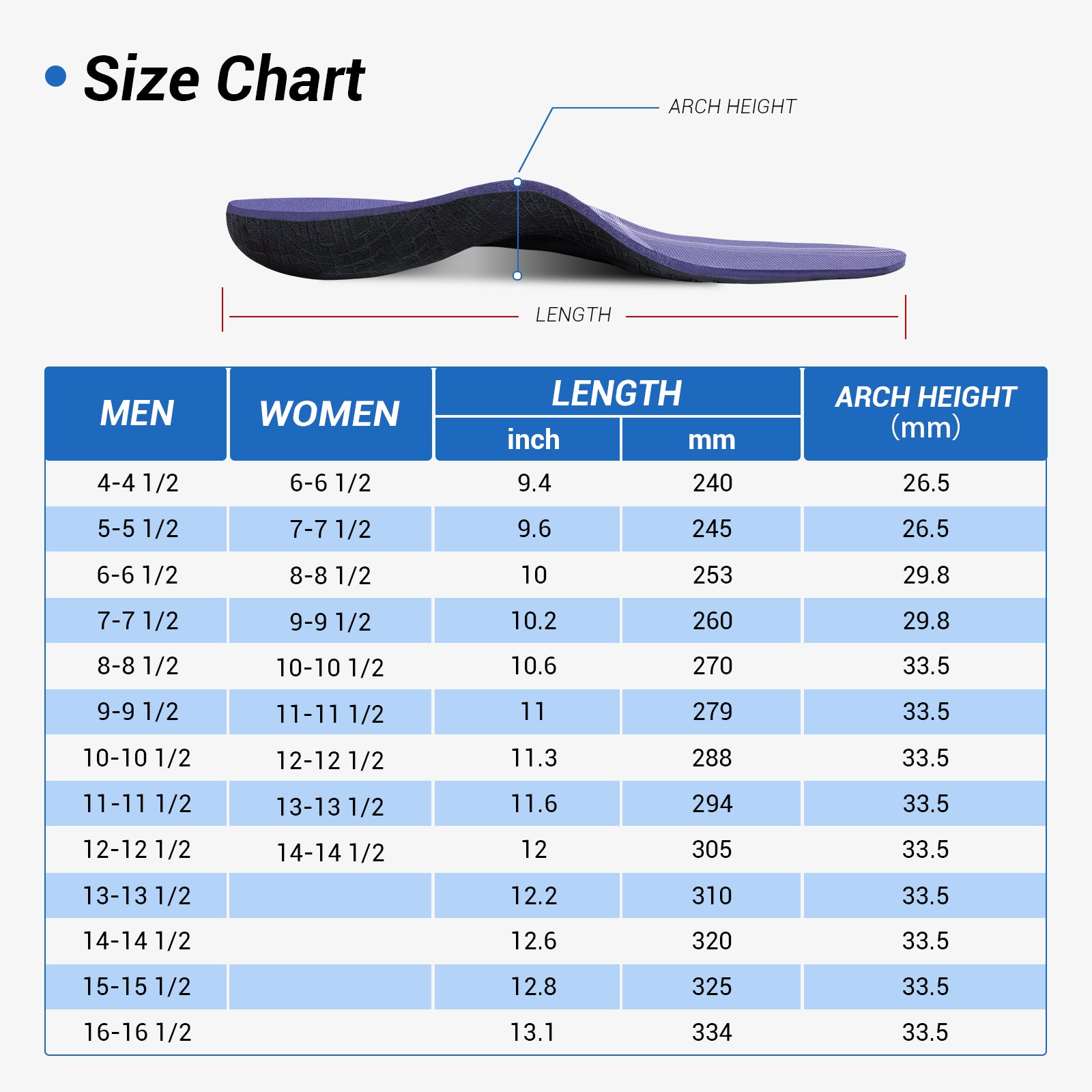
Start by measuring your foot length in centimeters or inches. Compare this measurement to the insole size chart provided by the brand. Each brand may have slight differences in sizing. Choose the size that matches your foot length most closely. If you fall between sizes, it is better to go slightly larger.
Check the width of your foot too. Wide feet may need wider insoles for comfort. Narrow feet can use standard sizes without extra width. Always verify sizing charts for both length and width.
Considering Shoe Type
Different shoes require different insole shapes and sizes. Running shoes usually need thinner, more flexible insoles. Boots may need thicker, sturdier insoles for extra support. Dress shoes often require slim insoles to fit inside tight spaces.
Think about the shoe’s interior space. Some shoes have removable insoles, making it easier to replace them. Others do not have much room for extra padding. Choose insoles that fit well without making shoes too tight.
Tips For A Comfortable Fit
Finding the right fit for your shoe insoles is key to comfort. Properly fitted insoles support your feet and reduce pain. Small adjustments can make a big difference in how your shoes feel.
Comfort comes from support and fit. Insoles should match your foot shape and size. Follow these tips to get the best comfort from your insoles.
Adjusting Insoles For Support
Start by removing the existing insole from your shoe. Place the new insole inside and check how it fits. Trim the edges carefully if it feels too tight. Avoid cutting too much; trim little by little.
Make sure the insole lays flat inside the shoe. A flat insole gives better support. If needed, add padding or inserts in areas that feel weak. Adjusting the insole helps balance your foot and reduces pressure points.
Replacing Old Insoles
Old insoles lose cushioning and support over time. Replace them every 6 to 12 months for best results. Worn insoles can cause discomfort and foot pain. New insoles restore shape and comfort.
Check for signs of wear like cracks or thin spots. Replace insoles when they no longer provide enough support. Fresh insoles improve your shoe’s fit and keep your feet comfortable all day.
Common Measuring Mistakes To Avoid
Measuring shoe insoles might seem easy. Yet, many people make simple mistakes. These errors cause wrong sizes and poor comfort. Avoiding them saves time and money.
Below are common measuring mistakes to watch for. Fixing these helps get a perfect fit every time.
Not Measuring Both Feet
Most feet are not the same size. Measuring only one foot leads to wrong insole size. Always measure both feet and pick the larger size.
Measuring At The Wrong Time
Feet swell during the day. Measuring in the morning gives smaller sizes. Measure your feet in the afternoon or evening for accuracy.
Using Incorrect Tools
Rulers or tapes that bend cause inaccurate length. Use a firm, flat ruler or a measuring device meant for feet.
Ignoring Foot Width
Length is important, but width matters too. Narrow or wide feet need insoles that match their shape. Measure width to avoid discomfort.
Not Standing While Measuring
Feet spread under weight. Measuring while sitting gives smaller sizes. Always stand up with weight on your feet during measurement.
Credit: www.outfit4events.com
Frequently Asked Questions
How Do I Measure Shoe Insole Length Accurately?
To measure shoe insole length, place a ruler inside the shoe. Measure from heel to toe in centimeters or inches. This gives you the exact insole length for proper fit and comfort.
What Tools Are Best For Measuring Shoe Insoles?
A flexible tape measure or a ruler works best. Ensure the tool measures straight from heel to toe inside the shoe. Avoid using bulky or rigid tools for precise results.
Why Is Measuring Shoe Insole Important?
Measuring the insole ensures shoe comfort and proper fit. It helps avoid foot pain, blisters, and improves walking or running efficiency. Correct sizing prevents buying ill-fitting shoes.
Can I Measure Insole Without Removing It From Shoe?
Yes, you can measure inside the shoe without removal. Insert a ruler or tape measure along the shoe’s interior sole from heel to toe.
Conclusion
Measuring your shoe insole helps find the right fit and comfort. Use a ruler or tape to get exact length and width. Mark the insole’s edges carefully for accuracy. Remember, a well-measured insole supports your feet better. This simple step can prevent pain and improve walking.
Take your time and measure both insoles for the best results. A good fit makes shoes feel like they were made for you. Start measuring today and enjoy better comfort every step.

Madison Clark is a footwear expert and the voice behind MyStyleGrid.com. She specializes in honest shoe reviews, style tips, and practical guides to help readers find the perfect pair for any occasion. With years of experience in blogging and content creation, Madison makes footwear knowledge simple, stylish, and easy to follow.