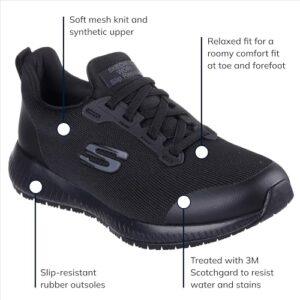
Use heat, cold, or a stretcher to gently widen athletic shoes for better fit and comfort.
I have spent years testing shoes and solving fit problems for runners and casual wearers. This guide shows practical, safe, and proven ways to stretch athletic shoes. You will get step-by-step methods, material-specific advice, and tips I learned the hard way. Read on to learn exactly how to stretch athletic shoes so they fit like they were made for your feet.

Why stretch athletic shoes and when it matters
Athletic shoes can feel tight for many reasons. New shoe materials, narrow lasts, or foot swelling can create pressure points. Knowing why a shoe is tight helps you pick the right method to stretch athletic shoes safely.
Stretching makes small adjustments. It can relieve pain from hotspots and prevent blisters. But not every pair should be stretched. If soles are too stiff or the shoe is structurally wrong, stretching athletic shoes may not help.

Materials and tools you need to stretch athletic shoes
Gather a few simple items before you start. The right tools make stretching athletic shoes more effective and safer.
- Shoe stretcher: Adjustable and made for width and toe box stretch.
- Thick socks: Two pairs for the heat-and-wear method.
- Hair dryer or heat gun on low: Controlled heat for stretching.
- Zip-top bags and water: For the freeze method to expand the toe box.
- Stretch spray or rubbing alcohol: Loosens fibers in leather or knit.
- Towels and plastic wrap: Protect insides while heating or freezing.
- Cobbler access: For stubborn or valuable shoes.
Source: healingwithhorsesranch.org
Proven methods to stretch athletic shoes
There are several reliable ways to stretch athletic shoes. Pick the one that suits your shoe material and degree of tightness.
Thick socks and heat (safe for knit and mesh)
- Put on two thick pairs of socks. Slide on the shoes.
- Use a hair dryer on medium to warm the tight areas for 20–30 seconds.
- Move your feet and flex toes while heating for even stretch.
- Keep shoes on until they cool. Repeat once daily if needed.
This method helps knit and mesh shoes without damaging adhesives.
Freeze water bags (works well for toe box)
- Fill two sealable bags 3/4 full with water. Remove air and seal.
- Place the bags inside the shoes where you need stretch.
- Put shoes in the freezer overnight. Water expands and stretches the shoe.
- Let thaw slightly before removing bags and testing fit.
This method is great for synthetic and canvas athletic shoes.
Using a shoe stretcher (most controlled)
- Insert the stretcher into the shoe.
- Turn the handle to expand width or length as needed.
- Leave for 6–12 hours for a gradual stretch.
- Repeat and recheck fit until you reach comfort.
A professional stretcher yields the most precise results for leather and heavier shoes.
Stretch sprays and alcohol (loosens fibers)
- Spray a light mist inside the problem area.
- Wear shoes with thick socks or use a stretcher while damp.
- Let shoes dry fully before testing fit.
This works well for leather and some synthetics but use sparingly to avoid damage.
Professional cobbler stretching (best for delicate or expensive shoes)
- Take shoes to a cobbler for professional stretching.
- Cobblers use heat, machines, and skill to make targeted changes.
- This is a good choice for expensive running shoes or leather trainers.
A cobbler can often do precision widening without harming shoe structure.
Manual stretching and breaking in (low-tech)
- Loosen laces fully and wear shoes around the house with thick socks.
- Walk and perform short, steady activities to encourage natural shaping.
- Repeat over several days until the shoe loosens.
This is the gentlest option and keeps adhesives safe.

Material-specific advice when you stretch athletic shoes
Different shoe materials respond differently. Match the method to the material for best results.
- Knit and mesh: Use heat, thick socks, and gradual wear. These materials are flexible and respond well to gentle stretching.
- Synthetic leather: Use stretch spray or stretcher. Avoid high heat that can melt glue.
- Natural leather: Use leather conditioner and a stretcher or cobbler. Leather can be shaped but needs slow care.
- Canvas: Freeze method or stretcher works well. Canvas stretches reliably but can look loose if overstretched.
- High-support midsoles and soles: Avoid aggressive stretching. Structural parts do not expand easily and forced stretching may damage the shoe.
Source: cgja.org
Safety, precautions, and mistakes to avoid
Stretching athletic shoes can improve comfort but can also ruin shoes if done wrong. Follow these safety tips.
- Test gradually: Make small changes and recheck fit often. Overstretching leads to loose fit and blisters.
- Avoid excessive heat: High heat can melt glue and deform soles. Use low, controlled heat only.
- Protect shoe lining: Use plastic or towels when applying heat or freezing to stop moisture damage.
- Don’t force structural parts: Stiff midsoles and reinforced heels usually cannot be safely stretched.
- Be honest about cost: If shoes are inexpensive, stretching can help. For expensive shoes, prefer a cobbler.

Source: wikihow.com
How long stretching takes and how to test fit
Patience is key when you learn how to stretch athletic shoes. Stretching is typically gradual.
- Short methods: Heat-and-wear and freeze can show results in one session. Expect small changes.
- Long methods: Stretchers and cobblers may take several sessions across days. Leather needs time to settle.
- Test fit steps:
- Wear the shoes for 10–20 minutes after stretching.
- Walk on hard and soft surfaces to check comfort.
- Look for pressure on bunions, toes, or the top of the foot.
- Stop stretching if new pain or instability appears.
Aim for comfort, not extra room. A snug but pain-free fit is best for athletic performance.
When stretching athletic shoes is not the answer
Sometimes stretching isn’t the fix. Know when to stop and replace.
- Wrong size: Shoes too short cannot be safely lengthened. Replace these.
- Structural design: Narrow lasts or rigid support systems often won’t change.
- Worn cushioning: Old midsoles lose support and won’t be revived by stretching.
- Injury-related fit changes: If you have foot deformities or serious medical needs, consult a podiatrist before stretching athletic shoes.
Source: scrumptiouscateringkc.com
Personal experience and practical tips from testing shoes
I once bought a popular running shoe that pinched my bunion. I used a shoe stretcher and two short heat sessions. The toe box widened just enough. I broke the shoe in with 20-minute walks for three days. The shoe became comfortable without losing support.
Lessons learned:
- Start slow. One short session often works.
- Combine methods for stubborn spots. For example, stretchers plus a light spray helped a tight leather trainer.
- Keep receipts and labels. If a shoe still hurts after careful stretching, return or replace it.
These tips above reflect years of trial, error, and hands-on testing. They will help you stretch athletic shoes safely and effectively.
Frequently Asked Questions of how to stretch athletic shoes
How long should I heat my shoes when using the hair dryer method?
Heat shoes for 20–30 seconds at a time on the tight area. Move and flex your foot while heating and repeat as needed, keeping sessions brief to avoid glue damage.
Will stretching athletic shoes ruin the shoe shape?
If done carefully, stretching athletic shoes will not ruin shape. Overstretching or using excessive heat can deform adhesives and soles, so proceed gradually.
Can I stretch running shoes that have a foam midsole?
Foam midsoles do not stretch much. You can widen the upper, but don’t expect length or midsole give. For midsole issues, consider a different shoe or professional advice.
Is the freezer method safe for all athletic shoe materials?
The freezer method is safe for canvas, many synthetics, and some leathers. It is not ideal for shoes with delicate glued parts or thin adhesives that may be affected by moisture.
How many sessions are needed to stretch athletic shoes properly?
Most shoes need one to three sessions for noticeable change. Leather may need more time and repeated tweaks. Test fit between sessions and stop when comfortable.
Conclusion
Stretching athletic shoes can save a favorite pair and improve comfort with the right method. Start with a careful assessment, choose a method that matches shoe material, and make gradual changes. Try simple, low-risk techniques first, and consult a cobbler for delicate or expensive shoes. Put these tips into action, test your fit calmly, and share your results or questions below to help others learn how to stretch athletic shoes.

Madison Clark is a footwear expert and the voice behind MyStyleGrid.com. She specializes in honest shoe reviews, style tips, and practical guides to help readers find the perfect pair for any occasion. With years of experience in blogging and content creation, Madison makes footwear knowledge simple, stylish, and easy to follow.