If you’re thinking about buying Birkenstock clogs, you probably want to know one thing first: do they fit true to size? Getting the right fit is key to comfort, especially with shoes like Birkenstocks that you’ll wear all day long.
I’ve worn Birkenstock clogs for years, from errands to long shifts on my feet. When they fit right, they feel amazing. When they don’t, you notice fast. Imagine slipping into clogs that feel just right—not too tight, not too loose. In this guide, I’ll walk you through how Birkenstock sizing works, how to pick your size and width, and what to expect during break-in. By the end, you’ll feel confident choosing the perfect pair for your feet and avoiding common sizing mistakes.
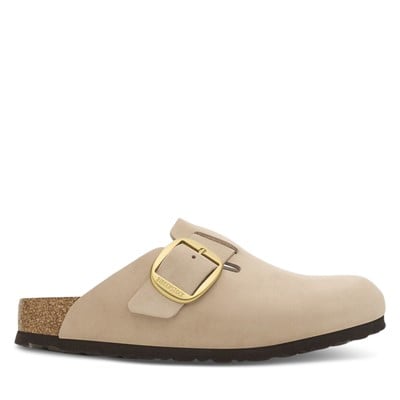
<p class="wp-block-paragraph">Credit: www.littleburgundyshoes.com </p>
Birkenstock Clogs Fit Basics
Birkenstock clogs are known for comfort, support, and durability. Do they fit true to size? In most cases, yes, if you use the right length and width. The brand builds its shoes around foot health. That focus shapes the fit and the feel from day one.
Each pair sits on a contoured cork-latex footbed that softens and molds with wear. That’s why Birkenstocks can feel different from sneakers or dress shoes. The base supports your joints and posture while letting your toes spread. Learn the sizing and width options first. It makes buying easier and helps you get comfort from the first week.
What Makes The Footbed Different
Here’s how the classic footbed supports your feet:
- Deep heel cup to center your heel and add stability
- Longitudinal arch support for balance and alignment
- Metatarsal support to ease forefoot pressure
- Raised toe bar to guide a natural grip and stride
This shape can feel roomy in the toes and snug in the heel. That’s by design. Your foot should sit “in” the clog, not on top of it.
Standard Sizing Chart
Birkenstock uses European sizing for adults, usually 35–48. Each EU size lines up with a US and UK size. For most people, the length runs true to size. But the footbed shape is unique, so the first try can feel different than you expect.
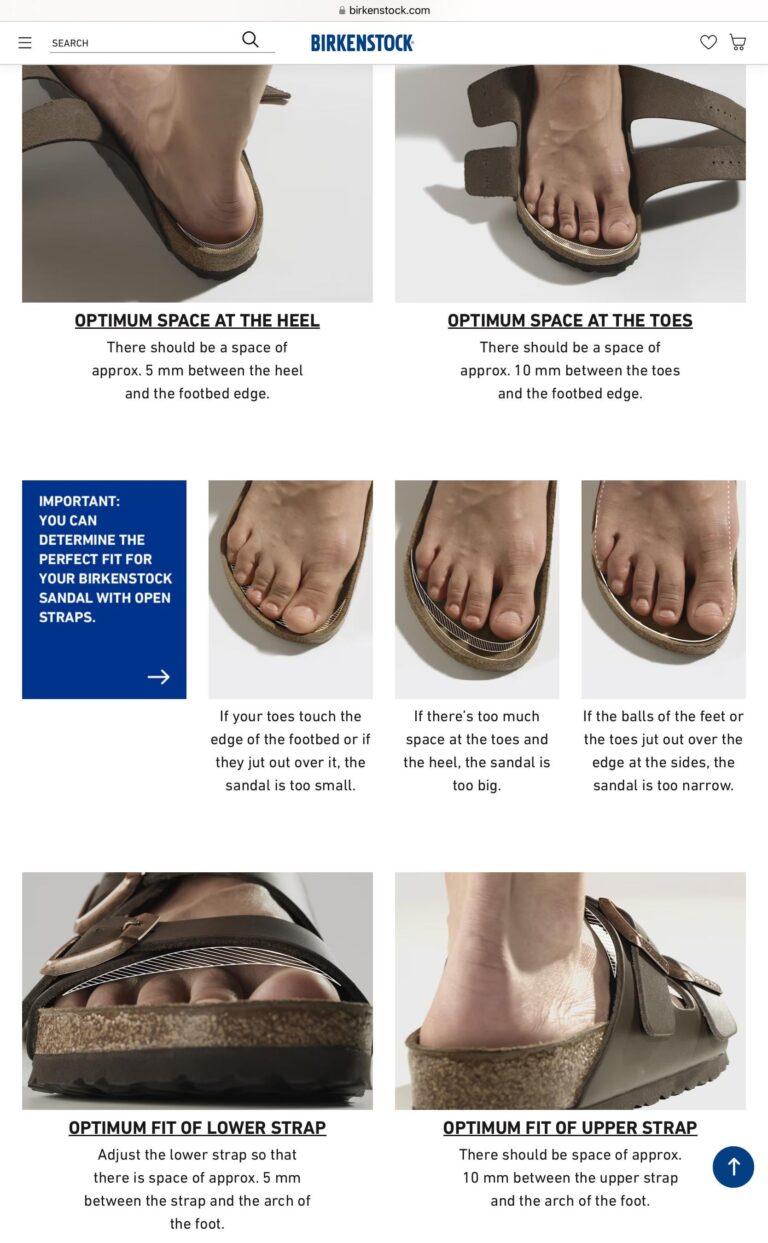
Measure your foot length in centimeters for best results. Then match it to Birkenstock’s size chart. Aim for a small buffer at the front and back—about 5–10 mm of space. This gives your toes room to move and keeps your heel seated in the cup.
Width Options Explained
Birkenstock clogs come in two widths: narrow and regular. Narrow fits slim to medium feet. Regular covers medium to wide feet. Picking the right width can be more important than changing length.
Check the icon on the box or footbed: a filled-in foot = regular width; an outline foot = narrow width. Choose the width that lets your toes splay without pinching and your heel sit secure without rubbing.
How Birkenstock Sizing Compares
Birkenstock sizing focuses on foot length and width, not just the number you wear in other brands. If you usually buy sneakers with a tapered toe, a Birkenstock clog may feel roomier at the forefoot. That’s normal. The goal is a natural foot position with even weight through the footbed.
Differences From Other Brands
Many brands use labels like “medium” without true width options. Birkenstock offers narrow and regular, which helps fine-tune the fit. The toe box is wider and the heel cup is deeper. This can make Birkenstocks feel different even if the length is the same number.
Some people size up or down compared to other shoes. This depends on your foot shape and the model. The footbed also molds over time, so the day-one fit is not the day-30 fit. Expect a firm feel at first that softens as the cork adapts.
International Size Conversions
Birkenstock uses EU sizes as the base. If you shop in US, UK, or Asia, use the brand’s conversion chart. A common example: US men’s 9 is often EU 42. In many charts, UK sizes appear about one size lower than the US number. Women’s and men’s conversions differ as well.
For the best match, measure in centimeters and use that number on the chart. It’s the most reliable way to land the right size, especially when ordering online.
Factors Influencing Fit
Several factors shape how your Birkenstock clogs feel on foot. Know these before you choose a size or width.
Foot Shape And Arch Support
The contoured footbed suits neutral to high arches very well. If you have flat feet, you may still enjoy the support, but expect a different break-in curve. Wide forefeet love the open toe area. Narrow heels appreciate the deep heel cup. If you have a high instep, you may prefer models with adjustable straps to fine-tune the top-of-foot pressure.
Material Break-in Period
Cork, leather, and nubuck need a little time to soften. New clogs can feel firm for the first few wears. This is normal. The footbed warms and molds, straps relax, and pressure points ease. Give it a few short sessions at home before long days out.
Classic Versus Soft Footbed
Birkenstock offers a Classic Footbed and a Soft Footbed option in some models. The Classic is firmer and breaks in slower. The Soft adds a thin foam layer for a cushier step on day one. The length is the same for both, but the Soft can feel slightly snug in volume at first because of the added cushion. If you like a plush feel right away, pick Soft. If you want maximum long-term support and feedback, go Classic.
Season, Socks, And Lining
Feet swell more in heat and late in the day. Trying clogs in the afternoon gives a truer read. If you plan to wear thick socks or shearling-lined versions, account for the extra volume. Shearling-lined clogs feel cozier but can run tighter. Some people size up or move to regular width to compensate.
Removable Footbeds In Work Clogs
Note that models like the Super-Birki use a removable polyurethane footbed. You can take it out to clean or replace it. This can slightly change how the fit feels over time and lets you refresh support as the insole wears.
Tips For Choosing The Right Size
Dialing in your Birkenstock size saves time and returns. Here’s how I fit myself and customers for comfort that lasts all day.
Measuring Your Foot Correctly
Measure length and width while standing. Place a sheet of paper on the floor against a wall. Stand with your heel touching the wall. Mark the longest toe. Measure heel-to-toe in centimeters. Repeat for the other foot and use the larger number. Compare to the Birkenstock chart. If you fall between sizes, prioritize enough toe room and choose your width to fine-tune the feel.
Trying On And Testing Fit
Try clogs in the afternoon. Wear the socks you plan to use. Stand, walk, and turn. Your heel should sit deep in the cup with little slip. Your arch should feel supported, not poked. Your toes should have space to move and should not press into the rim. Check that the toe bar rests under the base of your toes so they can flex and grip with each step.
Simple Fit Checklist
- 5–10 mm of space at the front and back
- Heel centered with minimal lift
- Toes splay without rubbing
- No sharp pressure at the instep
- Straps secure but not pinching
Common Fit Issues And Fixes
Even great clogs can need a tweak. Here are common issues I see and quick fixes that work.
Dealing With Tightness
New leather and cork can feel snug. Wear them at home for short sessions, 30–60 minutes at a time. Thick socks can help the upper relax. Do not soak or blast with heat. Let the materials soften naturally. If tightness remains after a few days, reassess width or try a soft footbed.
Adjusting Strap And Buckle
Use the straps to dial in volume over the instep. I like to start looser, walk a few minutes, then tighten one hole if needed. Adjust both sides evenly. You should feel secure without any pinch points. Proper strap setup prevents heel lift and reduces hot spots.
When To Size Up Or Down
If your toes hit the front or the side walls rub, size up or move to regular width. If you slide forward and the heel lifts a lot, size down or choose narrow width. Remember, the footbed will give slightly with wear, but the length will not grow. Length errors are harder to fix than width or strap issues.
Other Quick Fixes
- Heel slip: slightly tighten the top strap or try a thicker sock
- Forefoot pressure: choose regular width or a soft footbed
- Instep pressure: loosen the strap and allow a few wears for stretch
- Squeaks: a light dusting of baby powder between foot and footbed can help
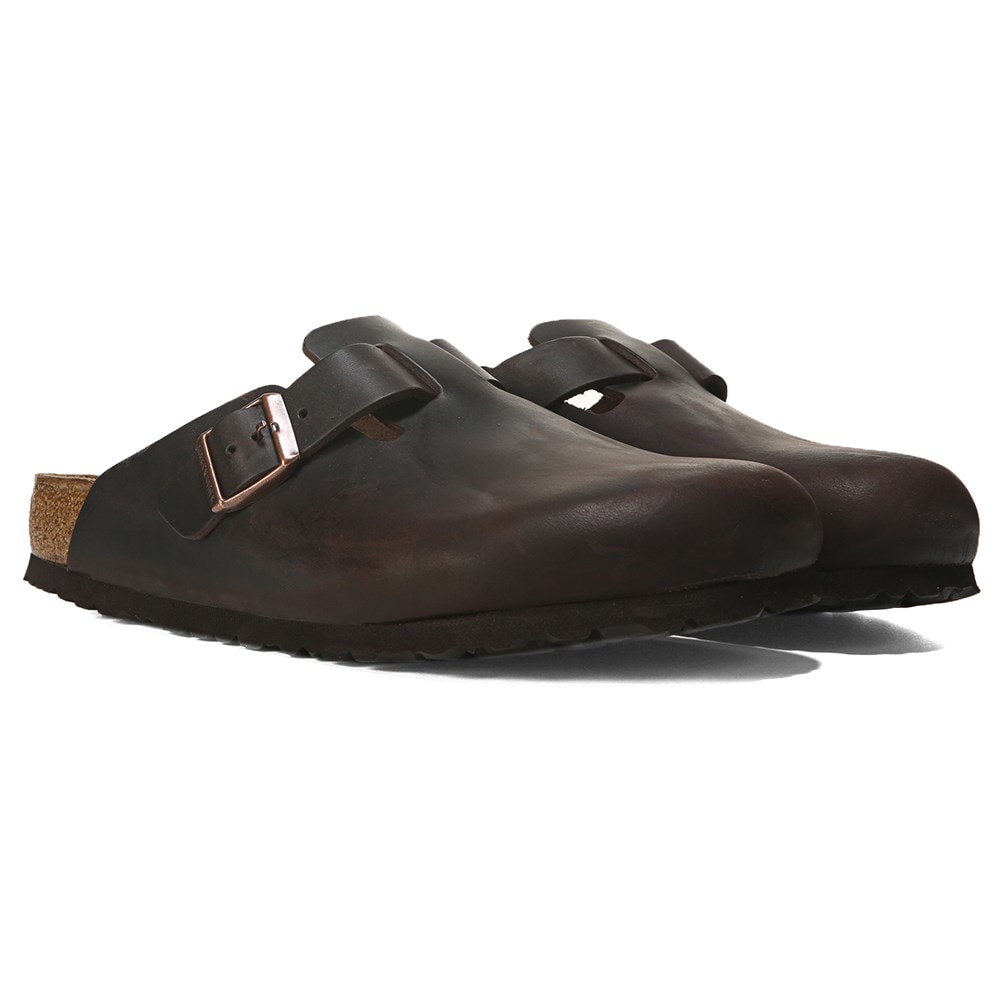
<p class="wp-block-paragraph">Credit: www.famousfootwear.ca </p>
Expert Recommendations
Here’s the advice I give friends, family, and readers who want all-day comfort from their Birkenstock clogs.
Best Practices For First-time Buyers
Try Birkenstock clogs in the afternoon. Feet swell during the day, so this gives a true fit. Walk around the store to check comfort. The footbed should hug your foot well but not pinch. If you’re on the fence about width, choose the one that lets your toes relax. If you have wider feet, consider sizing up or choosing regular width for extra room. Leather straps stretch a bit with time. Do not expect a perfect glove fit on day one, but do expect solid support.
Care Tips For Longevity And Comfort
Keep your Birkenstock clogs dry to avoid damage. Wipe uppers with a damp cloth and use a suede or nubuck brush as needed. Avoid soaking the cork footbed; moisture weakens it. Apply cork sealant once or twice a year to protect the edges. Let your clogs air out after wearing to reduce odor. Store away from direct heat to prevent cracking. Replace footbeds or outsoles when they show heavy wear—this extends the life of the upper.
Soft Footbed, Shearling, And EVA Considerations
Soft footbed adds instant cushion. It’s great if you’re on hard floors or on your feet all day. Shearling-lined clogs feel snug and warm; many people go up one size or switch to regular width. EVA clogs (lightweight foam) run roomier and feel different underfoot. They’re great for water, garden, or travel, but they won’t mold like cork.
Model-specific Sizing Notes
Different Birkenstock clogs can fit a bit differently. Here’s what I’ve seen across popular models:
Boston (Classic And Soft Footbed)
Usually true to size in length. Choose width by your forefoot volume. The toe box is generous. Shearling versions feel tighter; consider sizing up or choosing regular width if you’re between widths.
Super-Birki
Durable PU shell with a removable footbed. Runs slightly short and a bit narrow for some feet. Many size up one EU for toe room, especially if wearing socks. Great for kitchens, gardening, and messy work.
Profi-Birki / A 630 / A 640
Closed-heel, work-focused clogs with slip resistance. They can feel snug at the instep and shorter in length. If you have a high instep or plan to wear thicker socks, consider sizing up. The fit is secure for long shifts once dialed in.
Kids And Teens
Still use EU sizing. Leave a growth allowance (about a thumb’s width). Recheck fit every few months. Choose durable uppers that can handle play and weather.
<p class="wp-block-paragraph">Credit: www.reddit.com </p>
Frequently Asked Questions
Are Birkenstock Clogs True To Size For Most Feet?
Yes, Birkenstock clogs generally fit true to size. They have a consistent sizing system. However, foot width and arch height may affect comfort, so trying them on or checking sizing guides is recommended before purchase.
Should I Size Up Or Down In Birkenstock Clogs?
Most wearers should choose their regular size. If you have wider feet, consider sizing up for extra room. For narrow feet, the standard size usually fits well. Always refer to the brand’s specific size chart.
Do Birkenstock Clogs Run Narrow Or Wide?
Birkenstock clogs typically run slightly wide. They offer regular and narrow widths to accommodate different foot shapes. Selecting the correct width enhances comfort and avoids tightness or pinching.
How Do Birkenstock Clogs Fit Compared To Other Shoes?
Birkenstocks have a unique footbed that molds to your foot shape. They may feel firmer initially but provide excellent support over time. Compared to other shoes, they offer a snug, secure fit designed for comfort.
How Much Room Should I Have At The Toes?
Aim for about 5–10 mm in front of your longest toe. Your toes should move freely without hitting the edge. A little space helps as the footbed settles and your foot spreads.
Do Birkenstocks Stretch Over Time?
Yes, leather and nubuck relax, and the cork molds to your foot. Expect the upper to give slightly. The length will not change, so start with enough toe space.
Are Birkenstock Clogs Good For Plantar Fasciitis?
Many people with plantar fasciitis like the strong arch and heel cup. The support can reduce strain for some. As always, check with a healthcare professional for personal advice.
What If I’m Between Sizes Or Widths?
Choose length first so your toes have room. Then pick width to match your forefoot. If you’re between widths, try both. The right width solves more problems than changing length.
Can I Wear Socks With Boston Clogs?
Yes. Many people do, especially in cooler months. Try on with the socks you plan to wear. Heavier socks may need a touch more room or a regular width.
Conclusion
Birkenstock clogs usually fit true to size in length when you use the brand’s chart and choose the right width. The footbed feels firm at first and then adapts. Consider your arch height, instep, and whether you’ll wear socks. Try them late in the day, walk around, and use the strap to fine-tune.
The right pair should hold your heel, give your toes space, and support your arch. When that clicks, you get all-day comfort and a clog that lasts. Trust your feet—and take a few short break-in sessions. Happy walking in your new Birkenstocks!

Madison Clark is a footwear expert and the voice behind MyStyleGrid.com. She specializes in honest shoe reviews, style tips, and practical guides to help readers find the perfect pair for any occasion. With years of experience in blogging and content creation, Madison makes footwear knowledge simple, stylish, and easy to follow.