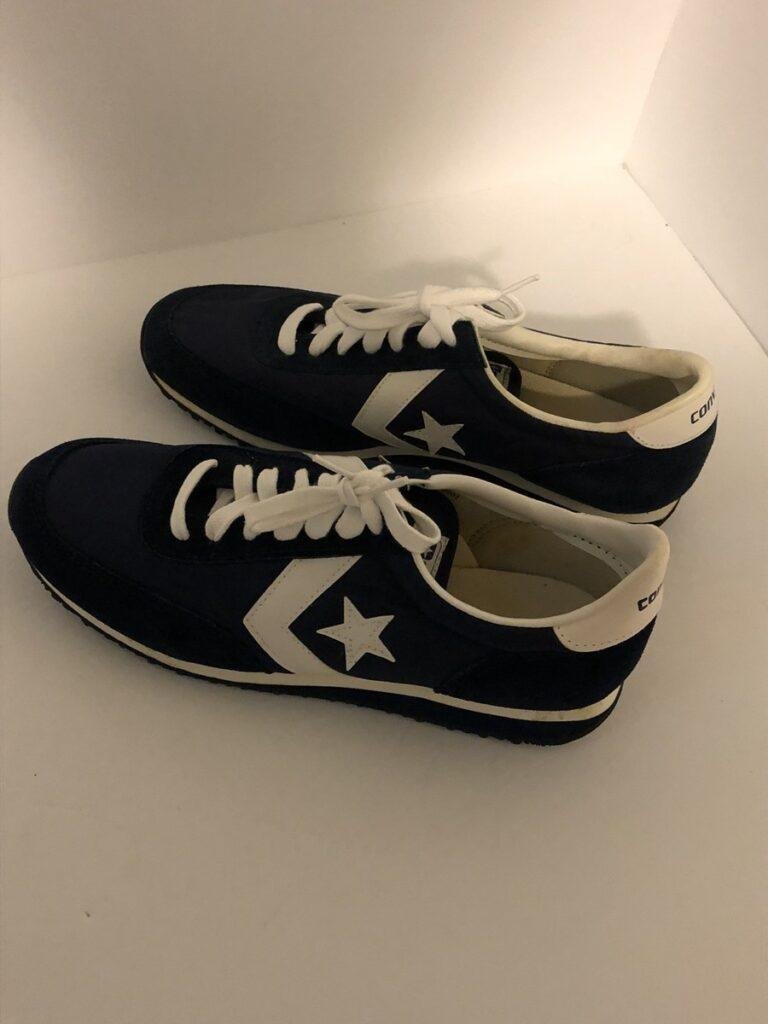
No, converse shoes are usually not good for running because they lack cushioning, support, and shock control.
The question “are Converse shoes good for running” matters because a casual sneaker can feel comfortable while still failing under repeated impact. Converse shoes work well for daily wear, lifting, and casual training, but most runners need a shoe built for forward motion, impact protection, and foot stability. This guide explains the key differences so you can choose wisely and avoid common foot and joint problems.
Are Converse Shoes Good for Running?
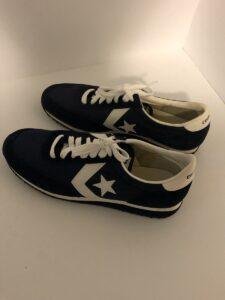
For most people, Converse shoes are not a good choice for regular running. Classic models such as the Chuck Taylor All Star have a flat rubber sole, thin cushioning, and a flexible canvas upper. These features suit casual walking and some gym exercises, but they do not provide the protection most runners need.
Running creates repeated impact with every step. A typical run may include thousands of foot strikes, and the force travels through the feet, ankles, knees, hips, and lower back. A proper running shoe helps manage that force with cushioning, structure, and a sole designed for smooth forward movement.
Converse shoes can be acceptable for a short jog in some cases. However, they are not designed as running shoes, and their limits become clearer as distance, speed, or training frequency increases.

Why Converse Shoes Are Not Ideal for Running
The main issue is not that Converse shoes are poorly made. They are simply made for a different purpose. Classic Converse sneakers are lifestyle shoes, while running shoes are engineered around gait, impact, and repeated movement.
Limited cushioning
Most classic Converse models use a thin insole and a flat rubber midsole. This setup gives you a firm feel close to the ground, but it offers limited shock absorption.
Some runners prefer a firm ride. Still, a firm sole is not the same as a supportive running platform. Without enough cushioning, your feet may feel tired sooner, especially on pavement or concrete.
Flat sole design
Chuck Taylor shoes have a fairly flat sole. This can be useful for weightlifting because it gives you a stable base. Running, however, involves a rolling motion from heel to midfoot and then toward the toes.
A running shoe usually has a shaped midsole that supports this transition. Converse shoes provide much less guidance during that motion.
Minimal arch support
Classic Converse shoes do not offer much built-in arch support. This may not bother someone with healthy feet during casual use, but it can become a concern during repeated running.
People with flat feet, high arches, plantar fasciitis, or a history of foot pain may need more targeted support. A flat, lightly cushioned shoe can increase discomfort when used for long runs.
Limited heel protection
Many running shoes include extra cushioning under the heel. This design helps soften landing forces for runners who strike with the rear part of the foot.
Converse shoes usually have less heel padding and a lower level of impact protection. That difference may be noticeable after several miles.
Canvas upper and fit issues
The canvas upper on many Converse shoes is durable and stylish, but it may not provide the secure, breathable fit of a running shoe. Running shoes often use engineered mesh, padded collars, and structured heel counters.
A loose heel can cause slipping. A tight toe box can lead to blisters, black toenails, or numb toes. Your feet may also swell during a run, so a proper running shoe should allow enough room for natural movement.

When Can You Run in Converse Shoes?
There are a few situations where running in Converse shoes may be reasonable. The key is to keep the effort short, easy, and occasional.
Converse shoes may work for:
• A short emergency jog
• A brief warmup at low speed
• Casual activity on a soft, even surface
• Walking mixed with a few minutes of jogging
• Light gym sessions that do not involve much running
They are less suitable for:
• Daily road running
• Long-distance training
• Sprint workouts
• Trail running
• Running on hard concrete
• Marathon or half-marathon preparation
• Running when you already have foot, knee, or ankle pain
If you decide to jog in Converse shoes, pay attention to warning signs. Stop if you notice sharp pain, numbness, unusual swelling, or pain that changes your stride.

Converse Shoes for Different Types of Exercise
The answer to “are Converse shoes good for running” may be no, but that does not mean they are bad for every workout. Their flat sole can be useful for certain activities.
Weightlifting
Converse shoes are popular for basic strength training. Their flat sole can help you feel stable during squats, deadlifts, and presses.
A stable base may also make it easier to keep your feet planted. However, Converse shoes are not ideal for Olympic lifting, advanced powerlifting, or workouts that combine heavy lifting with lots of running.
Walking
Many people can walk comfortably in Converse shoes. Short walks on flat ground are usually less demanding than running.
For long walks, however, you may prefer shoes with more cushioning and better arch support. Comfort depends on your foot shape, walking style, and the condition of the shoe.
Indoor court sports
Classic Converse shoes were historically linked with basketball, but modern basketball shoes provide far more support and cushioning. Converse shoes may not protect well during jumping, quick cuts, or sudden stops.
For basketball, tennis, or pickleball, choose a shoe made for that sport.
High intensity workouts
Converse shoes may work for strength-focused workouts, but they are not the best option for high intensity interval training that includes running, jumping, or repeated lateral movement.
A cross-training shoe is usually a better compromise. It offers more support for side-to-side movement while remaining stable for strength exercises.

How Running Shoes Differ From Converse Shoes
Understanding the design difference makes the answer clear. A running shoe is built around repeated forward motion, while a Converse sneaker is built around casual use and style.
Most running shoes include:
• A cushioned midsole to reduce harsh impact
• A shaped heel-to-toe transition
• A supportive heel counter
• Breathable materials
• A secure but flexible upper
• A rubber outsole designed for road or trail grip
• A wider and more comfortable toe area
• A design matched to different foot and gait needs
Converse shoes usually offer:
• A flat, firm sole
• Basic cushioning
• A simple canvas or synthetic upper
• Limited arch structure
• Casual traction
• Less protection for repeated impact
Neither design is automatically better for every activity. The best shoe depends on what you plan to do. Converse may be a good lifestyle or lifting shoe, while running shoes are better for regular jogging and distance work.

Can Converse Shoes Cause Running Injuries?
Converse shoes do not automatically cause injuries. Injury risk depends on many factors, including training volume, running form, recovery, body weight, terrain, strength, and past injuries.
Still, using a casual flat shoe for frequent running may increase discomfort for some people. Common problems can include:
• Heel pain
• Plantar fascia irritation
• Achilles tendon soreness
• Shin pain
• Knee discomfort
• Blisters
• Forefoot pain
• Ankle fatigue
The risk may be higher when you suddenly increase your distance or run on hard surfaces. A shoe with little cushioning can make that change feel more demanding.
Research on running injuries does not show that one shoe prevents every injury. Shoe choice is only one part of the picture. A gradual training plan, proper rest, strength work, and attention to pain are just as important.
If pain lasts for more than a few days, worsens during exercise, or changes the way you walk, seek advice from a qualified health professional. A podiatrist or physical therapist can assess your feet and movement more accurately than a shoe review can.

Are Converse Chuck Taylors Good for Running?
Classic Converse Chuck Taylors are not recommended for regular running. Their flat sole and limited cushioning make them better for casual wear, lifting, and short periods of light activity.
The high top version may feel supportive around the ankle, but ankle coverage does not equal true running support. It does not control foot motion or provide the cushioning found in a purpose-built running shoe.
Chuck Taylors may also become uncomfortable as your feet warm up and swell. Their narrow shape can press against the toes, especially during longer sessions.
If you love the look of Chuck Taylors, keep them for daily wear or strength training. Use running shoes when you plan to run more than a brief distance.

Are Converse Run Star Hike Shoes Good for Running?
Converse Run Star Hike shoes are also not designed for regular running. Their thick platform sole may look cushioned, but visual thickness does not guarantee proper impact control or stability.
The raised outsole can feel heavier and less natural during a run. It may also make your foot work harder when you change direction or land unevenly.
These shoes are better suited to fashion, casual walking, and light everyday use. They should not replace road running shoes, trail running shoes, or cross-training shoes.
The same principle applies to other Converse platform models. A thick sole, high top, or modern shape does not automatically make a sneaker suitable for running.
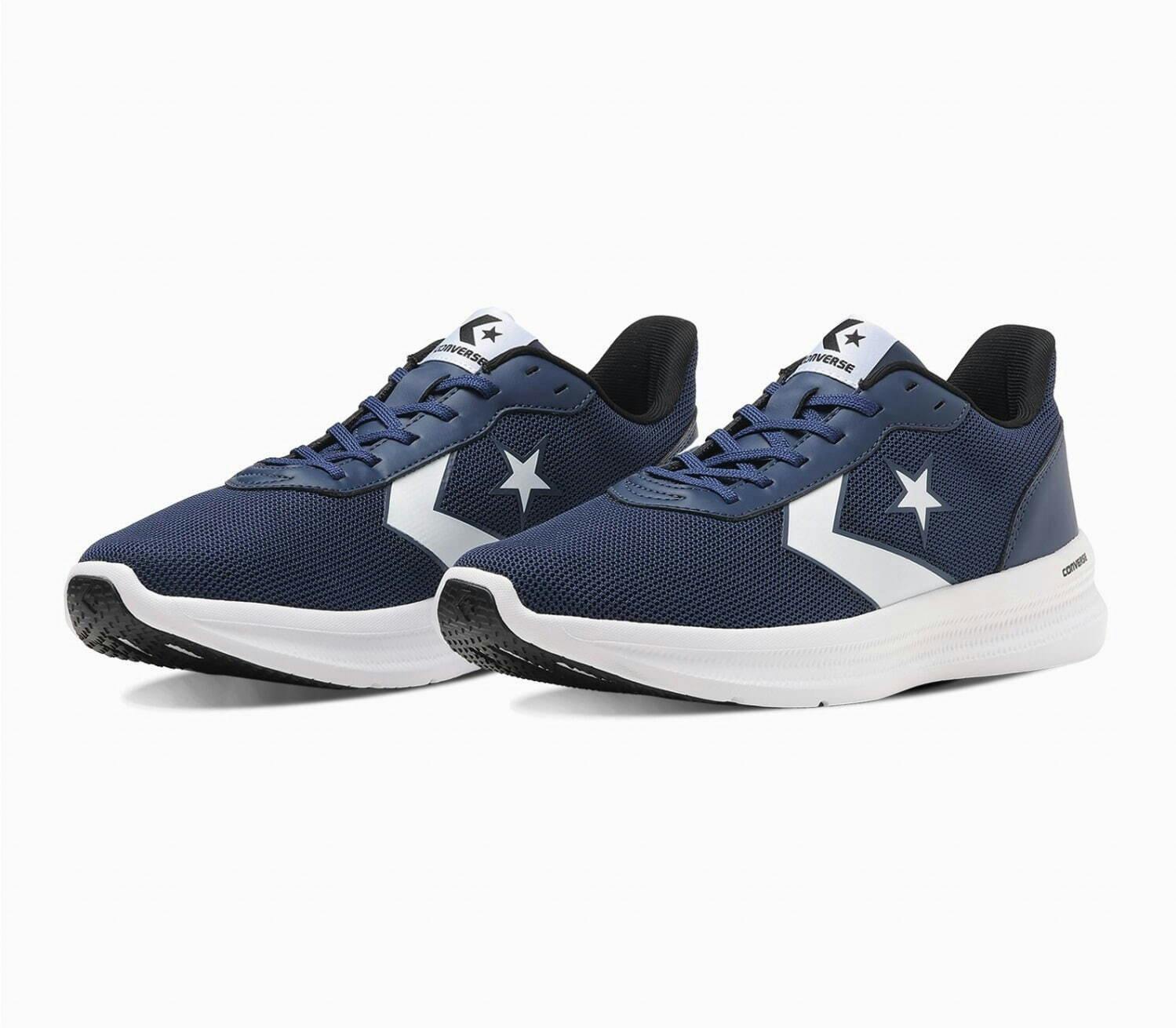
How to Choose Shoes for Running
Choosing a running shoe does not need to be complicated. Start with your activity, then focus on fit and comfort.
1. Match the shoe to your surface
Road shoes work well on pavement, sidewalks, and treadmills. Trail shoes use deeper lugs and stronger materials for dirt, rocks, and uneven ground.
If most of your runs are on asphalt, choose a road running shoe. If you run on wooded paths, look for a trail model with suitable grip.
2. Check the fit
Your heel should feel secure without pressure. Your toes should have room to spread and move.
A useful test is to leave about a thumb’s width between your longest toe and the front of the shoe. Try shoes later in the day, when your feet are slightly larger.
3. Walk and jog in the shoe
Do not judge a running shoe only by its appearance. Walk, bend, and jog a little if the store allows it.
Look for smooth movement and a comfortable fit. If a shoe feels painful in the store, it is unlikely to improve after several miles.
4. Consider your training goals
A beginner running twice a week may want a comfortable daily trainer. A speed runner may prefer a lighter shoe. A long-distance runner may value cushioning and a roomy fit.
You do not need the most expensive shoe. You need a shoe that matches your body, distance, surface, and comfort needs.
5. Replace worn shoes
There is no perfect mileage number for every runner. Some shoes last longer than others, and body weight, terrain, and running style all matter.
Replace your shoes when the tread is worn, the midsole feels flat, or new aches appear without another clear cause. A shoe can look clean while its foam has lost much of its response.

Practical Tips If You Already Run in Converse Shoes
If Converse is the only shoe you have today, you can reduce risk by keeping the session easy. Do not use them for a long run simply because they feel fine during the first five minutes.
Try these steps:
• Keep the distance short
• Run on a soft, even surface
• Avoid sprints and steep hills
• Wear moisture-wicking socks
• Stop at the first sign of sharp pain
• Do not increase distance and speed at the same time
• Replace worn or compressed insoles
• Move to running shoes for regular training
One common mistake is judging a shoe by comfort while standing still. Running creates much more stress than walking around a store. A shoe can feel fine for ten minutes and still become painful after repeated foot strikes.
Another mistake is assuming that a high top protects the ankle. Ankle support comes from the entire shoe, your movement control, and your strength. More fabric around the ankle does not turn a casual sneaker into a running shoe.
A Simple Test for Running Shoe Comfort
You can use a basic comfort test before buying or training in a new pair.
-
Put on both shoes and wear the socks you normally run in.
-
Check that your toes can move without touching the front.
-
Walk for several minutes.
-
Jog slowly if possible.
-
Notice whether your heel slips or your arch feels strained.
-
Check for pressure points after removing the shoes.
Comfort is important, but it should not be the only factor. A shoe also needs a secure fit, suitable cushioning, and enough support for your running surface.
There is no universal best running shoe. Foot shape and personal preference vary. Two runners can use the same shoe and have very different results.
Frequently Asked Questions About Are Converse Shoes Good for Running
Are Converse shoes good for jogging?
Converse shoes may be acceptable for a very short, easy jog, but they are not ideal for regular jogging. Their flat sole and limited cushioning provide less protection than a running shoe.
Can I run a mile in Converse shoes?
Some people can run a mile in Converse shoes without immediate pain, but that does not make them a good long-term choice. Running shoes are safer for repeated miles because they offer better cushioning, fit, and movement support.
Are Converse shoes good for treadmill running?
Converse shoes are not the best option for treadmill running. A treadmill still creates repeated impact, so a comfortable running shoe with proper cushioning is usually a better choice.
Are Converse shoes good for lifting and running?
Converse shoes can work well for lifting but are less suitable for running. If your workout combines heavy strength exercises with frequent running, consider cross-training shoes or use separate shoes for each activity.
Are high top Converse shoes better for running?
High top Converse shoes are not necessarily better for running. Extra ankle fabric does not provide the cushioning, foot guidance, or impact control found in running shoes.
Can Converse shoes cause foot pain?
Converse shoes can contribute to foot pain in some people, especially during long walks or regular runs. The risk may be greater if the shoes are worn, too tight, or poorly matched to your foot shape.
What shoes should I wear instead of Converse for running?
Choose a running shoe with a secure heel, enough toe room, comfortable cushioning, and a sole suited to your surface. A specialty running store can help you compare options and assess the fit.
Conclusion
So, are Converse shoes good for running? Usually not. Classic Converse sneakers are useful for casual wear, walking, and some strength workouts, but their flat soles and limited cushioning make them a poor choice for regular or long-distance running.
Use Converse shoes for the activities they suit, and choose running shoes for repeated miles. Start with a comfortable fit, increase your training slowly, and take pain seriously. If this guide helped, share your experience or explore more advice on choosing the right shoes for your workout.

Rubel Miah is the Senior Editor at MyStyleGrid.com, where he brings a sharp editorial eye and an unshakable love for fashion to everything he does. A true style addict, Rubel lives and breathes trends, from streetwear to high fashion, and has a knack for turning inspiration into impactful stories. With years of experience in fashion journalism and digital media, he curates content that empowers readers to express themselves through style. When he’s not editing features or forecasting the next big thing, you’ll find him hunting down vintage pieces or capturing street style moments around the city.