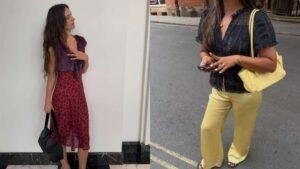
Dresses offer comfort, easy styling, better airflow, and flexible movement for many daily activities.
After years of comparing outfits for work, travel, warm days, and special events, I have found that dresses often make getting dressed simpler. They can create a complete look with one garment while giving your body room to move.
That does not mean pants are bad. Pants remain useful for some jobs, sports, weather, and personal styles. Still, understanding why dresses are better than pants can help you build a wardrobe that feels more comfortable, practical, and expressive.
Why Dresses Are Better Than Pants for Everyday Comfort
Comfort is one of the main reasons many people choose dresses. A dress usually does not press against the waist, grip the thighs, or rub between the legs. It hangs from the shoulders or waist and lets air move around the lower body.
This loose shape can feel especially pleasant during long days. Whether you are working at home, running errands, or meeting friends for lunch, a comfortable dress can reduce the need to adjust your clothing.
Many people also sleep better in a loose nightdress than in tight pajama pants. The same idea applies during the day: fewer tight seams can mean fewer points of pressure.
Dresses reduce common pressure points
Pants often include several areas that may feel tight:
• Waistbands that dig into the stomach
• Seams that rub the inner thighs
• Zippers, buttons, or hooks that press against the body
• Tight knees that limit movement
• Thick fabric that traps heat
A well-fitted dress avoids many of these issues. The right cut still matters, of course. A bodycon dress or stiff formal dress may feel less comfortable than soft, loose pants.
From my own clothing tests, the fabric makes a major difference. Cotton, linen, rayon, and soft jersey often feel light and easy. Thick polyester or rough lace may not offer the same comfort.

Dresses Offer Better Airflow in Warm Weather
Hot weather makes clothing choice more important. Dresses often allow more air to reach the legs and lower body than full-length pants. This can help you feel cooler on sunny days.
The effect becomes stronger when you choose breathable fabric. Linen and cotton absorb moisture and allow air to pass through. lightweight blends can also work well, though their comfort depends on the fiber and weave.
This is another reason why dresses are better than pants during summer. A loose sundress may feel far cooler than denim jeans, especially when you walk outside or spend time in a warm room.
The best fabrics for hot days
Look for:
• Linen for strong airflow and a relaxed look
• Cotton for softness and easy care
• Lightweight rayon for a smooth, flowing shape
• Chambray for a casual alternative to heavy denim
• Moisture-wicking athletic fabric for active use
Color can help, too. Light shades often absorb less heat than dark shades. A loose fit also matters more than color alone because tight clothing can trap warmth against the skin.
Still, dresses have limits. A short dress may not feel practical in strong wind, and some fabrics wrinkle easily. A slip, bike short, or lightweight lining can improve comfort and confidence.
One Dress Can Create a Complete Outfit
Pants usually need a top. A dress often works as the full base of an outfit. This can save time in the morning and reduce decision fatigue.
When I pack for a trip, I can fit several dresses into a small bag and style each one in different ways. One dress may work with sneakers during the day, sandals at dinner, and a jacket in the evening.
This simple approach explains why dresses are better than pants for easy outfit planning. You have fewer pieces to match, but you still have many styling choices.
Simple ways to style one dress
Try these combinations:
• Add sneakers and a denim jacket for a casual day
• Wear flats and a cardigan for the office
• Add sandals, jewelry, and a small bag for dinner
• Use boots and a sweater for fall
• Layer a turtleneck under a sleeveless dress in cool weather
Accessories can change the mood of the same garment. A belt creates shape, while a loose cardigan creates a softer look. A blazer adds structure without requiring a full suit.
This also helps reduce wardrobe clutter. Instead of buying many separate tops and pants, you can invest in a few useful dresses and several layers.
Dresses Make Personal Style More Visible
Clothing is more than a way to cover the body. It can show mood, culture, creativity, and confidence. Dresses offer many shapes, colors, prints, and lengths, so they can become a strong part of personal style.
A shirt and pants outfit may look polished, but a dress can create a clear visual line from shoulder to hem. This can make the outfit feel intentional, even when it took only a few minutes to choose.
That does not mean dresses are more stylish for everyone. Style is personal. The real benefit is the range of choices available, from a simple T-shirt dress to a tailored wrap dress.
Dress shapes for different preferences
• A-line dresses offer room through the hips and suit many body shapes
• Wrap dresses allow adjustable fit around the waist
• Shirt dresses create a casual but polished look
• Maxi dresses provide coverage and a flowing shape
• Fit-and-flare dresses add structure near the waist
• Shift dresses offer a loose, straight fit
One mistake I often see is choosing a dress only because it looks good on a model or hanger. The better choice is the dress that works with your body, lifestyle, and comfort needs.
Try sitting, walking, bending, and raising your arms before buying. A dress should look good while standing, but it should also support real life.
Dresses Can Support Easy Movement
A dress can provide a wide range of movement, especially when it has a loose skirt or stretch fabric. This can help during walking, gardening, housework, or casual social activities.
The design matters. A narrow pencil dress may restrict your stride, while a pleated midi dress may let you move with ease. A dress with a side slit can provide extra space without adding bulk.
This is one reason why dresses are better than pants for relaxed movement. The fabric can move with the body instead of gripping each leg separately.
Choose dresses for the activity
Use these guidelines:
• Pick a knee-length or midi dress for walking and daily errands
• Choose a stretch dress for travel and long car rides
• Select a lined dress for windy outdoor events
• Wear bike shorts under a short dress for extra security
• Choose a moisture-wicking dress for light exercise
Dresses are not always the best choice for every activity. Cycling, climbing, contact sports, and some types of physical work may require pants or specialized clothing.
The goal is not to follow a strict fashion rule. It is to match the garment to the task while keeping comfort and safety first.
Dresses Can Be Practical for Work and Travel
Many people think dresses are only for parties or formal events. In reality, the right dress can work well in offices, classrooms, airports, and meetings.
A simple knit dress with a blazer can look professional without feeling stiff. A wrinkle-resistant dress can also be useful for travel because it takes up little space and needs fewer matching pieces.
When traveling, I prefer dresses with secure pockets or room for a crossbody bag. Without those features, carrying a phone, keys, or wallet can become annoying.
Travel benefits of dresses
Dresses can help you:
• Pack fewer outfit pieces
• Create several looks with one base garment
• Stay comfortable during long sitting periods
• Dress up quickly for an unexpected plan
• Avoid matching tops and bottoms
Choose fabrics carefully for travel. Merino wool blends, jersey, wrinkle-resistant rayon, and technical fabrics can perform well. Linen feels cool but may need steaming or a relaxed attitude toward wrinkles.
For work, check the dress code first. A sleeveless dress may need a jacket, and a short hemline may not suit every workplace. Practical styling means respecting the setting while keeping your own comfort.
Dresses Can Improve Wardrobe Efficiency
A useful wardrobe is not the largest wardrobe. It is the one that helps you get dressed with less stress. Dresses can support this goal because one item often replaces two or three separate pieces.
This can also make shopping more focused. Instead of buying random items, you can look for dresses that fill clear roles:
• A casual cotton dress for weekends
• A polished dress for work
• A warm knit dress for cooler months
• A formal dress for special events
• A versatile black dress for many settings
Buying fewer, better-made items may also reduce waste. Clothing production uses water, energy, labor, and raw materials, so extending the life of each garment matters.
However, a dress is not automatically sustainable. A poorly made dress that wears out quickly may create more waste than durable pants. Check the stitching, fabric quality, care instructions, and expected use before buying.
Dresses Can Be More Inclusive When Fit Is Flexible
A flexible dress can suit many body changes. Wrap styles, elastic waistlines, and loose silhouettes may remain comfortable when weight, swelling, or body shape changes.
This can be helpful during pregnancy, recovery, travel, or days when your body feels different. Pants with a rigid waistband may feel uncomfortable during these times.
Still, not all dresses are inclusive. Some have narrow shoulders, limited size ranges, no bust room, or poorly placed seams. Shoppers should look for brands that provide clear measurements and detailed fit notes.
Fit features that improve comfort
Look for:
• Adjustable straps
• Stretch panels
• Elastic or tie waists
• Room across the chest and hips
• Linings that prevent cling
• Pockets placed at a useful height
A comfortable dress should not require constant pulling, tugging, or covering. If you spend the whole day managing the garment, it is not the right garment for you.
This is an important lesson: why dresses are better than pants depends on design, fit, and personal needs. The best clothing choice is the one that lets you focus on your day.
Common Limitations of Dresses
A balanced guide should explain where dresses may fall short. Dresses can ride up when you sit, expose more leg than expected, and feel less secure in strong wind. Some styles also lack pockets.
Pants may be better for outdoor labor, cycling, hiking, cold weather, and activities that need leg protection. They can also offer more modesty and security in certain settings.
You can solve some dress problems with simple layers:
• Wear slip shorts under short or flowing dresses
• Choose tights in cold weather
• Add leggings for extra coverage
• Select dresses with pockets
• Use a safety pin or fashion tape for loose necklines
• Pick heavier fabric for windy days
The point is not to prove that one garment wins every time. It is to understand why dresses are better than pants in many everyday situations while recognizing when pants make more sense.
How to Choose the Right Dress
Start with your routine. Think about where you go, how much you walk, what weather you face, and how much care you want to provide.
Use this simple process:
-
Choose the main purpose, such as work, travel, errands, or events.
-
Select a fabric that fits the weather and care level.
-
Check the length while standing and sitting.
-
Walk, bend, and raise your arms before removing the tags.
-
Look for useful features such as pockets, lining, and adjustable straps.
-
Test the dress with shoes and layers you already own.
-
Review the care label before buying.
Fit is more important than the number on the size tag. Sizes vary widely between brands, so measurements provide a better guide than a label alone.
If you are unsure, begin with a simple midi dress in a neutral color. It is easy to style, offers good coverage, and works across many seasons.
Frequently Asked Questions About Why Dresses Are Better Than Pants
Are dresses more comfortable than pants?
Many people find dresses more comfortable because they have fewer tight waistbands and seams. Comfort still depends on the fabric, fit, length, and activity.
Why are dresses better than pants in hot weather?
Dresses often allow more airflow around the legs and lower body. Lightweight fabrics such as cotton and linen can make them especially useful on warm days.
Can dresses be worn for work?
Yes. A modest, well-fitted dress can work in many professional settings when paired with suitable shoes, a blazer, cardigan, or other layer. Always follow your workplace dress code.
Do dresses make packing easier?
Often, yes. One dress can act as a complete outfit and work with several shoes or layers. Wrinkle-resistant fabrics are especially useful for travel.
Are dresses better than pants for every activity?
No. Pants may be safer and more practical for cycling, hiking, cold weather, manual work, or contact sports. The best choice depends on the activity and the level of protection needed.
How can I wear a dress without worrying about exposure?
Choose a suitable length, wear slip shorts or bike shorts, and check the dress while sitting and walking. Layers such as tights or leggings can add coverage and confidence.
Conclusion
Dresses can offer comfort, airflow, easy styling, flexible movement, and efficient packing. They may also help you express your personal style with fewer wardrobe pieces.
The strongest case for why dresses are better than pants is not that dresses suit everyone or every situation. It is that the right dress can make daily dressing feel simple, cool, polished, and free.
Try one versatile dress in a fabric and shape that match your routine. Wear it with shoes and layers you already own, then notice how it performs during a real day. Explore more practical style guides, and share your favorite dress outfit in the comments.
Rubel Miah is the Senior Editor at MyStyleGrid.com, where he brings a sharp editorial eye and an unshakable love for fashion to everything he does. A true style addict, Rubel lives and breathes trends, from streetwear to high fashion, and has a knack for turning inspiration into impactful stories. With years of experience in fashion journalism and digital media, he curates content that empowers readers to express themselves through style. When he’s not editing features or forecasting the next big thing, you’ll find him hunting down vintage pieces or capturing street style moments around the city.