Yes, men’s boots are in fashion because they add style, structure, comfort, and lasting value to modern outfits.
Men’s boots remain one of the most reliable parts of a well-built wardrobe. From sleek Chelsea boots to rugged work boots, today’s styles fit casual, smart-casual, and even formal looks. After years of studying clothing, footwear, and everyday style, I have found that the best boots do more than follow trends: they give an outfit a strong foundation. This guide explains why men’s boots are in fashion, which styles matter most, and how to wear them with confidence.

Why Are Men’s Boots in Fashion?
Men’s boots are in fashion because they combine function with strong visual appeal. They protect the feet, add height and shape, and often make simple clothing look more complete. A plain outfit of jeans and a T-shirt can feel far more intentional with the right pair of boots.
Boots also suit many style settings. You can wear them to work, dinner, travel, concerts, outdoor events, and casual weekends. Few other types of men’s footwear offer the same range.
Several factors keep men’s boots popular:
• They work across multiple seasons.
• They pair well with jeans, chinos, trousers, and cords.
• They often last longer than low-cost sneakers.
• They offer support and protection in poor weather.
• They create a more mature and polished appearance.
Fashion changes quickly, but boots have a longer life. Their appeal comes from their shape, materials, and history rather than from a single short trend. That makes men’s boots in fashion a lasting style reality, not just a seasonal idea.
Boots also reflect current interest in quality and personal style. Many shoppers now prefer fewer, better-made items. A durable leather boot can serve as a daily shoe for years when it receives proper care.

The Most Fashionable Types of Men’s Boots
Different boot styles send different messages. The right choice depends on your clothing, lifestyle, workplace, and comfort needs.
Chelsea boots
Chelsea boots have elastic side panels and a clean, low-profile shape. Their simple design makes them one of the easiest boots to dress up or down.
Wear black Chelsea boots with tailored trousers for a sharp evening look. Brown suede Chelsea boots work well with dark jeans, chinos, and casual shirts. Their smooth shape is also useful when sneakers feel too relaxed.
Chukka boots
Chukka boots usually have a short ankle height and a small number of eyelets. They are less formal than dress shoes but neater than many casual boots.
Suede chukkas look excellent with chinos and knitwear. Leather chukkas are a good choice for business-casual outfits. Their clean lines make them a strong option for men who want fashionable boots without a bold design.
Work boots
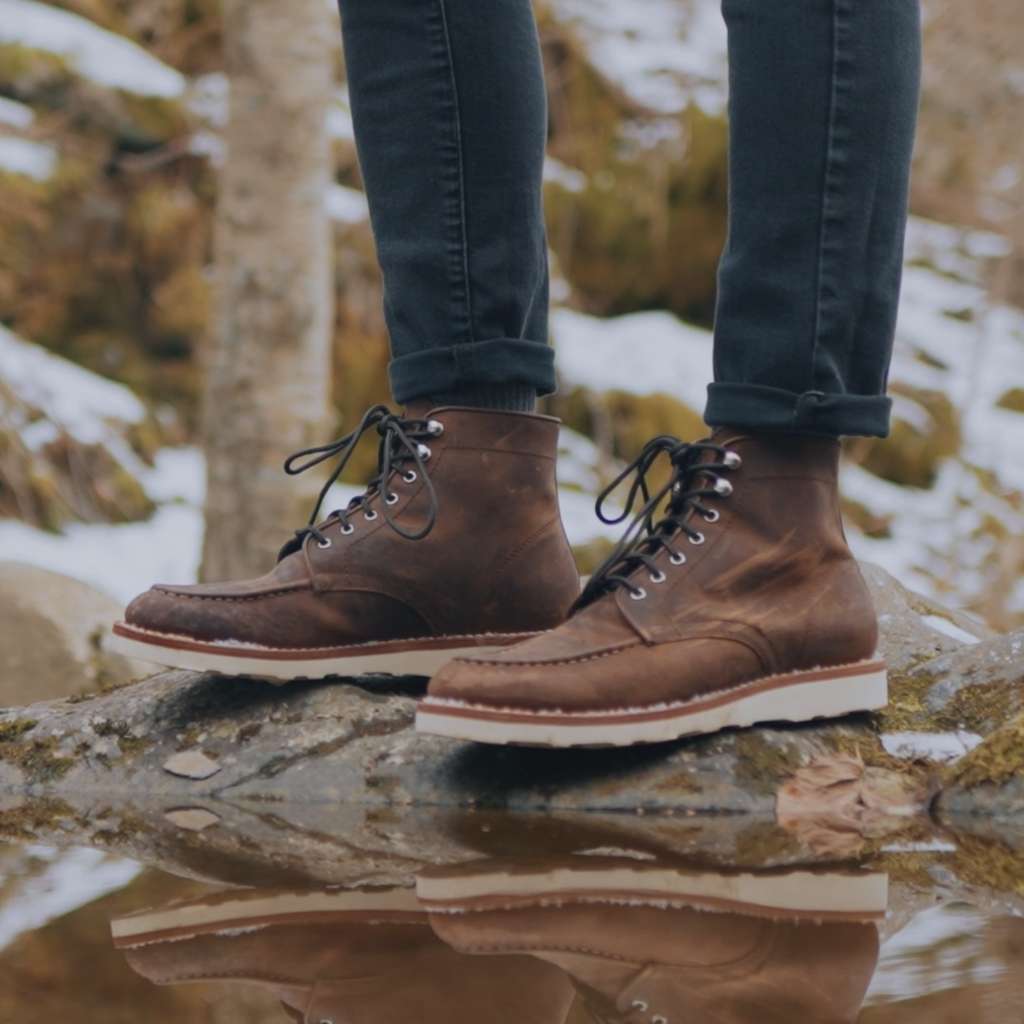
Work boots bring a rugged feel to everyday clothing. Classic designs often use thick leather, strong soles, and visible stitching.
You can wear them with straight-leg jeans, flannel shirts, overshirts, and denim jackets. However, very bulky work boots can overwhelm slim trousers. Balance matters. If the boot is wide and heavy, choose pants with enough room through the leg.
Lace-up dress boots
Lace-up dress boots resemble formal shoes but rise above the ankle. They often have polished leather, a slim sole, and a refined toe shape.
These boots can replace dress shoes with suits in cooler weather, though the design should stay sleek. Avoid thick lug soles with very formal tailoring unless you are deliberately creating a modern contrast.
Harness and engineer boots
Harness and engineer boots have a strong motorcycle and workwear influence. They can look stylish, but they are more noticeable than Chelsea or chukka boots.
These styles work best when the rest of the outfit is simple. Straight jeans, a plain shirt, and a leather jacket allow the boots to stand out without making the outfit look crowded.
Hiking-inspired boots
Hiking-inspired boots have become popular in urban fashion. They often include thick soles, outdoor laces, and textured leather or fabric.
These boots suit outdoor clothing, cargo pants, relaxed denim, and technical jackets. They may not fit every office, but they are practical for travel and wet weather.
How to Wear Men’s Boots Without Looking Dated
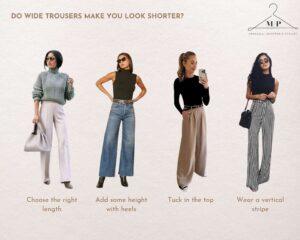
The secret to wearing boots well is proportion. Your pants, jacket, and boots should look as if they belong to the same outfit. Fashionable boots can look awkward when the trousers are too tight, too long, or too wide for the boot shape.
Try these combinations:
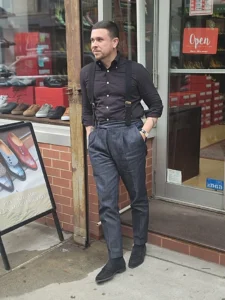
• Chelsea boots with dark jeans and a wool coat
• Chukka boots with chinos and an Oxford shirt
• Work boots with straight-leg denim and a flannel overshirt
• Dress boots with wool trousers and a simple sweater
• Hiking-inspired boots with cargo pants and a waterproof jacket
• Brown leather boots with olive chinos and a denim shirt
Your pants should usually rest neatly over the boot. A small break is safe for most outfits. Very long trousers can bunch around the ankle, while very short trousers may make the boot look disconnected.
Color also matters. Black boots create a sharper and more urban look. Brown boots feel warmer and more relaxed. Tan suede boots add contrast but need more care in rain and snow.
One mistake I often see is choosing a boot before considering the rest of the wardrobe. A dramatic boot may look exciting in a store but remain unworn at home. Before buying, think of at least three outfits you already own that could work with it.

Are Men’s Boots Suitable for Casual and Formal Outfits?
Men’s boots can suit both casual and formal outfits, but not every boot belongs in every setting. Shape, leather finish, sole thickness, and color all affect formality.
For casual clothing, choose boots with visible texture or a thicker sole. Work boots, suede chukkas, and rugged lace-up boots fit naturally with denim and casual jackets.
For smart-casual clothing, choose a cleaner design. Chelsea boots, refined chukkas, and slim lace-up boots pair well with chinos, knit polos, blazers, and wool trousers.
For formal clothing, select a sleek leather boot. The toe should not look too wide, and the sole should remain fairly thin. Black or dark brown usually works best.
Be careful when wearing boots with a suit. A polished dress boot can look elegant in cold weather, especially with a heavier wool suit. A chunky outdoor boot, however, may fight against the clean lines of fine tailoring.
A useful rule is simple: the more formal the clothing, the cleaner and slimmer the boot should be. Think of the boot as part of the outfit’s architecture. A heavy base needs relaxed clothing, while a narrow base can support sharper tailoring.

Why Men’s Boots Are a Smart Wardrobe Investment
The main benefit of men’s boots is versatility. One well-made pair can cover many situations and reduce the need to buy several weaker pairs of shoes.
Quality boots may also offer better durability. Full-grain leather, strong stitching, and replaceable soles can help a boot last for years. Durability depends on construction and care, so a high price alone does not guarantee quality.
Other benefits include:
• Better coverage in rain, mud, and cold weather
• Ankle support for walking and daily use
• A strong match for denim and heavier fabrics
• A more polished look than basic athletic shoes
• Improved outfit balance during fall and winter
Still, boots have limits. They can feel heavy, require a break-in period, and may become uncomfortable in hot weather. Leather boots also need cleaning and conditioning to prevent drying or cracking.
Suede needs special care because water and stains can change its appearance. Some waterproof sprays help, but no product makes every boot fully waterproof. Always check the material and care instructions before applying a treatment.

How to Choose the Right Men’s Boots
Start with your real needs rather than a trend. Consider where you will wear the boots, how often you walk, and what clothes you already own.
Use this simple process:
-
Choose the main purpose. Decide whether you need office boots, winter boots, work boots, or everyday casual boots.
-
Select a useful color. Black is versatile for formal and urban outfits. Medium or dark brown is often easier to wear casually.
-
Check the fit. Your heel should stay secure, while your toes should have room to move. Do not buy boots that feel painfully tight and expect them to stretch dramatically.
-
Inspect the sole. A rubber sole offers more grip and weather resistance. A leather sole can look elegant but may be less practical on wet streets.
-
Look at construction. Goodyear welted and Blake stitched boots can be repaired, while many cemented boots may be harder to resole. Each method has strengths, so match the construction to your budget and use.
-
Test them with your usual socks. Thick winter socks can change the fit.
-
Walk on a safe indoor surface. Check for heel slip, pressure points, and rubbing around the ankle.
In my experience, the biggest buying mistake is focusing on appearance alone. A beautiful boot that causes blisters will stay in the closet. Comfort is not the enemy of style; it is what allows you to wear the style with confidence.

Leather, Suede, and Other Boot Materials
Material affects appearance, comfort, price, and maintenance. Understanding the differences helps you choose wisely.
Full-grain leather
Full-grain leather keeps the outer surface of the hide. It can develop a natural patina over time and often becomes more attractive with regular use.
It is a strong choice for daily boots, but it may feel firm at first. Use a shoe tree, brush away dirt, and apply a suitable conditioner when the leather begins to look dry.
Suede
Suede has a soft, textured surface. It gives chukka and Chelsea boots a relaxed, fashionable look.
Suede can work in light rain if treated well, but it is more sensitive to stains and salt. Use a suede brush and avoid soaking it. Let wet suede dry naturally, away from direct heat.
Nubuck
Nubuck has a fine, sanded surface and often feels more durable than delicate suede. It still needs protection from moisture and dirt.