On Cloud shoes are not universally slip resistant; traction varies by model, surface, and conditions.
The question “are On Cloud shoes slip resistant?” has no single yes-or-no answer. On makes several shoe lines, and each uses a different outsole pattern, rubber blend, and tread design. Some models grip well on dry sidewalks and light wet pavement, while others are built more for running comfort than workplace safety. This guide explains how On Cloud traction works, which features matter, and how to choose the safest pair for your needs.
What “slip resistant” really means
Slip resistance describes how well a shoe helps prevent sliding on a surface. It depends on the contact between the outsole and the ground. Tread, rubber type, pressure, moisture, oil, and floor material all affect that contact.
A shoe can feel stable without being certified as slip resistant. For example, a running shoe may grip well on a dry path but slide on a greasy kitchen floor. This is why “comfortable,” “non-slip,” and “slip resistant” should not be treated as the same thing.
On Cloud shoes are mainly known for:
• Lightweight cushioning
• CloudTec cushioning pods
• Breathable uppers
• Smooth, modern designs
• Road running and everyday walking comfort
These features do not automatically prove that a shoe is safe for wet or oily work floors. A true work shoe should have a tested outsole and clear safety claims.

Are On Cloud shoes slip resistant on wet floors?
On Cloud shoes can offer some traction on wet floors, but performance varies by model and surface. Many pairs have rubber sections under the heel and forefoot. These areas can improve grip on ordinary sidewalks, gym floors, and wet pavement.
However, standard On Cloud shoes are not designed as universal restaurant, hospital, or industrial work shoes. Smooth indoor floors can be harder to grip than rough outdoor pavement. Water mixed with soap, oil, or food grease creates an even greater risk.
The answer also depends on how much tread the shoe has. A model with deeper grooves may move water away from the contact area. A flatter outsole may feel smooth and fast but provide less grip when the surface is slick.
In practical terms:
• On Cloud shoes may perform well on dry surfaces.
• They may perform fairly well on damp pavement.
• They may lose grip on polished tile.
• They should not be assumed safe on oil or grease.
• They are not automatically approved for slip-resistant workplaces.
If your job requires non-slip footwear, check the exact product description. Look for a stated slip-resistance test or workplace safety rating. Do not rely only on customer reviews or the appearance of the tread.

Which On Cloud models have better traction?
The best traction among On Cloud shoes depends on the model, outsole, and intended use. Trail shoes generally have more aggressive lugs than road shoes. Those lugs can improve grip on dirt, gravel, and uneven paths.
Road-focused models often use a lighter outsole. They are made for smooth pavement and efficient movement. This design may feel excellent during a walk or run, but it may not offer enough grip for a commercial kitchen or wet warehouse.
When comparing models, inspect these features:
Outsole rubber
Rubber usually grips better than exposed foam. Check whether the heel and forefoot have rubber coverage. More rubber can improve durability and traction, although it may add weight.
Tread depth
Deep grooves and lugs can help on loose soil, gravel, and wet outdoor trails. They do not guarantee safety on grease or polished tile. Tread shape matters as much as tread depth.
Contact area
A broad, stable base can help the foot stay balanced. A narrow or highly curved sole may feel less stable when turning on a slippery surface.
Model purpose
Trail shoes, road shoes, walking shoes, and lifestyle shoes have different goals. A trail model may grip dirt well but feel less natural on a smooth floor. A lifestyle model may look stylish but offer limited wet-floor traction.
As a general rule, On Cloud shoes with visible rubber and a textured outsole are more promising than models with large areas of exposed foam. Still, “more promising” does not mean certified slip resistant.

Are On Cloud shoes good for work?
On Cloud shoes can be comfortable for work that involves walking, standing, or light movement. Their cushioning may reduce the harsh feel of hard floors. Many wearers like them for offices, retail spaces, clinics, and daily commuting.
Comfort alone does not make a shoe suitable for every job. Nurses, restaurant workers, cleaners, factory staff, and warehouse workers may face water, chemicals, oil, or dropped objects. These hazards require more than soft cushioning.
Before wearing On Cloud shoes at work, consider:
• Does your employer require certified slip-resistant shoes?
• Will you walk through oil, grease, soap, or chemicals?
• Is the floor smooth tile, concrete, rubber, or carpet?
• Do you need toe protection?
• Will you work near heavy equipment?
• Does the shoe stay secure during quick turns?
The Occupational Safety and Health Administration advises employers to control slip hazards and select suitable footwear for workplace conditions. A regular athletic shoe may not meet a company’s safety policy, even if it feels grippy.
For a low-risk office or retail job, On Cloud shoes may be a comfortable choice. For a kitchen, hospital service area, or industrial site, select footwear with a clearly stated slip-resistance rating.

How to test On Cloud shoes for traction
You can perform a simple home check, but it cannot replace a formal safety test. It can help you notice obvious problems before wearing the shoes outside.
Try this process:
-
Examine the outsole. Look for rubber coverage, grooves, and signs of wear.
-
Walk slowly on a clean, dry floor. Notice whether your foot feels stable during turns.
-
Test a slightly damp area. Do not use oil, soap, or dangerous liquids in the test.
-
Take short steps. A shoe may feel secure when walking straight but slip during a quick pivot.
-
Check both shoes. Uneven wear can affect balance and traction.
-
Stop testing if the shoe slides. A real slip can cause injury.
Never test a work shoe on grease or chemicals with your body weight. Also, do not assume that a good home result proves compliance with workplace rules. Certified laboratory testing uses controlled methods that are more reliable than a casual floor test.
A useful lesson from footwear testing is that traction is not just about the outsole. Fit matters, too. A loose heel can make you feel unstable, while a tight toe box can change your stride and increase the chance of a misstep.

Why On Cloud shoes may slip
Several factors can make On Cloud shoes less secure. The first is surface contamination. Water, oil, soap, dust, and loose debris can form a thin layer between the outsole and the floor.
Outsole wear is another major factor. Tread becomes less effective when the rubber is smooth or the grooves are shallow. A pair that gripped well when new may become less reliable after months of heavy use.
Other causes include:
• Worn tread
• Smooth indoor tile
• Grease or oil
• Mud packed into the grooves
• Incorrect shoe size
• Loose laces
• Fast turns or sudden stops
• Wet socks or moisture inside the shoe
• Using a road shoe on a trail
• Using a lifestyle shoe in a work setting
Temperature can also change how rubber behaves. Some compounds stay flexible in cool weather, while others may feel harder. Cold, wet, and dirty conditions can reduce grip even when the shoe looks fine.
Clean the outsole often. Remove stones and packed dirt from the grooves. Let the shoes dry naturally, and replace them when the rubber is visibly worn.

On Cloud shoes versus certified non-slip shoes
Certified non-slip shoes are designed and tested for specific slip hazards. They often use specialized rubber compounds and tread layouts. Many also include features such as water-resistant uppers, protective toes, and easy-clean materials.
On Cloud shoes focus mainly on running, walking, and lifestyle comfort. Some models may grip better than others, but the brand’s standard athletic shoes should not be treated as equal to certified work footwear without clear product evidence.
Here is a simple comparison:
| Feature | Standard On Cloud shoes | Certified work shoes |
|---|---|---|
| Main purpose | Running, walking, and daily wear | Workplace protection |
| Cushioning | Usually lightweight and soft | Varies by design |
| Slip testing | May not be stated | Often clearly stated |
| Oil resistance | Not guaranteed | Available on some models |
| Toe protection | Usually absent | Available on safety models |
| Best setting | Roads, offices, casual use | Kitchens, factories, service areas |
This does not mean every work shoe is more comfortable. Some are heavier and less flexible. It means the shoe is built around a different set of risks.
If your employer asks for “slip-resistant” footwear, choose a pair that uses those exact words and provides testing details. A fashionable running shoe is not a substitute for protective equipment.

How to improve traction and shoe safety
You can improve the performance of On Cloud shoes through good care and careful use. These steps will not turn a regular athletic shoe into a certified work shoe. They can, however, help you maintain the traction it already has.
• Keep the outsole clean and free of stones.
• Replace shoes with smooth or damaged rubber.
• Tie the laces firmly without making them painful.
• Choose the right size to prevent heel movement.
• Walk slowly on wet or polished floors.
• Avoid oil, grease, and chemical spills.
• Use shoes only for the surface they were designed for.
• Rotate pairs if you walk many miles each day.
• Dry wet shoes at room temperature.
• Do not use harsh heat, which can damage foam and adhesives.
Some people buy adhesive traction pads or add aftermarket grip products. These may change the fit and can peel away without warning. They also do not provide the same assurance as a shoe tested for workplace slip resistance.
The safest solution is simple: use the right footwear for the risk. On Cloud shoes can be excellent for comfort, but comfort should never overrule a safety requirement.
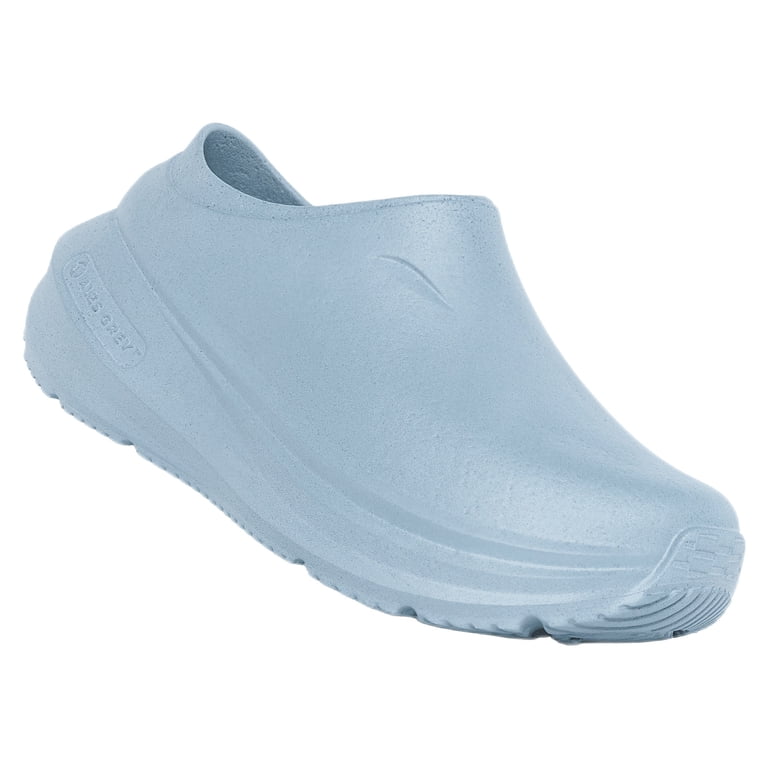
How to choose the right On Cloud shoe
If you want an On Cloud shoe for daily walking, begin with the surface you use most. Pavement, sidewalks, and office floors call for different features than trails or wet outdoor paths.
Use this checklist:
-
Identify the main surface. Decide whether you need road, trail, indoor, or mixed-use traction.
-
Inspect the outsole. Look for durable rubber and a clear tread pattern.
-
Read the product details. Search for specific traction or slip-resistance claims.
-
Check the fit. Your heel should stay in place, and your toes should have room to move.
-
Consider weather. If you often walk in rain, choose a design with suitable tread and an upper that manages moisture.
-
Match the shoe to your job. Do not use a casual running shoe where certified protection is required.
-
Replace worn footwear. A comfortable shoe can still be unsafe when its outsole is worn down.
The best On Cloud shoes for traction are not always the most cushioned or newest models. A balanced fit, durable outsole, and suitable tread are more important than appearance.
Frequently asked questions about are On Cloud shoes slip resistant
Are On Cloud shoes officially slip resistant?
Not all On Cloud shoes are officially slip resistant. The answer depends on the exact model and whether the product provides a recognized slip-resistance claim or test result.
Can you wear On Cloud shoes in a restaurant?
You can wear them only if the specific model meets your workplace’s footwear policy. Standard On Cloud shoes are not automatically safe for grease, oil, water, or commercial kitchen floors.
Are On Cloud shoes good on wet pavement?
Many On Cloud shoes provide reasonable grip on ordinary wet pavement, especially when the outsole has visible rubber and tread. Still, wet paint, leaves, ice, oil, and smooth tile can cause slipping.
Which On Cloud shoes have the best grip?
Models with more rubber and deeper, more textured outsoles usually offer better traction than smooth lifestyle or lightweight road designs. Trail models may grip outdoor surfaces well, but they are not automatically certified for indoor work floors.