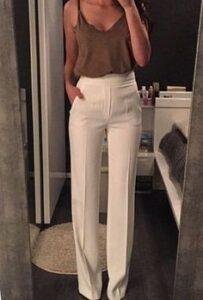
The best business casual pants colors are navy, charcoal, khaki, gray, olive, and brown.
Choosing what color pants for business casual depends on your workplace, shirt, shoes, and the level of formality you need. The right shade can make a simple outfit look polished, balanced, and ready for the office without feeling stiff. This guide explains which colors work best, how to combine them, and which mistakes to avoid.
The Best Colors for Business Casual Pants
The safest business casual pants colors are neutral, muted, and easy to match. They should look professional without appearing as formal as a full suit.
Here are the most useful choices:
• Navy: A versatile dark color that works with white, blue, pink, gray, and patterned shirts.
• Charcoal gray: A polished option for offices that expect a more formal business casual look.
• Medium gray: Softer than charcoal and easy to wear with both light and dark shirts.
• Khaki: A classic warm neutral that pairs well with polos, Oxford shirts, sweaters, and loafers.
• Tan: A lighter alternative to khaki that works especially well in spring and summer.
• Olive: A subtle, modern color that adds personality while remaining office appropriate.
• Brown: A rich choice for fall and winter, especially with cream, blue, green, or burgundy shirts.
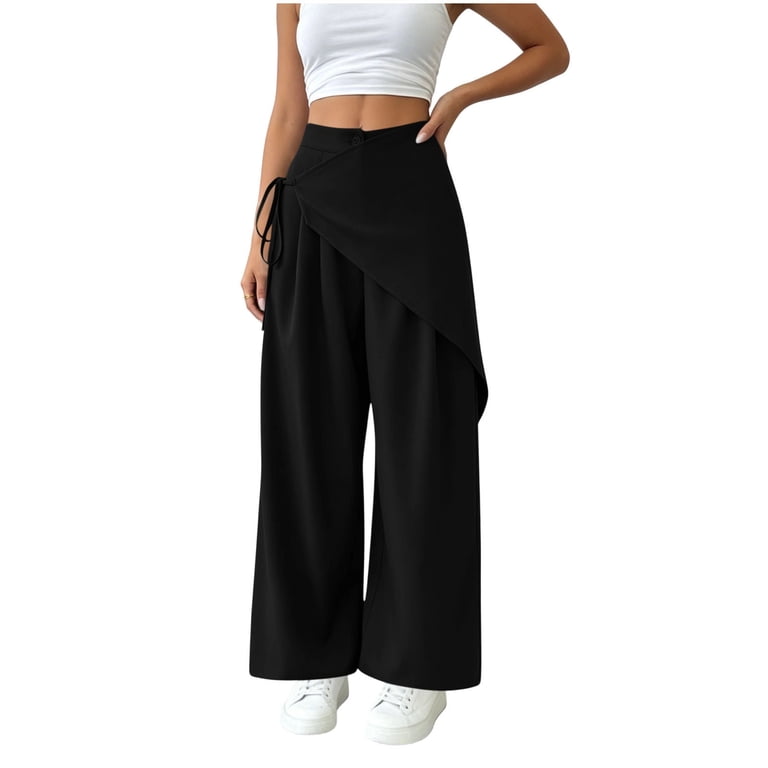
• Black: Suitable in some workplaces, but often more formal or severe than other business casual choices.
When deciding what color pants for business casual, start with navy, gray, and khaki. These shades cover most office settings and give you many outfit combinations.
Why Neutral Pants Work So Well
Neutral pants act like a quiet background. They let your shirt, shoes, belt, or jacket add interest without making the outfit look busy.


Color theory helps explain this effect. Navy, gray, khaki, and brown have low visual intensity. They do not compete strongly with other colors, so they create a balanced outfit. This is useful in professional settings, where neat coordination matters more than bold fashion.
Neutral pants also offer practical benefits:
• They match more shirts, which makes dressing easier.
• They hide light marks better than very pale pants.
• They look polished across many seasons.
• They work with leather and suede shoes.
• They suit both traditional and modern offices.
In my experience helping people build simple work wardrobes, the biggest mistake is buying too many unusual colors too soon. A person may own rust, burgundy, or bright green pants but still struggle to create three complete outfits. Starting with reliable neutrals solves that problem.

Navy Pants: The Most Versatile Choice
Navy pants are one of the strongest answers to what color pants for business casual. They look refined but not overly formal, and they work in almost every season.
Try navy pants with:
• A white button-down shirt and brown loafers
• A light blue Oxford shirt and tan belt
• A pale pink shirt and dark brown shoes
• A gray sweater and white leather sneakers


• A patterned shirt with small blue, white, or burgundy details
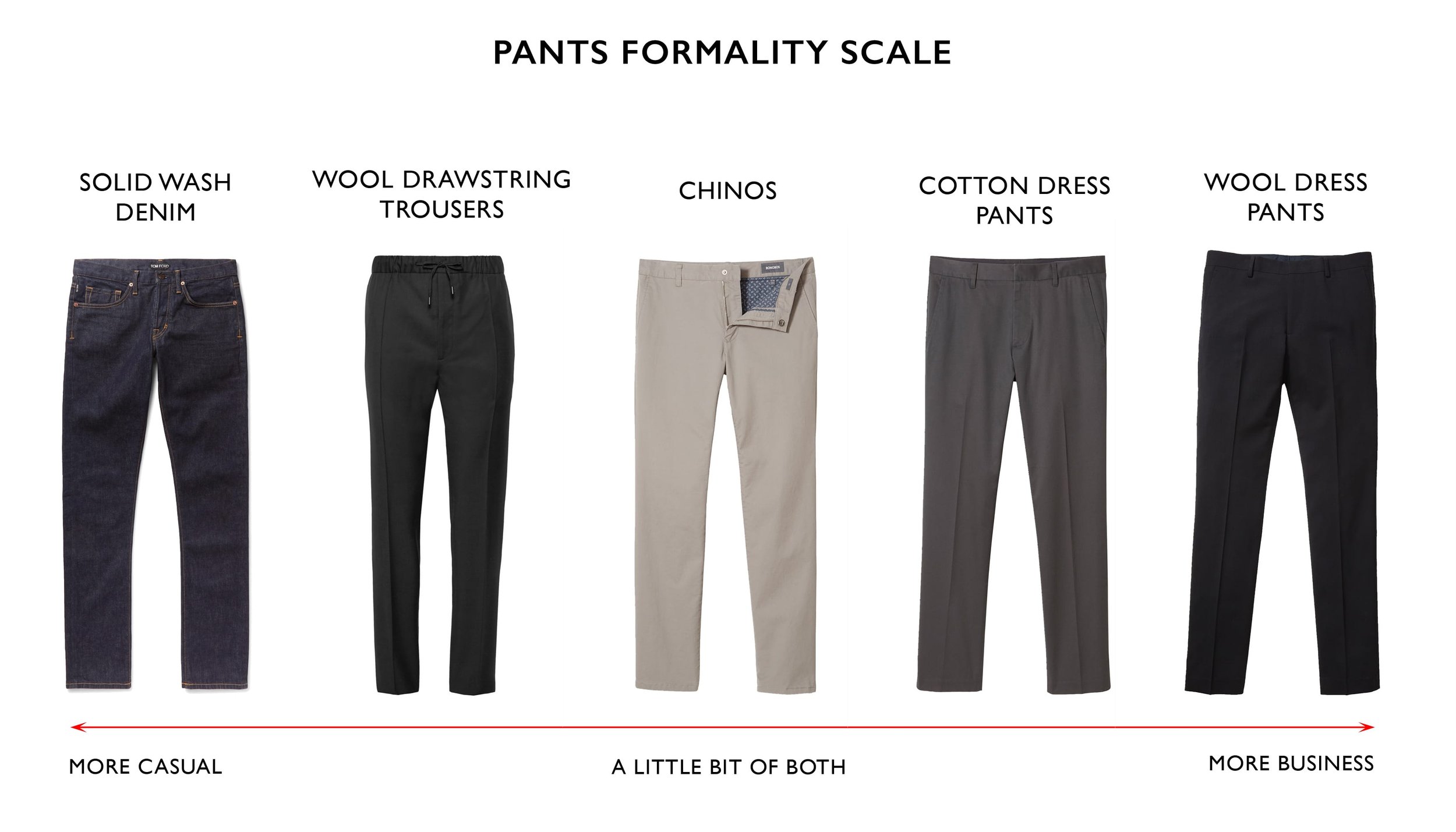
Navy chinos create a relaxed look, while navy wool trousers look more formal. The fabric matters as much as the color. Cotton twill feels casual, while wool or a wool blend gives the outfit a sharper finish.
Avoid wearing navy pants with a navy jacket unless the shades and fabrics are clearly different. Otherwise, the outfit can look like an incorrectly matched suit.

Gray Pants for a Polished Office Look
Gray pants are excellent when you want a clean and professional appearance. Charcoal works well for presentations, interviews, client meetings, and conservative workplaces. Medium gray feels more relaxed and is easier to wear on normal office days.
Wear gray pants with:
• White, blue, or lavender dress shirts
• Black, brown, or burgundy shoes
• Navy blazers
• Camel, burgundy, or forest green sweaters
• Black or brown belts that match the shoes
Charcoal pants often look best with lighter shirts. This creates contrast and keeps the outfit from appearing too dark. Medium gray pants can handle both light and dark tops.
A useful rule is to vary texture when using similar colors. For example, wear smooth gray trousers with a textured navy sweater. This gives the outfit depth without adding loud color.

Khaki, Tan, and Beige Pants
Khaki pants are a classic business casual option, especially in workplaces with a relaxed dress code. They create a lighter and friendlier look than navy or charcoal.


Khaki pants pair naturally with:
• White polo shirts
• Blue Oxford shirts
• Chambray shirts
• Cream sweaters
• Navy blazers
• Brown loafers or leather derbies
Tan and beige pants are best for warmer weather, casual Fridays, and offices with a more flexible style. They may look too relaxed for a formal law firm, bank, or executive meeting unless balanced with a structured blazer and polished shoes.
The key is fit. Khaki pants should not be baggy or heavily wrinkled. A flat front, moderate taper, and clean hem can make them look much more professional.

Olive and Brown Pants for More Personality
Olive pants can work well when you want something different from navy, gray, or khaki. Choose a muted olive rather than a bright green. The softer shade looks more mature and easier to style.
Olive pants pair well with:
• White shirts
• Light blue shirts
• Cream knitwear


• Brown leather shoes
• Dark navy overshirts or blazers
Brown pants are another useful option. They look especially good in autumn and winter, when heavier fabrics and warm colors feel natural. Brown corduroy, wool, or brushed cotton can create a smart business casual outfit, but the texture should remain refined.
For a balanced look, combine brown pants with cool colors such as blue or white. Wearing brown pants with a similar tan shirt can make the outfit look flat unless you add contrast through a jacket, shoes, or texture.

Are Black Pants Business Casual?
Black pants can be business casual, but they require careful styling. In many offices, black trousers look more formal than khakis or chinos. In others, black jeans or black chinos may look too casual or too severe.
Black pants work best with:
• White or light blue shirts
• Gray sweaters
• Camel or tan jackets
• Black or dark brown shoes
• Minimal accessories
Avoid pairing black pants with a shiny black dress shirt. That combination can look more like eveningwear than office clothing. Black pants also show lint and fading, so fabric care matters.
If you are unsure what color pants for business casual means in your workplace, observe what managers and senior staff wear. Dress one small step more polished than the everyday norm, not three steps above it.
How to Match Pants With Shirts
The easiest way to build an outfit is to create contrast between your pants and shirt. Contrast does not need to be dramatic. A dark pair of pants with a light shirt is usually enough.
Use these combinations as a starting point:
• Navy pants with white, light blue, pink, or gray shirts
• Gray pants with white, blue, burgundy, or lavender shirts
• Khaki pants with white, navy, green, or chambray shirts
• Olive pants with cream, white, light blue, or navy shirts
• Brown pants with white, blue, cream, or forest green shirts
• Black pants with white, gray, blue, or camel shirts
Patterns can work, too. A small check, stripe, or subtle print adds interest without overwhelming the outfit. If your shirt has a strong pattern, keep the pants and shoes simple.
A helpful dressing test is to look at the outfit from several feet away. If the colors blend into one dark block or compete for attention, change either the shirt or pants.

Choosing Pants by Office Dress Code
The best answer to what color pants for business casual changes with the workplace. Business casual is not one universal uniform. A technology company, medical office, university, and financial firm may all use the term differently.
For a conservative office, choose:
• Charcoal gray trousers
• Navy dress pants
• Medium gray wool blends
• Dark brown or black leather shoes
For a standard business casual office, choose:
• Navy chinos
• Khaki chinos
• Gray trousers
• Olive or brown pants in refined fabrics
For a relaxed office, choose:
• Dark, clean jeans if allowed
• Black or navy chinos
• Light tan pants
• Polished sneakers with a simple design
Your company handbook is useful, but it may not answer every detail. Watch how people dress during normal workdays, meetings, and client visits. The dress code often becomes clearer through these patterns.
Pants Color by Season
Seasonal color can help your outfit feel natural without limiting your choices.
Spring and summer favor:
• Tan
• Beige
• Light gray
• Khaki
• Soft olive
• Light navy
Fall and winter favor:
• Charcoal
• Dark navy
• Brown
• Deep olive
• Corduroy shades
• Dark gray
Fabric should change with the season, too. Lightweight cotton, linen blends, and tropical wool work well in warm weather. Flannel, corduroy, heavier chinos, and wool blends provide more warmth in cold weather.
Color is only one part of looking appropriate. A pale beige trouser can look polished in summer, while the same shade in a thin, wrinkled fabric may look too casual.
Fit and Fabric Matter More Than Color
Even the perfect color will not look professional if the pants fit poorly. Business casual pants should sit comfortably at the waist and follow the shape of the leg without clinging.
Look for these fit details:
• The waistband should stay in place without digging into your skin.
• The seat should lie flat without pulling.
• The thighs should allow comfortable movement.
• The leg should have a clean, moderate taper.
• The hem should rest lightly on the shoe.
• Pockets should not bulge.
Fabric also affects formality. Wool trousers usually look more formal than cotton chinos. A smooth cotton blend can look polished, while thin or heavily distressed material may appear too casual.
One lesson I have seen often is that people blame the color when the real issue is fit. A well-fitted pair of medium gray pants usually looks better than expensive charcoal pants that bunch at the ankle or pull across the hips.
Shoes, Belts, and Jackets
Your pants should connect visually with the rest of the outfit. Shoes and belts are especially important because they frame the lower half of your look.
Good combinations include:
• Navy pants with brown loafers and a brown belt
• Gray pants with black derbies and a black belt
• Khaki pants with medium brown loafers
• Olive pants with dark brown boots
• Brown pants with burgundy or dark brown shoes
A navy blazer works with gray, khaki, olive, and tan pants. A gray blazer works with navy, black, brown, and olive pants. Avoid matching every item exactly. Coordination looks more natural than a complete color set.
If you wear sneakers, choose clean leather or suede styles in white, gray, navy, or black. Athletic running shoes usually look too casual for most business casual offices.
Common Mistakes to Avoid
Knowing what color pants for business casual also means knowing which choices can weaken an outfit.
Avoid these common mistakes:
• Wearing bright red, neon green, or vivid yellow pants in a traditional office
• Choosing pants that are faded, stained, or badly wrinkled
• Treating black jeans as formal trousers
• Wearing a belt that strongly clashes with the shoes
• Combining too many similar earth tones without contrast
• Wearing cargo pockets or excessive decorative details
• Selecting a color without checking the workplace culture
• Ignoring fabric weight and seasonal comfort
A small amount of color is often enough. If you want to show personal style, use an olive trouser, a patterned shirt, a textured sweater, or a colored sock rather than making every item bold.
Building a Simple Business Casual Pants Wardrobe
You do not need a large wardrobe. A few well-chosen pairs can create many outfits.
Start with this five-pair rotation:
-
Navy chinos or trousers
-
Medium gray trousers
-
Khaki chinos
-
Charcoal trousers
-
Olive or brown pants
Add a sixth pair based on your office. Choose black for a more formal setting or tan for a warmer, more relaxed environment.
Before buying a new pair, check whether it works with at least three shirts and two pairs of shoes you already own. This simple test prevents impulse purchases and helps you build a useful wardrobe.
For travel, navy and gray are especially practical. They hide minor marks, match several shirts, and transition well from a normal workday to dinner.
Frequently Asked Questions About What Color Pants for Business Casual
What is the safest color for business casual pants?
Navy is usually the safest choice because it looks polished and matches many shirts and shoes. Gray and khaki are also reliable options for most workplaces.
Are khaki pants business casual?
Yes, khaki pants are a classic business casual choice. Select a clean, well-fitted pair without cargo pockets, heavy fading, or excessive wrinkles.
Can I wear black pants for business casual?
You can wear black pants in many business casual settings, but they may look more formal than navy or khaki. Pair them with a lighter shirt and simple, polished shoes.
Are jeans acceptable for business casual?
Jeans are acceptable only when the workplace allows them. Choose dark, clean denim with no rips, heavy fading, or distressed details, and pair it with a collared shirt or neat sweater.
What color pants go best with a blue shirt?
Gray, khaki, navy, olive, and brown pants can all work with a blue shirt. Use light gray or khaki for contrast, or choose navy for a deeper, more coordinated look.
Should business casual pants match the blazer?
No, the pants and blazer do not need to match exactly. Separates often look more relaxed and natural, as long as the colors and fabrics work well together.
What pants color is best for a job interview?
Charcoal or navy pants are usually the strongest choices for a job interview. They create a clean, conservative appearance and pair well with a white or light blue shirt.
Conclusion
The best answer to what color pants for business casual starts with versatile shades: navy, gray, khaki, tan, olive, and brown. Choose the color based on your workplace, then consider fit, fabric, shoes, and the season. A clean pair of well-fitted pants will always make a stronger impression than a trendy color worn without balance.
Start with navy, gray, and khaki, then add olive or brown when you want more variety. Try these combinations in your own wardrobe, and share your favorite business casual outfit or explore more practical style guides for the workplace.
Madison Clark is a footwear expert and the voice behind MyStyleGrid.com. She specializes in honest shoe reviews, style tips, and practical guides to help readers find the perfect pair for any occasion. With years of experience in blogging and content creation, Madison makes footwear knowledge simple, stylish, and easy to follow.