Yes, On Cloud shoes usually fit true to size, but model shape and foot width can change the best choice.
Wondering, “are on cloud shoes true to size?” You are not alone. On shoes often match standard US sizing, yet their narrow designs, firm heel counters, and different toe boxes can make one model feel tighter than another. This guide explains how On Cloud shoes fit, when to size up or down, and how to choose the right pair with confidence.

Are On Cloud shoes true to size?
For most people, On Cloud shoes are true to size in length. If you normally wear a US women’s 8 or a US men’s 10 in running shoes, starting with the same size is sensible.
However, “true to size” does not mean every model feels the same. On uses different uppers, toe boxes, foam platforms, and lacing systems across its range. The Cloud 5 may feel different from the Cloudswift, Cloudmonster, or Cloudrunner.
The best answer to “are on cloud shoes true to size?” depends on three main factors:
• Your usual running shoe size
• The width and shape of your feet
• The specific On Cloud model you choose
On shoes tend to have a secure, performance-focused fit. They are not usually designed to feel loose like casual sneakers. A snug midfoot can be normal, but your toes should still have room to move.
What “true to size” should feel like
A properly fitted On shoe should feel secure without squeezing your foot. Your heel should stay in place, and your toes should not touch the front when you walk downhill or stop quickly.
Aim for about a thumb’s width of space between your longest toe and the end of the shoe. This space helps your feet swell during long walks, work shifts, or runs.

How On Cloud shoes usually fit
On Cloud shoes often fit close to the foot. This helps them feel stable, but it can surprise people who prefer roomy sneakers.
The heel usually feels secure. The midfoot often has a supportive wrap. The toe box varies by model, and this is where many sizing questions begin.


Some On shoes use a traditional lace system. Others use speed laces or elastic laces. Elastic laces can make the shoe easier to slip on, but they may also create more pressure across a high instep.
Length
Most On Cloud shoes have standard length. Your regular athletic shoe size will often work well.
Still, running shoes should not fit like dress shoes. Your feet can swell after several hours, especially in warm weather. A shoe that feels perfect for five minutes may feel short after a full day.
Width
Width is a common concern. Many On models have a streamlined shape, and some standard versions may feel narrow for people with wide feet.
On offers selected models and versions in wider fits, but availability depends on the style and market. Always check the current product page rather than assuming every Cloud shoe comes in the same width.
Toe box
The toe box can range from fairly roomy to more tapered. A wider toe box may suit people who like natural toe movement. A tapered toe box may feel more secure during faster movement but less comfortable if your toes spread.
If your little toe rubs, your big toe presses inward, or your toes feel crowded, the issue may be the model rather than the length.

Do On Cloud shoes run small or large?
On Cloud shoes do not generally run small or large across the entire brand. They usually run close to standard athletic shoe sizing.
That said, some people think On shoes run small because the upper feels firm or the toe box feels narrow. Others find the shoe roomy because the footbed and sole create a different feel from flat casual shoes.
Here is a practical guide:
• If the length feels short and your toes touch the front, try a half size up.
• If the length is correct but the sides feel tight, look for a wider model instead of sizing up.
• If your heel slips after going up a size, the larger size may be too long.
• If you have a high instep, try a model with adjustable laces and more upper stretch.


• If you wear thick socks, test the shoes with those socks before deciding.
Sizing up adds length. It does not always add the right kind of width. This is an important difference. A longer shoe can cause heel movement, foot sliding, and blisters.

Are On Cloud shoes true to size by model?
The answer can change from one Cloud model to another. The following guide gives a useful starting point, but the current product details should always have the final say.
On Cloud 5
The Cloud 5 is a popular everyday sneaker and walking shoe. It often fits true to size, but some wearers find the forefoot snug.
Its speed-lacing design gives a close fit. If you have average-width feet, your normal size will often work. If you have wide feet or prefer thick socks, consider trying the shoe in person before buying.
On Cloudswift
The Cloudswift is built for running and active movement. It generally fits true to size with a secure, athletic feel.
Some runners may prefer a half size up if they run long distances, have swelling feet, or want extra toe room. Do not size up automatically if your usual running shoes already have enough space.
On Cloudmonster
The Cloudmonster has a larger, cushioned sole and a performance fit. Many people choose their standard running shoe size.
Because the shoe is made for longer runs and active use, check the toe room carefully. Your foot should not slide forward inside the shoe, even with the thick cushioning.
On Cloudrunner
The Cloudrunner is designed with support and stability in mind. It usually fits true to size, but its structured upper can feel firm around the midfoot.
This model may suit people who want a secure fit. People with wide feet should pay close attention to pressure at the forefoot and instep.
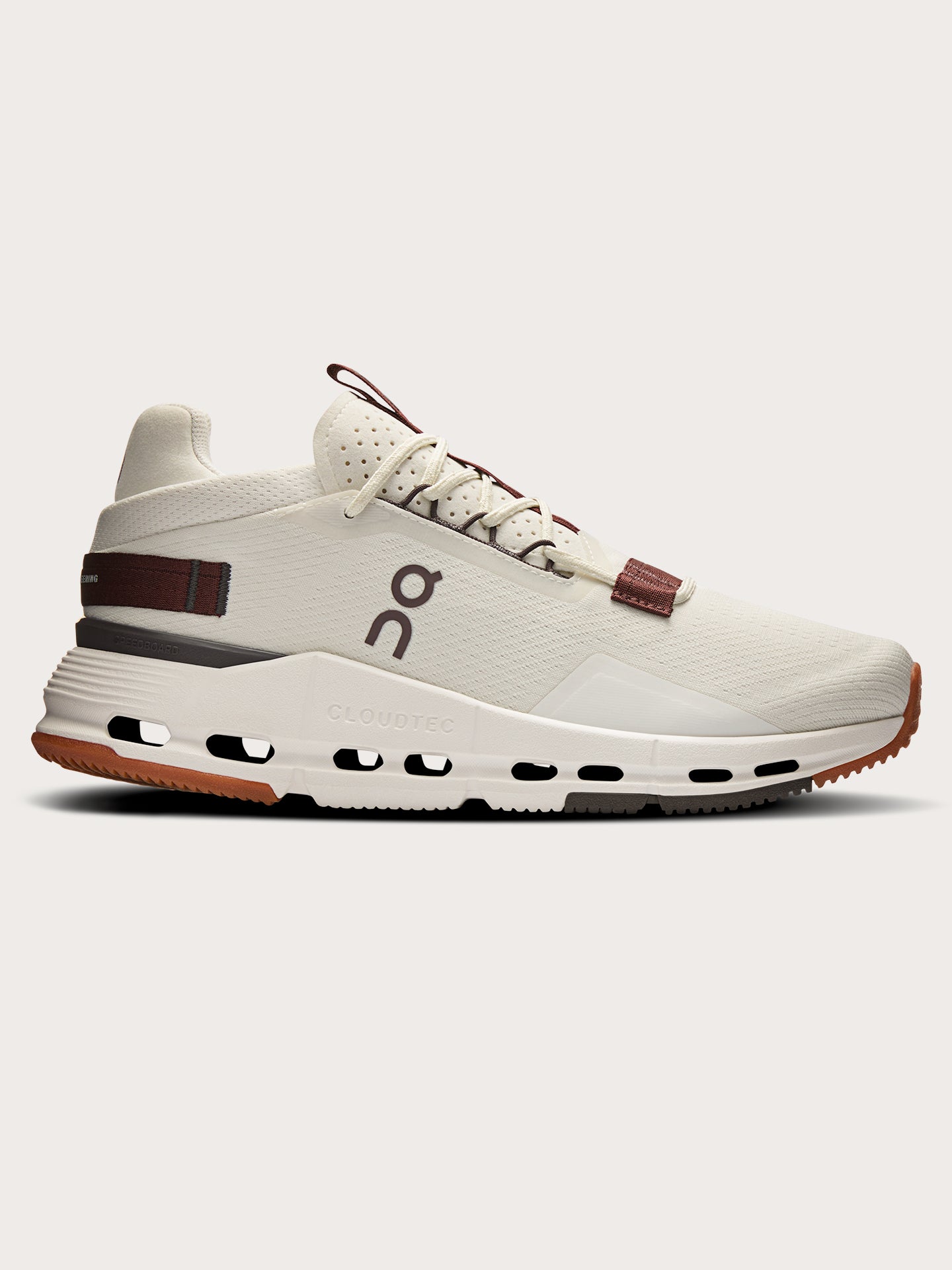
On Cloudnova
The Cloudnova is often used as a lifestyle or training shoe. It tends to have a structured, modern shape.
Your usual size is a good starting point. If you are between sizes, your larger size may feel more comfortable, especially with casual socks or long periods of standing.
On Cloudgo
The Cloudgo is a daily running shoe with a fairly standard athletic fit. It often works well in your normal running shoe size.


As with any running shoe, leave enough space at the front. A daily trainer should feel comfortable on easy runs, not only during a quick try-on at home.
How to measure your feet for On Cloud shoes
Measuring your feet can reduce guesswork. It is especially helpful if you are shopping online or changing from another brand.
Follow these steps:
-
Place a sheet of paper on a hard floor.
-
Stand on the paper while wearing the socks you plan to use.
-
Keep your weight evenly balanced on both feet.
-
Mark the back of your heel and the tip of your longest toe.
-
Measure both feet from heel to toe.
-
Use the larger foot when checking the On size chart.
Measure in the afternoon or evening. Feet often become slightly longer and wider during the day. Measuring in the morning can lead to a shoe that feels too tight later.
Do not trace your foot while sitting. Your foot spreads more when standing, so a standing measurement gives a more useful result.
Also measure width if your feet often feel squeezed. Length alone cannot explain every fit problem.

How to tell if your On Cloud shoes fit correctly
A good fit is easy to recognize once you know what to check. Wear both shoes and walk for at least 10 minutes indoors.


Look for these signs:
• Your longest toe has about a thumb’s width of space.
• Your toes can move without pressing against the upper.
• Your heel stays in place while walking.
• The laces hold your foot without causing numbness.
• The sides do not create sharp pressure points.
• Your foot does not slide forward on slopes or stairs.
• The sole bends in a natural place near the front of your foot.
A little firmness is not always a problem. New shoes can feel more structured than older, broken-in shoes. Sharp pain, tingling, numbness, or rubbing is different. Those signs suggest that the shoe may not suit your foot shape.
A useful test is the thumb check. Push your foot forward until your toes touch the front. You should be able to place one finger behind your heel. Then move your heel back and check the toe space again.

Should you size up or down in On Cloud shoes?
Most people should begin with their regular athletic shoe size. Move up only when the shoe is clearly short or when you are between sizes and need more length.
Sizing down is less common. It may work if your usual size feels loose and your toes still have too much space, but do not size down just to create a tighter fit. A tight shoe can lead to rubbing, pressure, and sore toenails.
Consider a half size up when:
• Your longest toe touches the front.
• Your feet swell during walks or runs.
• You use thick socks.
• You have one foot that is noticeably longer.
• You plan to use the shoes for long-distance running.
Consider staying with your usual size when:
• Your toes have enough room.
• The heel feels secure.
• The upper holds your foot without pain.
• You are only noticing a firm, supportive feel.
Remember that a wider option is often better than a longer size for wide feet. If the shoe is long enough but tight across the forefoot, sizing up may create a poor heel fit.
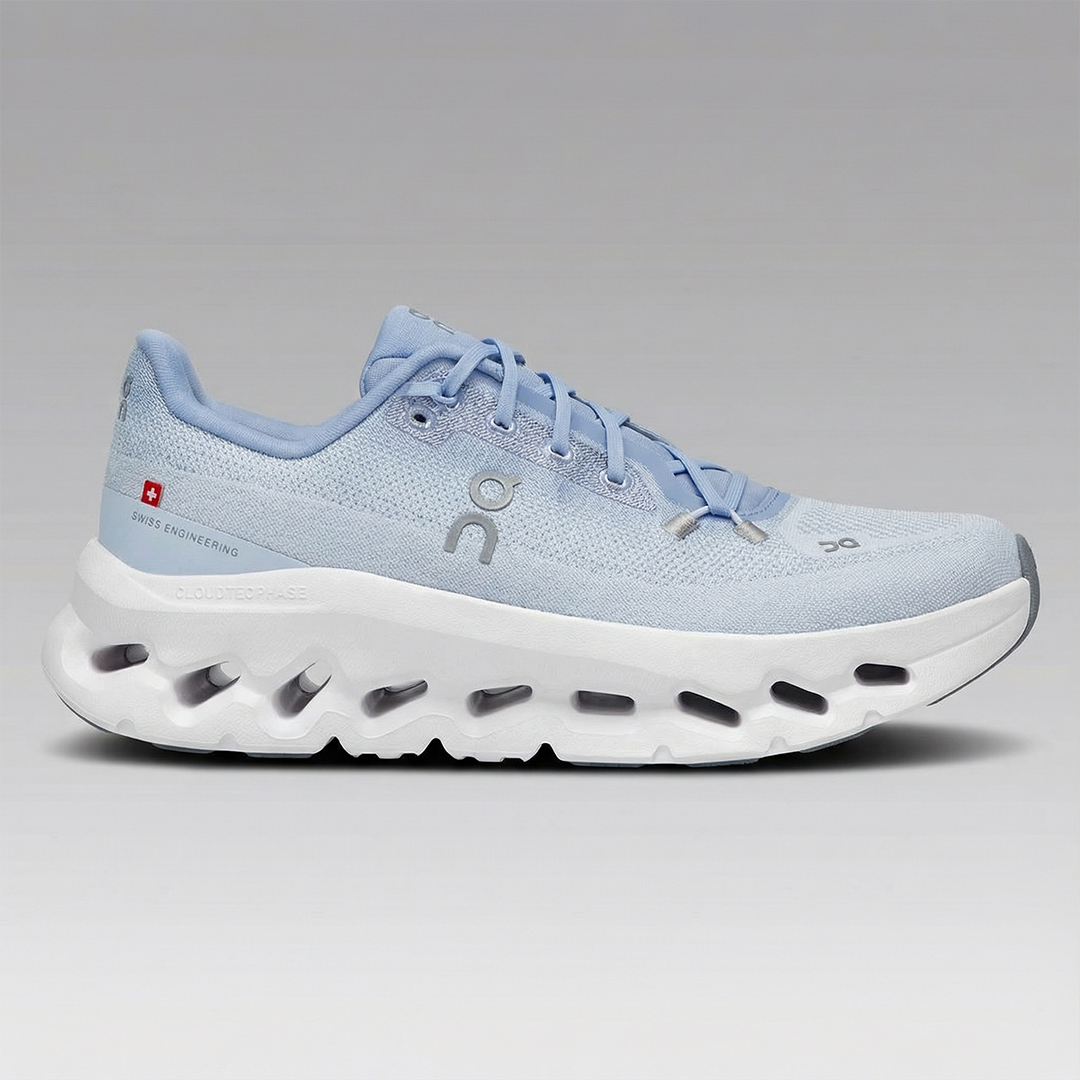
Common On Cloud fit problems and solutions
Even a well-made shoe can feel wrong if the fit or lacing method is off. Small changes can sometimes improve comfort.
Heel slipping
Heel movement may happen when the shoe is too long or loosely laced. Try the heel-lock lacing method if the shoe has regular eyelets.
If the heel still slips, the size or shape may not suit you. Do not ignore repeated rubbing, since it can quickly become a blister.
Tight pressure across the top
This often affects people with high insteps. Loosen the laces near the pressure point and keep the lower laces secure.
If the shoe uses elastic speed laces, the pressure may remain even after adjustment. In that case, another model with a more flexible upper may be a better choice.
Toes touching the front
This is a clear sign that the shoe is too short. Check your fit while standing, not just while sitting.
Try a half size up, but confirm that your heel stays secure. If it does not, another model may offer a better shape.
Blisters at the heel
Blisters can result from heel slip, stiff materials, damp socks, or a poor fit. Make sure the shoe is not too large and use socks that manage moisture.
Do not rely on a long break-in period to fix severe rubbing. Running shoes should feel comfortable early in the fitting process.
Numb toes
Numbness can come from tight lacing, a narrow toe box, or a size that is too short. Stop and adjust the fit rather than trying to push through it.
Persistent numbness during exercise deserves attention. A different width or shoe shape may be necessary.
Buying On Cloud shoes online
Online shopping is convenient, but sizing takes more care. Product photos do not show how a shoe will feel on your foot.
Before ordering, check:
• The brand’s current US size chart
• The model’s width options
• The store’s return and exchange policy
• Customer comments about length and width
• Whether the seller is authorized
Read reviews for patterns, not single opinions. One person may call a shoe narrow while another finds it perfect. Their foot width, socks, and preferred fit may be different from yours.
When the return policy allows it, try the shoes indoors on a clean floor. Walk, climb stairs, and stand for several minutes. Do not run outside until you are sure you will keep them.
A common mistake is choosing based only on a familiar number. Shoe sizes vary between brands and even between models. Your foot measurements and fit checks matter more than the number printed inside the shoe.
My practical take on On Cloud sizing
A useful lesson from helping people compare athletic shoes is that comfort problems are often blamed on size when the real issue is shape. A person may say, “I need a bigger shoe,” when they actually need more forefoot width or a softer upper.
The same mistake is easy to make with On Cloud shoes. Their clean design and firm structure can feel different from a soft, loose sneaker. Give the shoe a short indoor test, check your toe room, and pay attention to pressure points.
Another lesson is to fit the larger foot. Most people have a small difference between their left and right feet. If one foot feels crowded, choose a fit that protects that foot and adjust the lacing on the smaller side.
Also remember that comfort can change during the day. A pair that feels fine in the morning may feel tight after hours of walking. This is why evening testing and realistic socks are so useful.
Are On Cloud shoes good for wide feet?
Some On Cloud shoes can work for wide feet, but not every model will feel comfortable. The standard shape may feel narrow in the toe area or across the midfoot.
If you have wide feet, look for:
• A model with a wider fit option
• A rounded toe box
• A flexible upper
• Adjustable laces
• Reviews that mention forefoot comfort
Avoid sizing up solely to gain width. The added length may cause your heel to slide and your foot to move inside the shoe.
People with bunions, swelling, or sensitive toes should be especially careful. Try shoes later in the day and check for pressure while standing. If a seam or edge presses directly on a sore area, another model may be safer.
Are On Cloud shoes good for walking and running?
On Cloud shoes are made for different uses, so comfort depends on the model. Some are designed for everyday wear, while others provide more cushioning or support for running.
For walking, focus on comfort, heel security, and easy movement. For running, leave more toe room because repeated impact and swelling can make a tight fit uncomfortable.
The right size should not change just because you are walking instead of running. The amount of space you need may change, however. Long runs require more attention to swelling, socks, and toe clearance.
A shoe that feels stable and comfortable for your normal activity is usually a better choice than one selected only for appearance.
Frequently Asked Questions: Are On Cloud shoes true to size?
Do On Cloud shoes run true to size?
Yes, most On Cloud shoes fit true to standard athletic shoe sizing. The model, foot width, toe box, and sock thickness can still affect whether your normal size feels right.
Should I size up in On Cloud shoes?
Size up only if your toes touch the front, your feet swell, or the shoe feels short. If the shoe feels tight only across the sides, try a wider model rather than adding length.
Are On Cloud shoes narrow?
Some On Cloud models have a streamlined fit that may feel narrow to wide-footed wearers. Check the individual model’s width options and toe box before buying.
Do On Cloud shoes stretch?
On Cloud shoes may soften slightly with wear, but they should not be expected to stretch a full size. If the shoe causes sharp pressure or numbness at the start, choose a better size or shape.
How much room should I have in On Cloud shoes?
Leave about a thumb’s width between your longest toe and the front of the shoe. Your heel should remain secure, and your toes should move without pressure.
Are On Cloud shoes good for people with wide feet?
Some models may work for wide feet, especially when a wider version is available. Standard-width styles may feel tight, so measure your feet and test the forefoot carefully.
Should I buy On Cloud shoes in my regular sneaker size?
Use your regular athletic shoe size as a starting point, not a guarantee. Compare your foot measurements with the current size chart and check the model’s fit before wearing the shoes outdoors.
Conclusion
So, are on cloud shoes true to size? In most cases, yes. Your normal athletic shoe size is the best starting point, but model design, foot width, toe room, and daily swelling can change the final answer.
Measure both feet, try shoes later in the day, and check the fit while standing and walking. Choose more width when your feet feel squeezed, and choose more length only when your toes lack room. Explore the current On size guide and share your own fit experience to help other shoppers make a confident choice.
Madison Clark is a footwear expert and the voice behind MyStyleGrid.com. She specializes in honest shoe reviews, style tips, and practical guides to help readers find the perfect pair for any occasion. With years of experience in blogging and content creation, Madison makes footwear knowledge simple, stylish, and easy to follow.