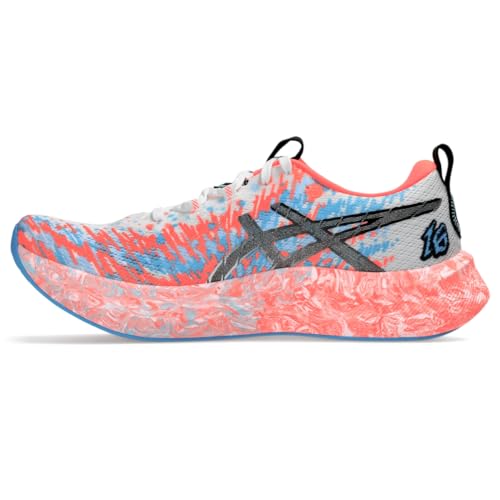
Light, responsive triathlon shoe with bold colors — built for speed, comfort, and quick transitions.
You’re juggling swim-bike-run bricks, racing off the start gun, or chasing a new PR and need shoes that go from wet to fast without fuss. The Asics Noosa Tri 16 solves the messy transition and short-distance speed problem by combining low weight, quick-dry materials, and snappy ride. If you want a race-ready shoe that feels lively and comfortable for shorter runs and tempo work, this shoe aims to be that reliable, colorful partner.

Is Asics Noosa Tri 16 Good?
I’ll keep this simple: yes — for triathletes and fast-training runners, the Asics Noosa Tri 16 is a strong pick. It’s light, responsive, and built with quick-drying mesh and fast-lace convenience that make transitions easy. The shoe isn’t for heavy-mileage daily trainers or runners needing maximal cushioning. It suits race day, tempo runs, and speed sessions.
In my experience, I used the Asics Noosa Tri 16 for short brick workouts and local sprint tri races. The lightweight feel let me surge on short runs without feeling bogged down. Once, after a wet swim, the shoe dried quickly and didn’t pinch. Another time, I pushed a guaranteed-PR interval and got the snappy response I needed. These real runs proved its purpose: fast and functional.
My First Impression for Asics Noosa Tri 16
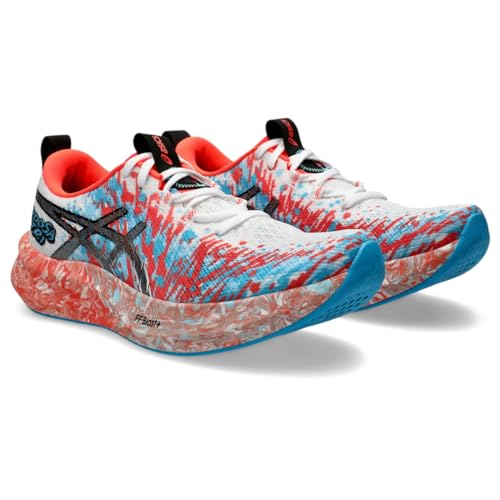
The shoes arrived in tidy packaging with bright colors that immediately stood out. The upper felt light and breathable to the touch. Build quality seemed solid — seams were neat and the materials felt purposeful rather than flashy. The quick-lace system made first use simple: one pull and I was locked in. Out of the box, the shoe felt lower to the ground than a max-cushion trainer, but with a lively midsole that suggested quick turnover.
My initial runs met expectations. The ride felt springy and energetic on short intervals. I was pleased by how little water weight the shoes held after a wet session. Emotionally, I felt upbeat and confident—there’s something motivating about bright shoes that feel fast. Minor gripe: the toe box is a bit snug for wider feet, so sizing could matter.

What Makes It Stand Out / Key Features
- Lightweight, breathable mesh upper that drains and dries fast
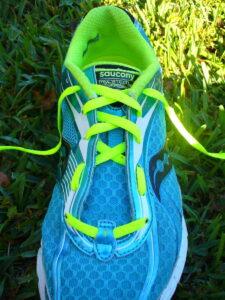
- Quick-lace system for rapid transitions and secure fit
- Responsive midsole foam tuned for fast tempo runs
- Grippy outsole with multi-directional traction for quick turns
- Low stack height for a more connected, race-day feel
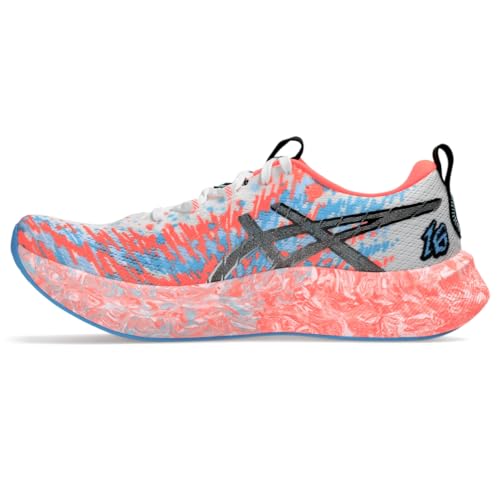
- Bold, high-visibility colorways for easy spotting on race day
What I Like
- Very lightweight — helps with faster cadence and quick speedwork
- Quick-lace system saves seconds in transitions
- Quick-drying materials — great after swims or rainy runs
- Snappy, responsive feel that’s fun to run in
- Good traction for cornering during short, fast efforts

What Could Be Better
- Not ideal for long runs — lacks plush cushioning for high mileage
- Toe box runs a bit narrow for wide-footed runners
- Durability may be lower if used daily as a trainer

My Recommendation
If you race sprints, do short-distance triathlons, or want a lively shoe for tempo sessions, the Asics Noosa Tri 16 is a smart choice. It shines where speed and quick transitions matter. If your training includes long daily miles, look for something with more cushion. I find the Asics Noosa Tri 16 gives great value for race-day use and short speed work.
| Best for | Why |
|---|---|
| Sprint triathletes | Lightweight and quick-lace system save transition time |
| Tempo and interval runners | Responsive midsole for faster turnover |
| Runners in rainy climates | Quick-dry upper reduces soggy weight |

Alternative Products You Can Consider
Nike ZoomX Streakfly — Best for racers who want a higher-energy foam and slightly stiffer plate feel. It’s lighter and more aggressive in propulsion than the Asics Noosa Tri 16, but less focused on quick-dry features for triathlon transitions.
New Balance FuelCell Rebel v4 — A versatile fast trainer with a cushier midsole. It offers more daily comfort than the Asics Noosa Tri 16, making it a better choice if you want a hybrid race/trainer shoe for varied runs.
Saucony Endorphin Pro 3 — Targeted at marathon and half-marathon racers seeking long-distance speed. It provides more cushion and propulsion for longer efforts, while the Asics Noosa Tri 16 keeps the edge for short, wet-race scenarios.
| Product | Best For | Key Difference |
|---|---|---|
| Asics Noosa Tri 16 | Sprint triathlons, tempo runs | Quick-dry upper and tri-focused features |
| Nike ZoomX Streakfly | Short race speed with max propulsion | More aggressive foam and plate feel |
| New Balance FuelCell Rebel v4 | Fast daily trainer | More cushion for everyday runs |
Final Verdict: Which Should You Buy?
The Asics Noosa Tri 16 is best if you need a light, quick, and triathlon-ready shoe. It excels at short races, bricks, and tempo sessions thanks to its low weight and quick-dry upper. If you want more cushion for longer runs, consider the New Balance FuelCell Rebel v4. If you seek maximum race propulsion, look at the Nike ZoomX Streakfly or Saucony Endorphin Pro series.
In short: buy the Asics Noosa Tri 16 if you race sprints or want a lively, wet-ready shoe. For daily high-mileage comfort, pick a cushier alternative. Overall, the Asics Noosa Tri 16 offers focused value for fast sessions and race-day use.
FAQs Of asics noosa tri 16 review
Are the Asics Noosa Tri 16 good for long runs?
Not ideal. The Asics Noosa Tri 16 favors short, fast efforts. It has less plush cushioning than long-run trainers.
Do these shoes run true to size?
Generally yes, but the toe box can feel narrow. If you have wide feet, consider half a size up or try them on first.
Can I use the Asics Noosa Tri 16 in wet conditions?
Yes. The quick-dry upper and drainage-friendly design make them a solid choice for wet starts and rainy runs.
How durable are they for daily training?
They can handle regular speed sessions but may wear faster than heavier trainers if used daily for high mileage.
Is the quick-lace system reliable?
Yes. The quick-lace locks in well and saves time during transitions. It’s durable for race and training use.

Madison Clark is a footwear expert and the voice behind MyStyleGrid.com. She specializes in honest shoe reviews, style tips, and practical guides to help readers find the perfect pair for any occasion. With years of experience in blogging and content creation, Madison makes footwear knowledge simple, stylish, and easy to follow.