Working on a road crew is tough. It is hard work. The sun is hot. The road is hotter.
I remember my first week on a paving crew. I was young. I did not know much. I bought a cheap pair of work boots. They looked good. They felt okay in the store. But then, work started.
We were laying a fresh mat. The asphalt was steaming. It was over 300 degrees. I stood on the mix with a lute in my hand. My feet started to burn. It felt like I was standing on a fire.
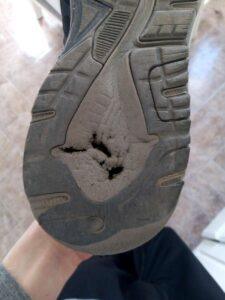
At lunch, I looked at my boots. The soles were soft. They were sticky. The rubber had melted. It looked like chewed gum. The tread was gone. I ruined them in four hours.
That was a hard lesson. But I learned it well.
You cannot wear normal boots for asphalt paving. You need the right gear. The heat is too high. The chemicals are too strong.
If you are new to this job, listen to me. Save your feet. Save your money. Buy the right boots now.
In this guide, I will help you. We will look at the best boots for asphalt work. We will talk about heat resistance. We will look at flat soles. We will find boots that keep you safe.
Why You Need Special Boots for Asphalt
The road is unforgiving. It destroys weak gear.
Fresh asphalt comes out of the truck very hot. It can be 325°F or more. Standard rubber melts at lower temperatures. If your soles melt, you slip. If you slip, you get hurt.
Also, we have the “tack coat.” This is the sticky oil sprayed on the road. It sticks to everything. If your boots have deep lugs, they trap the oil. They trap rocks. Then, you track that mess everywhere. You track it into the truck. You track it onto the new mat.
Your foreman will yell at you. You do not want marks on the new road.
So, you need specific things. You need heat resistance. You need a smooth sole. You need comfort.
The Problem with Heat
Heat rises. It goes through the sole. It cooks your foot.
I have seen guys take off their boots after a shift. Their socks are soaked. Not just from sweat. But because the boot got so hot inside. This causes blisters. It makes your feet swell.
The best boots stop this. They have a thermal barrier. This keeps the heat out. It keeps your foot cool.
The Need for Flat Soles
Look at the bottom of a hiking boot. It has deep holes. It has jagged teeth. This is bad for paving.
We want a flat sole. Or a “wedge” sole.
Why?
Because a flat sole floats. It does not dig in. When the asphalt is soft, you want to float on top. You do not want to leave deep heel prints. Prints are bad. They hold water later. They make the road bumpy.
A flat sole also cleans easy. You can scrape the tar off fast. Deep lugs are a nightmare to clean. I have spent hours scraping rocks out of deep lugs. It is not fun.
What to Look for in Paving Boots
Before we look at the brands, let’s make a list. You need to check these boxes.
- High Heat Resistance: Look for “HRO” ratings. You want soles that can take at least 500°F.
- Flat or Wedge Outsole: Keep the road smooth. Keep your boots clean.
- Durability: Asphalt is abrasive. It is like sandpaper. Soft leather will wear out. You need thick leather.
- Fit: Your feet will swell in the heat. You need room. A wide fit is often best.
Now, let’s look at the top picks. These are boots I trust. These are boots the pros use.
Hexarmor Asphalt Work Boots

The High-Heat Specialist
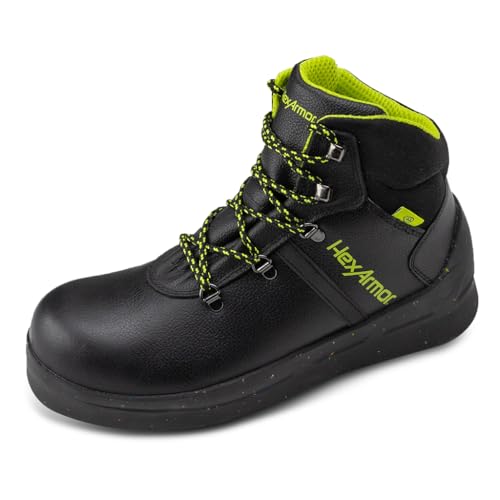
Let’s talk about the HexArmor Asphalt Work Boot.
This boot is a beast. It is made for one thing. It is made for extreme heat.
If you are the guy on the screed, this is for you. If you are raking the joint, this is for you. These jobs put you right on the hottest mix.
Key Features of HexArmor
The main star here is the heat rating.
This boot can handle 572°F. That is incredibly hot. Most boots fail way before that.
The sole uses a special technology. It acts like a shield. I have worn these on a 95-degree day. The air was hot. The asphalt was fresh. But my feet felt okay. The heat did not burn through the bottom.
Also, they are Anti-Shock.
Walking on uneven ground hurts. Jumping off the paver hurts. The anti-shock feature helps. It absorbs the hit. Your knees will thank you.
Why Choose This Boot?
-
Safety First: It has great slip resistance. Oil and water make roads slick. These boots grip well.
-
No Melt: The sole stays hard. It does not get gooey.
-
Protection: It resists cuts. Sharp rocks are everywhere. These boots are tough.
Short Details
-
Entity: HexArmor
-
Heat Rating: 572°F
-
Sole Type: Slip-resistant, flat profile.
-
Best For: Rakers, Screed Operators.
Pros and Cons
Pros:
-
Extreme Heat Resistance: Handles 572°F. This is top-tier.
-
Safe Grip: You will not slip easily.
-
Shock Absorbent: Saves your back and knees.
-
Dry Feet: Water-resistant material works well.
Cons:
-
Weight: They are heavy. They feel like tank armor.
-
Cost: They are not cheap. But safety costs money.
-
Stiff: They take time to break in.
My Recommendation
I suggest the HexArmor for the “ground crew.”
If you walk on the mat all day, buy these. The heat resistance is the best I have seen. Yes, they are heavy. But burnt feet are worse.
These boots give you confidence. You can step on the hot mix. You do not have to worry. You focus on the job. You focus on the perfect joint.
Also, the slip resistance is key. I once slipped on a tack coat in old boots. I fell hard. It hurt. With these, I feel planted. I feel safe.
For a beginner who wants maximum protection, this is a great choice. It stops the heat. It stops the slip. It lets you work.
To buy this product, click here.
Cofra Men’s Boot New Asphalt Eh Pr

The Industry Standard for Pavers
Next, we look at COFRA.
The COFRA Men’s Boot New Asphalt EH PR is famous. You see it on many job sites.
Why? Because it is built just for us. It even has “Asphalt” in the name. That tells you something.
Designed for the Job
COFRA understands our work. They built a smooth sole.
Remember what I said about prints? This boot leaves no prints. The sole is completely flat. It is like a smooth tire.
This is perfect for finishing work. You can walk on the mat while it is still warm. You will not mark it up.
Key Features of COFRA
-
Heat Defender: The sole fights heat. It is good for 572°F, just like HexArmor.
-
Electrical Hazard (EH): This is vital. Sometimes we work near wires. Sometimes we work near light poles. EH rating keeps you safe from shocks.
-
Puncture Resistant (PR): Construction sites are messy. There are nails. There is sharp metal. The PR sole stops them. A nail will not go through to your foot.
Experience on the Job
I have a buddy named Mike. Mike is a roller operator. But sometimes he helps rake.
Mike swears by COFRA. He has wide feet. He struggled to find boots that fit.
He tried the COFRA 6 Wide. He said it was like a relief. His toes had room. When his feet swelled in the heat, the boot did not pinch.
He also loves the cleaning. Because the sole is smooth, he just wipes it. He uses a scraper for two seconds. The tar falls right off. He does not spend his lunch break picking rocks out of his soles.
Short Details
-
Entity: COFRA
-
Safety: EH (Electrical Hazard), PR (Puncture Resistant).
-
Sole: Completely flat / Smooth.
-
Fit: Available in Wide sizes.
Pros and Cons
Pros:
-
No Prints: The smooth sole protects the asphalt.
-
Easy Clean: Tar does not stick well to the flat bottom.
-
Safety Rated: EH and PR protection covers all risks.
-
Heat Safe: Handles the high temps we face.
-
Wide Fit: Great for big feet or swelling feet.
Cons:
-
Traction on Mud: The smooth sole is bad for mud. If it rains, be careful on grass.
-
Weight: It is a sturdy boot. It is not a running shoe.
-
Style: It is very plain black.
My Recommendation
The COFRA New Asphalt is for the pro who cares about the finish.
If you are a finisher, get this. If you are tired of cleaning your boots, get this.
The Puncture Resistance is a big bonus. I stepped on a rusted nail once. It went through my old boot. It went into my foot. It was bad. I had to get a tetanus shot. I missed two days of work.
If I had these COFRA boots, that would not have happened. The steel plate would have stopped it.
Safety is not just about heat. It is about sharp objects too. This boot handles both. It handles the heat. It handles the nails. It keeps the road smooth.
To buy this product, click here.
Irish Setter Ashby Men’s Work Boot
The King of Comfort and Style
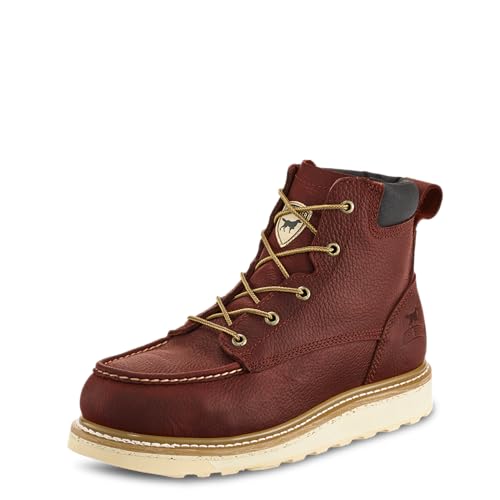
Now, let’s look at a different style. The Irish Setter Ashby.
You have probably seen these on the job site. They look like classic work boots. They are brown. They look tough.
The HexArmor and COFRA boots are specialized tools. They are like tanks. The Irish Setter is different. It is built for comfort. It is built for the guy who drives the paver. It is for the foreman who walks the job all day.
The Power of the Wedge Sole
The Ashby uses a “Wedge Sole.”
This is important. Look at the bottom. It is flat. It has no heel.
Why does this matter?
On soft asphalt, a heel digs in. It leaves a dent. A wedge sole distributes your weight. It spreads it out. You float on the surface.
Also, the wedge sole is great for your back.
I remember working a 14-hour shift. We were doing a parking lot. It was stop-and-go all day. My old boots had a heavy heel. My lower back was screaming by 2 PM.
The next week, I tried a wedge sole. The difference was huge. The flat sole supports your whole foot. It takes the strain off your arches. It helps your back. If you have back pain, try a wedge sole.
Quality Leather
Irish Setter uses Trout Brook Leather. This is their own special leather.
It is thick. It is durable. But it is also soft. It does not take months to break in.
Asphalt chemicals are harsh. They dry out cheap leather. They make it crack. This leather holds up better. It resists the drying effect of the heat.
Heat Resistance Note
Now, we must be honest. The heat rating here is good, but not the highest.
The outsole is heat-resistant up to 475°F.
Is this enough? Usually, yes.
Fresh asphalt is 300°F to 350°F. So, 475°F is safe. However, if you are standing directly on 400-degree super-hot mix all day, go with HexArmor. But for 90% of the job, the Ashby is perfect.
Short Details
-
Entity: Irish Setter / Red Wing Shoes.
-
Sole: Rubber EVA Traction Tred (Wedge).
-
Heat Rating: 475°F (HRO).
-
Material: Full Grain Trout Brook Leather.
-
Best For: Paver Operators, Foremen, Drivers.
Pros and Cons
Pros:
-
Incredible Comfort: It feels like a sneaker.
-
Back Support: The wedge sole reduces strain.
-
No Debris: The shallow tread does not pick up rocks.
-
Good Looks: You can wear these to the store after work.
-
Durability: The leather is top-notch.
Cons:
-
Not Waterproof: They are water-resistant, but not waterproof. Feet might get wet in heavy rain.
-
Heat Limit: Lower heat rating than COFRA or HexArmor.
-
Soft Toe: This version is a soft toe. Be careful around heavy machinery. (Aluminum toe versions exist, but check the model).
My Recommendation
I recommend the Irish Setter Ashby for operators and drivers.
If you sit in the paver seat, you do not need 600-degree protection. You need comfort. You need a boot that lets you feel the pedals.
Also, for the finish crew, these are great. They are gentle on the mat. They are gentle on your feet.
I wore a pair of these for two seasons. They molded to my feet. They became my favorite shoes. Even on weekends, I wore them. That tells you how comfortable they are.
To buy this product, click here.
Side-by-Side Comparison
Let’s put them next to each other. This helps you decide.
| Feature | HexArmor Asphalt Boot | COFRA New Asphalt EH PR | Irish Setter Ashby |
| Best For | Ground Crew / Rakers | Finishers / Safety Focus | Operators / Drivers |
| Heat Resistance | 572°F (Extreme) | 572°F (Extreme) | 475°F (High) |
| Sole Type | Flat Profile / Anti-Slip | Smooth (No Tread) | Wedge Sole |
| Safety Toe | Composite / Protective | Protective (check specs) | Soft Toe (usually) |
| Special Feature | Anti-Shock System | Puncture Resistant Plate | Trout Brook Leather |
| Weight | Heavy | Medium-Heavy | Medium-Light |
| Waterproof | Yes | Water-Resistant | Water-Resistant |
Quick Summary:
- Buy HexArmor if you stand on the hottest mix all day.
- Buy COFRA if you need Puncture Resistance and easy cleaning.
- Buy Irish Setter if you want maximum comfort and back support.
How to Care for Your Asphalt Boots
Buying good boots is step one. Taking care of them is step two.
Asphalt is nasty stuff. It is sticky. It hardens like rock. It eats leather.
If you do not clean your boots, they will die. I have seen $200 boots ruined in a month because the guy never cleaned them. The leather dried out. It cracked. The sole separated.
Here is my routine. It works. It keeps boots alive for years.
1. The Daily Scrape
Do not let the tar harden overnight.
When you get off the job, take 5 minutes. Use a scraper. Scrape the big chunks off the sole.
If you have the COFRA boots, this is easy. One swipe and it is gone. If you have lugs, you need to dig a little.
Pro Tip: Do this while the boots are still warm. Warm tar moves. Cold tar stays.
2. Cleaning the Leather
You will get oil and bitumen on the uppers.
Do NOT use gasoline.
I see guys do this. They wipe their boots with gas or diesel.
Yes, it cleans the tar. But it destroys the boot.
Diesel eats the glue. It eats the stitching. It dries out the leather instantly. Your sole will fall off in weeks.
Use Citrus Cleaner.
Get a bottle of orange-based cleaner. Or use a specific “release agent” found at the shop.
Spray it on a rag. Wipe the tar spots. It dissolves the tar gently. It smells better too.
3. Conditioning is Key
This is the secret weapon.
Asphalt draws moisture out of leather. You need to put it back in.
Once a month, oil your boots.
I use Mink Oil. Or a heavy-duty boot grease.
Rub it in deep. Pay attention to the seams. Pay attention to the flex points near the toes.
This keeps the leather soft. If the leather is soft, it does not crack when you kneel.
4. Check the Glue
Heat kills glue. Even on good boots.
Check the edge of the sole. If you see it starting to peel, fix it early.
Use “Shoe Goo” or a strong adhesive.
Do not wait until the sole flops around. Fix it small, stay safe.
Frequently Asked Questions
Here are answers to common questions. I hear these on the job site all the time.
What Are The Best Boots For Asphalt Work?
The best boots are the HexArmor Asphalt Work Boots for extreme heat and the COFRA New Asphalt for safety features. They withstand 572°F heat. For comfort and operators, the Irish Setter Ashby is the top choice. You need heat resistance and a flat sole.
Are Hexarmor Boots Slip-resistant?
Yes, HexArmor boots are highly slip-resistant. They use a special material that grips well on oily and wet surfaces. This keeps you stable on fresh tack coats or slick asphalt. They are designed to prevent falls in dangerous work zones.
How Do Cofra Boots Handle High Temperatures?
COFRA boots use a “Heat Defender” sole. This is a special rubber compound. It resists heat up to 572°F (300°C). It blocks the heat from traveling up into the boot. This keeps your feet cooler and prevents the sole from melting on hot mix.
Are Irish Setter Boots Comfortable For Long Wear?
Yes, they are very comfortable. The wedge sole provides excellent arch support. The Trout Brook leather is soft and flexible. They are great for 12-hour shifts. They reduce back pain and foot fatigue significantly compared to heavy logger boots.
Do These Boots Provide Water Resistance?
Yes, all three boots offer water resistance. HexArmor offers the best protection against water. COFRA and Irish Setter resist water well but may not be 100% waterproof in deep puddles. Regular oiling helps improve their water resistance over time.
Can I Wear Steel Toe Boots for Asphalt?
You can, but be careful. Steel conducts heat. If the steel toe gets hot, it can burn your toes. Composite toes or Aluminum toes are better. They do not hold heat like steel does. HexArmor and COFRA often use composite materials for this reason.
Conclusion
We have covered a lot. We talked about heat. We talked about soles. We talked about safety.
Choosing the right boots for asphalt work is not just about fashion. It is about survival. It is about being able to walk when you are 60 years old.
If you wear cheap boots, you will suffer. You will burn your feet. You will hurt your back. You might slip and get hurt.
Let’s recap my top picks:
- For the Front Line: If you are raking, shoveling, or working the screed, get the HexArmor Asphalt Boots. They handle the extreme heat best. They protect you the most.
- For the Finisher: If you want a smooth road and a safe foot, get the COFRA New Asphalt. The flat sole is a game-changer for quality work. The puncture resistance saves you from nails.
- For the Operator: If you drive the roller or paver, get the Irish Setter Ashby. They are comfortable. They look great. They save your back.
My Final Advice:
Do not wait.
I ruined my feet in my first year because I was cheap. I bought $50 boots. I went home in pain every day.
When I finally bought my first pair of real asphalt boots, everything changed.
I had more energy. My knees stopped hurting. I worked better.
Invest in yourself. Your feet earn your paycheck. Take care of them.
Stay safe out there. Watch the traffic. Watch the heat. And keep your boots clean.
Ready to gear up? Check the links above. Find your size. Get the right tool for the job.

Madison Clark is a footwear expert and the voice behind MyStyleGrid.com. She specializes in honest shoe reviews, style tips, and practical guides to help readers find the perfect pair for any occasion. With years of experience in blogging and content creation, Madison makes footwear knowledge simple, stylish, and easy to follow.