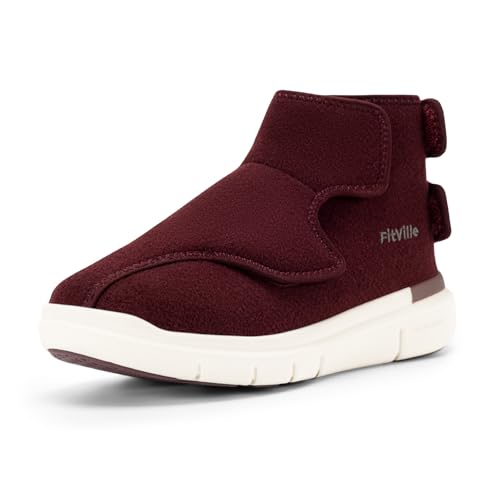
The best boots for diabetics with neuropathy combine a roomy fit, soft support, stable soles, and low-friction comfort.
A long walk can feel risky when numb toes, sore arches, swelling, or poor balance enter the picture. A tight boot may press on a toe without you noticing, while a hard sole can turn each step into a small shock. I look for wide shapes, gentle uppers, secure traction, removable support, and enough space for diabetic socks. The options below cover daily wear, work, hiking, dress use, wide feet, and swollen legs. Still, footwear cannot treat neuropathy. Check your feet each day, and ask your clinician or podiatrist about any sore spot, blister, color change, or wound.
Men’s Orthopedic Wide-Toe Oxford Boots
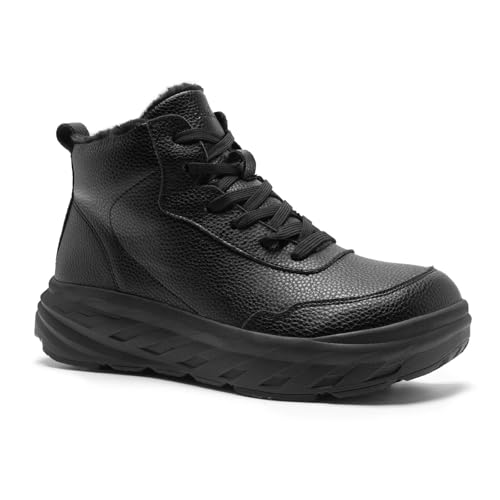
This Oxford-style ankle boot aims to blend dress appeal with orthopedic comfort. Its wide-toe design gives the forefoot more room, which may help reduce rubbing on bunions, curled toes, and tender areas. The leather upper also gives it a more polished look than a typical walking shoe. I like this balance for men who need a boot for work, travel, or casual office wear.
The arch support may help users who also deal with plantar fasciitis, heel pain, or tired feet. A soft, ergonomic build can make indoor standing and short outdoor walks feel less harsh. However, a roomy toe box only helps when the length and width match your foot, so measure before ordering. People with reduced sensation should inspect the boot’s seams and wear it for short periods at first.
Pros:
- Wide toe area helps limit forefoot pressure
- Dress-like look suits work and casual outfits
- Orthopedic support may ease arch strain
- Ankle height adds a little extra coverage
- Useful for indoor standing and light outdoor use
- Leather style looks more refined than a sports shoe
Cons:
- May feel too firm for users who want a soft walking sneaker
- Wide sizing still needs careful measurement
- Not a medical off-loading boot for active ulcers
Doctor’s Select Bamboo Diabetic Socks

These are socks rather than boots, but they solve a key part of the fit problem. The bamboo viscose fabric is designed to feel soft against the skin while helping move moisture away from the foot. A stretch crew top aims to stay up without the harsh squeeze found in some standard socks. That matters when swelling or poor circulation makes tight bands uncomfortable.
I would pair these with a wide boot that has enough internal space. Moisture control may help keep skin drier, but it does not replace daily foot checks or proper glucose care. The black color works well with office shoes, work boots, and dark hiking footwear. Since the pack includes six pairs, it also makes it easier to use a clean pair each day.
Pros:
- Soft bamboo blend feels gentle on sensitive skin
- Moisture-wicking design supports a drier foot
- Non-harsh stretch top may reduce pressure marks
- Six-pair pack offers good everyday coverage
- Black color hides normal wear
- Works under many roomy boot styles
Cons:
- Does not provide boot support by itself
- Fabric care may affect long-term softness
- Fit can vary by calf size and shoe size
Nolunt Non-Binding Diabetic Crew Socks

Nolunt offers a six-pair set in several dark and neutral colors. The non-binding crew design is the main attraction for men who dislike tight elastic around the calf. Its relaxed feel may work well with boots worn for long hours, especially when feet tend to swell later in the day. The color mix also gives more choice than an all-black pack.
These socks can reduce one common source of pressure inside a boot: a tight cuff that leaves a ring on the leg. They are not padded medical socks, so users who need extra cushioning should check the fabric and boot fit together. I would turn each sock inside out before wearing it to look for rough seams or loose threads. With neuropathy, small details matter because the foot may not warn you quickly.
Pros:
- Non-binding top is suited to many swollen legs
- Six-pair set supports regular sock changes
- Neutral colors fit work and outdoor clothing
- Crew height works with ankle and hiking boots
- May reduce tight-cuff pressure
- Useful for men with sensitive feet
Cons:
- May slide more than a firm athletic sock
- Not as useful for people who need thick cushioning
- Color assortment may not suit every wardrobe
OrthoComfoot Wide Waterproof Hiking Boots

This pair is built for outdoor use, where wet ground and uneven paths can test any boot. The wide shape is appealing for people who need more room across the toes or want to wear thicker diabetic socks. Waterproof construction may help keep rain and damp grass away from the foot. A non-slip outsole adds confidence on ordinary trails, sidewalks, and work areas.
The arch support is another useful feature for people who feel strain under the heel or midfoot. I would not assume that “non-slip” means safe on every surface, since oil, ice, and wet leaves can still be hazardous. The ankle design offers more support than a low shoe, but users with balance issues should still walk with care. Break them in indoors and check the skin after each early wear.
Pros:
- Wide fit gives toes more room to spread
- Waterproof build helps block rain and damp ground
- Non-slip outsole supports outdoor traction
- Arch support may reduce foot fatigue
- Ankle height adds stability on light trails
- Works for hiking, work, and outdoor chores
Cons:
- Waterproof materials may feel warmer in summer
- Outdoor soles can feel heavy indoors
- Traction cannot remove all fall risks
CIRZUEX Extra-Wide Swelling Socks
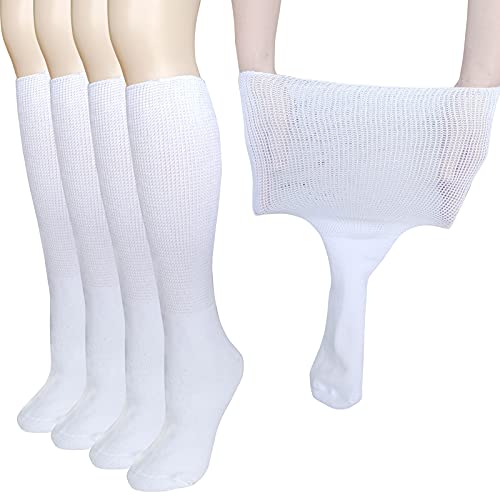
CIRZUEX targets a problem that many regular boots and socks ignore: a foot or lower leg that needs extra space. The extra-wide design can fit over swelling, a cast boot, or a larger ankle without creating a tight band. This makes it a practical companion for people who struggle to pull standard socks over the foot. The fabric also creates a soft layer between skin and footwear.
These socks may help with comfort, but sudden or severe swelling needs medical attention. A loose sock should never hide a change in skin color, heat, drainage, or pain. I would use them with a boot that has a wide opening and adjustable closure. The two-pair pack is smaller than a six-pair bundle, but the design is more specialized.
Pros:
- Extra-wide shape accommodates swollen feet and legs
- Non-binding design reduces tight top-edge pressure
- Can fit over some braces or cast boots
- Helpful for people who cannot wear standard socks
- Creates a soft barrier inside a roomy boot
- Useful for both men and women
Cons:
- Only two pairs come in the listed pack
- May be too loose for a narrow leg
- Not a substitute for medical swelling care
Brooklyn Cotton Non-Binding Diabetic Socks

Brooklyn Socks keeps the design simple with black cotton crew socks in a six-pair pack. The non-binding top is made for users who want less squeeze around the calf. Cotton feels familiar and breathable for daily wear, though moisture may remain longer than it does with a strong moisture-wicking blend. For many users, the biggest benefit is a basic sock that does not feel restrictive.
The size range listed here suits many men who wear medium to large footwear. I would still check the current size chart because sock stretch and shoe size do not always match. These socks pair well with casual ankle boots, work boots, and wide dress boots. They are a good low-cost choice for building a daily foot-care routine.
Pros:
- Simple cotton feel suits everyday wear
- Non-binding cuff may reduce calf pressure
- Six pairs provide a useful weekly supply
- Black color matches most boots
- Crew height protects the ankle area
- Good basic option for routine use
Cons:
- Cotton may hold moisture after heavy activity
- Less specialized than extra-wide swelling socks
- May not provide enough warmth for cold weather
Big and Tall King-Size Diabetic Socks

Men with large feet often find that “diabetic” socks stop before they reach a comfortable size. This king-size cotton crew option is made for shoe sizes 13 through 16. The larger cut can reduce stretching across the toes and help the sock sit more naturally inside a roomy boot. That extra space may also help prevent bunching, a small issue that can become a pressure point.
The athletic crew style suits work boots, walking boots, and casual outdoor footwear. Cotton gives a soft, familiar feel, but it may need more time to dry after sweat or rain. I would combine these with a wide boot and check the toe area after activity. For big-and-tall users, the correct scale can matter as much as the boot’s stated width.
Pros:
- Fits larger men’s shoe sizes from 13 to 16
- Roomy cut may reduce toe stretching
- Six-pair pack supports daily changes
- Black athletic style works with work boots
- Crew height offers ankle coverage
- May reduce sock bunching inside large boots
Cons:
- Too large for smaller feet
- Cotton may dry slowly after heavy sweat
- Limited color choice may not suit dress wear
Men’s Orthopedic Wide Leather Dress Boots

This leather ankle boot takes a more stylish route to comfort. Its wide shape may give the toes room, while the orthopedic footbed aims to support the arch and heel. The look fits relaxed business clothing, travel outfits, and everyday city wear. I see it as a useful choice for men who do not want a medical-looking shoe.
The boot may help users who stand for long periods or feel pain linked to plantar fasciitis. Leather can soften with use, but it may not feel perfect on day one. Wear a thin, smooth sock and test the boot indoors before taking a long trip. As with every option in this guide, inspect the foot after use rather than relying on pain as a warning.
Pros:
- Wide leather design offers a polished appearance
- Orthopedic footbed may support the arch
- Useful for standing, travel, and daily errands
- Ankle height gives more coverage than a loafer
- Can suit casual business clothing
- Roomy shape may work with orthotic inserts
Cons:
- Leather may need a break-in period
- May feel warm in hot weather
- Insert space should be checked before adding orthotics
Men’s Orthopedic Waterproof Hiking Boots

This brown hiking boot is aimed at people who want outdoor protection with a more modern look. The waterproof upper may help keep feet dry during rain, wet grass, and light trail use. Its arch support is designed for people who experience plantar fascia or general foot pain. The high-arch focus may be useful, but users with low arches should judge the shape with care.
For diabetic neuropathy, I value the combination of a secure upper, stable sole, and enough room for the toes. A waterproof boot can trap heat, so moisture-wicking socks may make the interior more comfortable. Use this pair for controlled outdoor walks rather than assuming it is suitable for rugged terrain. Check for pressure from the heel, tongue, and toe cap after each early outing.
Pros:
- Waterproof design suits wet outdoor conditions
- Brown color looks less bulky than some work boots
- Arch support may help tired feet
- High-arch shape benefits some users with elevated arches
- Ankle build offers added coverage on trails
- Suitable for walking, hiking, and outdoor tasks
Cons:
- High arch may not suit every foot shape
- Waterproof lining may feel warm
- May be more boot than needed for indoor use
Propét Ridge Walker X-Wide Hiking Boot
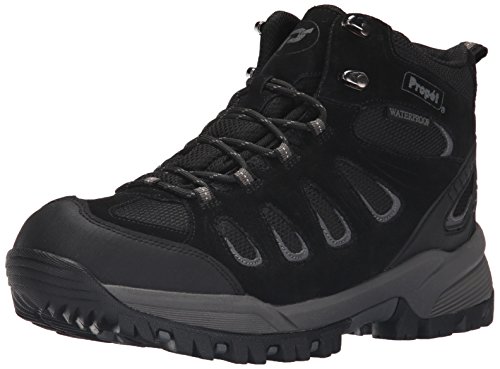
The Propét Ridge Walker stands out because the listed version comes in an X-Wide fit. That is important for men whose feet feel squeezed by normal or even standard wide boots. The hiking build gives more protection than a casual shoe, while the black color keeps the look easy to match. I would consider it for neighborhood walks, light trails, and everyday outdoor wear.
Extra width can help, but it should not allow the heel to slide. I recommend wearing the socks and any insert you plan to use when checking the fit. A firm hiking boot may feel supportive on uneven ground, yet it can also need a careful break-in period. This is one of the more promising choices for users who need a true wide platform instead of a narrow fashion shape.
Pros:
- X-Wide size gives substantial forefoot room
- Hiking design protects more than a low sneaker
- Black color works for daily outdoor use
- Good match for larger or broader feet
- Stable build may support light trail walking
- Can accommodate some thicker socks
Cons:
- Extra width may feel loose on narrow feet
- Hiking construction can feel stiff at first
- Users must confirm the current size chart
How I Choose Boots for Diabetic Neuropathy
When I review boots for diabetic feet, I start with fit rather than style. A boot should leave enough space for the toes to move without letting the heel lift. The front should not taper sharply, and the inside should feel smooth. A removable insole is helpful because it allows room for a prescribed insert or custom orthotic.
I also look at the sole. A stable, shock-absorbing sole may reduce fatigue and help smooth the impact of each step. Good traction matters because falls can cause serious problems, especially when balance or sensation is reduced. Still, no outsole works well on every surface, so users should match the boot to the ground and weather.
Upper materials matter too. Soft leather, flexible fabric, and padded tongues may limit rubbing. Waterproof boots help in wet weather but can hold heat and sweat. For that reason, I pair warm waterproof boots with moisture-control socks and allow them to dry fully between uses.
Medical guidance supports this cautious approach. The American Diabetes Association and the National Institute of Diabetes and Digestive and Kidney Diseases stress daily foot checks, proper footwear, and prompt care for wounds or changes. A boot can support comfort, but it cannot correct poor circulation, heal an ulcer, or replace a podiatrist’s advice.
Fit and Safety Tips Before You Wear New Boots
Measure both feet near the end of the day. Feet often swell after hours of standing, so a morning-only measurement may lead to a tight fit. Wear the socks you plan to use with the boots. Check the length, toe room, heel hold, and width before walking outside.
Start with short indoor sessions. Ten to fifteen minutes gives you time to look for red marks, hot spots, rubbing, or pressure. If you have neuropathy, do not wait for pain to guide you. Remove the boot and inspect your feet with a mirror or ask someone to help.
Keep the inside of each boot clean and dry. Remove small stones, grit, or folded sock fabric before putting the boot on. Lace or fasten the boot firmly, but never so tightly that it leaves a deep mark. If the boot causes repeated redness, stop using it and ask a foot-care professional for help.
My Recommendation
For a polished daily boot, I would start with the Men’s Orthopedic Wide-Toe Oxford Boots. They offer the best blend of room, support, and dress-friendly style in this group. For wet trails or outdoor work, the OrthoComfoot Wide Waterproof Hiking Boots make more sense because they add weather protection and traction.
Men with very broad feet should look closely at the Propét Ridge Walker X-Wide. If swelling is the main concern, the CIRZUEX socks may be more useful than forcing a standard sock into a tight boot. In my view, the Best Boots for Diabetics With Neuropathy are the ones that fit without pressure, stay stable, and let you inspect the foot often.
| Best for | Why |
|---|---|
| Dress and daily office wear | The wide Oxford boots offer a cleaner look with arch support and toe room. |
| Rain, trails, and outdoor work | The OrthoComfoot waterproof hiking boot combines a wide shape, traction, and weather coverage. |
| Very broad feet | The Propét Ridge Walker X-Wide gives more usable space than many standard wide boots. |
FAQs Of Best Boots for Diabetics With Neuropathy
What features should diabetic neuropathy boots have?
Look for a wide toe box, a smooth inner lining, stable traction, and a secure heel. Removable insoles can help make room for custom orthotics. Avoid hard seams, tight openings, and pointed toes.
Are waterproof boots safe for people with diabetes?
They can be useful in wet weather if they fit well and do not trap too much heat. Wear moisture-control socks and dry the boots between uses. Check your feet after wearing them.
Should diabetic boots feel loose?
They should feel roomy, not loose. Your toes need space, but your heel should stay in place. Excess movement can cause rubbing and blisters.
Can boots cure neuropathy or foot pain?
No. Boots may reduce pressure and improve comfort, but they cannot cure nerve damage. Speak with a clinician about numbness, burning, wounds, or lasting pain.
How often should I check my feet?
Check them every day, including the soles and spaces between the toes. Look for redness, swelling, cracks, blisters, drainage, or color change. Report concerning changes promptly.
Final Verdict: Which Should You Buy?
The Men’s Orthopedic Wide-Toe Oxford Boots are my top pick for daily dress and casual use. The OrthoComfoot pair is better for wet trails, while the Propét Ridge Walker suits very broad feet.
The Best Boots for Diabetics With Neuropathy should feel calm, roomy, and stable. Choose carefully, inspect your feet daily, and follow your podiatrist’s advice.

Madison Clark is a footwear expert and the voice behind MyStyleGrid.com. She specializes in honest shoe reviews, style tips, and practical guides to help readers find the perfect pair for any occasion. With years of experience in blogging and content creation, Madison makes footwear knowledge simple, stylish, and easy to follow.