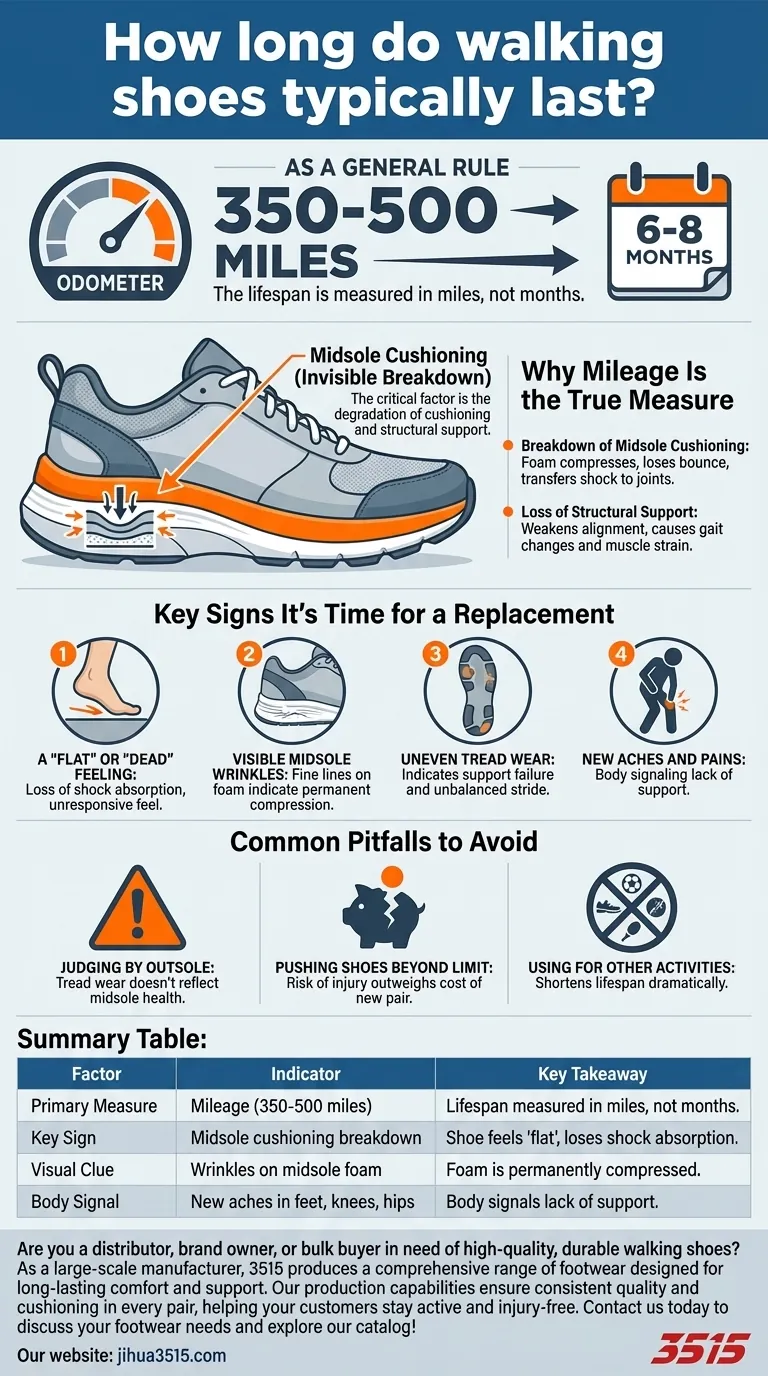
Most walking shoes last about 300–500 miles, or roughly 6 months to 2 years for typical users.
I’ve tested dozens of walking shoes and worked with shoe-fit pros and physical therapists. In this guide I’ll explain exactly how long do walking shoes last, why lifespans vary, clear signs you need a replacement, and proven tips to make your shoes last longer. Read on for simple rules, real-world advice, and a practical replacement checklist you can use today.
Factors that determine how long do walking shoes last
Several things change how long do walking shoes last. Use, body weight, shoe construction, terrain, and care all matter. Shoes wear from the bottom up and the inside out. Knowing these factors helps you predict lifespan and avoid injuries.
- Use pattern and mileage. Heavy daily use shortens life quickly.
- Body weight and gait. Heavier walkers and those who overpronate wear midsoles sooner.
- Shoe type and build. Shoes with firm midsoles last longer than soft, plush models.
- Surface and environment. Rough trails and wet conditions speed wear.
- Maintenance and rotation. Letting shoes dry and rotating pairs extends life.

Average lifespan by shoe type and usage
How long do walking shoes last depends on type and how you use them. Here are common ranges to expect.
- Lightweight walking shoes: 300–400 miles, or 6–12 months with regular use.
- Cushioned/stability walking shoes: 350–500 miles, often 9–18 months for daily walkers.
- Trail walking shoes: 300–500 miles, but rugged use on trails may shorten that.
- Minimalist shoes: 200–400 miles, depending on durability and terrain.
- Heavy users (daily long walks): 6–12 months before support fades.
- Casual walkers (few times weekly): 1–2 years is common.
If you track how long do walking shoes last by miles, you get the most accurate picture. Many experts recommend replacing at 300–500 miles for most walking shoes.

Signs your walking shoes need replacing
Knowing the signs makes replacing shoes simple. Check these indicators regularly.
- Midsole feels flat or overly soft. Loss of cushioning is a key sign.
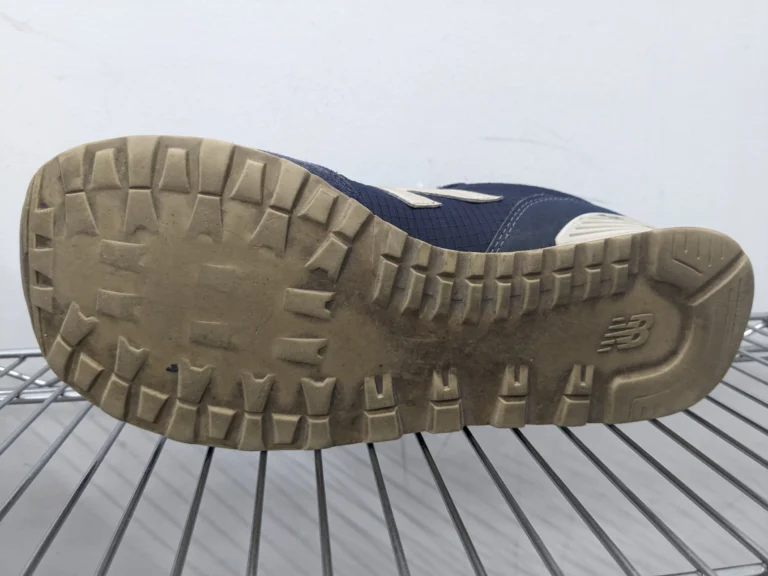
- Noticeable sole wear and tread loss. Grip failing on wet surfaces is a warning.
- New aches in knees, hips, or lower back. Changes in comfort mean lost support.
- Upper fabric tears or big seams opening. Structural damage reduces protection.
- Uneven wear on the outsole. Pronounced one-sided wear signals bad support.
If you see two or more signs, don’t ask how long do walking shoes last—replace them. A small investment prevents injury.

How to extend the life of your walking shoes
I’ve learned a few rules that keep shoes usable longer. I once wore a favorite pair past 600 miles and paid with knee pain for weeks. After that I adopted these habits.
- Rotate pairs. Use at least two pairs and alternate days to let midsoles decompress.
- Keep them dry. Air shoes out after wet walks; avoid heat which breaks down foam.
- Clean gently. Remove dirt and salt with mild soap and a soft brush.
- Use proper socks. Cushioned, moisture-wicking socks reduce friction and insole wear.
- Avoid machine washing. It can delaminate glue and shorten shoe life.
- Replace insoles. New insoles add comfort and extend structural life by months.
These steps helped me double the practical life of several walking shoes without losing comfort.

Replacement schedule and checklist
A simple plan helps you act before shoes fail. Use miles and symptoms together.
- Track mileage. Log miles on a phone app or journal and flag 300, 400, and 500-mile marks.
- Monthly check. Inspect tread, midsole bounce, and upper integrity each month.
- Replace at signs. If cushioning is gone or pain starts, replace even if miles are low.
- Keep a backup. Buy a new pair before your current shoes hit critical wear.
Quick checklist before buying new shoes:
- Check midsole resilience by pressing the side. If it stays compressed, replace.
- Inspect tread depth and edges for separation.
- Note any new joint pain after walks.
- Confirm fit—shoes can feel different as your feet change.
Use this schedule to answer how long do walking shoes last for your routine. Tracking beats guessing.
Small technical notes on materials and wear
Materials matter for how long do walking shoes last. Foam chemistry and outsole rubber affect lifespan. Ethylene-vinyl acetate (EVA) midsoles compress faster than advanced foams that resist breakdown. Harder carbon rubber outsoles last longer on pavement. If you care about mileage, look for firm midsoles and durable outsole compounds. Industry tests show foam density and construction often predict lifespan better than brand or price alone.

Personal tips for different walkers
Here are quick rules based on walking style and goals. I used these to choose shoes during long training seasons.
- Daily commuter: Aim for 350–450 miles and rotate two pairs.
- Long-distance walker: Track miles precisely and replace near 300 miles.
- Trail hiker/walker: Expect faster wear, inspect after each hike, and plan earlier replacement.
- Older adults or those with joint pain: Replace sooner, around 300 miles, for shock absorption.
These practical rules answer how long do walking shoes last in real life. Adjust them by feel and symptoms.
Common PAA questions
How many miles do walking shoes last?
Most walking shoes last between 300 and 500 miles. The exact number depends on build, weight, and surface.
Can I extend life by rotating shoes?
Yes. Rotating two or more pairs lets midsoles recover and can add months to each pair. It reduces constant compression.
Is mileage better than time for tracking shoe life?
Mileage is more accurate. Time helps too, but storage, moisture, and sunlight can age materials even when unused.
Frequently Asked Questions of how long do walking shoes last
How often should I check my walking shoes for wear?
Check them every month if you walk regularly, or after every long hike. Regular checks catch problems early.
Can worn walking shoes cause pain?
Yes. Worn shoes can change your gait and lead to knee, hip, or back pain within weeks. Replace if pain begins.
Are expensive walking shoes longer lasting?
Not always. Build and materials matter more than price. Some mid-price shoes use better foam and rubber for longer life.
Should I replace shoes by age if I don’t wear them often?
Yes. Foam and glue can degrade over time. If shoes are several years old, inspect them even if used little.
Do insoles help extend shoe life?
Quality insoles can add comfort and delay replacement by supporting the midsole. They don’t fix structural midsole collapse.
Is tread wear the only thing to watch for?
No. Tread wear is visible, but midsole compression and new body pain are more important signs of failure.
How should I store walking shoes to prolong life?
Store them in a cool, dry place away from direct sunlight. Avoid hot garages and sealed plastic for long-term storage.
Conclusion
Shoes wear in predictable ways. Most walking shoes last 300–500 miles or 6 months to 2 years, depending on use and care. Track miles, watch for cushioning loss or new aches, rotate pairs, and follow simple care steps to get the most from each pair. Use the checklist above when deciding to replace shoes and act early if comfort drops. Try tracking your next pair’s miles and share what you learn—your feet will thank you.

Rubel Miah is the Senior Editor at MyStyleGrid.com, where he brings a sharp editorial eye and an unshakable love for fashion to everything he does. A true style addict, Rubel lives and breathes trends, from streetwear to high fashion, and has a knack for turning inspiration into impactful stories. With years of experience in fashion journalism and digital media, he curates content that empowers readers to express themselves through style. When he’s not editing features or forecasting the next big thing, you’ll find him hunting down vintage pieces or capturing street style moments around the city.