The best boots for hallux rigidus women’s needs have a wide toe box, firm soles, light support, and room for orthotic inserts.
A stiff, sore big toe can turn a short walk into a careful shuffle. You may love your old boots, yet the tight toe area and bendable sole keep pressing on the joint. I know how frustrating that feels. The right boot can act like a quiet shield around the foot. It should limit painful toe bend, reduce pressure, and still feel warm and easy to wear. In this guide, I review the best boots for hallux rigidus women’s needs, including carbon fiber inserts that can improve the fit of boots you already own.
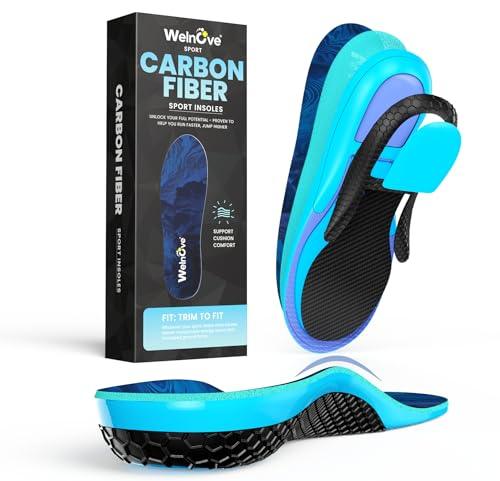
Welnove Carbon Fiber Insoles for Hiking

Welnove Carbon Fiber Insoles are made for people who need firm support inside hiking boots, work boots, and walking shoes. The rigid plate helps limit how much the big toe bends during each step. That matters because hallux rigidus often hurts most when the toe joint bends during push-off. I like this design for active women who do not want to give up outdoor walks.
The insert is shaped to sit under the foot while spreading pressure across the sole. It may feel stiff at first, so I suggest wearing it for short periods before taking a long hike. Check the length and width against your boot before ordering. With the right fit, this insert can make a flexible boot feel more stable and protective.
Pros:
- Rigid design helps limit painful big-toe motion
- Useful for hiking and outdoor walking
- Fits many boots and athletic shoes
- Supports both men’s and women’s footwear sizes
- Can improve the feel of soft, flexible footwear
- Helpful for turf toe, fractures, and hallux rigidus support
Cons:
- May feel too firm for users who prefer soft cushioning
- Requires enough room inside the boot
- May need trimming or careful size matching
Sunnyeah Thin Carbon Fiber Foot Insert

The Sunnyeah Carbon Fiber Insole has a very thin profile that may work well in snug boots. Its 0.047-inch plate is designed to reduce foot bending without taking up as much space as a thick foam orthotic. This is important when a boot already fits close around the instep. The firm surface may help calm pain linked to hallux rigidus, turf toe, arthritis, or a healing toe.
I see this model as a practical choice for daily boots, casual shoes, and recovery footwear. It does not add plush padding, so it works best when your boot already has a comfortable liner. A thin sock can help reduce rubbing during the break-in period. Always follow your clinician’s advice if you are using an insert after an injury or procedure.
Pros:
- Very thin profile saves space inside boots
- Helps limit bending through the forefoot
- Suitable for many women’s walking boots
- Useful for hallux rigidus and turf toe support
- Firm plate can improve boot stability
- Easy to move between compatible pairs of shoes
Cons:
- Provides little soft cushioning
- Can feel hard under the heel or arch
- Fit depends on accurate length measurement
Carbon Fiber Rigid Foot Plate Insert
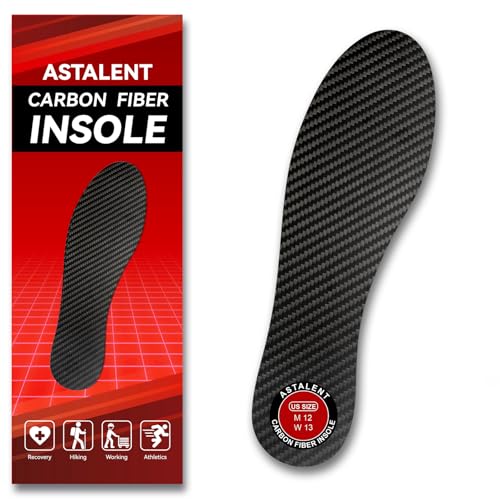
This single carbon fiber foot plate offers a simple way to add stiffness to a favorite pair of boots. It is designed for conditions that become worse when the forefoot bends, including hallux rigidus, hallux limitus, turf toe, and some toe fractures. The plate can create a smoother roll from heel to toe. That may reduce the sharp feeling many people notice during the final part of a step.
Because this is a rigid insert, it is not a replacement for a medical walking boot when a doctor has prescribed one. It is better suited to everyday footwear and short recovery walks when extra support is needed. I would pair it with a boot that has a roomy toe box and a removable insole. This gives the foot more space and helps prevent unwanted pressure on the top of the toes.
Pros:
- Strong, flat support under the forefoot
- May reduce painful toe bending
- Works in boots with removable liners
- Useful for several forefoot conditions
- Low-maintenance design has no pumps or parts
- Can turn a soft shoe into a firmer walking option
Cons:
- Only one insert is included
- May not suit people who need arch cushioning
- Rigid edges may feel uncomfortable in narrow boots
Morton’s Extension Carbon Fiber Orthotic

This Morton’s Extension orthotic uses a rigid carbon fiber base to support the front of the foot. Its purpose is to reduce motion around the big-toe joint and the nearby forefoot. That makes it a strong candidate for people who feel pain when climbing stairs, walking uphill, or pushing off. The listed size is aimed at a larger women’s foot, so careful measurement matters.
The thin shape can fit inside walking boots, work boots, and some casual shoes. It may also help people who need Morton’s extension support rather than a thick, soft insole. I recommend checking the product dimensions against the shoe’s original liner. If the insert makes the shoe tight, a wider boot is safer and more comfortable than forcing the foot into place.
Pros:
- Designed for firm forefoot control
- May help reduce big-toe joint motion
- Thin enough for many boots
- Useful for hallux rigidus, turf toe, and arthritis
- Supports a more stable walking pattern
- Good option for users who prefer a Morton’s extension
Cons:
- Only one piece comes in the package
- Listed sizing may not fit smaller women’s shoes
- Does not provide much shock absorption
Carbon Fiber Orthotic Insole for Women

This carbon fiber orthotic is listed for men’s size 9 and women’s size 9.5. That makes it a useful choice for shoppers who fall near that range and want firm support without buying a full medical boot. The plate helps keep the forefoot from flexing too much. It can work well in ankle boots, walking boots, and roomy sneakers.
The insert has a straightforward design, which I value when reviewing recovery footwear. There are no bulky gel pads to crowd the toes, and the rigid base can make each step feel more controlled. Still, it will not correct every cause of foot pain. Use it with supportive boots, and stop using it if you notice numbness, new pressure, or skin irritation.
Pros:
- Fits a common women’s shoe size range
- Limits forefoot flex during walking
- Works in many removable-insole boots
- Simple design is easy to move between shoes
- Can support hallux rigidus and turf toe needs
- May improve confidence on firm ground
Cons:
- Size range is limited
- May feel too firm for long first-day wear
- Not a complete arch or heel cushion
Women’s Wide Orthopedic Winter Ankle Boots
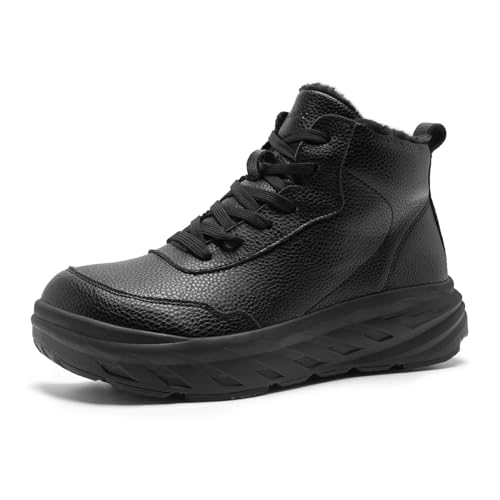
Among these products, this is the closest match to a true pair of the best boots for hallux rigidus women’s wardrobes. The wide orthopedic design gives the toes more room than a narrow fashion boot. It is described as a leather winter ankle boot with support for bunions, hammer toes, plantar fasciitis, and daily walking. The black finish also makes it easy to wear with jeans, work clothes, or travel outfits.
A roomy boot can be more important than a fancy insole when the big-toe joint feels swollen. I would look for space across the toe area, a stable sole, and enough depth for a thin carbon fiber plate if needed. The ankle height can add a little warmth and hold without covering the tender joint. Before ordering, check the size chart and read current customer feedback about width and fit.
Pros:
- Wide shape gives toes more breathing room
- Suitable for winter and daily walking
- Supports several common foot concerns
- Ankle height helps retain warmth
- Leather-style upper suits casual outfits
- May fit a thin rigid insert for extra toe control
Cons:
- May feel warm in mild weather
- Wide sizing can feel loose on narrow feet
- Boot fit may vary by foot shape
Freeior Carbon Fiber Insole

Freeior focuses on the main job many hallux rigidus shoppers need: limiting motion at the big-toe joint. The carbon fiber plate creates a firm base beneath the foot and may reduce the bend that causes pain. It is also listed for hallux limitus and turf toe. This makes it useful for people who want to test a rigid insert before replacing several pairs of boots.
I would use this insert in a boot with a removable footbed and a wide front. A hard plate cannot solve a cramped toe box, so the shoe still needs to fit well. Start with a short walk around the house and check your skin after use. If the insert feels too sharp or causes pressure, try a larger boot or ask a foot specialist about another design.
Pros:
- Made for hallux rigidus and hallux limitus
- Rigid base may reduce painful toe movement
- Works with many everyday boots
- Simple shape is easy to place under a liner
- Can support recovery from turf toe
- Useful for shoppers seeking a lower-cost shoe change
Cons:
- May need a roomy shoe to feel comfortable
- Firm material does not add plush cushioning
- One size may not fit every women’s boot
Carbon Fiber Insole Pair, 275 mm

This 275 mm carbon fiber insole pair is the most convenient option for people who want matching support in both shoes. A pair can help keep the left and right sides of the body balanced during normal walking. The rigid plates are intended to support the foot and limit excess bend through the forefoot. They may fit women’s boots, sneakers, or casual shoes that have enough internal length.
I prefer a pair when the goal is daily use, because moving one insert from shoe to shoe becomes tiring. Measure your current insole before buying, since millimeter sizing is more useful than guessing from a familiar shoe number. The plates should sit flat and should not curl at the toe. Wear them with socks that reduce friction, especially during the first week.
Pros:
- Includes a pair for both feet
- 275 mm length is easy to compare with an old insole
- Helps support a steady walking pattern
- Rigid structure may limit big-toe bend
- Can be used in several shoe types
- Practical for regular, long-term use
Cons:
- Exact millimeter sizing requires measuring
- May not fit short ankle boots
- Firm plates may need a cushioned top liner
My Recommendation
For most women, I would begin with the wide orthopedic winter ankle boot because fit is the foundation of the best boots for hallux rigidus women’s comfort. A wide toe box leaves space for the big toe, while the ankle height offers warmth and mild support. If your current boots already fit well, the Sunnyeah thin insert is a smart choice because it adds stiffness without taking up much room. Active walkers may prefer the Welnove model for hiking and outdoor use.
No insert should create sharp pressure, numbness, or a change in skin color. Hallux rigidus can have many causes, and pain that worsens deserves a medical assessment. A podiatry professional can check joint motion, shoe fit, and whether a rigid plate is suitable for you. The products below are best viewed as comfort tools, not cures or substitutes for care.
| Best for | Why |
|---|---|
| Wide winter walking boot | The Women’s Orthopedic Ankle Boot offers a roomy shape, warmth, and everyday support. |
| Thin insert for snug boots | The Sunnyeah Carbon Fiber Insole adds firm control while using very little space. |
| Hiking and outdoor activity | The Welnove Carbon Fiber Insole is built for firm support in hiking footwear. |
How I Choose Boots for Hallux Rigidus
When I assess the best boots for hallux rigidus women’s needs, I start with the front of the shoe. The toe box should allow the toes to rest in a natural position. It should not pinch the big toe from the side or press down from above. A boot may look wide outside but still taper sharply inside, so interior shape matters more than the label.
Next, I check the sole. A very flexible sole can force the big toe to bend with every step. A firm sole, rocker sole, or well-fitted rigid insert may reduce that motion. The goal is not to make the foot feel trapped. The goal is to let the boot carry more of the load during the roll from heel to toe.
I also look at heel security and boot depth. A loose heel can make the foot slide forward, which pushes the toes into the front. A secure lace, zip, or adjustable panel can help hold the foot in place. The upper should bend in the right spot and should not rub over the bunion or big-toe joint.
Key Features to Look For
Room across the toes
A wide toe box is one of the most useful features for a sore big toe. Your toes should have enough space to spread without touching the sides. Try boots late in the day, when feet often swell. Wear the socks you plan to use, then stand and walk before judging the fit.
A firm or rocker sole
Hallux rigidus often makes toe bending painful. A firm sole can limit that bend, while a rocker shape can help the foot move forward with less effort. The best boots for hallux rigidus women’s comfort do not need to feel like stiff boards. They need enough structure to protect the joint while still allowing safe, steady steps.
Removable footbeds
A removable insole gives you more control. You can replace it with a carbon fiber plate or a custom orthotic. It also creates more depth if the original footbed is too thick. Before adding an insert, remove the old liner when possible and check whether the shoe still holds your heel well.
Low, stable heels
High heels shift weight toward the forefoot. That can increase pressure near the big-toe joint. A low heel with a broad base is usually easier to manage. A flat shoe may also work, but it should not feel flimsy or force the foot to grip the ground.
Soft but stable uppers
Soft leather, knit, or flexible synthetic material can reduce rubbing. Yet a loose upper may let the foot slide. Look for a material that gives over the toes but still holds the midfoot. Padding around the ankle can improve comfort, but too much padding can make a boot tight.
How Hallux Rigidus Changes Boot Fit
Hallux rigidus affects the joint at the base of the big toe. The joint may become stiff, swollen, or painful. Some people notice a bump on top of the joint, and that bump can rub against low-cut shoes. Others feel pain under the toe during push-off.
This is why normal boot advice may not work. A snug fashion boot may look polished, but a narrow front can press on the joint all day. A soft sole may feel good at first, yet it may allow too much toe motion. The right pair acts more like a calm path than a tight cage.
Symptoms vary from person to person. Mild stiffness may improve with a roomy boot and a firm sole. More severe pain may need professional care, activity changes, medication advice, or another treatment plan. I recommend viewing footwear as one part of a larger comfort strategy.
How to Fit a Boot with a Carbon Fiber Insert
First, measure both feet while standing. Use the longer foot as your guide. Compare the insert length with the original boot insole, then check the width near the toes. An insert that is too long can curl upward, while one that is too wide can press against the boot wall.
Remove the factory insole if the boot allows it. Place the carbon plate flat inside the shoe. If you keep the old liner under the plate, the extra height may reduce toe room and cause pressure on the top of the foot.
Wear the boots at home for ten to fifteen minutes. Check for rubbing, numbness, or new pain. Add time slowly over several days. This simple test can prevent a painful surprise on a long walk or work shift.
Boots Versus Inserts: Which Is Better?
A new boot is better when your current footwear is narrow, soft, worn out, or unstable. A good boot can solve several problems at once. It can add toe room, protect the foot from weather, and provide a steady sole. The wide orthopedic ankle boot in this guide is the clearest full-foot option.
An insert is better when your boots already fit well. It costs less than replacing every pair and can add stiffness where you need it. Thin models such as Sunnyeah are useful when the boot has limited depth. However, an insert cannot make a narrow boot wide enough.
Some women use both. They choose a wide, stable boot and add a thin rigid plate for extra control. This can work well, but the combination must not crowd the toes. Comfort should win over brand names, appearance, or a small size number.
Common Mistakes to Avoid
The first mistake is buying a boot based only on outer size. A size 8 boot can have a narrow front, while another size 8 can feel much wider. Read the width details and look for photos of the inside shape. If the boot pinches when you stand, it will not improve after a full day.
The second mistake is wearing a rigid insert in a flexible, tight shoe. The plate needs a stable base and enough room. If it lifts the foot too high, the upper may press on the toes. A wider boot with a removable footbed usually gives the best starting point.
The third mistake is testing new footwear on a long trip. Break in both the boot and insert at home. Watch for red marks that last after removing the shoe. Persistent marks, swelling, numbness, or strong pain are signs to stop and seek advice.
Care Tips for Comfortable Walking
Keep boots dry and let them air out after use. Damp liners can increase rubbing and odor. If you use a carbon fiber insert, remove it at night so both the boot and insert can dry.
Replace worn insoles when they flatten or shift. Check the sole for uneven wear, especially under the big toe and outer heel. A worn sole can change how your foot rolls and may make a stiff joint feel worse.
Use socks without bulky seams over the big-toe joint. Seamless or smooth socks can reduce friction. On cold days, choose warm socks that still leave enough room inside the boot.
Who Should Consider a Professional Fit?
Consider a professional evaluation if your pain is severe, lasts for weeks, or limits normal walking. You should also seek care after an injury, especially if the toe is swollen or hard to move. A foot specialist can assess the joint and help decide whether a rigid insert is suitable.
People with diabetes, poor circulation, nerve loss, or a history of foot ulcers need extra caution. A small pressure spot can become a serious problem without much warning. In these cases, a medical professional should guide footwear and insert choices.
Pregnancy, recent surgery, and major changes in gait also call for care. The safest product is not always the stiffest product. A proper fit must match your foot, health history, and daily activity.
FAQs Of Best Boots for Hallux Rigidus Women’s
What are the best boots for hallux rigidus women’s feet?
The best pair usually has a wide toe box, a firm or rocker sole, a low stable heel, and enough depth for the toes. The Women’s Orthopedic Wide Ankle Boot is the strongest full-boot option in this guide. A carbon fiber insert can help if your current boots already fit well.
Can boots cure hallux rigidus?
Boots cannot cure hallux rigidus. They may reduce pressure and limit painful joint motion. If pain continues or gets worse, ask a qualified foot professional for an assessment.
Are carbon fiber insoles good for hallux rigidus?
They may help because their firm structure limits forefoot and big-toe bending. They work best in a roomy shoe with a removable insole. They may not suit every foot, so begin with short wear and check for pressure.
Should I choose wide boots or size up?
Choose a wider fit rather than simply buying a longer boot. Extra length can make the heel slip while the toe area remains narrow. Look for width and depth across the front of the boot.
Can I wear hiking boots with hallux rigidus?
Yes, if the hiking boot has a roomy toe box, firm sole, secure heel, and good traction. A rigid carbon fiber insert may add support. Test the full setup before taking it on a long trail.
Final Verdict: Which Should You Buy?
The Women’s Wide Orthopedic Winter Ankle Boot is my top full-foot choice, while the Sunnyeah Thin Carbon Fiber Insole is best for well-fitting boots that need more stiffness.
For the best boots for hallux rigidus women’s comfort, prioritize room, stability, and gentle toe control. Measure first, break in slowly, and seek expert care for ongoing pain.

Madison Clark is a footwear expert and the voice behind MyStyleGrid.com. She specializes in honest shoe reviews, style tips, and practical guides to help readers find the perfect pair for any occasion. With years of experience in blogging and content creation, Madison makes footwear knowledge simple, stylish, and easy to follow.