The best hiking boots for 14Ers combine roomy fit, strong grip, waterproofing, and comfort for long mountain days.
If you wear a men’s size 14, finding hiking boots that fit well can feel harder than the hike itself. Many stores carry few large sizes, and a boot that pinches your toes can turn a great trail into a painful limp. I focused on fit, support, traction, water protection, weight, and real trail value. The picks below cover budget, wide-fit, leather, lightweight, and all-around needs, so you can choose with more confidence.
NORTIV 8 Ankle High Waterproof Boots

The NORTIV 8 Ankle High Waterproof Boot is a practical choice for hikers who want coverage without a tall, stiff shaft. Its ankle-high design gives useful support on uneven ground while keeping the boot fairly easy to move in. The waterproof build helps block light rain, wet grass, and shallow puddles. For a size 14 hiker, the roomy shape may feel more forgiving than many narrow trail boots.
I like this model for day hikes, park trails, and casual outdoor work. The rubber outsole gives steady grip on dirt, rock, and packed trails, though no hiking sole can replace careful foot placement on smooth wet stone. The cushioned footbed also helps soften the hard feel of a long trail. Let the boots dry fully after wet use, and they can offer strong value for regular weekend hiking.
Pros:
- Available in a useful size 14 option
- Waterproof design for wet trail conditions
- Ankle height balances support and mobility
- Rubber outsole gives dependable everyday traction
- Cushioned footbed helps reduce underfoot fatigue
- Good value for casual and moderate hiking
Cons:
- May feel warm in hot summer weather
- Not as light or flexible as a trail shoe
- Break-in time may vary by foot shape
Merrell Moab 3 Mid Hiking Boot

The Merrell Moab 3 Mid is one of the safest choices for hikers who want a proven, comfortable boot. The Moab line has a long history on day hikes, travel trails, and light backpacking routes. Its mid-height collar helps protect the ankle and keeps loose trail grit from entering easily. The size 14 Walnut version is worth a close look if you prefer a familiar hiking boot shape.
This boot stands out for its balanced feel. It offers more structure than a sneaker but does not feel like a heavy mountaineering boot. The outsole is designed for mixed trail use, and the padded collar helps reduce rubbing when the fit is right. I would still test the boot with your hiking socks before a major trip, since large feet need enough toe room for downhill travel and swelling.
Pros:
- Well-known design with broad hiking appeal
- Mid-height collar adds ankle coverage
- Comfortable option for day hikes and travel
- Supportive feel without extreme boot weight
- Durable upper suits frequent trail use
- Good fit choice for hikers who dislike stiff boots
Cons:
- May feel less roomy than a true wide model
- Requires careful sizing for thick socks
- Not intended for technical climbing routes
KEEN Targhee 4 Mid Waterproof Boot
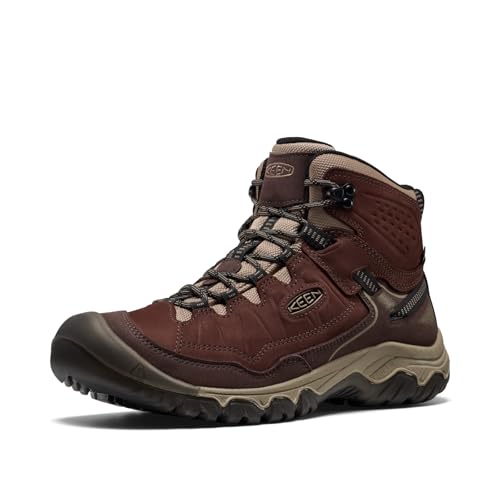
The KEEN Targhee 4 Mid is built for hikers who want a protective, stable boot with a generous toe area. KEEN hiking footwear often appeals to people who need room around the forefoot, which matters when a size 14 foot spreads during a long climb. This model has a waterproof build for changing trail weather. Its mid height adds support without reaching the feel of a tall backpacking boot.
The Targhee family is a strong fit for rocky day hikes, forest routes, and light backpacking. I pay close attention to the toe box on large boots because cramped toes can cause blisters, black toenails, and lost downhill control. The Targhee design helps address that concern, but every foot is different, so check length and width before ordering. Use the lacing to lock the heel while leaving the toes free.
Pros:
- Roomy forefoot helps larger feet spread naturally
- Waterproof protection suits wet and mixed weather
- Mid height offers useful ankle coverage
- Stable platform works well on rocky paths
- Protective toe area adds confidence around stones
- Suitable for hiking and light backpacking
Cons:
- Waterproof materials may run warm in summer
- Roomy toe area may feel loose on narrow feet
- May need a short break-in period
HI-TEC Yosemite WP Mid Boots
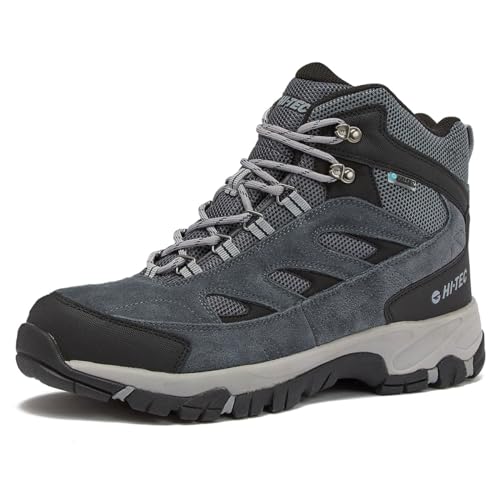
The HI-TEC Yosemite WP Mid is a good budget-minded option for hikers who need a size 14 medium boot. It combines a mid-cut profile with waterproof protection and a fairly light outdoor feel. The design suits basic trail walks, camping trips, and daily use in wet weather. It is not trying to be a heavy expedition boot, and that keeps it approachable for new hikers.
I would consider this boot for maintained trails and moderate terrain. Its lighter build can make long walks feel easier than they would in thick leather footwear. At the same time, the mid shaft gives more protection than a low trail shoe. Hikers should check the tread and fit at home before a trip, especially if they plan to carry a heavy pack or walk on sharp, loose rock.
Pros:
- Offers a size 14 medium option
- Waterproof design helps in rain and damp grass
- Lightweight feel supports longer casual walks
- Mid cut gives more coverage than low shoes
- Useful choice for camping and travel
- Often attractive for shoppers on a budget
Cons:
- Less suitable for very technical mountain routes
- Medium width may not fit extra-wide feet
- May offer less long-term structure than premium boots
KEEN Hightrail Mid Wide Waterproof Boot

The KEEN Hightrail Mid is the standout pick for hikers who need a men’s size 14 wide boot. The wide fit gives the toes more room, which can make a major difference on long descents and multi-hour hikes. Its leather upper adds a sturdy feel, while the waterproof build helps handle wet trail days. The boot also aims to stay lighter and more breathable than many traditional leather hiking boots.
I would place this model near the top for large-footed hikers who often battle pressure on the sides of the foot. A roomy boot should still hold the heel firmly, so I recommend using the upper eyelets and walking on an incline during your fit test. The leather may soften with use, but do not begin a long trip without breaking it in. For the best hiking boots for 14Ers, this is a strong wide-fit choice.
Pros:
- True wide size 14 option supports broad feet
- Leather upper offers a durable outdoor feel
- Waterproof build protects against wet trails
- Lightweight design reduces leg fatigue
- Mid height adds ankle and debris protection
- Breathable feel is useful in changing weather
Cons:
- Wide shape may feel loose on narrow feet
- Leather needs care to maintain its condition
- Usually costs more than basic hiking boots
Timberland Mt. Maddsen Waterproof Boot

The Timberland Mt. Maddsen is designed for hikers who like a classic leather boot with a supportive, planted feel. Its full-grain leather upper gives it a rugged look and helps it handle trail wear. The waterproof construction is useful for rain, mud, and damp ground. An anti-fatigue footbed adds comfort for hikers who spend much of the day on their feet.
This boot makes sense for day hikes, outdoor chores, and travel where you want one pair to do several jobs. It feels more substantial than a lightweight hiking shoe, which can be helpful on rough ground but tiring for fast miles. I would pay close attention to heel hold and toe room during the first fitting. A quality leather boot can be a long-term value when you clean, dry, and condition it as directed.
Pros:
- Full-grain leather offers a rugged, classic build
- Waterproof design supports wet-weather hiking
- Anti-fatigue footbed improves standing comfort
- Strong choice for trail and daily outdoor use
- Size 14 availability helps larger-footed buyers
- Supportive feel suits hikers who prefer firm boots
Cons:
- Heavier than mesh or lightweight hiking boots
- Leather requires care and drying after wet use
- May need more break-in time than soft boots
NORTIV 8 Waterproof Lightweight Wide Boots

This NORTIV 8 waterproof boot is aimed at hikers who want a lightweight option with extra width. The listed 10.5W size makes it useful for shoppers who need a wide fit, although it is not a size 14 model. I included it because width can matter as much as length, and some hikers with large feet also need a broad toe area. Its coyote color gives it a practical outdoor look.
The lighter construction can be a benefit on easy trails, travel days, and outdoor work. Waterproof protection adds versatility when the weather changes, while the boot shape gives more support than a low athletic shoe. Because this size is not 14, check the available size range before ordering. It is best viewed as a wide-fit comparison pick rather than a direct size 14 recommendation.
Pros:
- Wide option helps hikers with broad feet
- Lightweight build supports easy movement
- Waterproof upper suits damp outdoor use
- Useful for hiking, travel, and outdoor work
- More affordable than many premium leather boots
- Comfortable choice for moderate daily activity
Cons:
- Listed size is 10.5W, not size 14
- May lack the structure needed for heavy packs
- Wide fit can feel loose without proper lacing
NORTIV 8 Lightweight Breathable Hiking Boots

The NORTIV 8 Lightweight Breathable Boot is a strong match for warm-weather hikers who want size 14 without a bulky feel. Its breathable design can help release heat during dry summer hikes. The gray and black color works well for trail use and everyday wear. This boot focuses more on comfort and airflow than on the thick protection of a heavy waterproof model.
I would choose it for dry day hikes, local trails, travel, and walks where low weight matters most. Breathable boots can feel much better than sealed waterproof boots when the sun is high. They will not provide the same wet-weather barrier, so I would not use them as my first choice for rain, snow, or deep mud. If you want the best hiking boots for 14Ers for warm and dry conditions, this model deserves attention.
Pros:
- Available in a useful size 14 option
- Breathable build helps reduce hot feet
- Lightweight feel suits fast day hikes
- Flexible design supports natural walking
- Versatile gray color works off the trail
- Comfortable alternative to heavy waterproof boots
Cons:
- Not the best choice for sustained wet weather
- Offers less insulation in cold conditions
- May provide less protection on sharp rocky trails
How I Evaluate Hiking Boots for Size 14
Shopping for size 14 hiking boots requires more than checking the number on the box. I look for enough length to keep the toes away from the front on descents. I also check the width, heel hold, tongue padding, collar shape, and room for hiking socks. A boot can have the correct length and still fail if it squeezes the forefoot.
I also compare the boot to its intended trail. A soft, breathable boot may be perfect for a dry park path but weak for snow or sharp rock. A heavy leather boot may protect well but feel tiring on a long summer walk. The best hiking boots for 14Ers should match the user, the weather, the pack weight, and the trail surface.
Why Proper Fit Matters So Much
Large feet often need more volume, not just more length. During a long hike, feet can swell, and thick socks take up extra space. Your toes should move freely, but your heel should not lift with each step. I suggest trying boots late in the day, when feet are closer to their hiking size.
Walk up and down stairs during your fit test. Your toes should not hit the front when you lean forward. If they do, do not assume the boot will stretch enough to fix the problem. A better lacing pattern or a different width may solve the issue, but serious length problems usually need a different size.
Waterproof or Breathable?
Waterproof boots help when you hike through rain, wet grass, mud, and shallow streams. They also block some wind, which can help in cool weather. The trade-off is heat. Waterproof membranes often release less sweat vapor than open, breathable materials.
Breathable boots work well in dry climates and warm seasons. They can reduce damp socks caused by sweat, but they will not keep feet dry in a downpour. I choose waterproof boots for wet mountain regions and breathable boots for dry summer trails. No single boot wins in every climate.
Traction and Outsole Design
Traction comes from rubber compound, lug shape, lug depth, and contact with the ground. Deep lugs can bite into mud, while flatter patterns may feel smoother on pavement. A good hiking outsole should give confidence on dirt, roots, gravel, and moderate rock.
Still, traction has limits. Wet slabs, ice, loose scree, and steep mud require careful steps, even with excellent boots. I never judge a boot only by its tread photo. I also consider how stable the midsole feels and whether the heel stays planted on uneven ground.
Mid Boots Compared With Hiking Shoes
Mid hiking boots rise above the ankle and offer more coverage than low hiking shoes. They can help keep debris out and provide a more secure feel with a pack. They may also protect the ankle area from brush, stones, and minor bumps.
Low shoes are often lighter and cooler. They can suit experienced hikers who value speed and natural foot movement. For new hikers, heavy-pack users, or people who prefer more structure, a mid boot may feel safer. The right choice depends on comfort, strength, trail skill, and personal preference.
How to Break In New Hiking Boots
Start with short walks around your home. Wear the socks you plan to use on the trail. Then move to short local walks before attempting a full-day hike. This slow plan helps reveal rubbing spots while you are still close to home.
Do not soak leather boots to force them to soften. That old trick can damage materials and weaken adhesives. Instead, use normal wear and follow the care guide. If a hot spot appears, stop and adjust the laces, socks, or fit before a blister forms.
Socks, Insoles, and Lacing Tips
A boot works as part of a system. Merino or synthetic hiking socks can manage moisture better than cotton. Cotton holds sweat and can leave skin soft, cold, and more likely to blister. Pick sock thickness based on the boot’s interior space.
Insoles can change fit, support, and heel hold. If the boot feels too tight, a thick insole may make the problem worse. For downhill control, try a heel-lock lacing method. It can reduce heel movement while keeping the forefoot less restricted.
Care Tips That Extend Boot Life
Remove dirt after each hike with a soft brush. Let boots dry at room temperature, away from direct heat. High heat can crack leather and harm glues. Take out the insoles so air can reach the inside.
Use only cleaners and conditioners made for the boot’s materials. Waterproof boots may need renewed treatment after heavy use. Breathable mesh can clog with dirt, so gentle cleaning helps maintain airflow. Check the sole, seams, eyelets, and heel before every major hike.
Are Waterproof Hiking Boots Fully Waterproof?
Waterproof does not mean a boot can stay underwater forever. Water may enter through the collar, tongue, seams, or opening if the boot is submerged. Waterproof performance also declines as treatments wear and materials age.
For the best results, avoid deep water, keep the boot clean, and renew care products when needed. Gaiters can add useful protection in snow, mud, and wet brush. Even the best hiking boots for 14Ers need sensible use and basic care.
What Size Should You Buy?
Start with your normal hiking boot size, then compare the brand’s size chart. Measure both feet because one foot may be longer. Leave enough space for your toes to move and for normal swelling during a long hike.
Do not size up too far just to gain width. An oversized boot can cause heel slip, blisters, and poor control. If you need more room across the foot, look for a wide version instead of adding extra length.
Are These Boots Good for Fourteeners?
Fourteener trails can include steep dirt, loose rock, hard stone, snow, and fast weather changes. A boot suitable for a local trail may not be enough for a high peak. For a fourteener, I would favor secure fit, strong traction, good protection, and weather control.
Check the route, season, snow level, and pack weight before choosing footwear. Some high routes call for a stiffer boot or even mountaineering footwear. Train in the boots first, and never test new footwear on summit day.
Best for Comparison
| Best for | Why |
|---|---|
| Wide size 14 feet | KEEN Hightrail Mid offers a size 14 wide fit, leather support, and waterproof coverage. |
| All-around day hiking | Merrell Moab 3 Mid balances comfort, support, protection, and familiar trail performance. |
| Warm, dry trail use | NORTIV 8 Lightweight Breathable boots reduce bulk and allow better airflow in heat. |
My Recommendation
For most size 14 hikers, I recommend the Merrell Moab 3 Mid as the best all-around starting point. It offers a trusted balance of comfort, support, trail protection, and daily usefulness. If your main problem is a wide forefoot, choose the KEEN Hightrail Mid in size 14 wide instead. It gives your toes more room while keeping the boot ready for wet and uneven trails.
For a lower price, the NORTIV 8 Ankle High is a sensible value pick. The HI-TEC Yosemite works well for casual trails, while the Timberland Mt. Maddsen suits hikers who like a firm leather boot. The breathable NORTIV 8 is best for dry heat. Always confirm size, width, current stock, and return terms before ordering, since Amazon availability can change.
FAQs Of Best Hiking Boots for 14Ers
What are the best hiking boots for size 14 feet?
The Merrell Moab 3 Mid is a strong all-around choice. The KEEN Hightrail Mid is better for hikers who need a wide size 14 fit. Your foot shape and trail conditions should guide the final choice.
Should I buy wide hiking boots if I wear size 14?
Buy wide boots if your toes or the sides of your feet feel squeezed. Do not choose wide boots if your heel slips or your foot moves inside the boot. A proper fit should feel roomy in front but secure at the heel.
Are waterproof boots better than breathable boots?
Waterproof boots are better for rain, wet grass, mud, and cool weather. Breathable boots are better for hot, dry trails. Choose based on your local climate rather than the label alone.
How much toe room should hiking boots have?
Your toes should not touch the front when you walk downhill. You need enough room for normal swelling and hiking socks. Your heel should remain secure without painful pressure.
Can I use these boots on a fourteener?
Some may work on dry, moderate fourteener routes, but route conditions matter. Snow, ice, steep rock, and heavy packs may require stiffer footwear. Break in your boots and check current trail conditions before climbing.
Final Verdict: Which Should You Buy?
The Merrell Moab 3 Mid is my best overall pick for size 14 hikers. Choose the KEEN Hightrail Mid if you need a true wide fit, or the NORTIV 8 Breathable model for dry summer trails.
The best hiking boots for 14Ers should fit first and impress second. Confirm size, width, traction, and weather needs before buying for your next hike.

Madison Clark is a footwear expert and the voice behind MyStyleGrid.com. She specializes in honest shoe reviews, style tips, and practical guides to help readers find the perfect pair for any occasion. With years of experience in blogging and content creation, Madison makes footwear knowledge simple, stylish, and easy to follow.