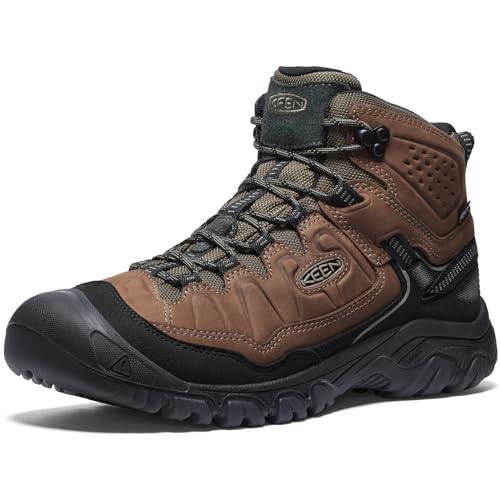
The best hiking boots for Kilimanjaro combine waterproofing, grip, ankle support, comfort, and room for warm socks.
You may start the trek in warm, wet forest and end it on cold, rocky ground above the clouds. A poor boot can cause blisters, wet feet, sore ankles, or a painful summit day. I look for boots that feel steady under a heavy pack but do not feel like ski boots on the lower trail. The picks below cover different needs, from light and budget-friendly boots to sturdy leather models. I also explain where each pair fits best, since no single boot suits every hiker, foot shape, or route.
Columbia Newton Ridge Plus II

The Columbia Newton Ridge Plus II is a sensible starting point for hikers who want a mid-height boot at a fair price. Its waterproof build helps keep out rain, mud, and wet grass on the lower Kilimanjaro trails. The boot also has a cushioned feel that can make long approach days less tiring. Its classic shape gives your ankle more support than a low trail shoe.
I like this model for new trekkers who want one boot for travel, day hikes, and Kilimanjaro. The sole offers useful traction on dirt, loose gravel, and damp stone, though it is not a mountaineering sole for technical ice. The leather and textile upper may feel firm at first, so I would break it in well before flying to Tanzania. Check the fit with the socks you plan to wear, as thick summit socks can reduce toe room.
Pros:
- Waterproof design helps in rain and wet trail sections
- Mid-height collar adds useful ankle support
- Cushioned footbed feels comfortable on long walks
- Good grip for dirt, mud, and rocky paths
- Usually offers strong value for first-time trekkers
- Versatile style works for travel and normal hiking
Cons:
- May need a longer break-in period than a soft trail shoe
- Can feel warm in humid lower-elevation forest
- Not designed for technical climbing or crampon use
NORTIV 8 Waterproof Lightweight Boots

The NORTIV 8 waterproof boot targets hikers who want a light boot with a supportive mid-cut design. That lower weight matters when you take thousands of steps each day. The waterproof upper can help during rain and stream crossings on routes such as Machame or Marangu. Its coyote color also hides trail dust better than many pale boots.
This pair makes sense for a budget-conscious hiker who dislikes stiff footwear. The tread should feel at home on packed earth, loose trail, and common day-hike surfaces. I would still test the sole on wet rock before the trip, because rubber grip can vary by surface and temperature. The wide fit option is useful for hikers who need more space, but every buyer should confirm the size chart and read current fit feedback.
Pros:
- Light feel can reduce leg fatigue on long trekking days
- Waterproof upper helps protect feet from wet trail conditions
- Mid boot shape gives more support than a sneaker
- Wide option can suit some broad feet
- Flexible build may feel comfortable soon after purchase
- Often costs less than premium leather hiking boots
Cons:
- Light materials may not feel as rugged as heavy leather
- Waterproof lining can reduce breathability in warm weather
- Fit may vary by foot shape and size choice
XPETI TERRA Mid Hiking Boot

The XPETI TERRA Mid is built for hikers who want a protective boot without a very heavy feel. Its mid-height design helps shield the ankle and lower leg from trail grit, brush, and small stones. The waterproof construction is useful when clouds open during the wet season. A firm outsole can also help when the trail turns rough or uneven.
I see this as a practical choice for a first Kilimanjaro trip when price and protection both matter. It should work well on long forest approaches and rocky high camps, provided the fit remains secure. The upper may feel warmer than a breathable mesh shoe, so pair it with wool or synthetic socks that move moisture away from the skin. Do not wait until the airport to wear it; several local hikes will reveal pressure points early.
Pros:
- Protective mid cut supports the ankle on uneven trail
- Waterproof build suits wet grass and mountain rain
- Rugged outsole helps on loose and rocky ground
- Offers a protective feel without an extreme mountaineering weight
- Useful choice for hikers who want one all-purpose boot
- High collar helps keep trail debris outside
Cons:
- May run warmer than a ventilated hiking shoe
- Can feel stiff until properly broken in
- Not a replacement for an insulated mountaineering boot in severe winter use
Oboz Bridger Mid B-DRY

The Oboz Bridger Mid B-DRY is a supportive hiking boot for trekkers who value foot control on rough ground. Its structured design helps keep the foot from sliding inside the boot during steep climbs and descents. The waterproof membrane adds a layer of defense against rain and shallow puddles. A firm heel and stable sole can feel reassuring when you carry a full day pack.
This boot suits experienced hikers who prefer a planted, protective ride. Kilimanjaro is not a technical climb, but the trail still includes roots, loose volcanic rock, and long downhill sections. The Bridger’s support can reduce the feeling that your foot is rolling inside the boot, yet it may feel too firm for people who prefer running-shoe comfort. I recommend trying it with trekking socks and checking for heel lift before committing to the trip.
Pros:
- Stable platform helps on uneven volcanic terrain
- Strong heel hold can reduce unwanted foot movement
- Waterproof membrane adds weather protection
- Protective upper helps guard against rocks and trail debris
- Supportive build works well with a loaded pack
- Durable construction can serve for years of hiking
Cons:
- Heavier and firmer than lightweight trail footwear
- May feel too structured for hikers with narrow comfort needs
- Needs careful sizing to avoid heel lift or toe pressure
KEEN Hightrail Mid Waterproof Boot

The KEEN Hightrail Mid is an insulated, waterproof option for hikers who expect cold conditions. That design can feel appealing on the summit night, when wind and low temperatures make feet lose heat fast. Its mid height gives the ankle some support while the toe area offers the room many KEEN users prefer. The leather upper also adds protection against rough rock and wet weather.
For Kilimanjaro, this boot is best for people who run cold or plan other winter hikes after the trek. Insulation can be helpful near the summit, but it may feel excessive on warm lower slopes. I would wear moisture-wicking socks and avoid over-tightening the laces, since cramped toes get cold more quickly. Also confirm that the boot works with your selected gaiters and any traction device allowed by your guide.
Pros:
- Insulation can add comfort during cold summit hours
- Waterproof leather helps block rain and melting snow
- Roomy toe shape may suit hikers with broad forefeet
- Protective upper handles rocky trail sections well
- Mid cut adds ankle coverage and support
- Useful beyond Kilimanjaro for cold-weather hiking
Cons:
- May feel too warm on humid lower-elevation trails
- Heavier than a light three-season hiking boot
- Insulation can make sizing harder with thick socks
KEEN Pyrenees Mid Waterproof Boot

The KEEN Pyrenees Mid is a classic leather hiking boot with a solid, steady feel. Its waterproof construction helps protect against rain while the leather upper resists trail wear. The boot has the kind of firm support that many hikers appreciate when carrying a pack over several days. Its broad front can also give the toes a little more freedom than narrow European-style boots.
I would consider the Pyrenees for a trekker who prefers durability over a featherlight step. It can feel like a reliable work glove for your feet, especially on rocky descents. The trade-off is weight and break-in time, so start wearing it weeks before the climb and condition the leather as directed. This is one of the Best Hiking Boots for Kilimanjaro for hikers who want a traditional boot that can handle future trips too.
Pros:
- Durable leather upper offers strong trail protection
- Waterproof design suits wet mountain weather
- Stable sole supports long days with a backpack
- Roomy toe area can improve comfort for broad feet
- Classic build may last through many hiking seasons
- Works well for travel, hiking, and cool-weather use
Cons:
- Heavier than modern lightweight hiking boots
- Leather needs a careful break-in period
- Can feel warm in the lower forest zone
KEEN Targhee 4 Mid Waterproof Boot

The KEEN Targhee 4 Mid is a strong all-rounder for hikers who want comfort, support, and water protection in one boot. Its mid-height cut gives useful ankle coverage without the tall, rigid feel of an alpine boot. The waterproof upper is a good match for changing mountain weather. The wide toe design may help toes spread during long climbs and descents.
I would put this model near the top of a Kilimanjaro short list for many hikers. It balances trail comfort with enough structure for loose ground and a loaded pack. It is also easier to use after the trek than a heavily insulated model, which improves its overall value. Still, inspect the fit at the heel and instep, and leave room for foot swelling during a full day on the trail.
Pros:
- Balanced mix of comfort, support, and protection
- Waterproof upper helps during rain and wet crossings
- Roomy toe box may suit many wide-foot hikers
- Mid height offers ankle coverage without extreme stiffness
- Good everyday hiking value after the Kilimanjaro trip
- Traction suits common dirt, gravel, and rocky surfaces
Cons:
- Wide front may feel loose on very narrow feet
- Waterproof lining can limit airflow in hot conditions
- May require lacing adjustments for a secure heel hold
XPETI Thermator Insulated Hiking Boot

The XPETI Thermator is aimed at hikers who want warmth, waterproofing, and a grippy outsole. Its insulation can be useful during the pre-dawn summit push, when the body is tired and the air is at its coldest. The mid-rise shape helps keep the ankle covered, while the non-slip tread adds confidence on damp ground. This is a warmer boot than most basic trail models in this guide.
I would choose it only after thinking about the full route, not just the summit. Your feet may sweat in warm forest sections, and damp socks can cause as much trouble as cold air. Use thin moisture-wicking socks on lower trails and save thicker socks for the upper mountain if the fit allows. For cold-sensitive hikers, the Thermator can be a practical Best Hiking Boots for Kilimanjaro option at a budget-friendly level.
Pros:
- Insulated interior helps retain warmth in cold conditions
- Waterproof construction protects against wet weather
- Non-slip outsole supports traction on damp surfaces
- Mid-rise design gives useful ankle and lower-leg coverage
- Often costs less than premium cold-weather boots
- Useful for snow, winter walks, and other cold trips
Cons:
- Can feel too warm on lower, humid sections
- May be bulky with thick summit socks
- Less versatile than a non-insulated boot in warm climates
How I Choose Hiking Boots for Kilimanjaro
Choosing the Best Hiking Boots for Kilimanjaro starts with the mountain, not the brand name. Mount Kilimanjaro rises to 19,341 feet, or 5,895 meters, and the trail passes through several climate zones. You may face rain, mud, dust, loose rock, cold wind, and possible snow in one trip. A boot must handle change without turning your feet into hot, sore boxes.
I first check fit. A good boot holds the heel and midfoot in place but gives the toes room to spread. The toes should not touch the front when you walk downhill. Try boots late in the day, when feet are slightly larger, and wear the socks you will use on the trek.
I then check the sole. Deep lugs help bite into dirt and loose soil. A firm midsole can reduce foot strain on sharp rock. However, very stiff boots may slow a new hiker and cause pressure spots. Kilimanjaro does not usually require technical climbing boots, so comfort and secure traction matter more than extreme stiffness.
Waterproofing also matters, but it has limits. A waterproof membrane can block rain, yet water can still enter over the collar or through a wet gaiter. Waterproof boots often breathe less than non-waterproof shoes. I prefer waterproof boots for most Kilimanjaro routes, but I pair them with good socks and daily foot care.
Important Kilimanjaro Boot Features
Waterproof protection
Rain is common in the lower and middle zones, especially during wetter seasons. Waterproof boots can keep feet dry during short showers and muddy sections. Look for sealed seams, a gusseted tongue, and a collar that fits close to the leg. No boot stays dry if you stand in deep water, so gaiters still have value.
Secure ankle support
A mid-height boot protects the ankle from brush and trail debris. It also gives some support when the ground shifts underfoot. It cannot prevent every ankle injury, and it should not replace careful steps. I prefer a collar that bends with the ankle instead of one that feels like a hard plastic brace.
Reliable traction
The trail changes from soil to stone as you gain height. Look for rubber lugs with a clear heel edge for downhill braking. The sole should feel stable when you step on a slanted rock. Test it in rain before your trip. Wet rock can defeat even a deep tread if the rubber compound does not grip well.
Toe room and fit
Feet often swell after many hours of walking. A narrow boot can create pressure on the toes and nails. A very loose boot lets the foot slide and creates blisters. The right fit feels snug at the heel, secure across the arch, and relaxed at the toes.
Weight
Heavy leather boots may last longer and feel stable. Light boots reduce effort with every step. Neither choice wins for every person. If you have strong feet and carry little weight, a lighter pair may feel better. If you need structure or carry a larger pack, a firmer boot may be worth the added ounces.
Break-in time
Never begin a multi-day mountain trek in brand-new boots. Wear them around the home first. Then take short walks, followed by longer hikes with your pack. I want at least 20 to 30 trail miles in a boot before a major trip, though the exact time depends on the material and my feet.
Boots, Socks, and Blister Control
The Best Hiking Boots for Kilimanjaro cannot fix a poor sock system. Cotton holds sweat and dries slowly, so I avoid it on long mountain days. Merino wool and synthetic hiking socks move moisture better and provide light padding. Bring more pairs than you think you need, since dry socks can change the whole day.
Trim toenails before the trek, but do not cut them too short. Use a thin liner sock if it helps reduce friction. Apply tape or a blister patch as soon as you feel a hot spot. Do not wait for pain to become a large blister. Your feet are your transport, and small care keeps them moving.
Use the lacing system to match the trail. On a climb, I keep the heel secure but avoid crushing the toes. On a descent, I tighten the lower ankle area so the foot does not slide forward. Re-lace during breaks if swelling changes the fit.
How to Break In Your Kilimanjaro Boots
Start with short indoor sessions. Wear the boots for 30 to 60 minutes while standing and walking. Look for rubbing at the heel, ankle bones, tongue, and little toes. Early discomfort is useful information. It is far easier to change boots at home than on a remote trail.