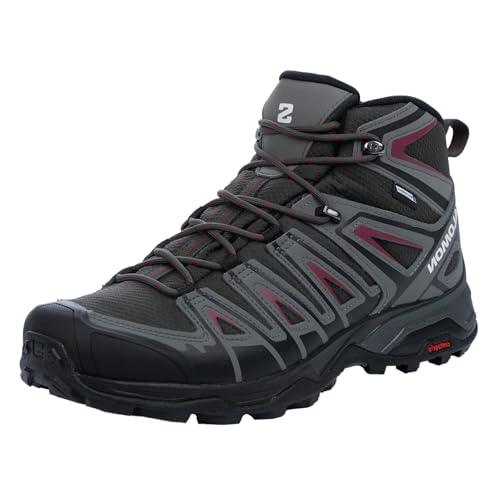
The best hiking boots for supination cushion each step, support natural motion, and reduce stress on your outer foot.
If your feet roll outward on the trail, a long hike can leave your ankles, heels, and outer soles sore before the view even appears. I know how frustrating that feels. Supination often needs soft cushioning, a flexible midsole, a roomy toe box, and a sole that grips without forcing the foot into a harsh position. The boots below cover waterproof trail boots, supportive orthopedic styles, lightweight shoes, and wide-foot options. I also included fit notes so you can choose with more confidence.
NORTIV 8 Men’s Waterproof Hiking Boots

The NORTIV 8 men’s ankle-high boot is a practical choice for hikers who want trail coverage without a tall, stiff shaft. Its waterproof design helps block light rain, wet grass, and shallow puddle splash. The rubber toe cap adds useful protection when roots and rocks appear on the path. For supination, I like the mix of cushioning and firm ground contact because it can make each landing feel less sharp.
This boot suits day hikes, camping trips, and casual outdoor work. The ankle height gives a little more coverage than a low trail shoe while still allowing a fairly natural stride. Its lugged outsole should help on dirt, gravel, and packed trails, though no sole can replace careful foot placement on wet rock. Wear your usual hiking socks when trying it on, since extra room can change the fit more than expected.
Pros:
- Waterproof upper helps handle damp trail conditions
- Ankle-high design adds useful coverage and support
- Rubber toe cap guards against common trail bumps
- Grippy outsole works well on dirt and gravel
- Cushioned feel can soften hard landings
- Good fit for general day hiking and camping
Cons:
- May feel warm in hot summer weather
- Water resistance can decline if the upper is not maintained
- Some hikers may want a lighter low-cut shoe
My Recommendation
I recommend this NORTIV 8 model for men who need one versatile boot for everyday trails, wet grass, and weekend camping. It is especially useful if supination makes hard ground feel rough under the heel and outer edge of the foot. The cushioning, toe protection, and ankle coverage create a balanced package without an overly technical feel. In my view, it offers strong value when you want dependable trail basics at an accessible price.
| Best for | Why |
|---|---|
| Wet day hikes | Waterproof construction helps keep feet drier |
| General trail use | It balances cushion, grip, and ankle coverage |
| Budget-minded hikers | It provides useful outdoor features at a modest cost |
Columbia Women’s Newton Ridge Hiking Boot

The Columbia Newton Ridge is a popular lightweight hiking boot for women who want a classic mid-height shape. Its waterproof build is helpful on rainy walks and muddy paths. The boot also uses a cushioned platform with a traction-focused outsole, which can make long walks feel more forgiving. That matters for supination because a soft, stable base may reduce the jolt felt along the outside of the foot.
I see this as a strong all-around option for parks, forest trails, travel, and light mountain use. The leather and textile upper gives it a traditional boot look without the bulk of many heavy backpacking boots. The lacing system helps you fine-tune the fit around the heel and instep. Still, hikers with very wide feet should check the size chart and read current fit feedback before ordering.
Pros:
- Lightweight feel supports longer casual hikes
- Waterproof upper helps in changing weather
- Mid-height cut gives added ankle coverage
- Cushioned sole can improve comfort on firm paths
- Traction outsole suits dirt, gravel, and light mud
- Classic style works for travel and daily wear
Cons:
- Break-in time may be needed for some wearers
- Not the best choice for technical alpine routes
- Standard width may not suit every wide foot
My Recommendation
The Newton Ridge is one of the Best Hiking Boots for Supination for women who want comfort, weather protection, and a familiar hiking-boot shape. I would choose it for day hikes where cushioning matters more than very low weight. It fits hikers who want a dependable boot for both trail days and normal errands. Check the fit carefully, then pair it with a cushioned hiking sock for a smoother ride.
| Best for | Why |
|---|---|
| Women’s day hikes | The light build offers comfort without losing boot coverage |
| Rainy trail walks | The waterproof upper helps manage wet conditions |
| Trail-to-town use | The classic design works beyond the hiking trail |
Plantar Fasciitis Arch Support Inserts

This product is an insole rather than a hiking boot, but it can change how a boot feels underfoot. The insert is designed for arch support and pressure relief, which may help hikers who feel tired after many miles. It can also add a layer between your foot and a firm factory footbed. For supination, I would use it only if the shape feels natural and does not push the foot too far toward the outside.
Insoles are personal, so a slow break-in period is important. Start with short walks and watch for rubbing, numbness, or new pain. The insert may work best in a boot with a removable footbed and enough interior volume. It cannot correct every gait issue, and it should not replace advice from a podiatrist or physical therapist when pain continues.
Pros:
- Can add extra cushioning inside a hiking boot
- May improve comfort during long standing and walking
- Removable design allows easy testing in several shoes
- Can replace a worn or flat factory insole
- Useful for hikers who want adjustable underfoot support
- May help reduce foot fatigue when the fit is right
Cons:
- Not a hiking boot and needs a compatible shoe
- Arch height may feel wrong for some feet
- May reduce interior space in snug boots
My Recommendation
I recommend these inserts for hikers who already own boots that fit well but lack enough cushioning. They may help turn an average boot into a more comfortable setup for supination, yet the fit must come first. Do not assume a higher arch is always better; supinating feet often need balanced cushioning rather than aggressive correction. For the best Hiking Boots for Supination setup, test the insert indoors before taking it on a long trail.
| Best for | Why |
|---|---|
| Existing hiking boots | It can refresh a flat or worn footbed |
| Long walks | Extra cushioning may ease foot fatigue |
| Custom comfort tests | You can try added support without replacing the boot |
NORTIV 8 Women’s Waterproof Arch Support Boots

This women’s NORTIV 8 boot combines waterproof coverage with a stated arch-support design. The ankle-high shape offers more protection than a running shoe while staying suited to day hikes. Its treaded outsole can help on loose dirt and uneven paths. Hikers with supination may appreciate the cushioned platform, especially when the trail has a hard, dry surface.
The light purple color gives this model a less utilitarian look, and the design can work for travel as well as outdoor use. I would wear it for park trails, easy hills, camping, and daily walks in wet weather. Keep in mind that arch support is not the same as a medically fitted orthotic. If the boot presses one area of your foot, stop and adjust the lacing or try another model.
Pros:
- Waterproof design suits damp walks and rainy days
- Arch-support feature may improve underfoot comfort
- Ankle height adds coverage on uneven ground
- Trail outsole offers useful everyday traction
- Lightweight build helps reduce boot fatigue
- Distinct color adds a stylish outdoor touch
Cons:
- Arch shape may not match every foot
- Light color can show mud more easily
- May need a short break-in period
My Recommendation
This NORTIV 8 is best for women who want a cushioned waterproof boot with built-in support for casual trails. It can suit supination when the support feels even and the heel stays centered. I would not buy it based on the arch label alone; I would focus on fit, cushioning, and comfort after a short indoor test. It is a useful value option for wet day hikes and outdoor errands.
| Best for | Why |
|---|---|
| Wet daily walks | Waterproof coverage helps manage light rain |
| Casual female hikers | The boot blends trail use with a stylish look |
| Support seekers | The built-in arch feature may add underfoot structure |
Hike Footwear Avara Trek Barefoot Boot

The Avara Trek takes a different path from a traditional cushioned hiking boot. Its barefoot design and wide toe box give the toes more room to spread. That natural space can improve comfort for hikers who dislike pinched forefeet or narrow, tapered boots. However, a thin or flexible barefoot sole may not provide the cushioning many people with supination need on hard trails.
I see this as a transition shoe for experienced minimalist hikers, not a quick fix for every foot problem. Start with short, easy walks and let your feet adapt over time. The wide front can help reduce pressure on the small toes, while the flexible build may improve ground feel. If you have weak ankles, persistent pain, or a history of stress injury, ask a qualified clinician before making a major change in footwear.
Pros:
- Wide toe box allows more natural toe spread
- Barefoot shape gives a close connection to the ground
- Flexible design supports natural foot movement
- May suit hikers who dislike narrow boots
- Light feel can reduce the sense of bulk
- Useful for gradual minimalist footwear users
Cons:
- Lower cushioning may not suit supination on hard trails
- Requires a careful transition period
- Not ideal for every ankle or foot condition
My Recommendation
I recommend the Avara Trek for hikers who value a wide toe box and already understand minimalist footwear. It is not my first choice for someone seeking maximum cushioning for supination. Instead, it fits people who want room, flexibility, and a natural feel on soft ground. If you choose it, build mileage slowly and keep a cushioned backup pair nearby.
| Best for | Why |
|---|---|
| Wide forefeet | The toe box gives toes more room to move |
| Minimalist hikers | The flexible shape supports a barefoot-style feel |
| Soft trail walks | Natural ground feel can work well on mild paths |
Men’s Orthopedic Trail Hiking Boots
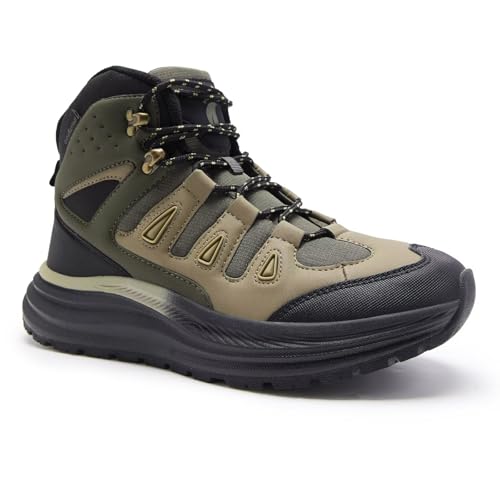
This orthopedic-style hiking boot targets common comfort concerns such as plantar fascia soreness, heel discomfort, and flat-foot fatigue. It includes an ankle-boot shape with a trail sneaker influence. That blend may appeal to men who want support but do not enjoy heavy leather boots. For supination, the key question is whether the footbed feels balanced instead of forcing an overly strong arch position.
The navy and green color scheme gives the boot an athletic look for errands, standing work, and outdoor walks. A supportive footbed can feel helpful during long days, but product labels cannot diagnose or treat a medical condition. Try the boots with your normal socks and walk on a clean indoor floor first. A comfortable heel hold, smooth roll, and lack of pressure points matter more than a long list of support claims.
Pros:
- Orthopedic-style footbed targets everyday comfort
- May suit people with tired heels or arches
- Ankle boot design gives more coverage than sneakers
- Athletic styling works for daily wear
- Potentially useful for standing and walking jobs
- Trail sole supports light outdoor activity
Cons:
- Support feel can vary from one foot to another
- May not suit technical or very rocky routes
- Medical claims should not replace professional care
My Recommendation
This model is best for men who split their time between outdoor walks and long hours on their feet. It may be a good match if supination comes with general foot fatigue and you want an athletic-looking boot. I would choose it for easy trails rather than heavy backpacking. Among the Best Hiking Boots for Supination, it stands out for everyday support, but careful fit testing remains essential.
| Best for | Why |
|---|---|
| Standing all day | The supportive footbed may reduce general fatigue |
| Easy outdoor trails | The sneaker-like shape feels less bulky than a heavy boot |
| Casual orthopedic comfort | It combines an ankle boot shape with support features |
Viakix Women’s Waterproof Hiking Boots

The Viakix women’s waterproof boot focuses on a light feel and simple trail comfort. The gray color is easy to pair with outdoor clothing, and the design should fit day hikes, travel, and wet-weather walks. A lighter boot can reduce leg fatigue when you cover many miles. That is useful for supination because tired legs may make an uneven gait feel more noticeable by the end of a hike.
This boot is best for moderate paths rather than demanding rock scrambles. Its waterproof feature helps during rain and shallow moisture, but waterproof boots still need breathable socks and proper drying between trips. I would pay close attention to heel slip during the first fitting. A secure heel with enough toe room creates a better base for a natural, comfortable stride.
Pros:
- Lightweight design helps conserve energy
- Waterproof build suits wet daily conditions
- Neutral gray color hides normal trail dust
- Good match for travel and casual hiking
- Room for cushioned hiking socks in the right size
- Less bulky than many traditional boots
Cons:
- May offer less protection on rough rocky trails
- Waterproof materials can feel warm in summer
- Fit may require careful sizing for wide feet
My Recommendation
I recommend Viakix for women who want a light waterproof boot for routine trails and travel. It can support a supination-friendly setup when paired with a comfortable, cushioned sock and a well-fitted insole. I would not select it for heavy loads or rugged mountain terrain without confirming the outsole and ankle feel first. For everyday use, its low weight and simple design offer appealing value.
| Best for | Why |
|---|---|
| Light day hikes | The low weight can make routine miles easier |
| Travel | Its neutral color and flexible use suit trips |
| Rainy walks | The waterproof build adds useful weather protection |
Oboz Women’s Sypes Mid Waterproof Shoe

The Oboz Sypes Mid is a polished option for women who want leather style, waterproof coverage, and trail-ready structure. Its mid-height profile gives more protection than a low shoe while staying less imposing than a full backpacking boot. The leather upper can feel sturdy and protective around roots and rough brush. A well-cushioned, supportive platform may also help reduce the harsh feel of firm ground for hikers who supinate.
Oboz footwear often appeals to hikers who like a secure, structured fit. That can be useful on uneven paths, but a firm boot should never squeeze the forefoot or create a pressure point at the outer edge. I suggest wearing it indoors with hiking socks before a long trip. The Sypes is a strong candidate for wet day hikes, travel, and moderate terrain where durability matters.
Pros:
- Leather upper offers a durable outdoor feel
- Waterproof construction helps in wet weather
- Mid cut gives useful ankle and trail protection
- Structured fit can feel secure on uneven ground
- Stylish look works for town and trail
- Suitable for moderate hiking and travel
Cons:
- Leather may need more break-in than mesh
- Could feel heavier than a lightweight trail shoe
- Structured support may not suit very flexible-shoe fans
My Recommendation
The Sypes Mid is best for women who want a durable, refined boot for wet trails and regular outdoor use. I would choose it when ankle coverage and a secure platform matter more than the lowest possible weight. For supination, its value comes from the overall balance of cushioning, fit, and protection, not from aggressive motion control. It is a premium-style choice worth considering when long-term construction is a priority.
| Best for | Why |
|---|---|
| Moderate wet trails | Waterproof leather and a mid cut add protection |
| Trail-to-town wear | The clean design looks at home in both places |
| Secure footing | The structured build can feel stable on uneven ground |
Oboz Men’s Bridger Mid B-DRY Boot

The Oboz Bridger Mid is a serious hiking boot for men who want protection, structure, and weather resistance. Its mid-height design helps shield the ankle and lower leg from brush, rocks, and trail debris. The B-DRY waterproof system is built for damp conditions, while the rugged outsole is suited to varied terrain. For a supinating foot, the boot’s cushioning and firm platform can help make rough ground feel more controlled.
This is not the lightest boot in the group, but that extra structure can feel reassuring under a pack. I would use it for longer day hikes, wooded routes, and moderate mountain trails. The fit should hold the heel securely without crushing the forefoot. Give the boot time to break in, and do not judge it only by the first few minutes in thin socks.
Pros:
- Strong construction suits demanding day hikes
- Waterproof system helps manage rain and wet ground
- Mid-height shaft adds ankle and debris protection
- Rugged outsole supports varied trail surfaces
- Structured platform can feel secure under a pack
- Protective build suits rough outdoor use
Cons:
- Heavier than lightweight hiking shoes
- May require a longer break-in period
- Could feel too structured for casual walkers
My Recommendation
I recommend the Bridger Mid for men who hike on rough ground or carry a moderate pack. It is one of the Best Hiking Boots for Supination when protection and a cushioned, stable feel rank above low weight. The boot is especially suited to hikers who want a firm shell around the foot without using a stiff mountaineering boot. Its higher price may be justified for frequent trail use and durable construction.
| Best for | Why |
|---|---|
| Rugged day hikes | The protective build handles uneven outdoor terrain |
| Moderate packs | The structured mid boot offers useful support under load |
| Wet mountain paths | Waterproof protection and strong traction suit damp trails |
Avia Grit Sport Women’s Hiking Boots

The Avia Grit Sport is a mid-top trail shoe made for women who want an athletic feel. Its design sits between a sneaker and a traditional hiking boot, so it may feel easier to wear on daily walks. The mid-top collar adds some ankle coverage, while the outsole aims to provide grip in all-weather conditions. For supination, the lighter construction can help keep each step from feeling clumsy or overly stiff.
I would place this model on easy to moderate trails, neighborhood paths, and outdoor errands. It may suit hikers who dislike heavy leather boots but still want more coverage than a running shoe. The shoe should be tested with the socks you plan to hike in, since a snug collar can feel different after several miles. As with any budget trail shoe, inspect the tread and seams over time if you use it often.
Pros:
- Athletic shape feels familiar to sneaker users
- Mid-top design adds some ankle coverage
- Lightweight feel suits casual trail use
- All-weather styling works in changing conditions
- Sporty colors add visual appeal
- Useful for walks, errands, and easy hikes
Cons:
- May not provide enough protection for technical trails
- Mid-top collar can feel snug for some ankles
- Long-term durability depends on use and care
My Recommendation
The Avia Grit Sport is best for women who want a casual, sneaker-like hiking boot for light outdoor use. It can work for supination when you prefer a flexible, low-bulk feel and do not carry a heavy pack. I would choose a more rugged model for sharp rocks, deep mud, or long backcountry trips. Its greatest strength is easy comfort for everyday movement at a friendly price.
| Best for | Why |
|---|---|
| Easy local trails | The athletic design feels light and simple |
| Sneaker fans | It offers a familiar sport-shoe feel with more coverage |
| Everyday outdoor wear | The mid-top style works for walks and errands |
How Supination Changes Hiking Boot Selection
Supination, also called underpronation, happens when the foot rolls outward too much during a step. Some people naturally have this pattern, while others notice it after an injury, strength imbalance, or footwear change. It can place more load on the outside edge of the foot, heel, and ankle. The American Academy of Orthopaedic Surgeons and podiatry guidance both support a careful assessment when foot pain keeps returning.
Choosing the Best Hiking Boots for Supination does not mean buying the boot with the most rigid support. In fact, a strong motion-control boot made to limit inward roll may feel wrong for someone who already rolls outward. I usually look for balanced cushioning, a smooth heel-to-toe transition, a secure heel, and enough flex for the intended trail. The right boot should feel like a steady bridge, not a brace that fights every step.
Features I Look For in Supination-Friendly Hiking Boots
Balanced cushioning
A cushioned midsole can soften the impact of hard ground. Look for comfort under the heel and forefoot, not only a thick heel. Too much softness can make uneven ground feel unstable, so the best choice has both cushion and control.
A secure heel fit
Your heel should stay in place when you walk uphill and downhill. Excess heel movement can create blisters and make the foot work harder. Use the top eyelets and a heel-lock lacing method if the boot allows it.
Enough toe space
Toes need room to spread and move. A cramped toe box can shift pressure to the outer edge of the foot. Your longest toe should not touch the front, and you should have enough width for a normal hiking sock.
Moderate flexibility
A boot that bends a little at the forefoot can support a more natural stride. A completely rigid sole may feel awkward on easy trails. On the other hand, a very soft shoe may lack control on rocks, so match flexibility to your route.
Reliable traction
Outsole grip matters because slips can increase stress on the ankle and outer foot. Deep lugs help with mud, while a flatter pattern may feel smoother on pavement and packed dirt. No tread performs equally well on mud, wet roots, loose gravel, and polished rock.
Removable footbeds
A removable insole gives you more room to adjust comfort. You can test a different insert or replace the footbed after it wears down. This feature is useful, but only if the replacement insert does not crowd the boot.
How I Test Hiking Boots for Supination
I start with the fit before judging the brand or feature list. I wear the socks I plan to use and check the boot late in the day, when feet are often a little larger. I walk up stairs, turn sharply, and test both a flat stride and a downhill step. The heel should stay secure, while the toes should still move freely.
Next, I look at the sole and upper. I want a tread that matches the trail, a toe guard that protects without pinching, and seams that do not rub. I also check whether the boot bends near the ball of the foot rather than at the middle. These small details can decide whether a boot feels comfortable after one mile or ten.
I do not treat marketing words such as “orthopedic,” “arch support,” or “pain relief” as proof of a medical result. Comfort depends on foot shape, gait, trail surface, pack weight, and personal preference. If a boot causes sharp pain, numbness, swelling, or repeated blisters, I stop using it and reassess the fit. Persistent pain deserves an evaluation by a podiatrist or another qualified health professional.
Fit Tips for the Best Hiking Boots for Supination
Measure both feet while standing. Many people have one foot that is slightly longer or wider than the other. Choose the size that fits the larger foot, and use lacing or an insole to fine-tune the smaller side. Leave roughly a thumb’s width in front of the longest toe, but use comfort and downhill testing as the final check.
Try boots with hiking socks, not thin dress socks. Walk down a slope or use a set of stairs to see whether your toes hit the front. If they do, the boot may be too short, the heel may be slipping, or the laces may need adjustment. A good fit should feel snug around the heel and midfoot but relaxed around the toes.
Break in new boots with short walks. Do not take an untested pair on a long trip. Check your feet after 20 to 30 minutes during the first few outings. Hot spots are early warnings, and a small change in lacing can prevent a painful blister later.
Common Mistakes to Avoid
The first mistake is choosing a stiff stability boot simply because the label sounds supportive. Many stability shoes focus on controlling inward motion, while supination already involves outward rolling. The second mistake is selecting a very soft shoe with no side-to-side control. Cushioning matters, but your foot still needs a steady platform.
Another mistake is ignoring trail type. A light shoe may feel excellent on a smooth park path but lack protection on sharp rock. A rugged boot may protect well but feel tiring on a flat urban walk. Match the boot to mileage, surface, weather, pack weight, and the way your feet feel after several hours.
Finally, do not overlook socks. A thick cotton sock can hold moisture and create friction. A moisture-managing hiking sock with light cushioning may improve the fit and reduce rubbing. Small fit changes often bring more comfort than a dramatic change in boot style.
Care Tips to Extend Boot Life
Brush off dirt after each hike. Mud can dry into the flex points and reduce material life. If the boots get wet, remove the insoles and let everything dry at room temperature. Avoid placing them beside a heater because intense heat can damage adhesives and shrink leather.
Follow the care directions for the upper material. Leather may need a suitable conditioner, while synthetic fabric may need only gentle cleaning. Reapply a compatible water treatment when rain begins to soak through sooner than expected. Inspect the outsole, eyelets, and heel counter before every longer trip.
FAQs Of Best Hiking Boots for Supination
What type of hiking boot is best for supination?
Most hikers with supination should start with balanced cushioning, a secure heel, a roomy toe box, and moderate flexibility. Avoid aggressive motion control unless a qualified professional recommends it. The best choice depends on your foot shape and the terrain you hike.
Are stability hiking boots good for supination?
Not always. Many stability boots aim to limit inward rolling, while supination involves outward rolling. A neutral, cushioned boot may feel more natural, but fit and comfort matter more than the label.
Can hiking insoles help supination?
An insole may improve comfort if it fits the boot and supports your foot without creating pressure. Try it for short walks first. Stop if it causes numbness, rubbing, or more pain.
Should supinators wear wide hiking boots?
A wide boot can help if your toes feel cramped or your foot needs more room to spread. Do not choose a wide size if it lets the heel slide. Aim for a roomy toe box with a secure heel.
When should I see a foot specialist?
See a podiatrist or physical therapist if pain persists, worsens, or limits normal walking. Seek care for repeated ankle sprains, swelling, numbness, or suspected stress injury. Footwear can improve comfort, but it cannot solve every cause of pain.
Final Verdict: Which Should You Buy?
For most hikers, the Oboz Bridger Mid offers the best blend of cushioning, protection, traction, and structure. The Columbia Newton Ridge is a lighter pick, while the NORTIV 8 boots offer strong value. Insoles can help fine-tune a comfortable pair.
The Best Hiking Boots for Supination should feel balanced, cushioned, and secure without forcing your foot. Confirm the fit, match the boot to your trail, and increase mileage slowly for happier miles.

Madison Clark is a footwear expert and the voice behind MyStyleGrid.com. She specializes in honest shoe reviews, style tips, and practical guides to help readers find the perfect pair for any occasion. With years of experience in blogging and content creation, Madison makes footwear knowledge simple, stylish, and easy to follow.